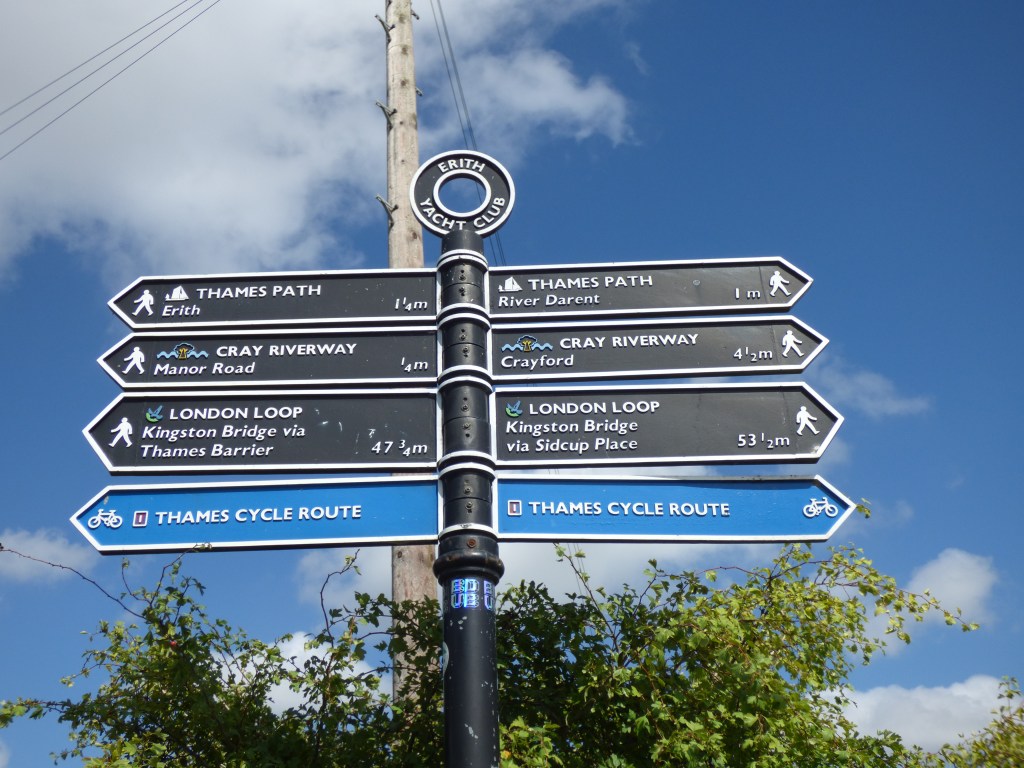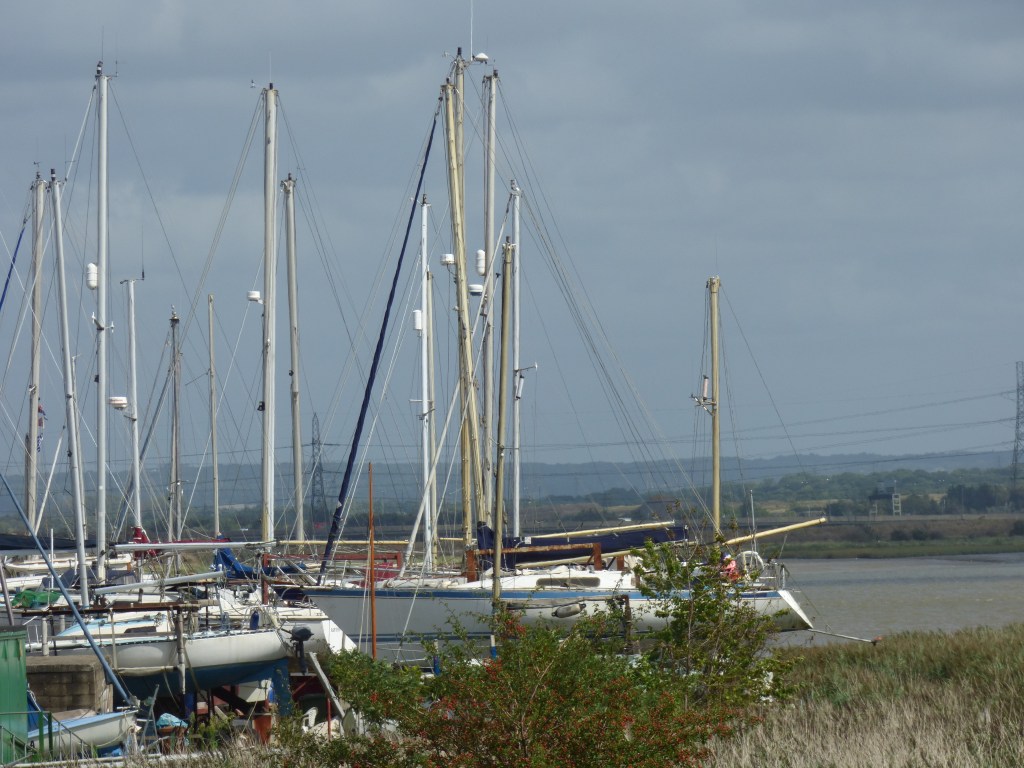
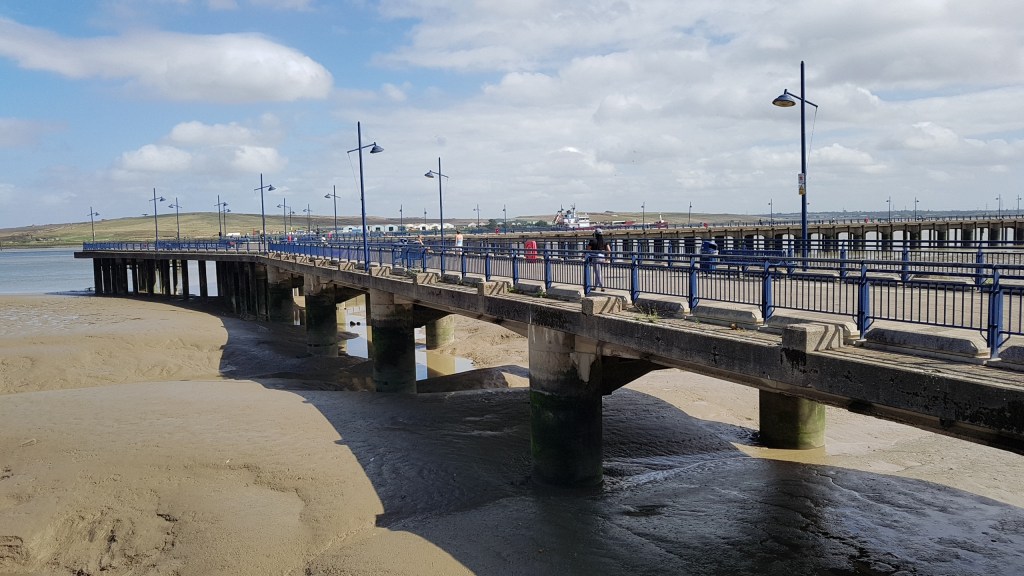
Erith to Crayford Ness – where the Thames Path Extension officially ends

Erith Pier

It was business as usual this week. The heatwave has subsided and we had to contend with rain instead. So. choosing the right day for a walk was important. Luckily we chose the best!

Believe it or not, this is still classed as London! You can catch a train from Charing Cross to get here (about 40 minutes on the stopping train). Erith has a town with shopping centre, but you need to cross a very busy road to get there and to the river – there is a public underpass with a couple of neat art instalations about the river. The walk itself is a short one, at a guess, about three miles or so. It was an ambling day!
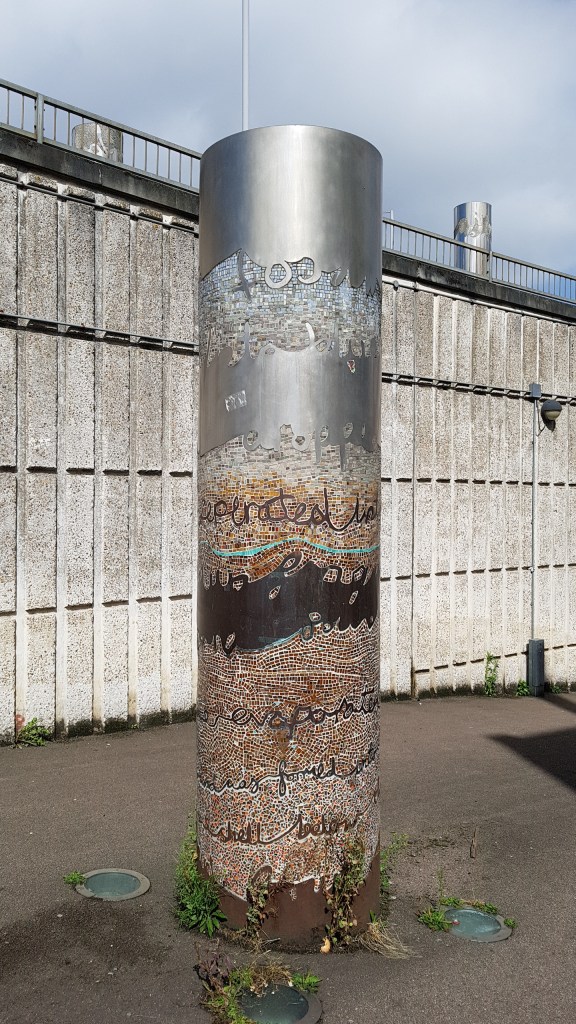
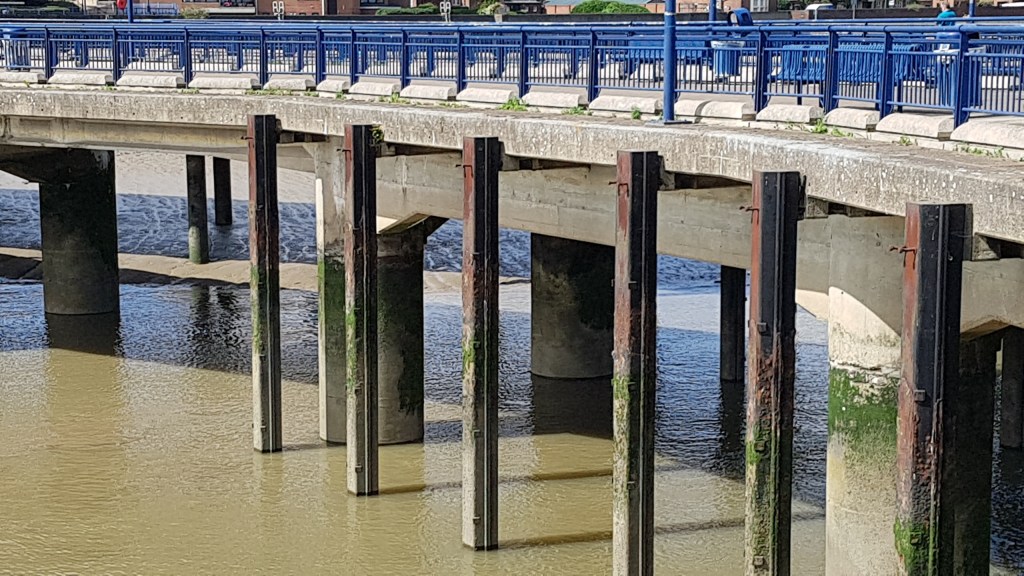
Erith pedestrian underpass

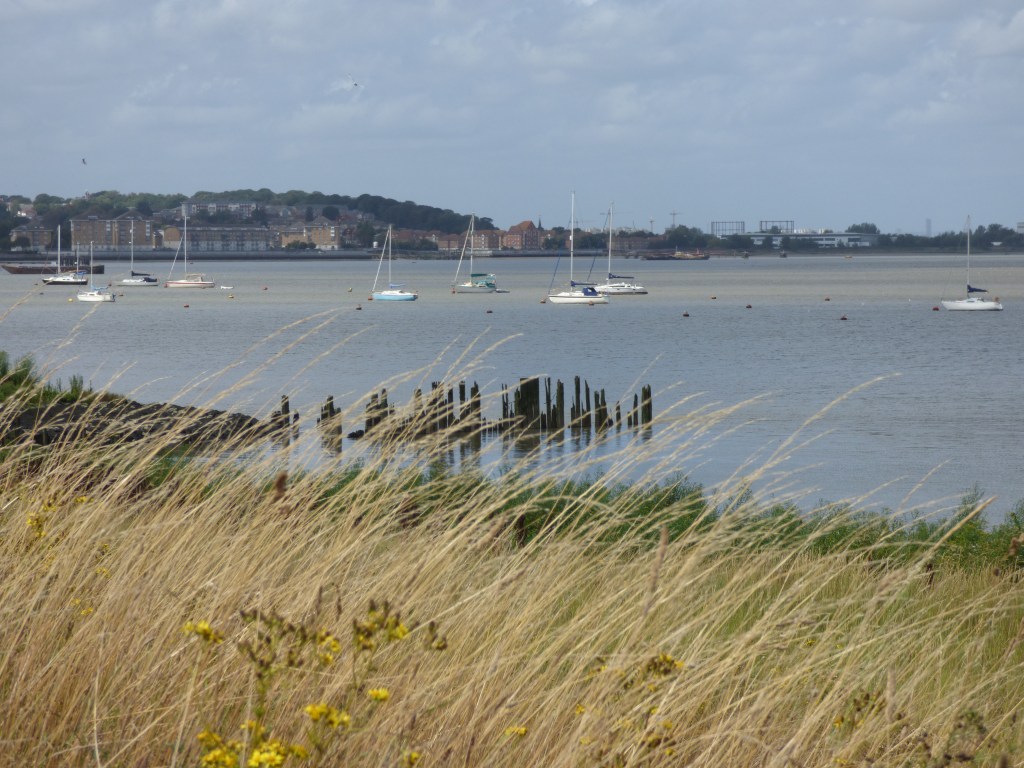
We walked along the pier and I was fascinated by the ripples in the sand. We then doubled back. To the left is the Thames Path leading into London. Last time we were here in Erith we walked that way as far as Woolwich. At Erith you cannot see the tall towers of London, but across the river is Essex and Rainham Marshes. However, today we were heading right.
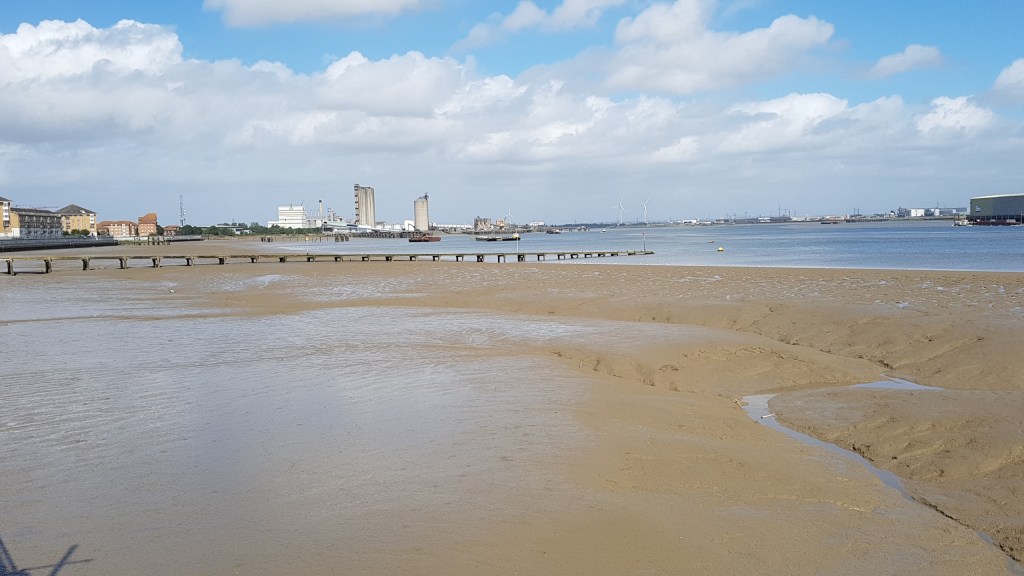
Looking towards London

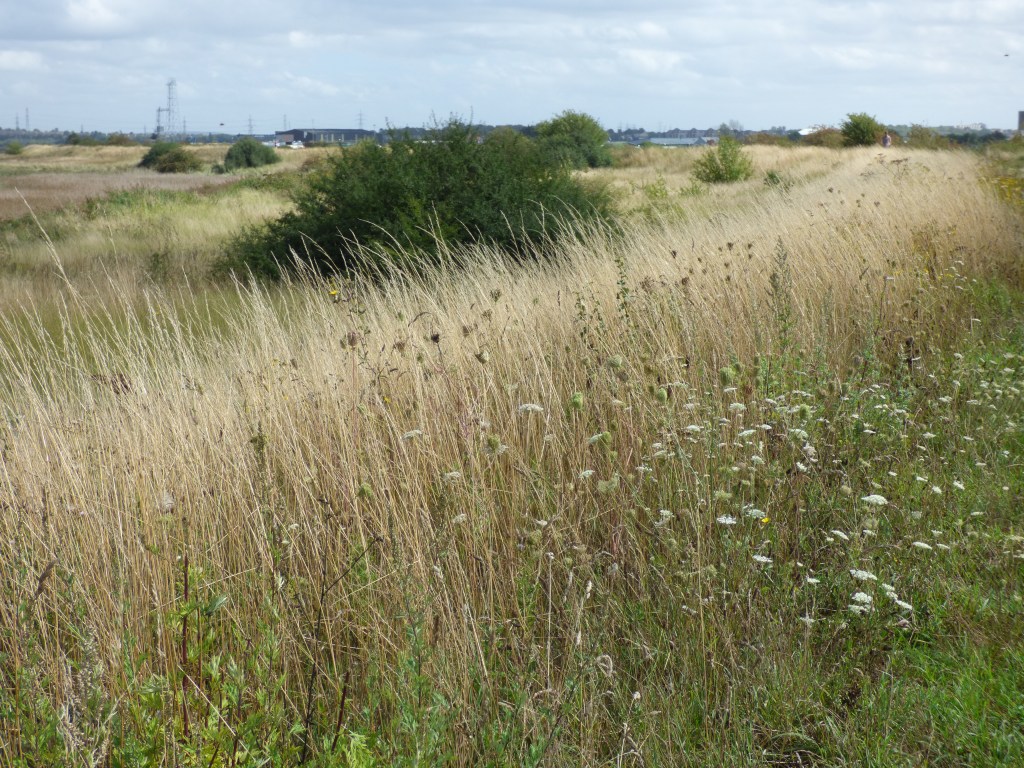
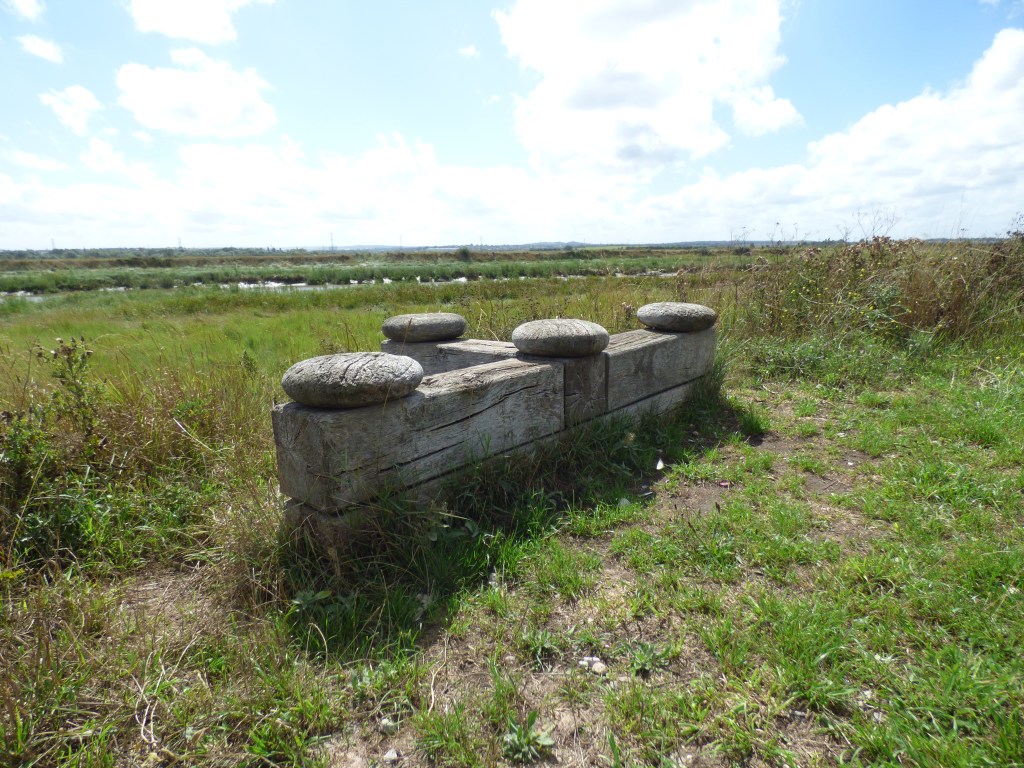
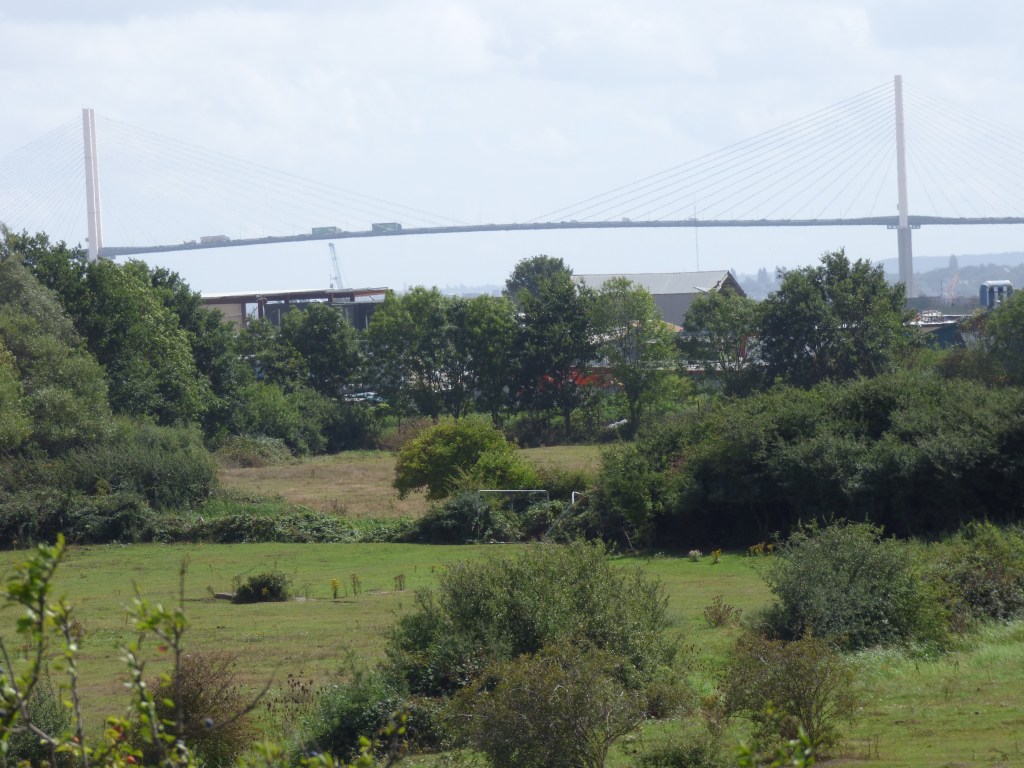
The first section we walked was mainly off river. We had to leave the quiet behind and cope with the noisy road with an industrial estate on our left. Then finally we found the path leading back down to the river. Here was a wind turbine. They always fasccinate me and you could hear it as whirled around. This section is lovely as you come out into the wild. In the distance we could see the Queen Elizabeth II Bridge at Dartford. This crosses the river and you get good views of it. On either side of the path is scrub with bushes and grass, lots of grasshoppers and butterflies. We found an old railway sleeper to sit on and eat our lunch. There were harldy any people about.


This is where we stopped for lunch

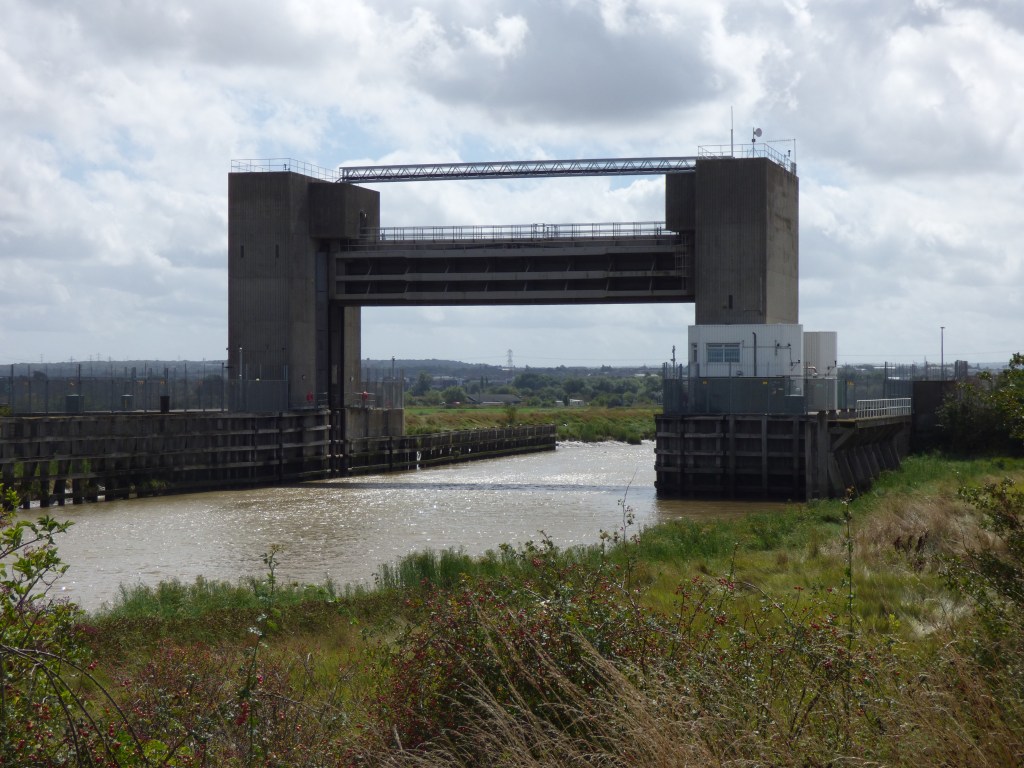
Walking further around we did encounter another industrial estate on our right but at least we had the river on our left. We approached the leaving point of the river Thames where at Crayford Ness you meet the River Darent running into the Thames. Here we followed the Darent (there is nowhere to cross it for this is the end of the Thames Path Extension) and found Dartford Creek Barrier which is used for high tides (possibly in conjunction with the Thames Barrier). More on the River Darent can be found here.
We followed the river until we came to another path. We needed to get to Slade Green Ststion and thought we knew which path we needed, but there were was no signage. Before I could consult the book another walker came along and he confirmed the path we needed was the one we thought. The other path (he was taking) was part of the London Loop which goes around all over London.
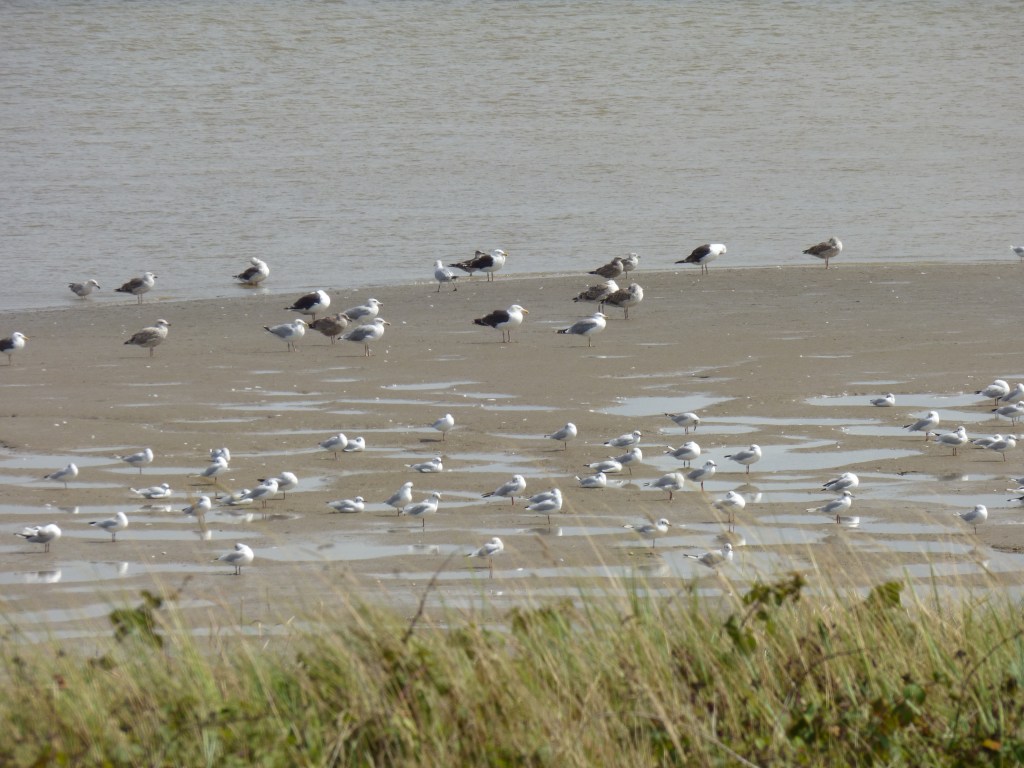

Dartford Creek Barrier – River Darent

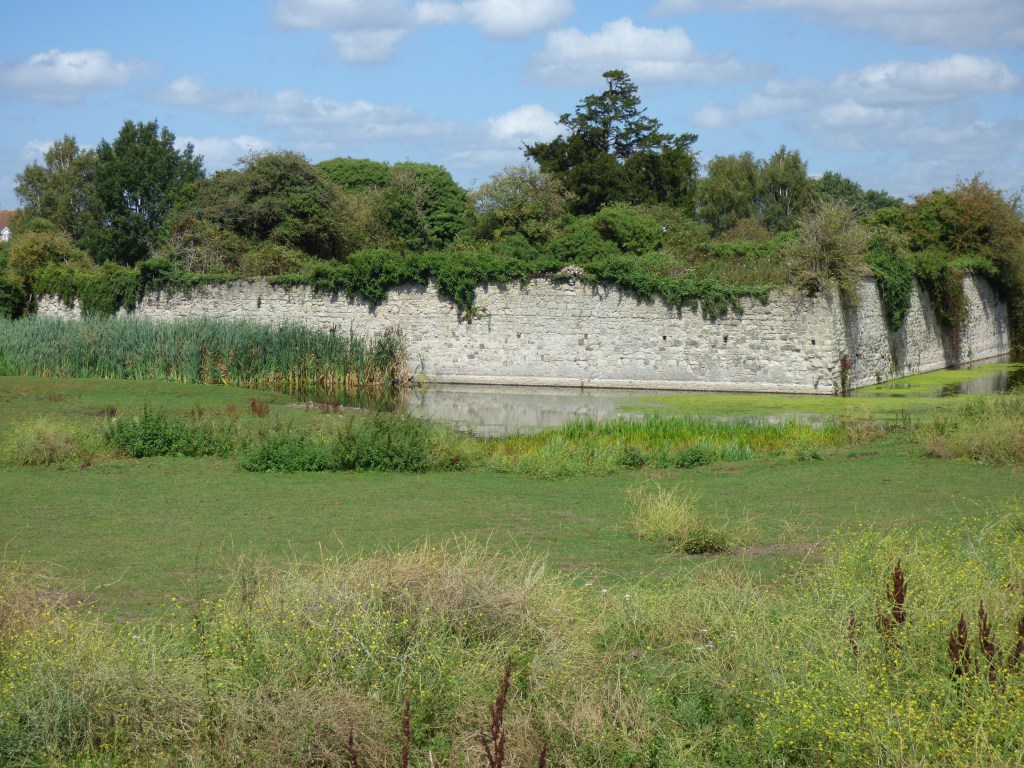
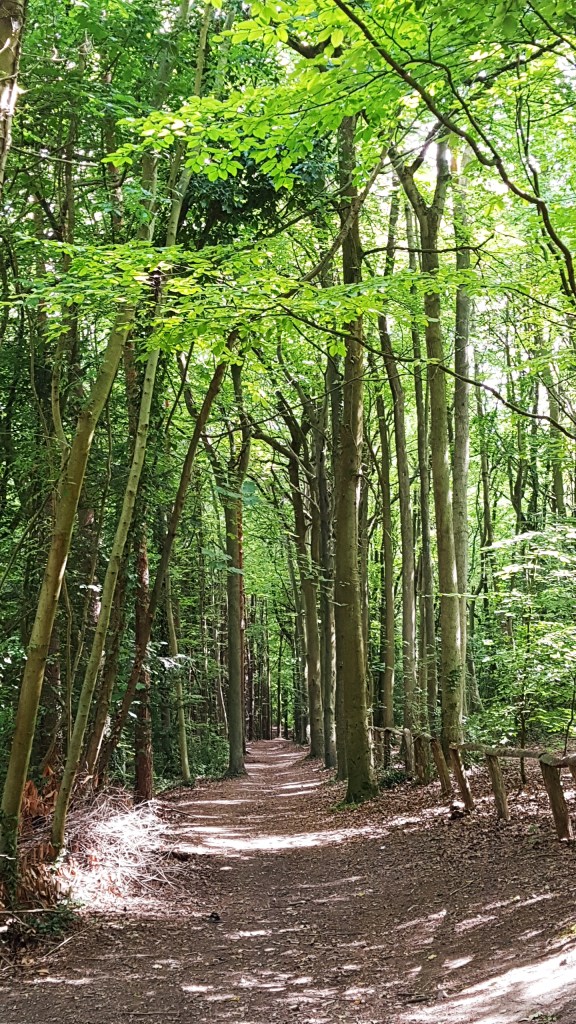
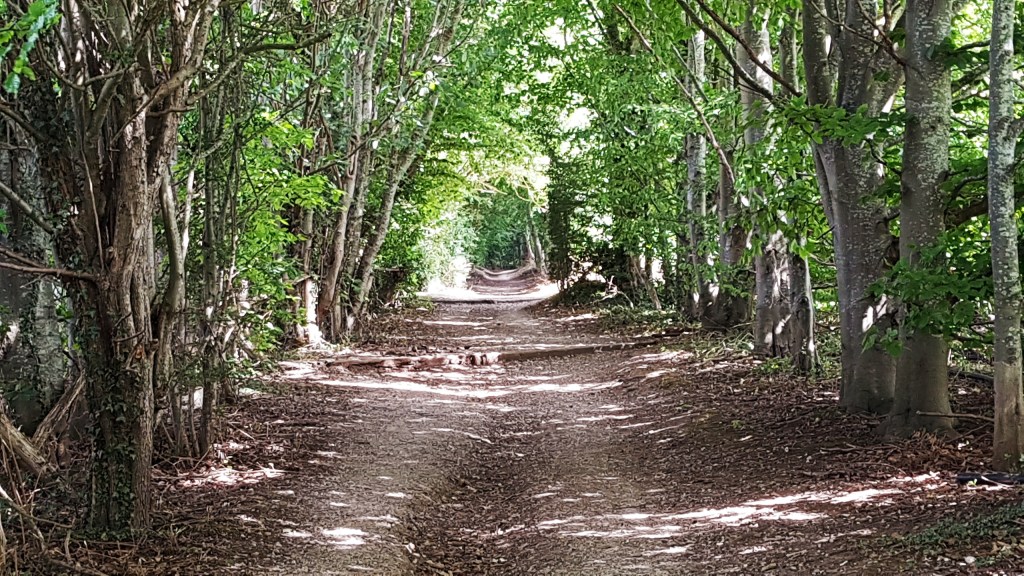
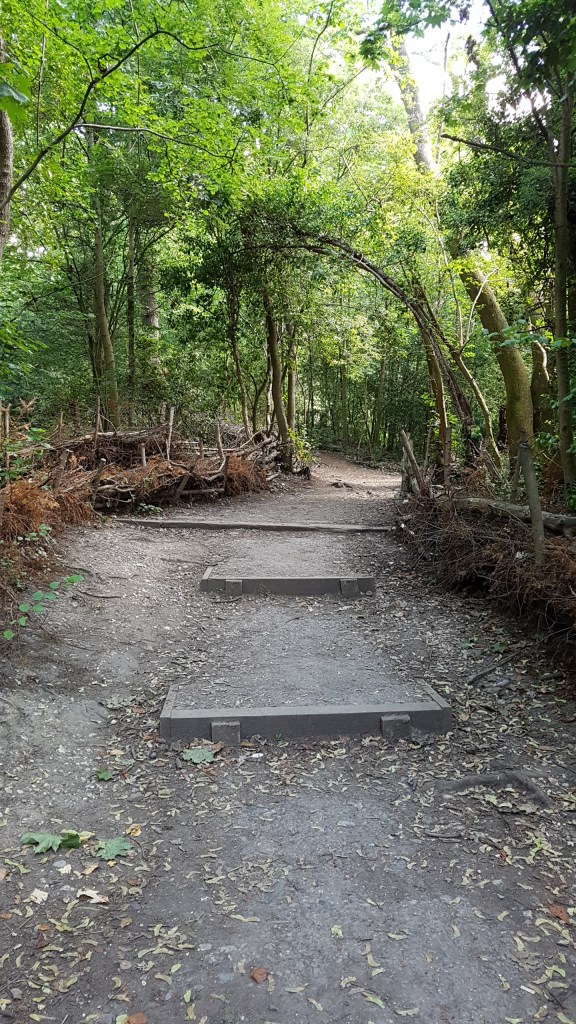
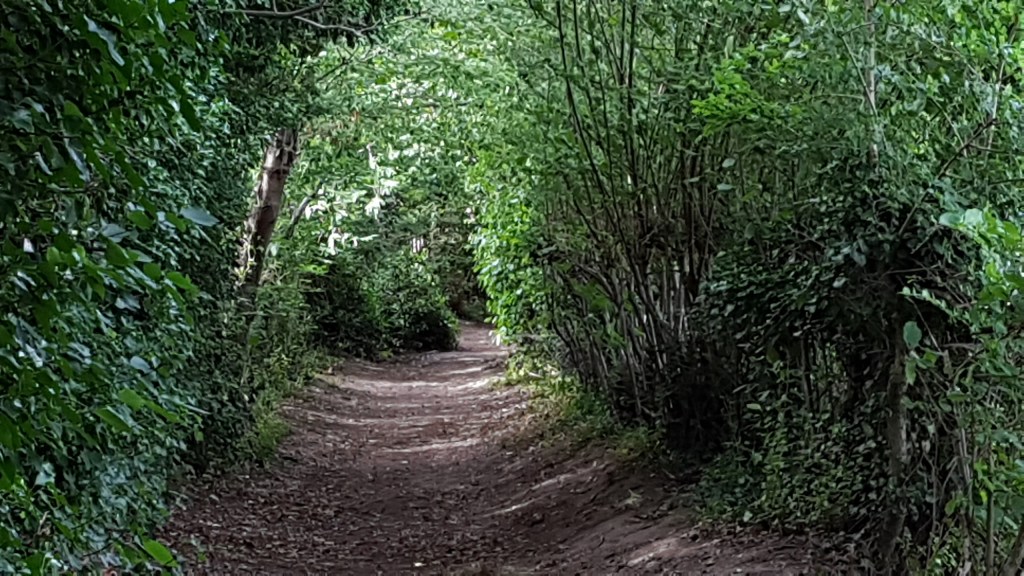
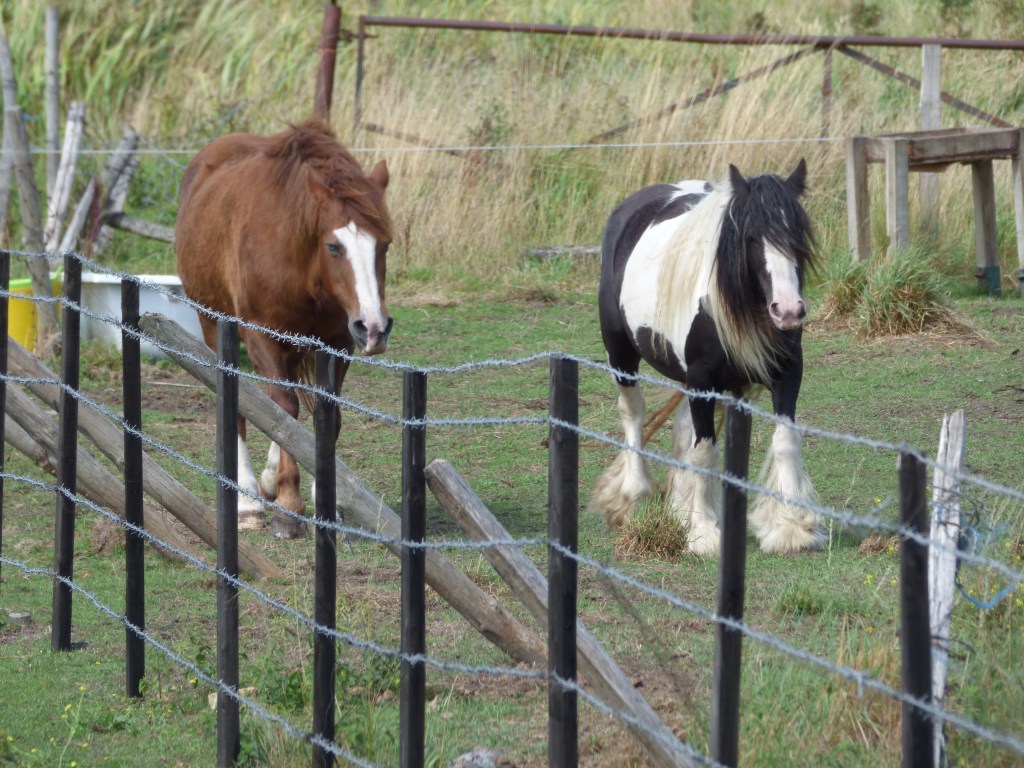
The walk back to Slade Green Station was lovely. Trees overhung almost forming a tunnel. It was a nice respite from the hot sun. On our left and right were fields with horses. Then the best find of the day. Over in one field where two horses roamed I could see what looked like a moat! I consulted the Thames Path Book which informed me that what we were looking at was indeed a moat. This is Howbury Moat, formerly part of a Manor which dates back to the 11th century when Odo, Bishop of Bayeux lived there. He was the half brother of William the Conqueror!
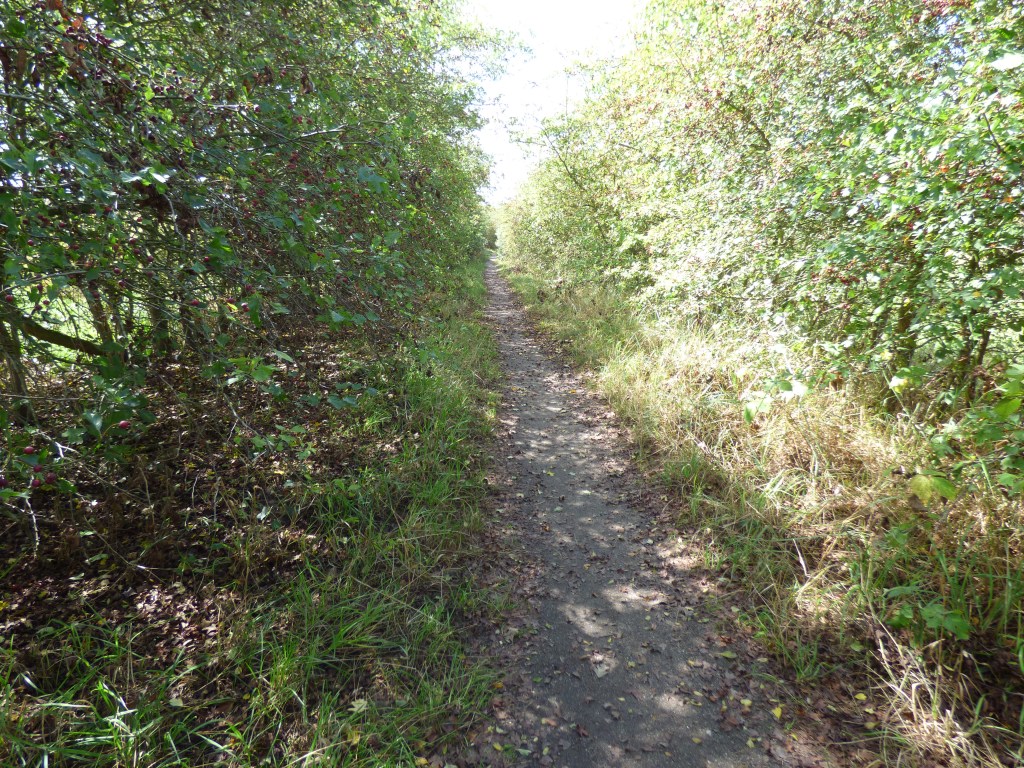
The path to Slade Green Station
Howbury Moat, mentioned in the Doomsday Book

From there it was just a short walk to the station and the train back into London. I have walked many stretches of the Thames Path over the last few years. Put together I’ve walked from Staines (Middlesex), through the whole of London to where the Thames path ends at Crayford Ness. This section was perhaps the shortest part I’ve walked, but it was lovely all the same.
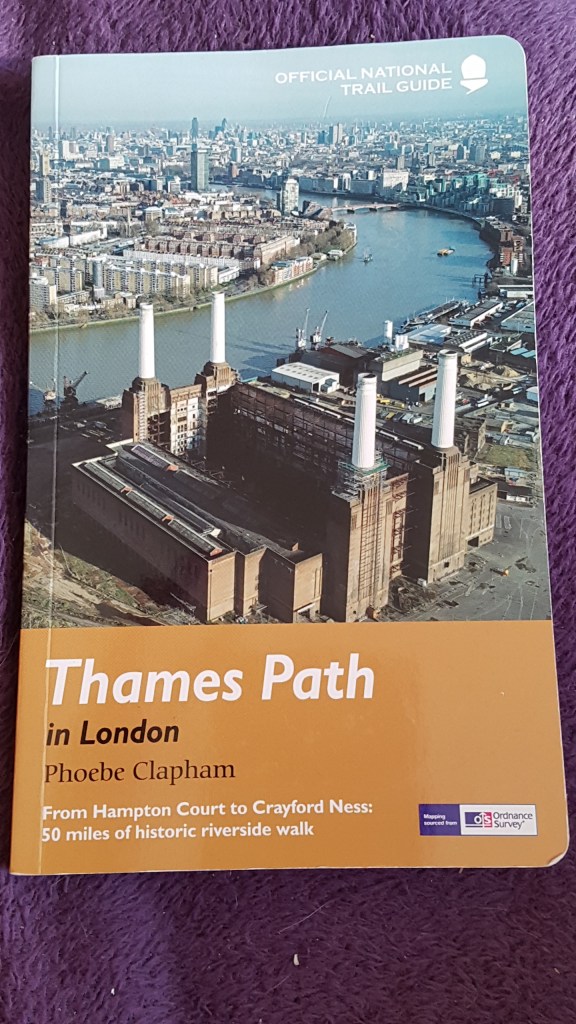
This excellent guide has travelled with me on the routes. This one I have now completed and have edged into the the one from the source to Hamtopton Court!

If you want more river walks I have written about Gravesend (Thames Estury) on another blog : https://pieceoftheattraction.blogspot.com/2019/09/gravesendwhat-is-that-all-about.html

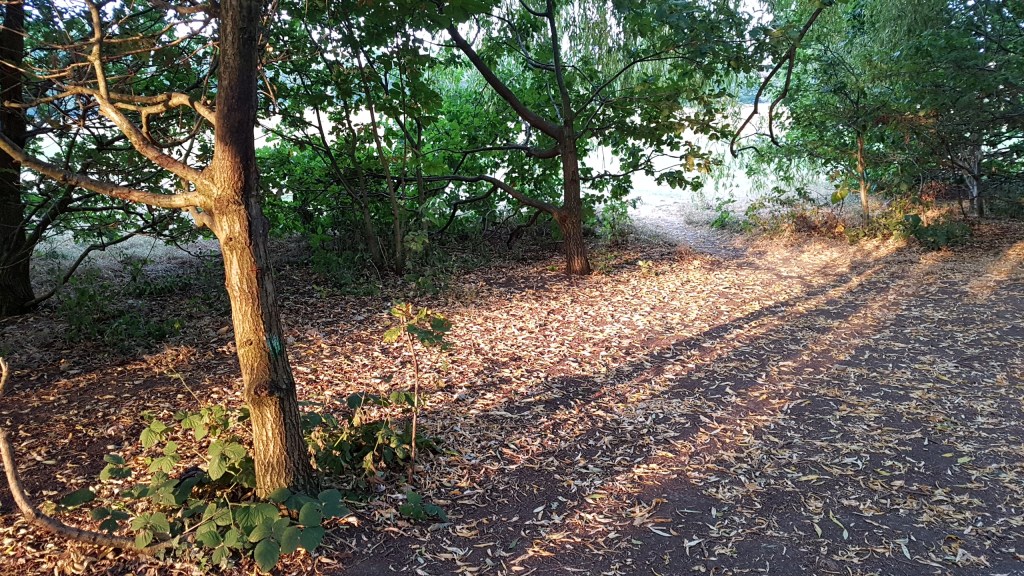
Heatwave

Morning has broken

Last week, with temperatures in the low to mid 30c’,s it wasn’t a time to go out walking or visiting places. The best hours were dawn to about 11am and then again from 6pm onwards. I could sit in the shade on patio until about 11.30am and then I’d have to retreat indoors. Everything – shopping, chores (what chores?) had to be done early morning or not at all. Functioning in that heat was draining.
So today I offer you a selection of photos taken last week, mainly in my garden, a bit like my week in pictures that I resorted to in early lockdown.

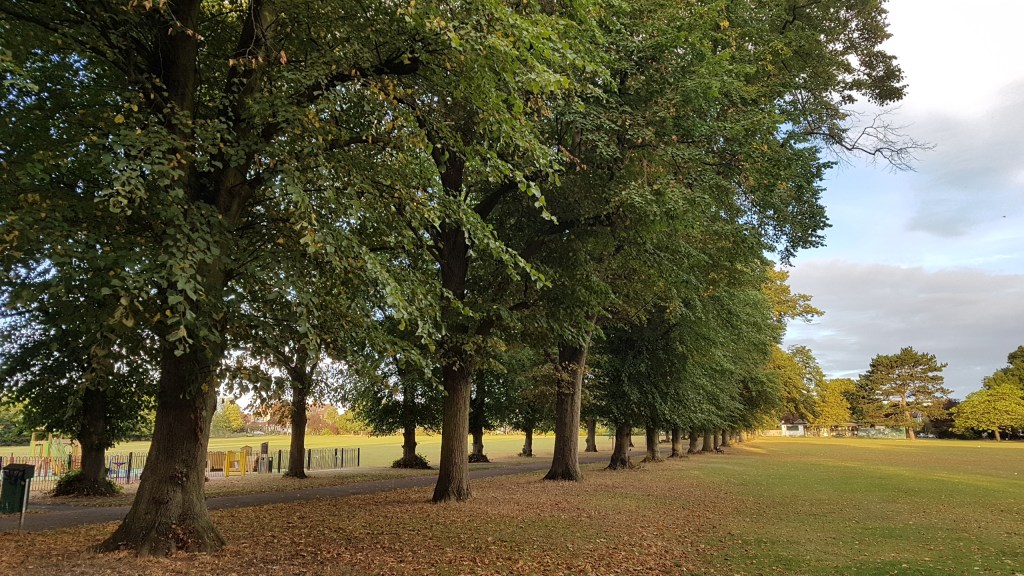
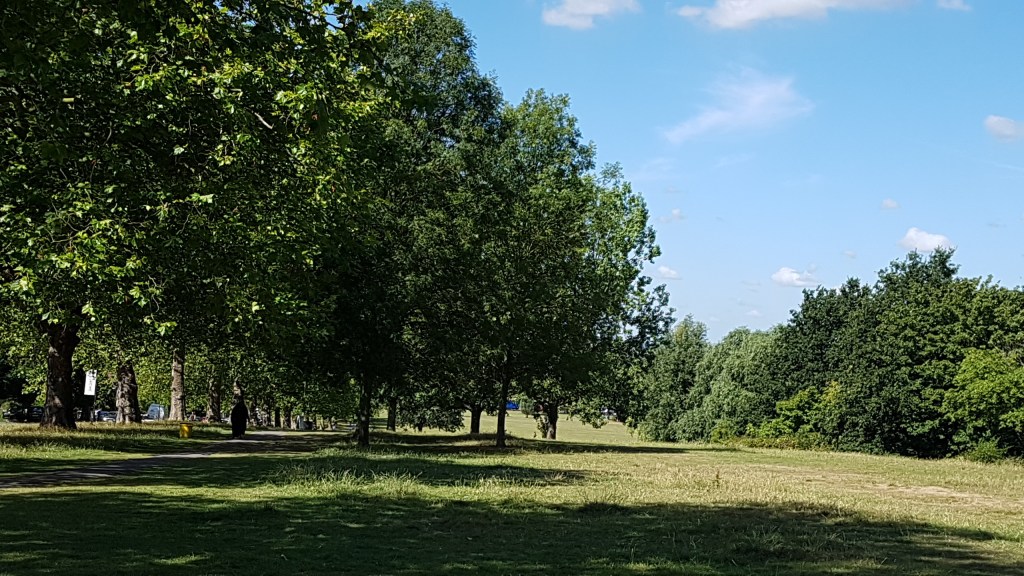
Early morning run in my local park
First sign of autumn?

Among the Trees – Hayward Gallery, Southbank, London

This was an exhibition I wanted to see, but ran out of time as lockdown hit. I was so thrilled to find it had re-opened and booked a ticket. I went last Thursday, just as the heatwave began. My aim was to get out of London as soon as possible afterwards!

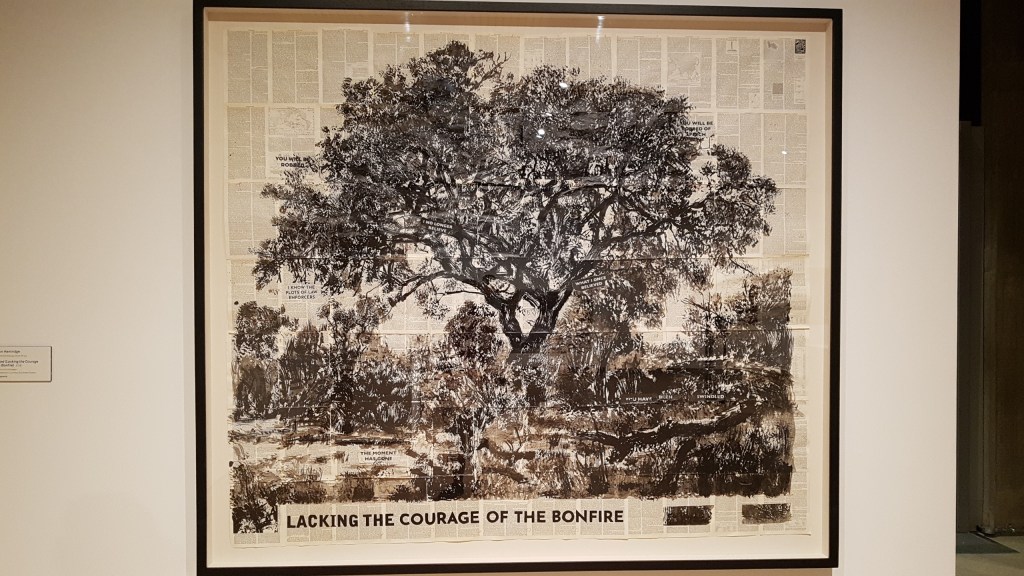
Ink on found paper

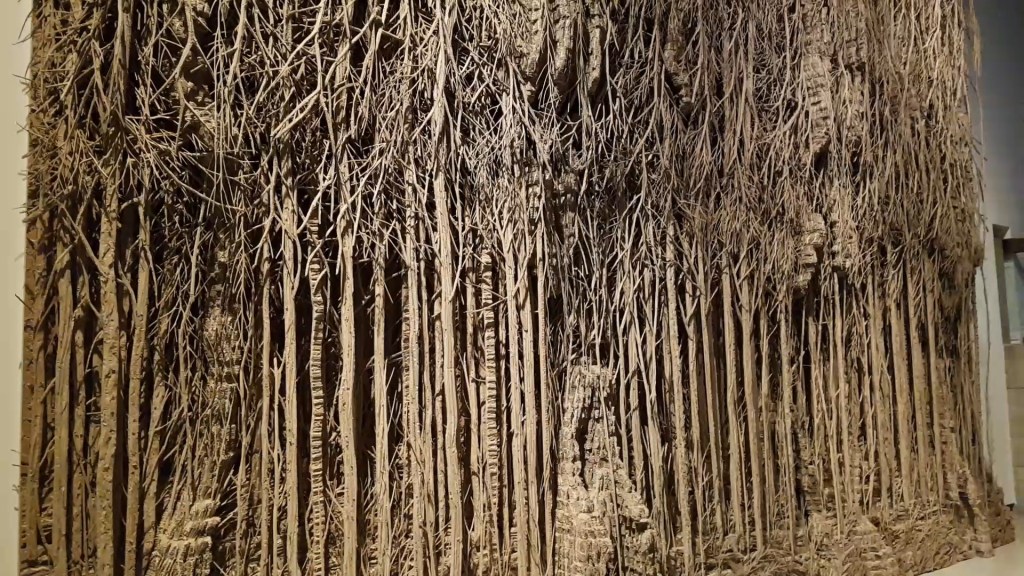
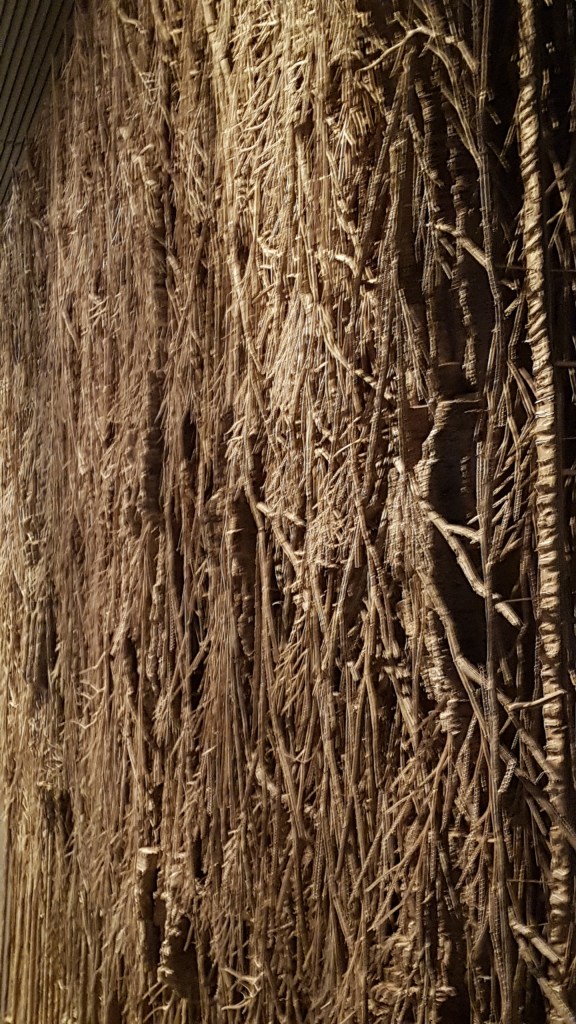
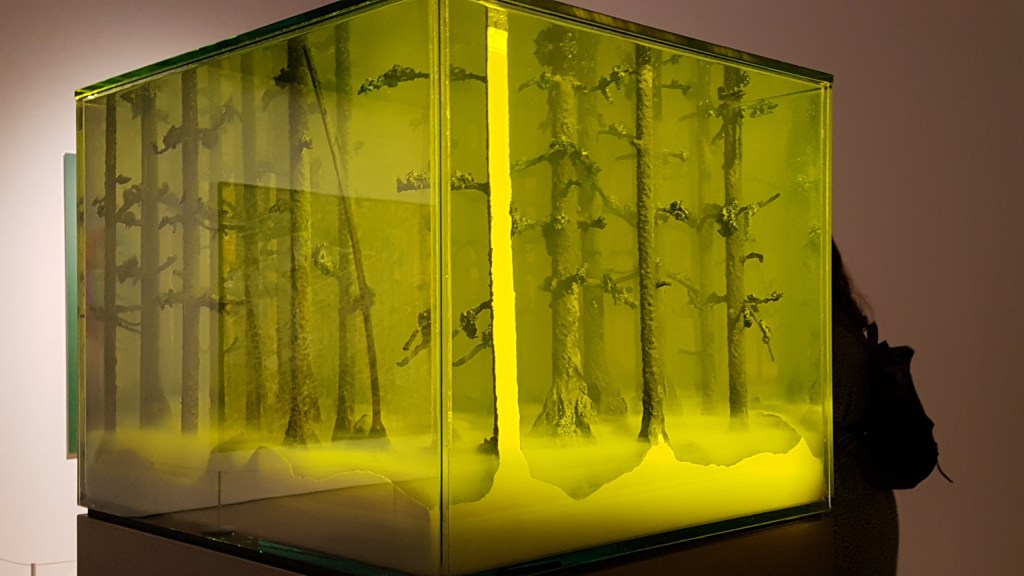
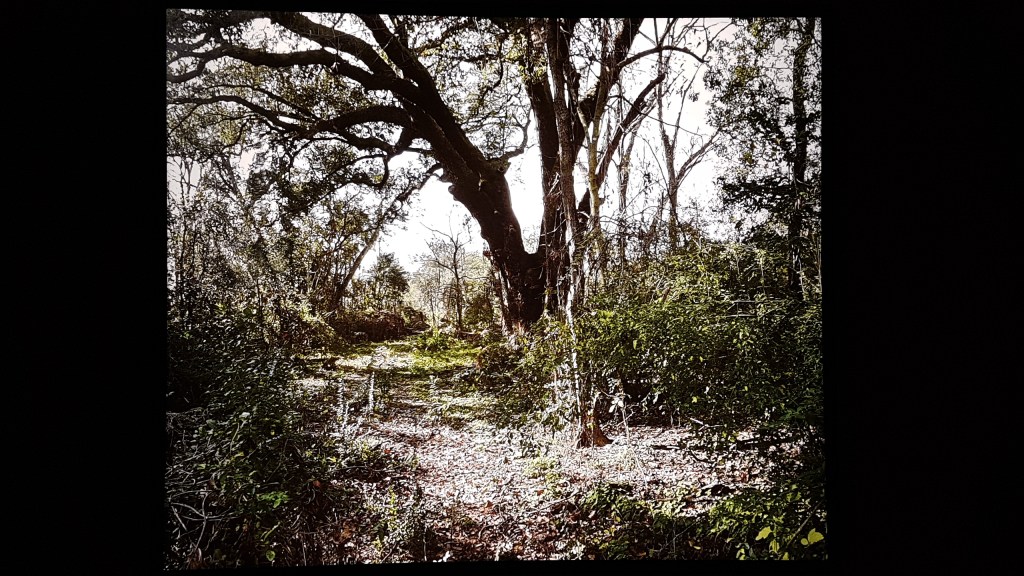
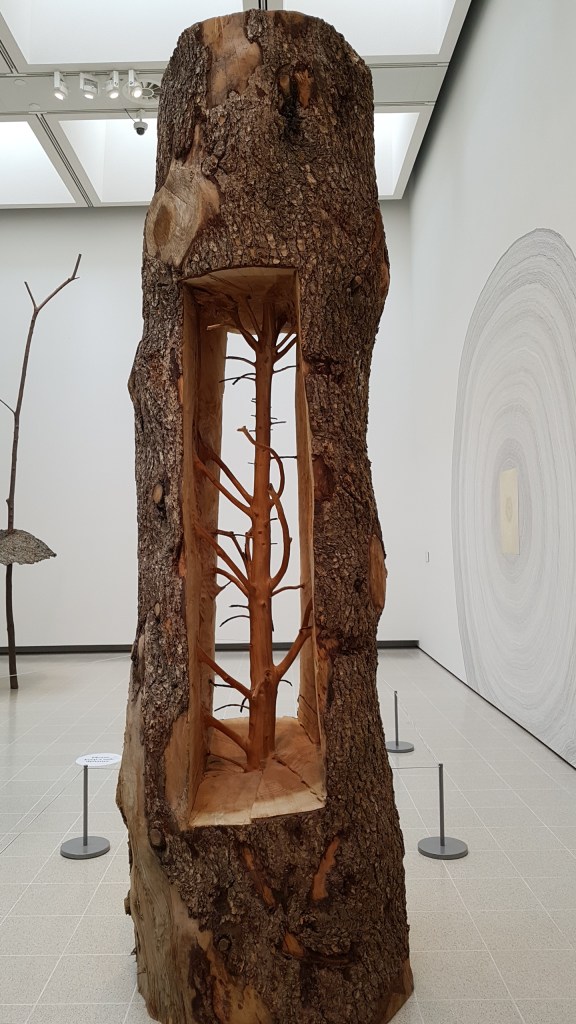
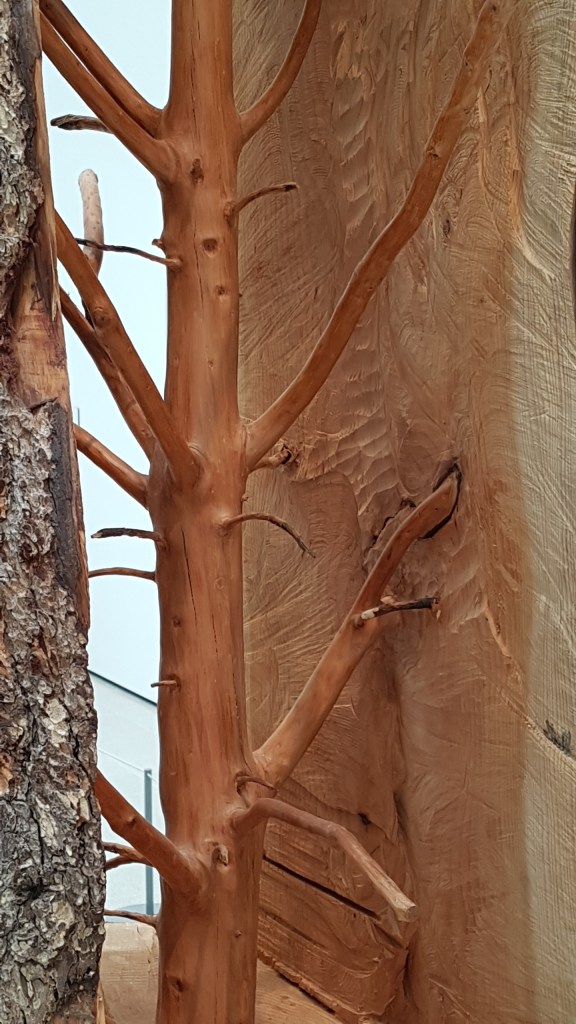
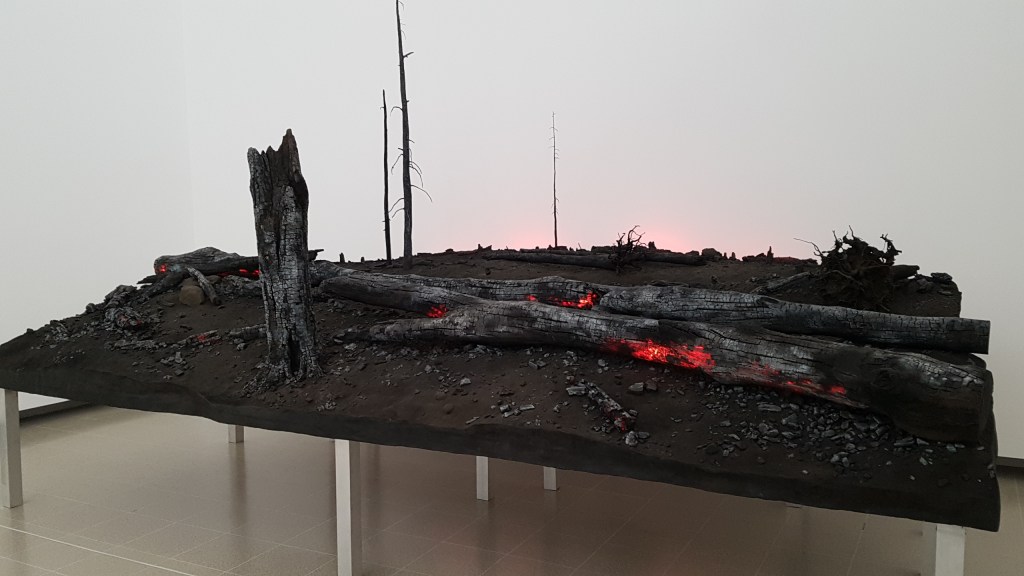
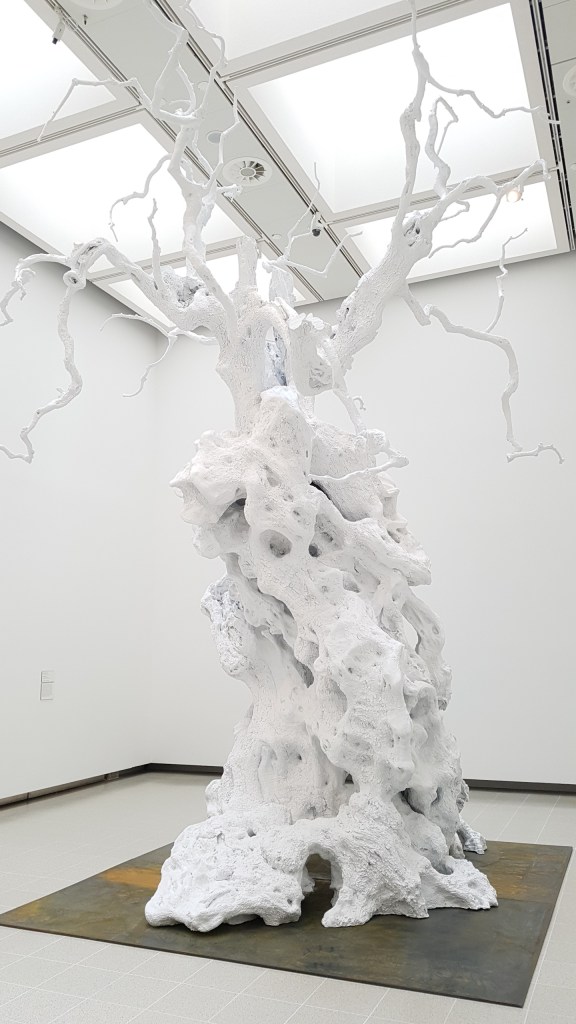
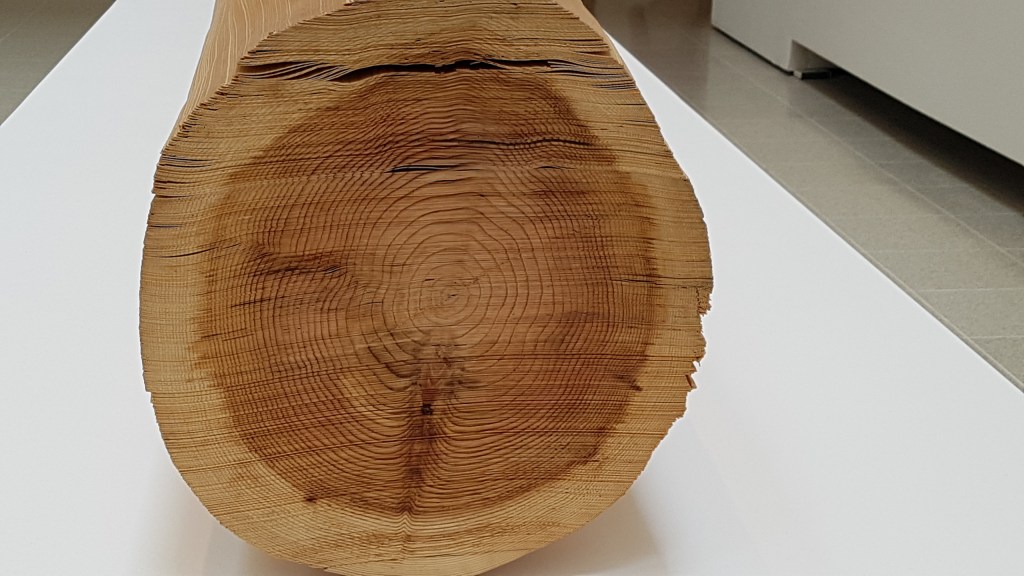
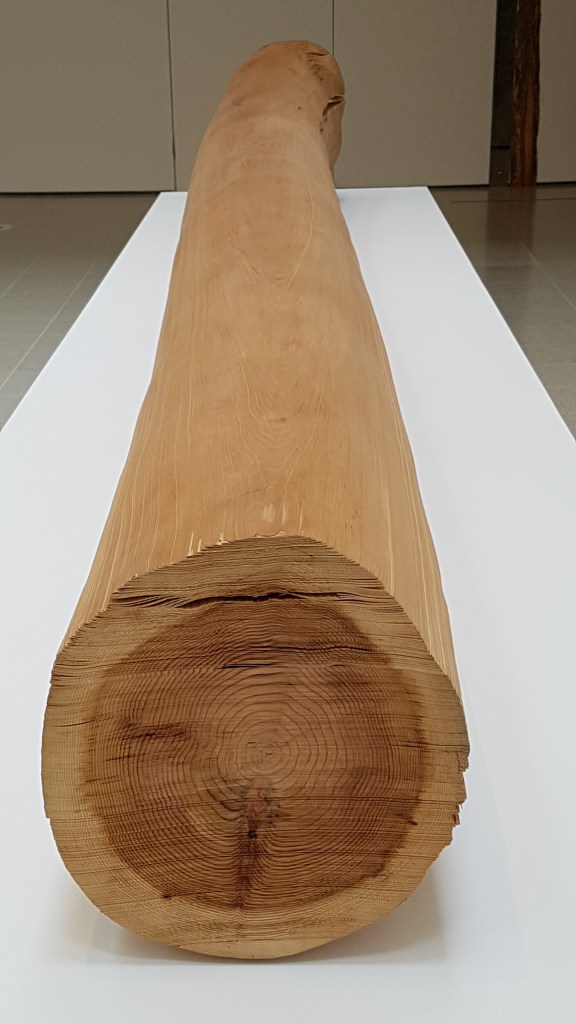
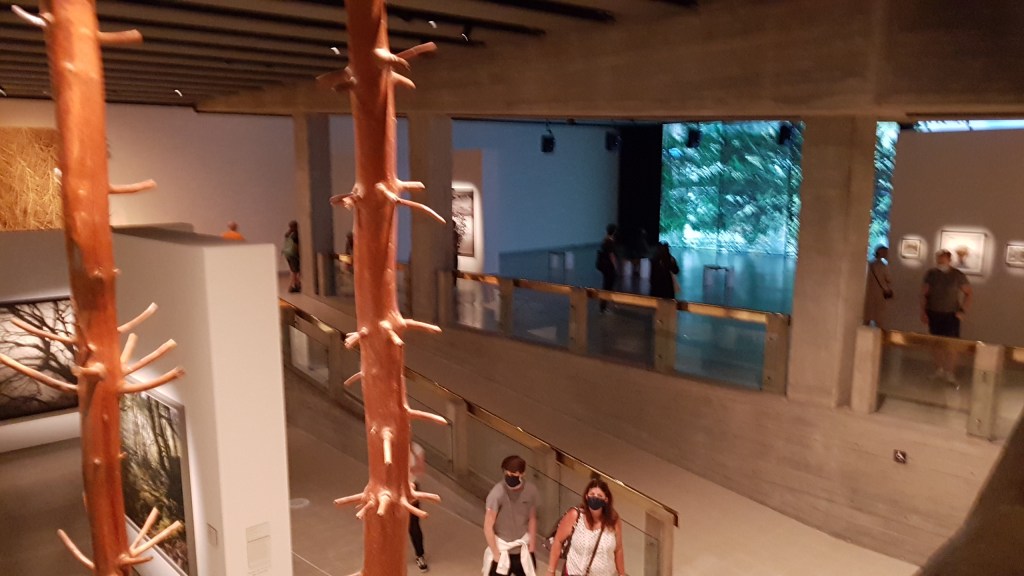
Among the Trees is a calming exhibition with a mix of photos, paintings, real wood, installations and multi-media. The gallery was well managed and it was not crowded. The experience was a good one. I particularly enjoyed the films – one is a horizontal full length tree with it branches swaying, with a person standing under it. The other is a three minute time lapse of a trees through the seasons. This was quite mesmerising. My other favourites were the wood and cardboard structure close to the entrance of the exhibition, a tank with trees (not real ones!), the log showing all the rings, the charcoal featured landscape, and the trunk of a tree where most of the middle has been scooped out but in the centre stands the tree as it would have been in its younger days. The branches correspond to the knotty parts on the outside of the bark.

Cardboard and wood
Detail
The Lynching Tree – where black slaves were hung (graves below). Photo – Steve McQueen (12 Years A Slave)

I had thought I’d skip through the gift shop. Hah! no way. There was a lot drool over and I came away with a book, some notelets and a bar of vegan soap!

detail
Charcoal landscape

The heatwave in London is finally breaking. We’ve had six days of temperatures over 30c, with several at 34c and 36c. With these high temperatures I have to admit that I’ve not been out on my travels for a week. If I don’t get thngs done in the early morning, nothing gets done! The house is like an oven by lunchtime and there is nowhere cool here until 6pm, when I venture into the garden. There are storms in the forecast and there was rain this morning. Hopefully, by next week I will be able to face the transport system again and get back to my exploring.

View of the gallery

High Elms Country Park, Farnborough, Kent

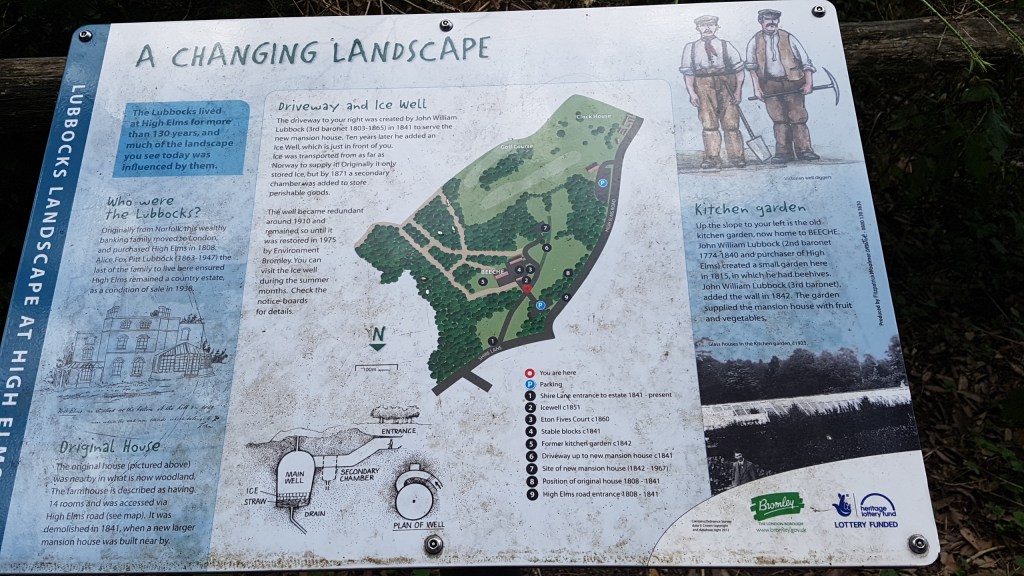
You might be forgiven for thinking that the extensive woodlands and golf course are deep into the Kent countryside, but High Elms is actually in the outer London Borough of Bromley. There is a cafe and visitor centre, along with ruins of High Elm House. The house was lived in by the Lubbock family. Sir John Lubbock (astronomer and banker) inherited the land from his father (John Wiliam Lubbock, a London banker and MP) and built the house in 1840. Sir John’s son (also called John) invited Charles Darwin to visit shortly after Darwin moved into Downe House (just a carriage drive away) in 1842. The two became firm friends. Another visitor was William Gladstone.

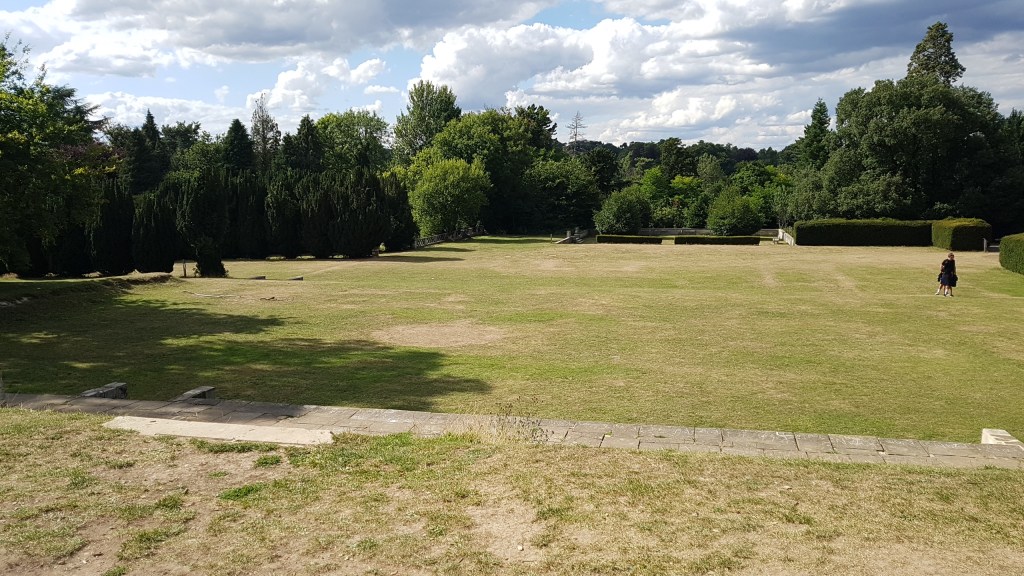
The former tennis courts

The estate can be traced back to the time of William the Conqueror, who gifted it to his half-brother, Odo, bishop of Bayeux.

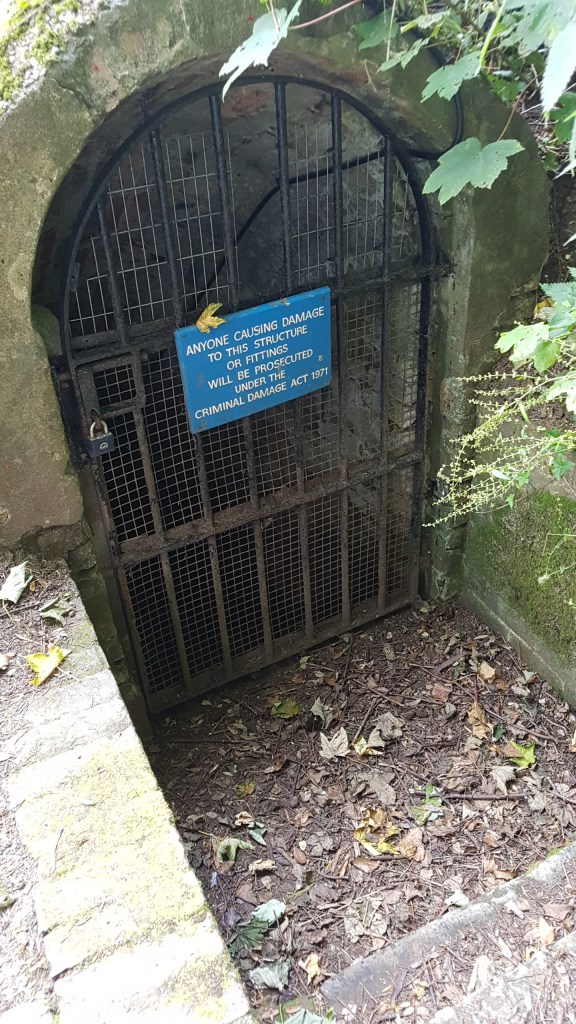
What is left of the house, which burnt down in the 1960’s , is just a layout, a few stones, the tennis courts ( now grassed over), an ice house, but the gardens and land remain. There are several pleasant walks and High Elms seems to be a popular spot for families and dog walkers.

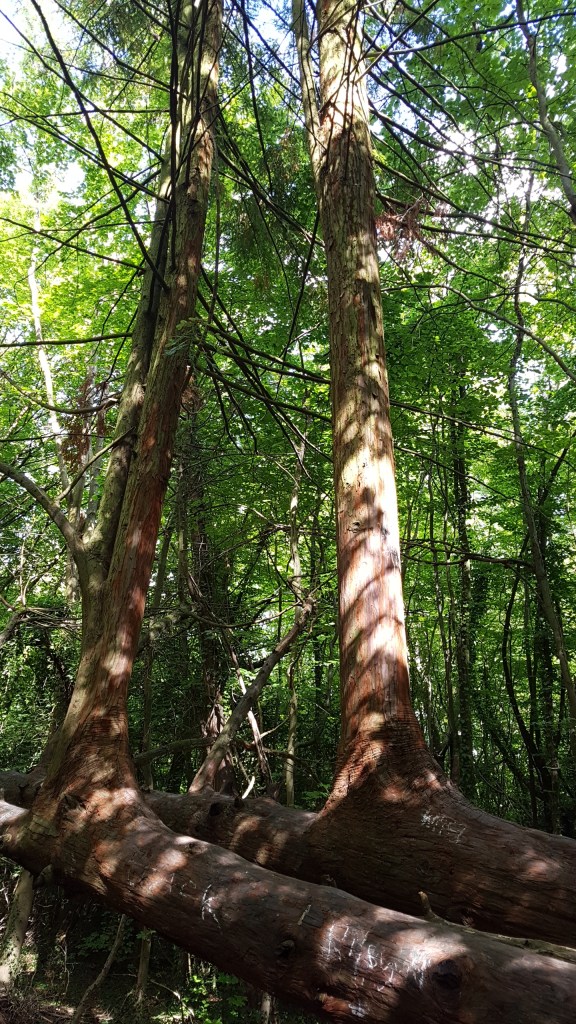
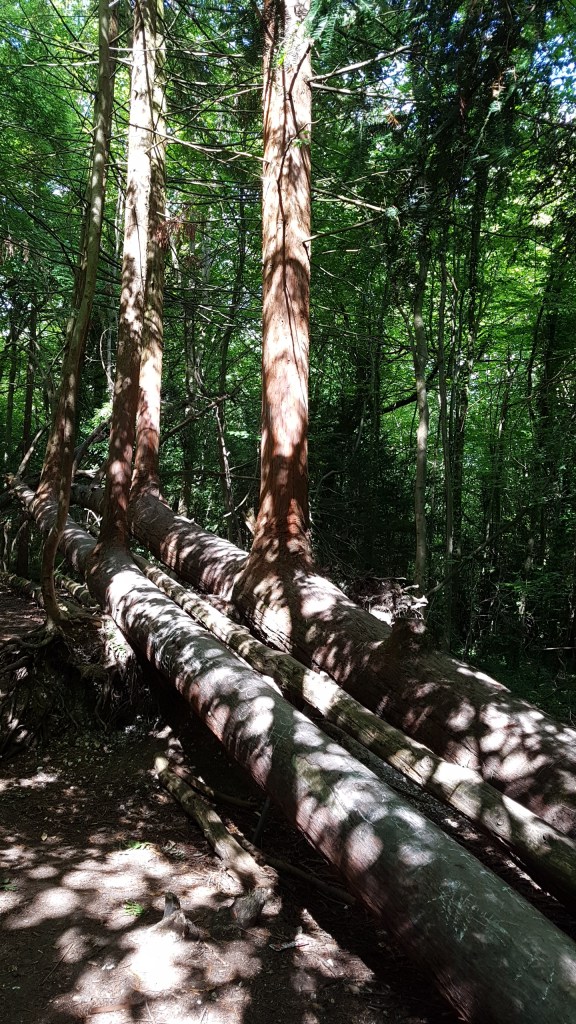
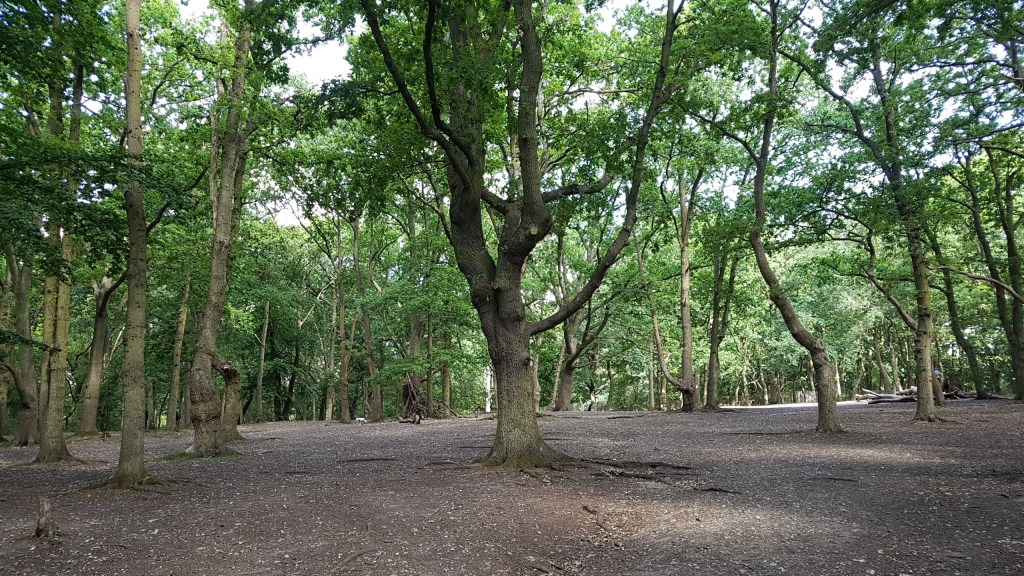
High Elms Country Park made for a pleasant afternoon’s walking in dappled light, and the surprise of finding the unusual sight of a fallen tree whose branches have grown into trees themselves (see photos).

There is a lot more about High Elms here, including how to get there and a nature trail that can be downloaded and printed to use on your visit.

Out of the old comes new life
New trees growing out of the fallen tree
Looking down on to the house layout
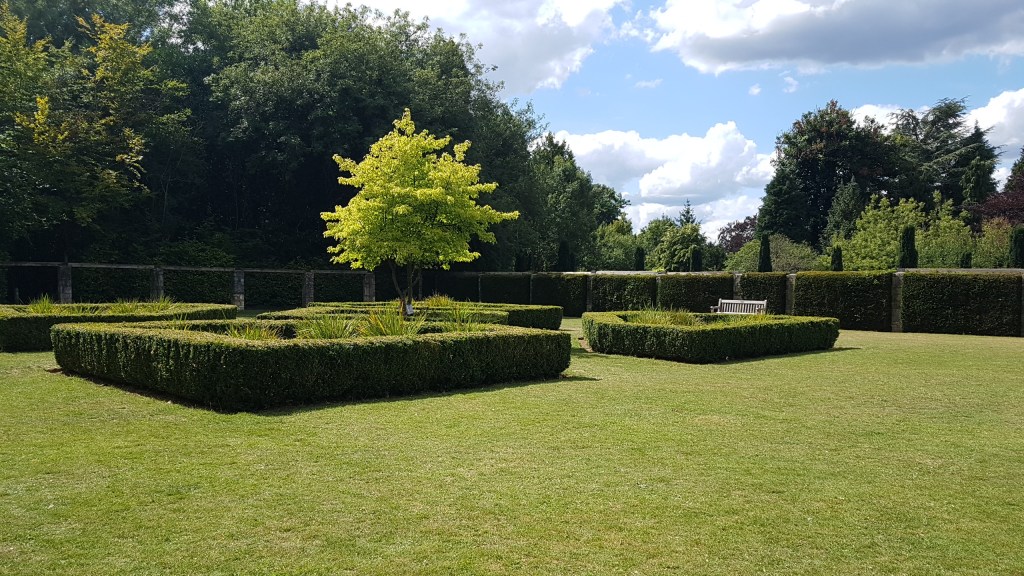
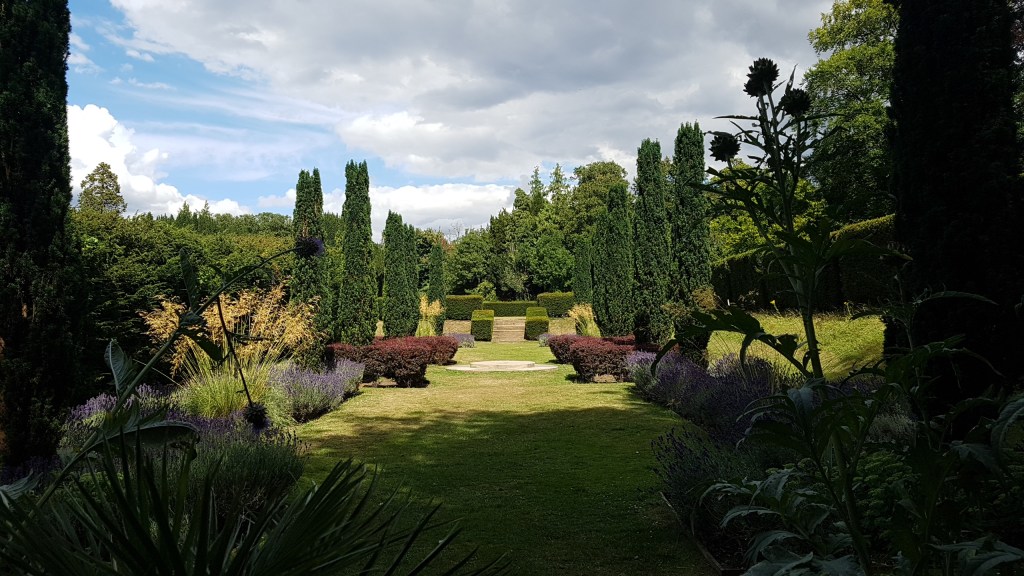
The gardens
Entrance to the Ice House

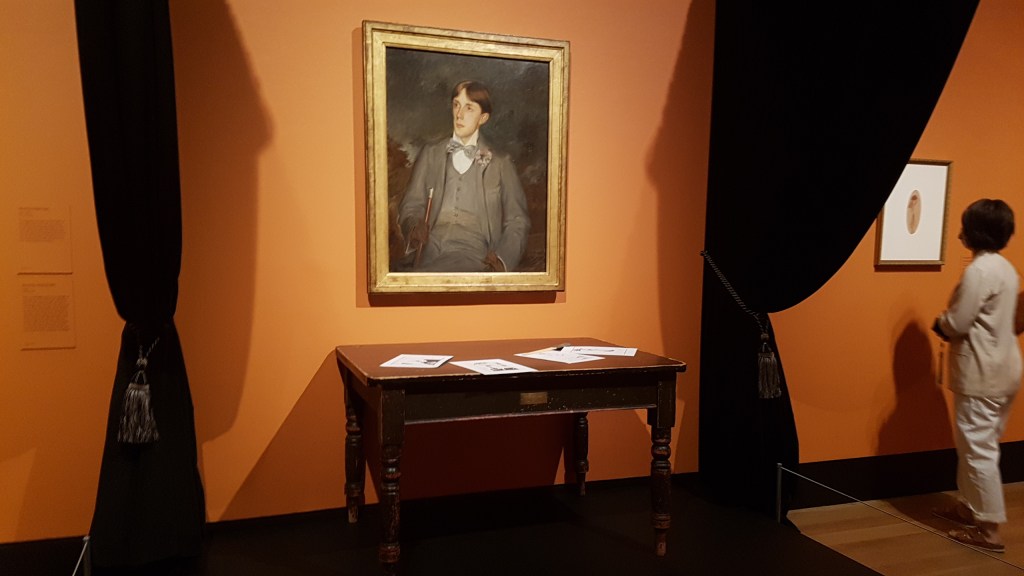
Aubrey Beardsley at Tate Britain

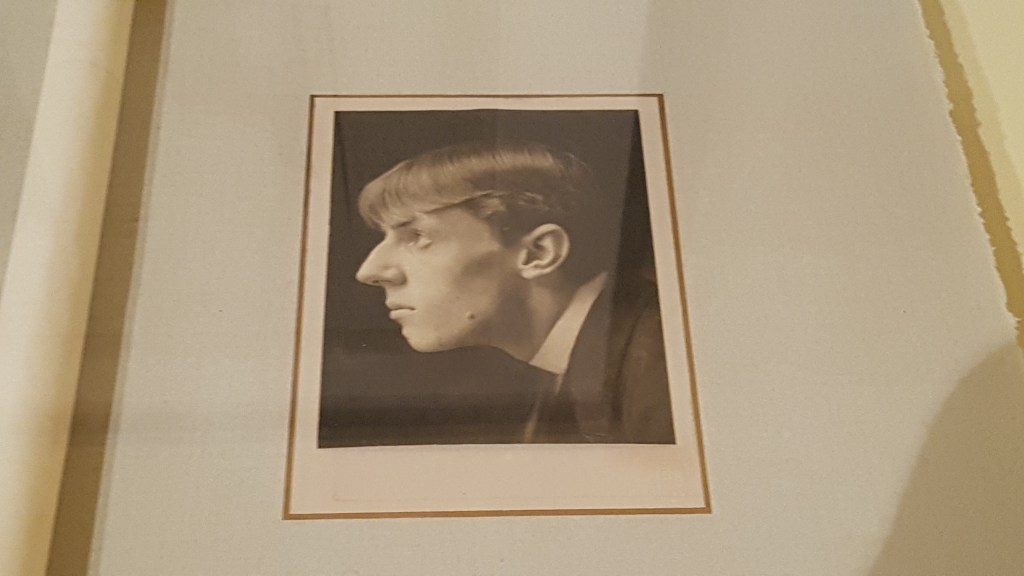
Aubrey Beardsley

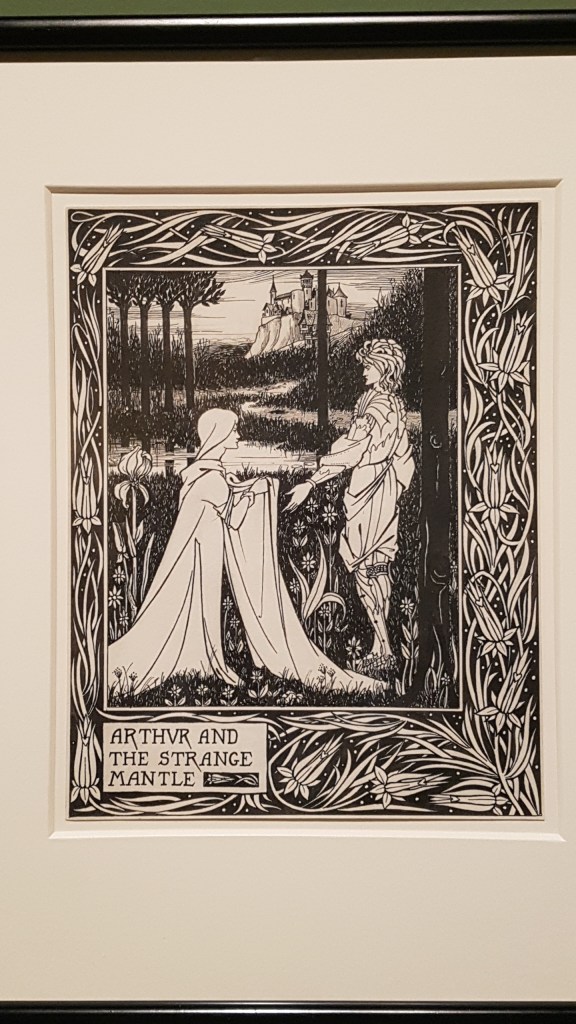
Aubrey Beardlsey was born on 21st August 1872 in Brighton. He was an illustrator and author, highly prolific in his short life. He contracted TB as a child and knew his time was short. He died at the age of just 25 in France, leaving behind an amazing array of artwork.

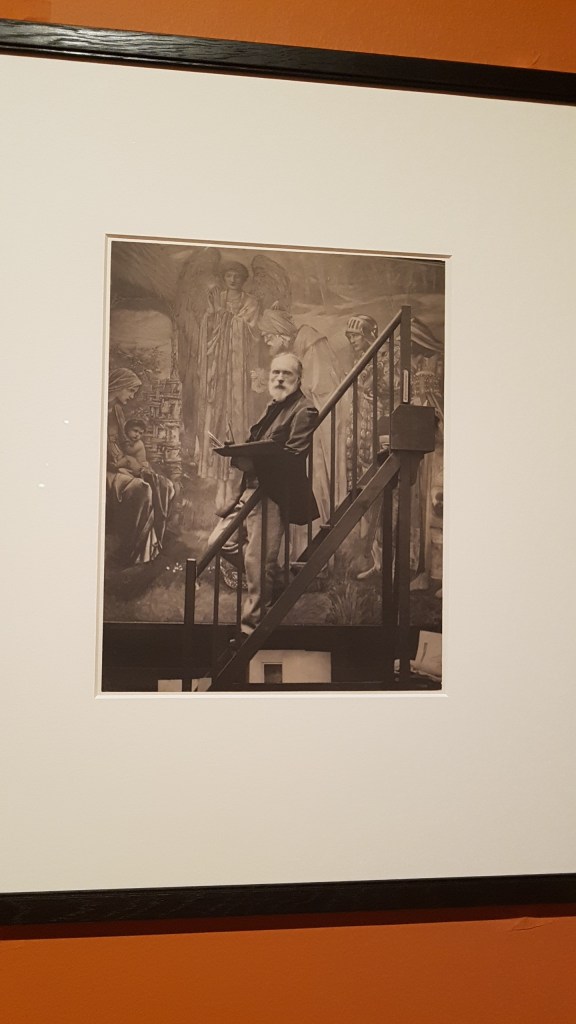
Edward Burne-Jones (in his studio) much influenced Bearsdley

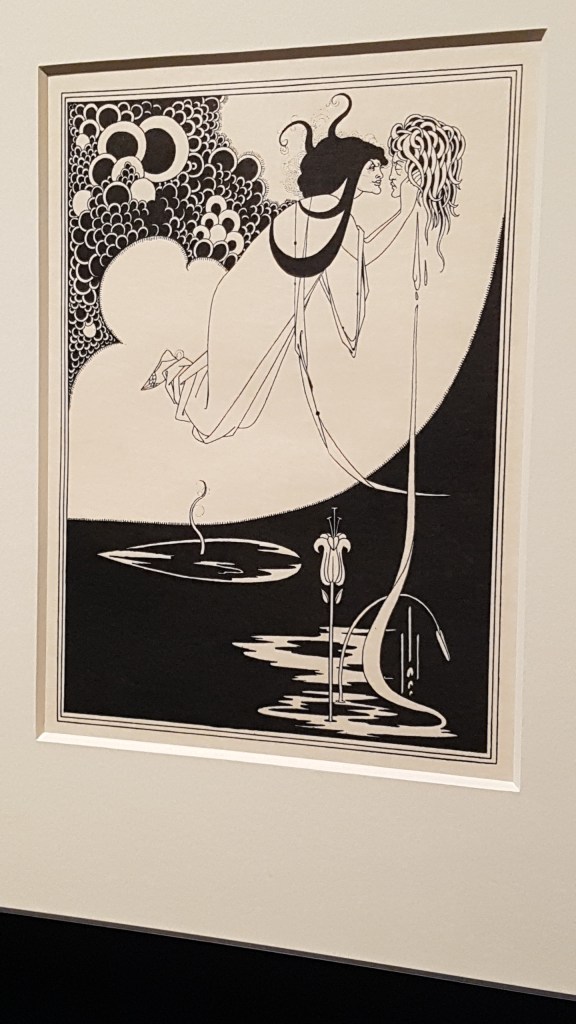
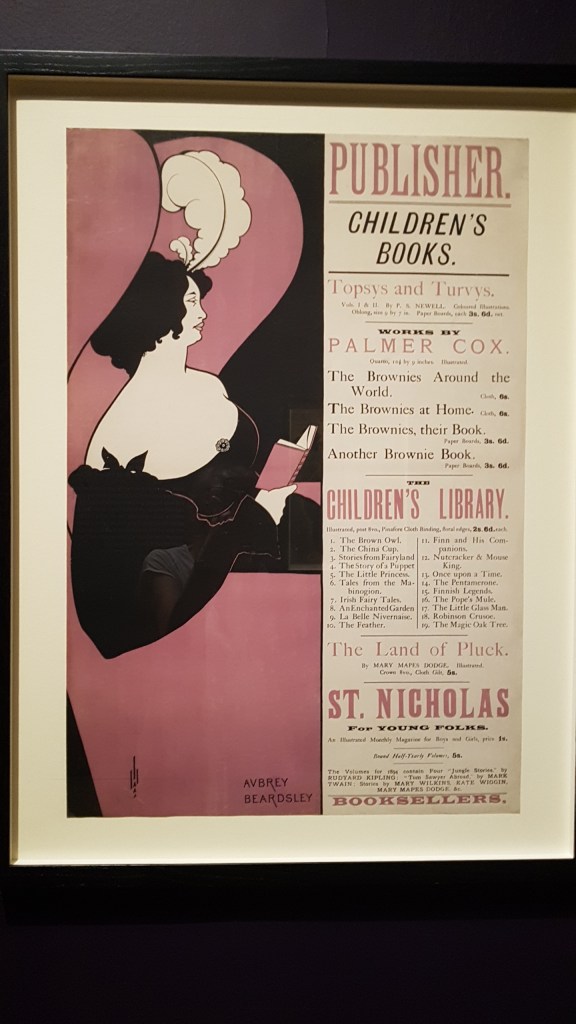
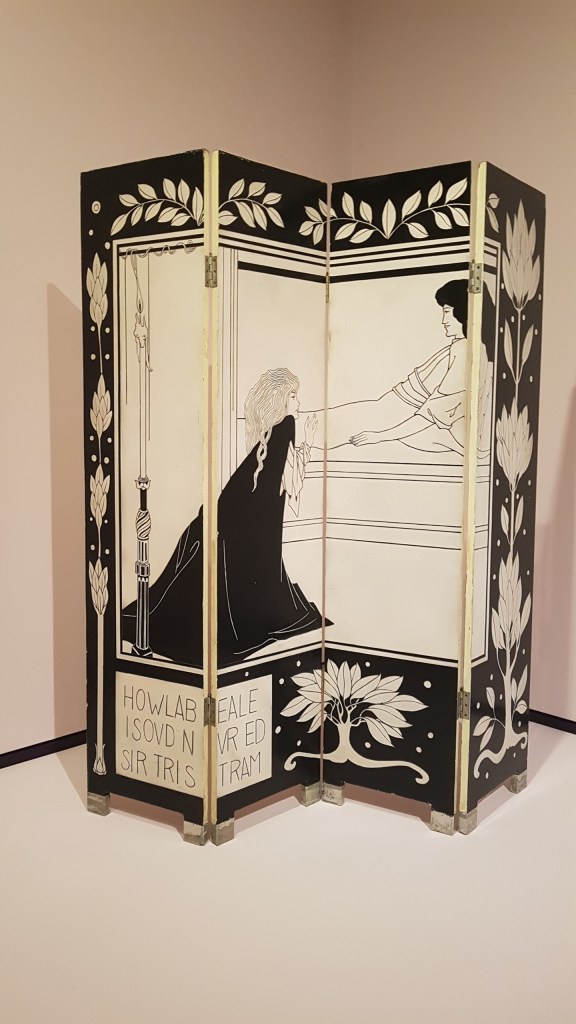
Bearsley was part of the aesthetic movement which included Oscar Wilde and was influenced by the pre-Raphaelite artist Edward Burne-Jones, whom he met. He was a controversial figure of the art-nouveau era with his dark, perverse and erotic drawings in pen and ink. He illustrated many books (Le Morte d’Arthur, The Rape of Lock and Wilde’s Salome) and posters. Having been sacked from one publication he started his own, The Yellow Book.

I first came across Bearsley when I was in my twenties and I ventured into drawing with ink. A friend showed me her own drawings and I loved the medium. I borrowed a book about Bearsdsey from the library and copied a few of his drawings, along with some Japanese ink drawings (which also influenced Beardsley). Many years later I attended a stunning exhibition of his work and bought the exhibition guide.

One of my favourite pieces

This exhibition closed as lockdown came and I wasn’t sure whether it would ever open again, but it did, and I went along last week. Many of the illustrations I had seen before, but I’d forgotten just how prolific his work was. I guess if you know your life is going to be short, you go for it!

One of Beardsley’s posters

My only grump about the exhibition was the number of people. I did not feel comfortable being in such close proximity to others. People were queuing to see prints, with people spending a long time in front of one, and that caused the room to overfil. There seemed to be no social distancing and no gallery staff in rooms. The only thing managed was the numbers entering the exhibition when we were told the first room was smaller and may seem more crowded. This was a far cry from the Royal Academy where I’d been a couple of weeks earlier. The Tate had only opened that week, so maybe things will improve, but as things were, it spoilt my day and I didn’t spend as long inside as might have otherwise. If there were reduced numbers it didn’t feel like it. It felt like a normal exhibition.

Portrait of Beardlsey over his drawing desk

Thankfully, I have seen most of the art work before, and I had a reduced ticket. If I’d paid full price I wouldn’t have been happy ayt all. I was glad to get outside again and didn’t even visit the shop!

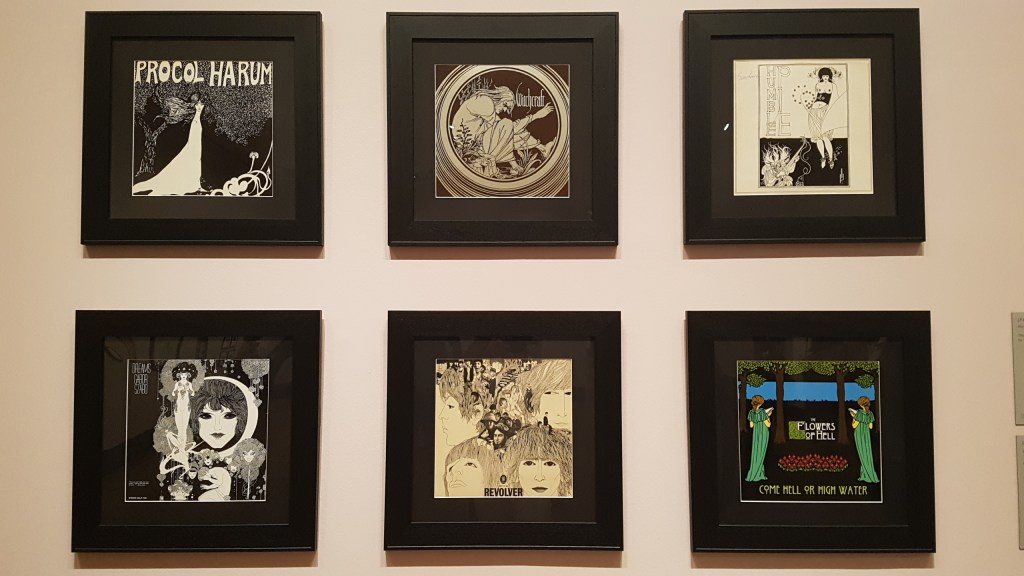
Beardsley influenced many to come – here are some LP covers

A day out of London

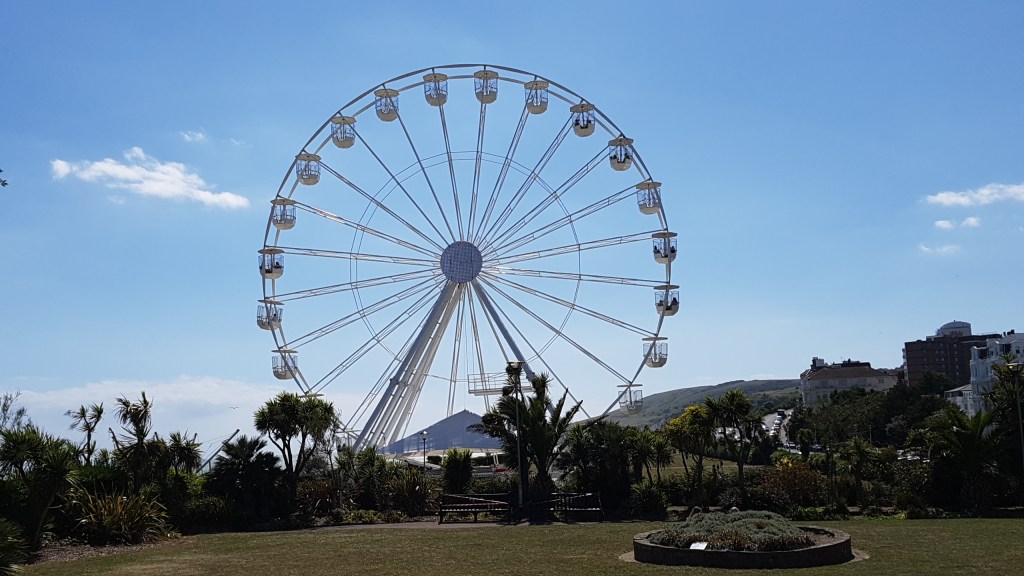
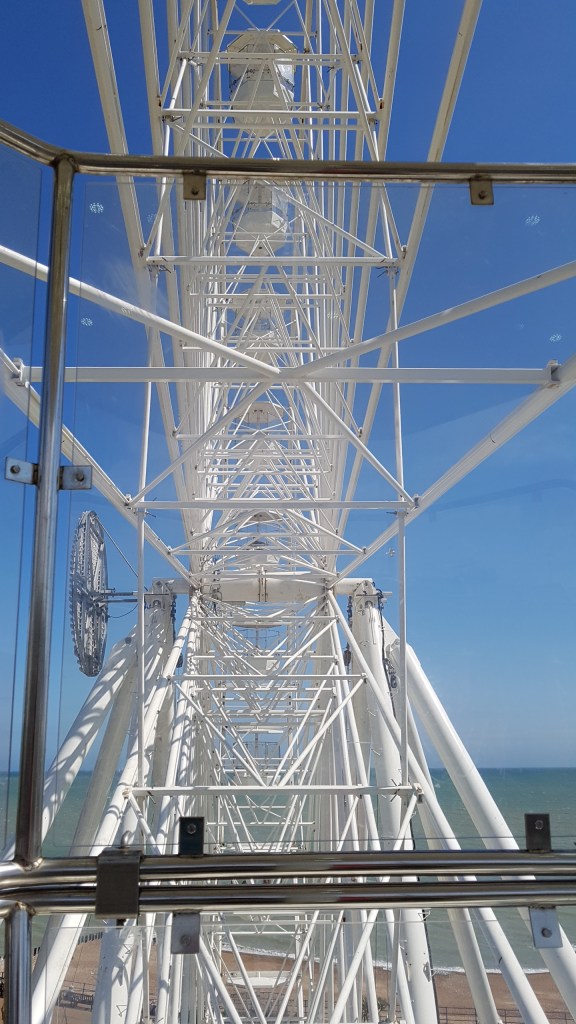
The big wheel, Eastbourne, Sussex

On Tuesday I visited my brother who lives a few miles inland from Eastbourne. I was a little worried about how busy the train would be, but it was quiet. It was my brother’s birthday. He’d have been on his own and I felt it important to be there. I remember how much of damp squib my birthday was while we were deep in lockdown.

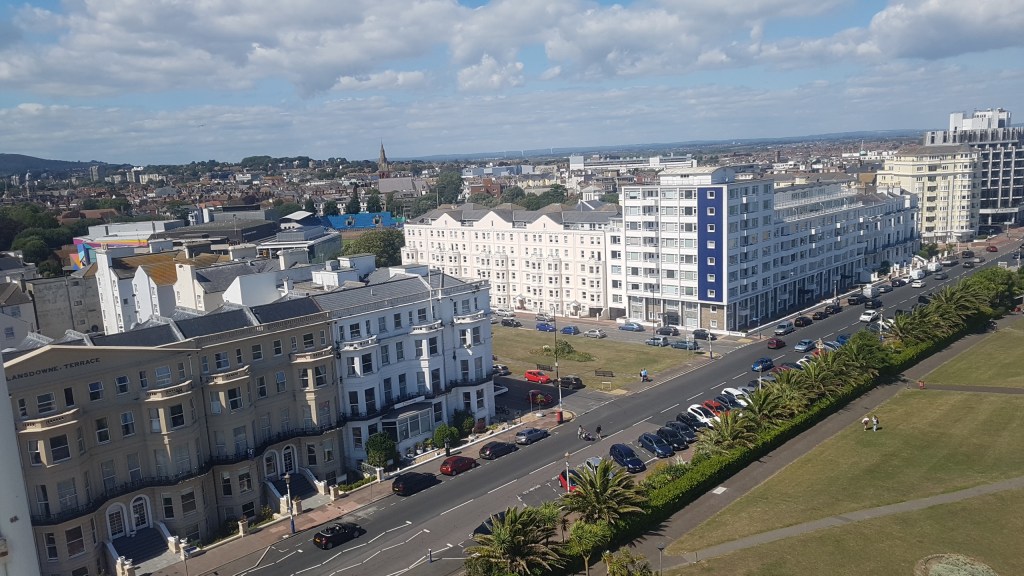
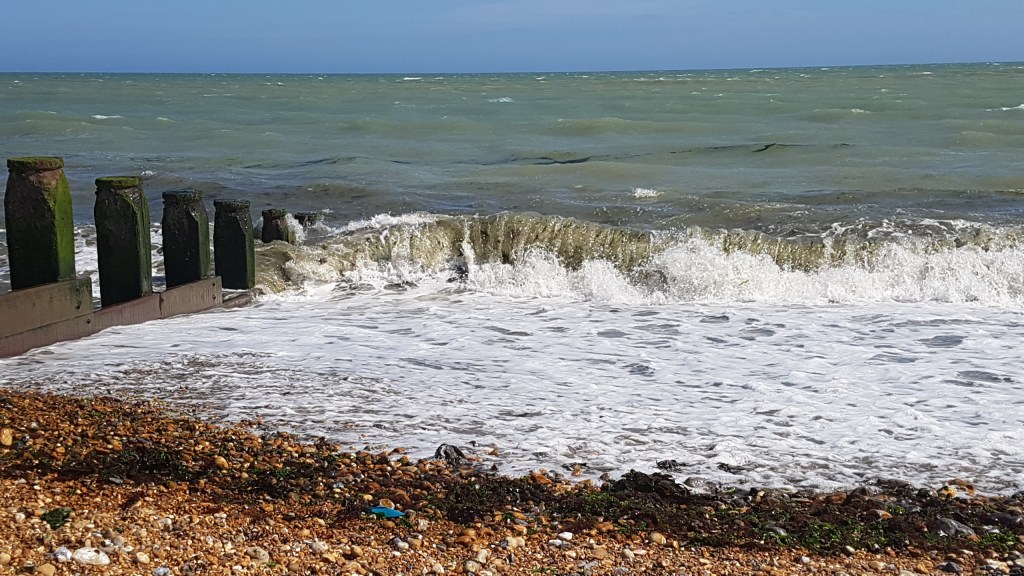
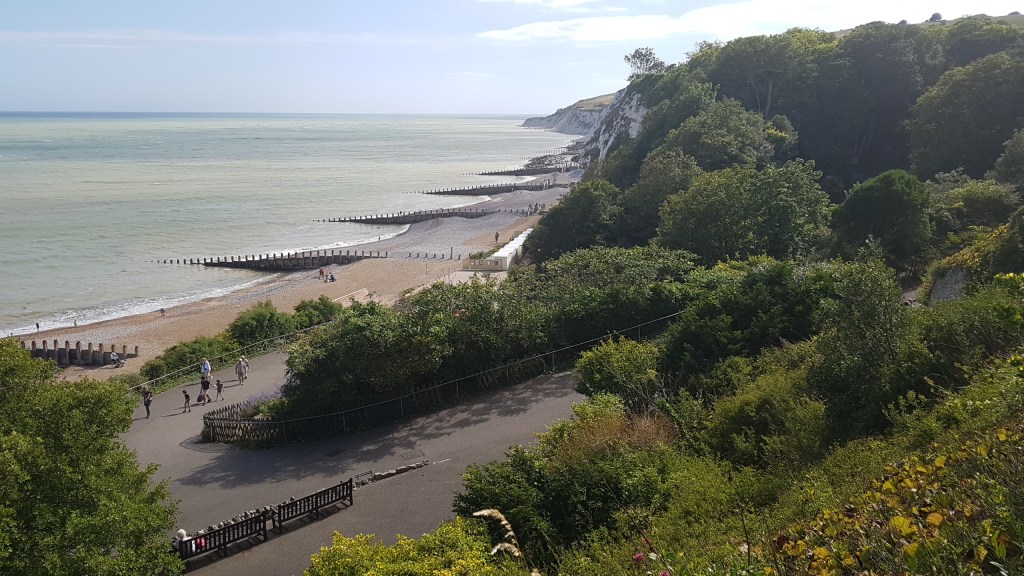
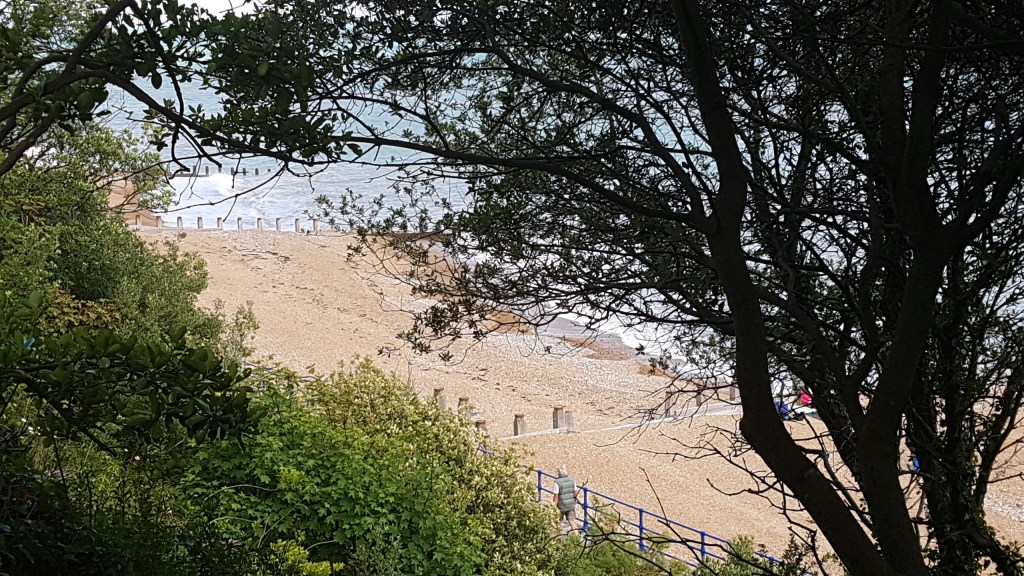
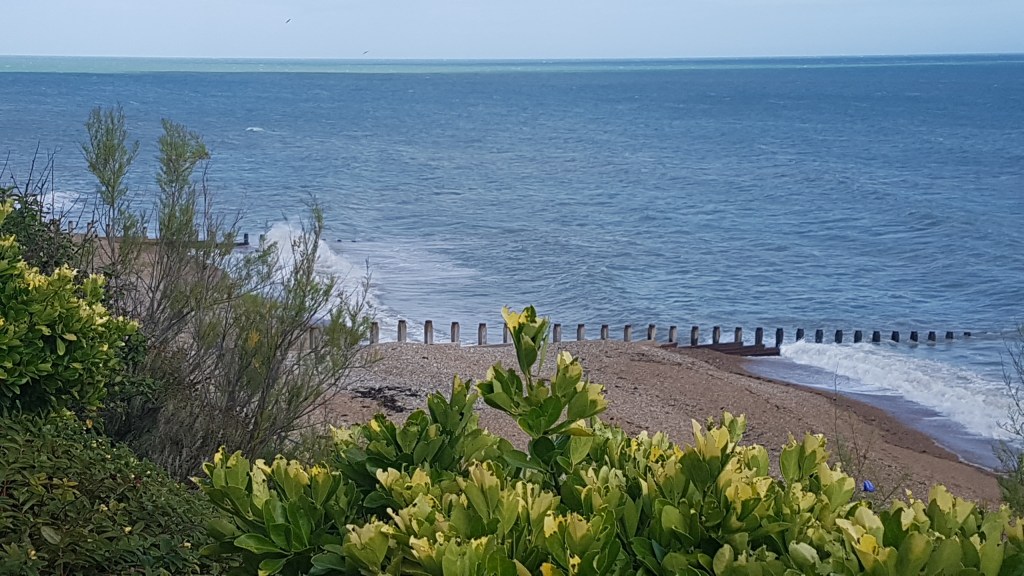
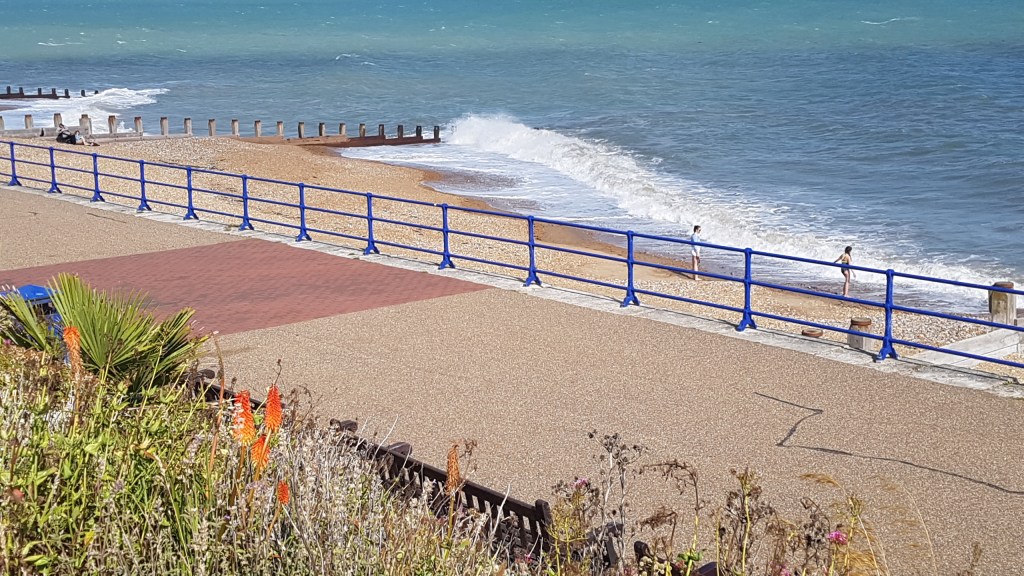
After lunch at my brother’s house we went into Eastbourne. There is something to be said for a seaside town not swamped by people like in Brighton. I guess people still associate Eastbourne with the older generation (which of course my brother and I are), but I’ve always loved the place. I felt quite safe, and we even took a stroll on the beach so I could get some close up photos and take a video.

At present Eastbourne has a big wheel, which I believe is staying now until the end of August. I treated us to a ride on it. That was great fun and really made the day. We wandered along the seafront, had a cuppa, and just enjoyed the sunshine. It was a beautiful day, so wonderful to be by the seaside again. This was the best day out this year.

Near the Holywell Cafe

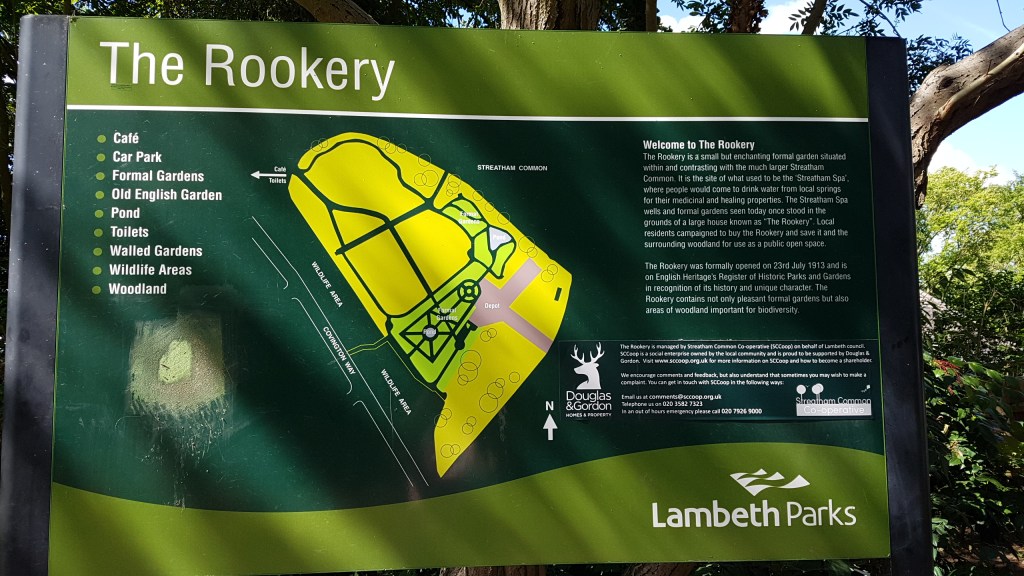
Streatham Common/The Rookery

Streatham Common

I only found out about The Rookery recently through an article I found on Facebook. It was time to check it out in person.

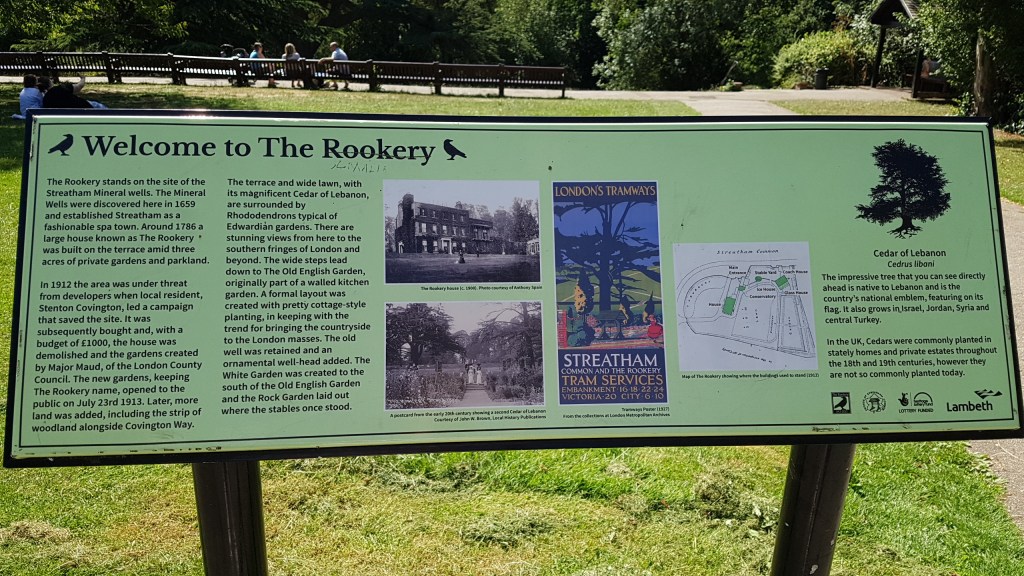
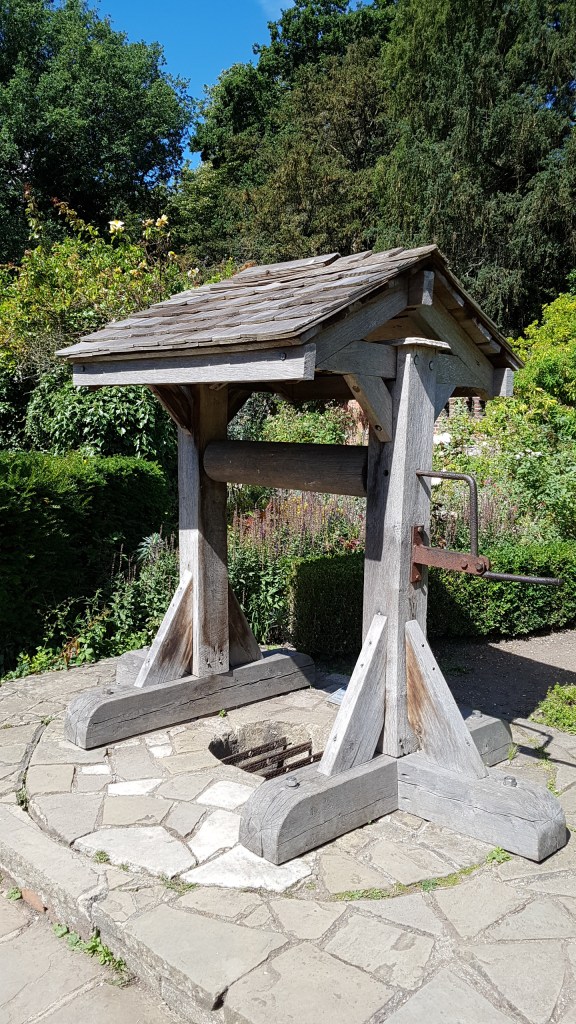
Nestled to the back and to the side of Streatham Common, The Rookery is a maze of gardens and new delights. Originally built as a Spa, there is a modern well to mark the spot. Created in 1659, the house and gardens were laid out on a site orignally known as Well House. Unfortunately, the spa waters were found not to be beneficial due to the clay soil.

Site of the Spa well
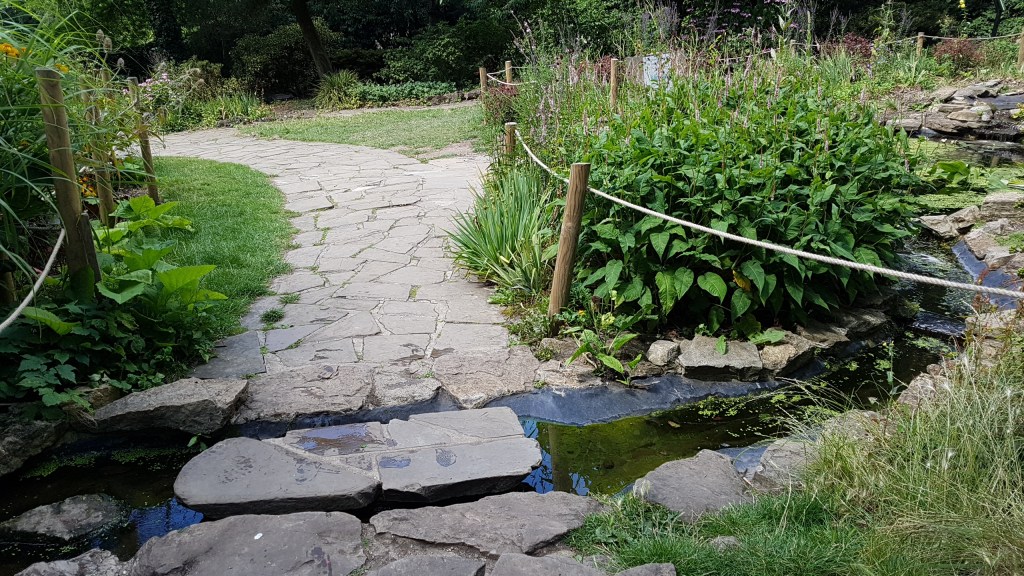
Stepping stones

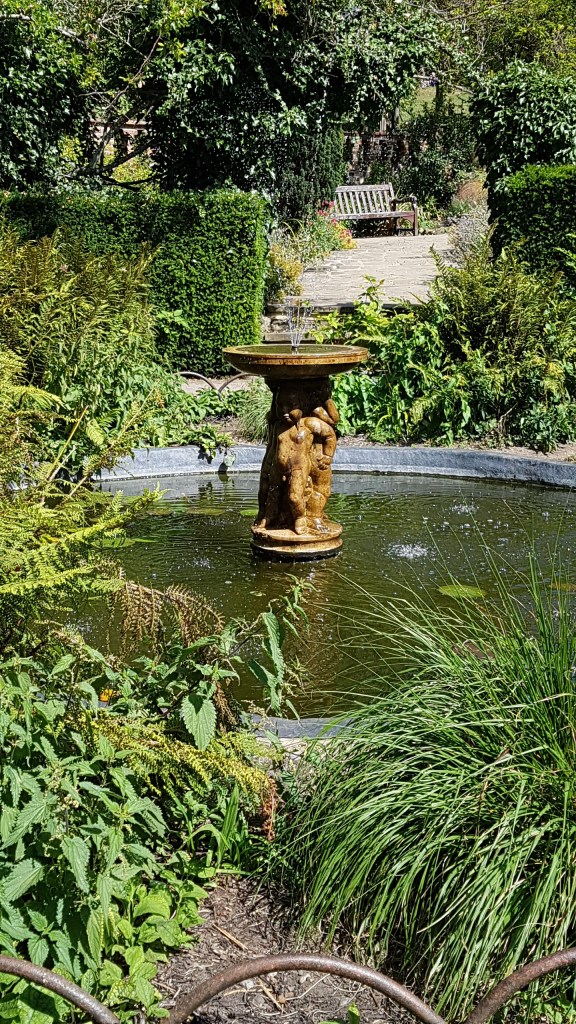
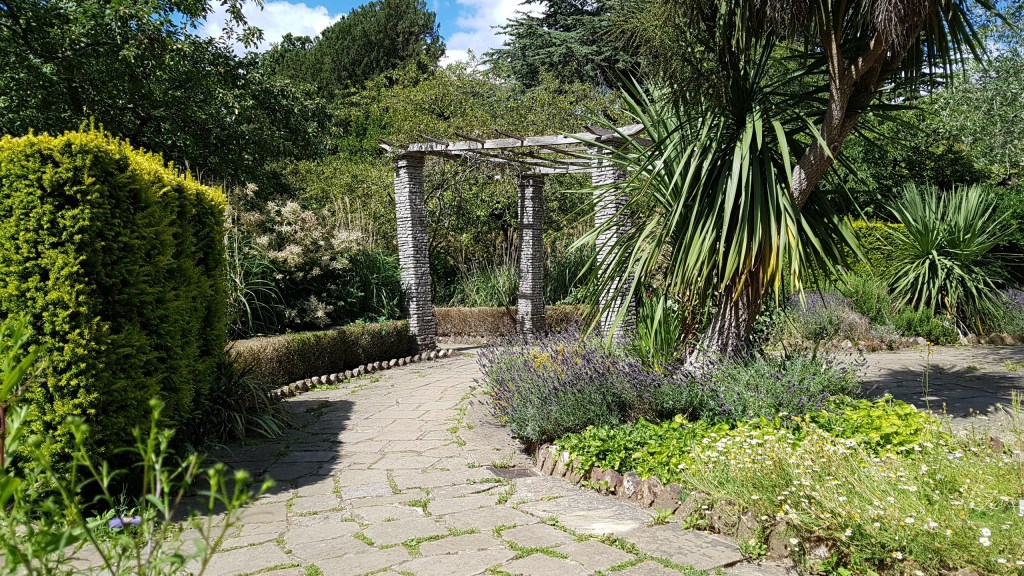
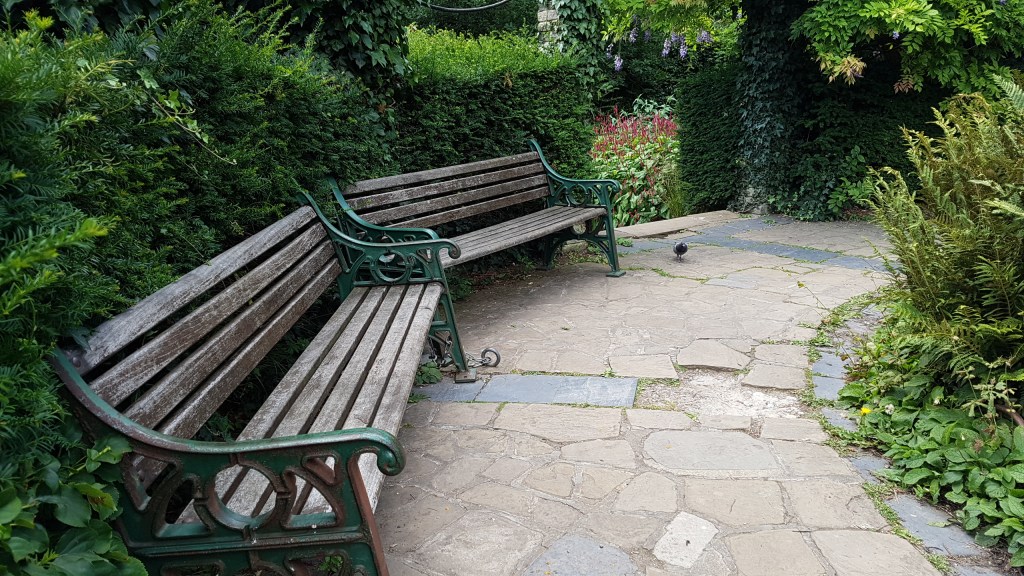
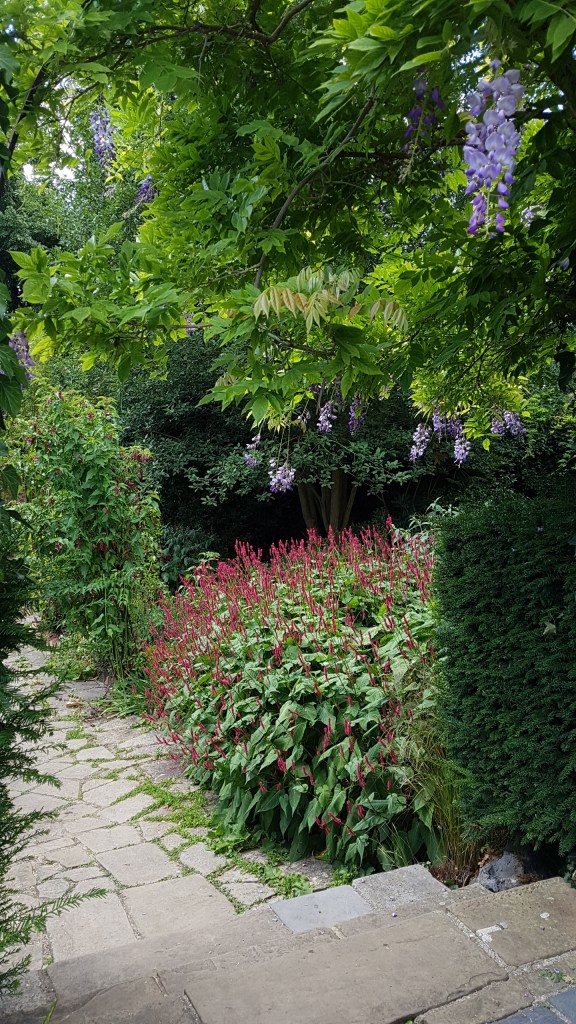
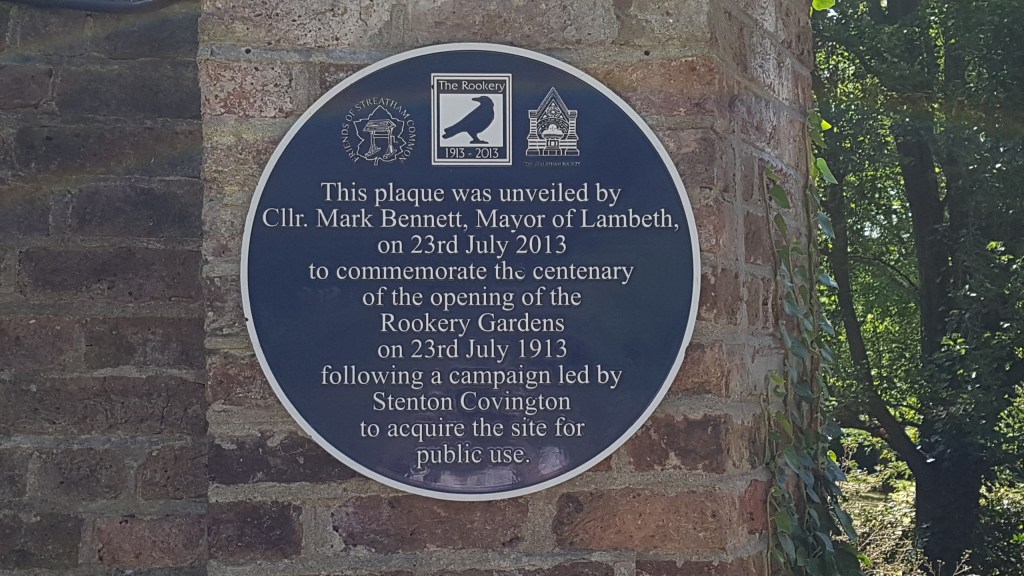
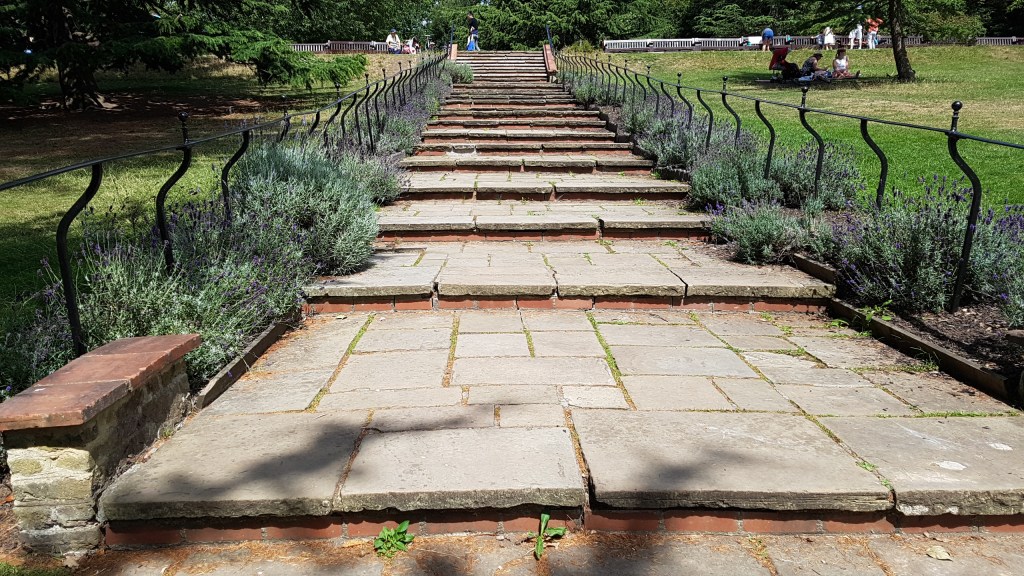
The present gardens were opened to the public in 1913 and haven’t changed much in all that time. Arbours and paths lead to different parts of the garden, gardens within gardens, so to speak. There are plenty of places to sit and this seems to be a favourite haunt of young families. You will find the well of Streatham Spa, a fountain, streams, and just outside there is wooded area which is part of Streatham Common.

The woods

The Rookery Cafe sits on the edge of the gardens. It was open when I was there but to order food and drink you had to download an app first.

I can do no more than to share some photos with you. Nearest station is Streatham Common running from either Victoria or Cannon Street stations. From there it is a short walk. The gardens are free to visit and there are toilets!

Woods
Streatham Common

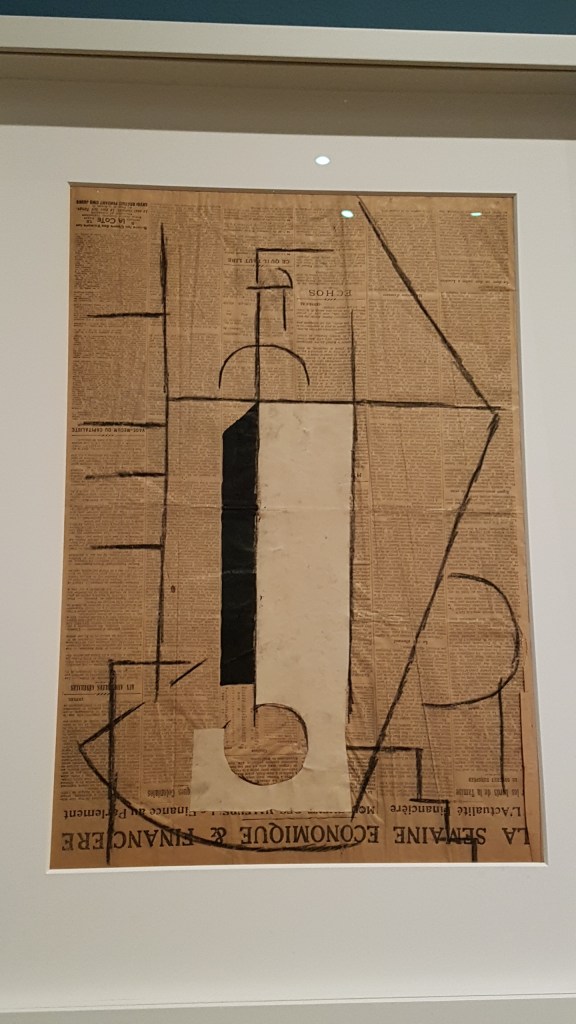
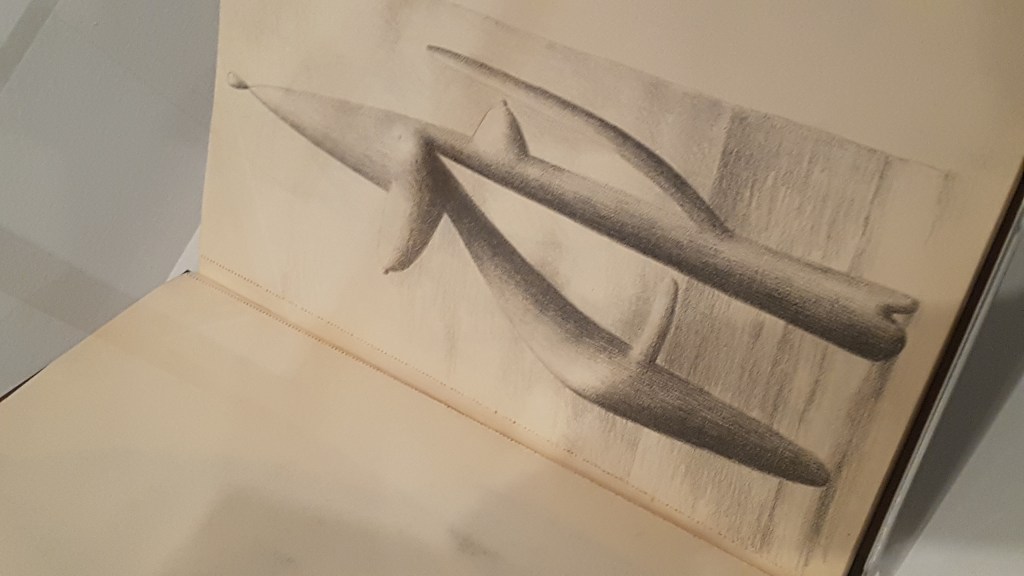
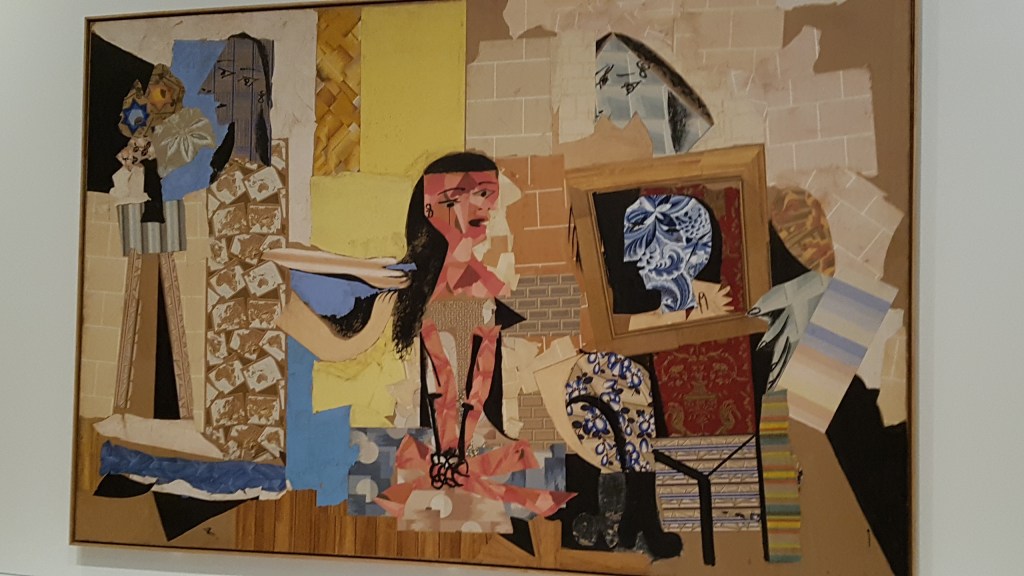
Picasso & Paper at the Royal Academy and some architecture

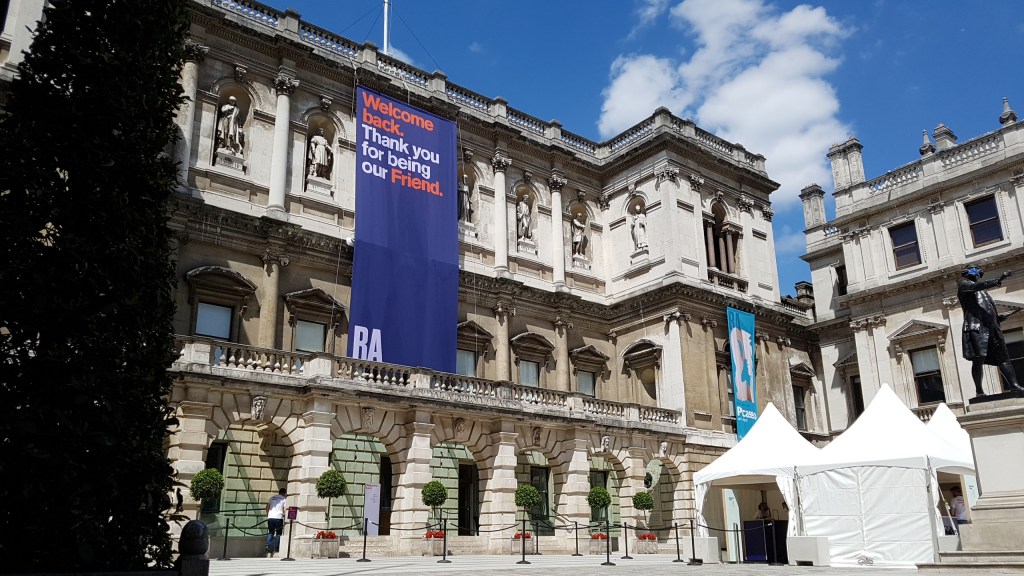
Some normality in life came with a visit to the Royal Academy last week. As museums and galleries begin to reopen, tickets are going like hot cakes. I was lucky to be able to book a ticket early on. Already there was limited availability, but I got one! I believe a second batch of tickets will be released shortly, but for now they have all sold out.

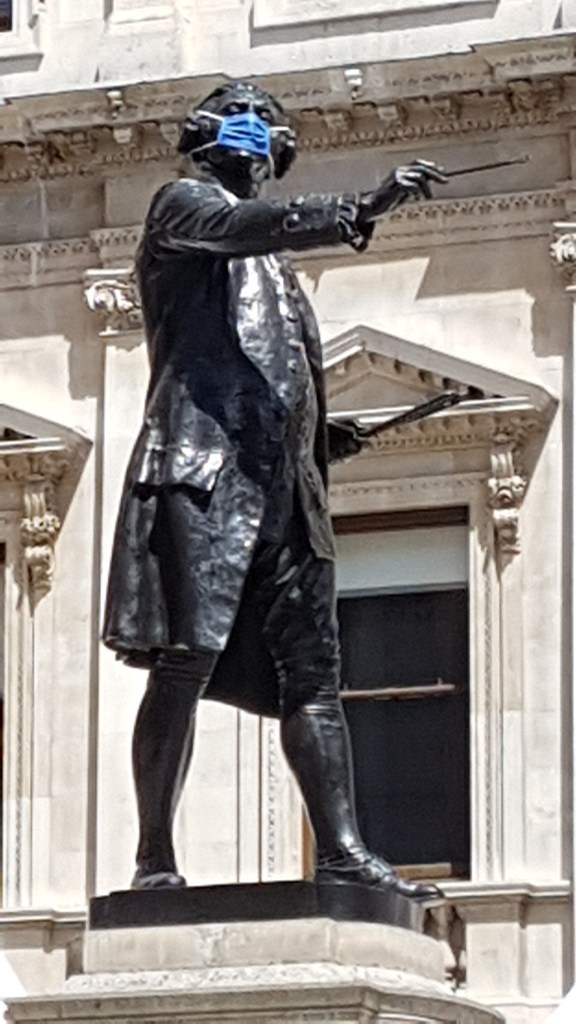
Even Joshua Reynolds is entering into safety procedures!

The staff managed the whole operation well. My timed ticket was for 2pm. Arriving a little early I took the opportunity of buying a cup of tea from the refreshment stall outside. Then I queued up. A young lady informed me of the procedure, including the timing (an hour for the exhibition), and soon I was in (hands sanitised, mask on, ticket scanned). Just to say that the toilets are open and a small shop is set up outside the exhibition for purchases of items on the theme of Picassco, and some other items too. The staff are quite happy to go and find any other item you might want from the main shop behind, but access to that is for staff only.

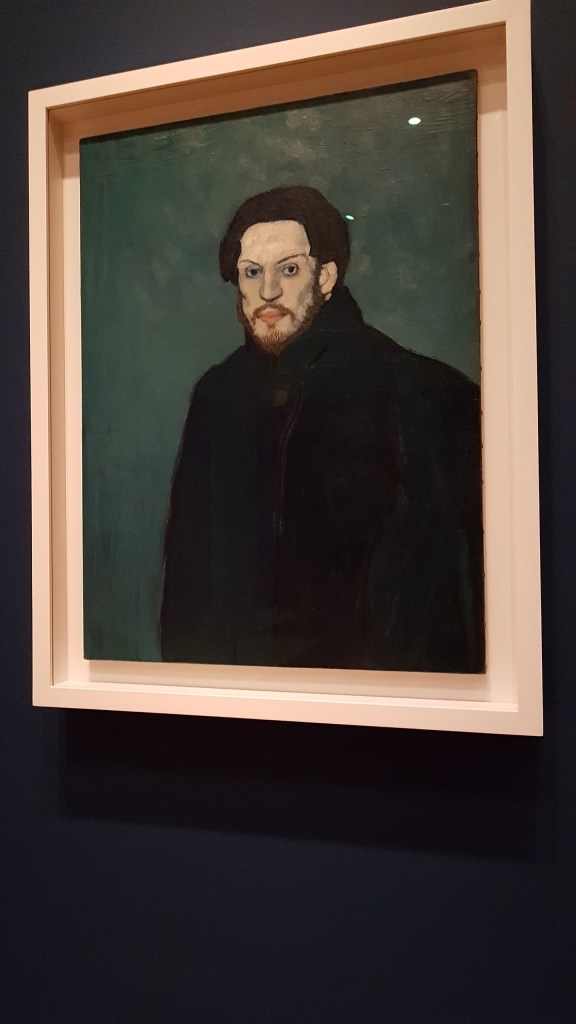
Self portrait
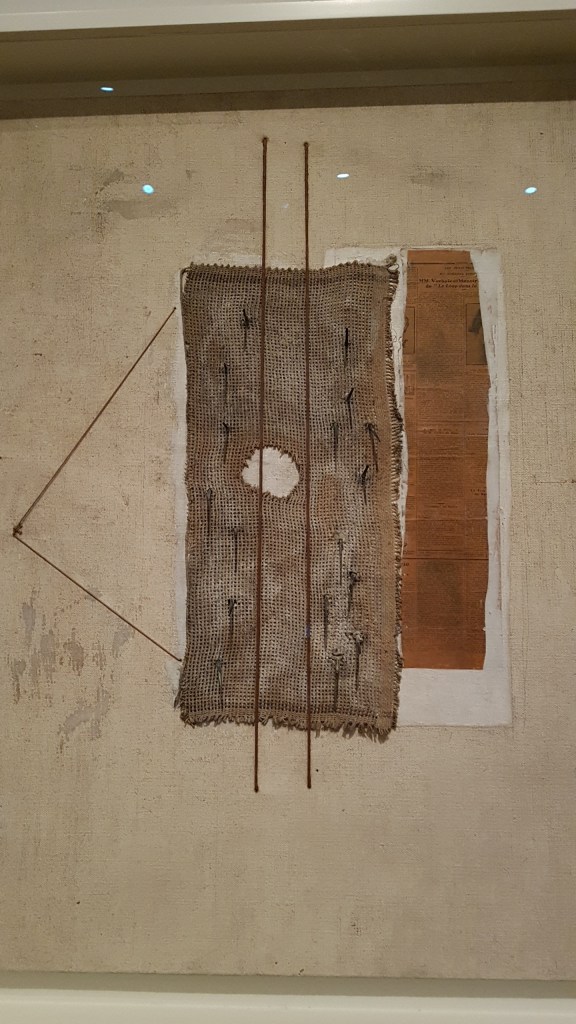
Guitar

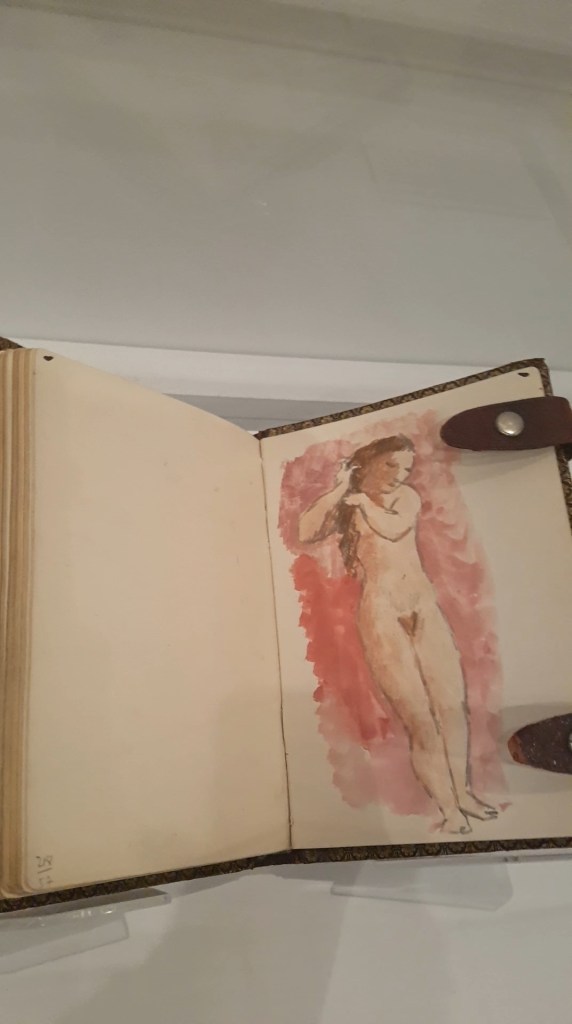
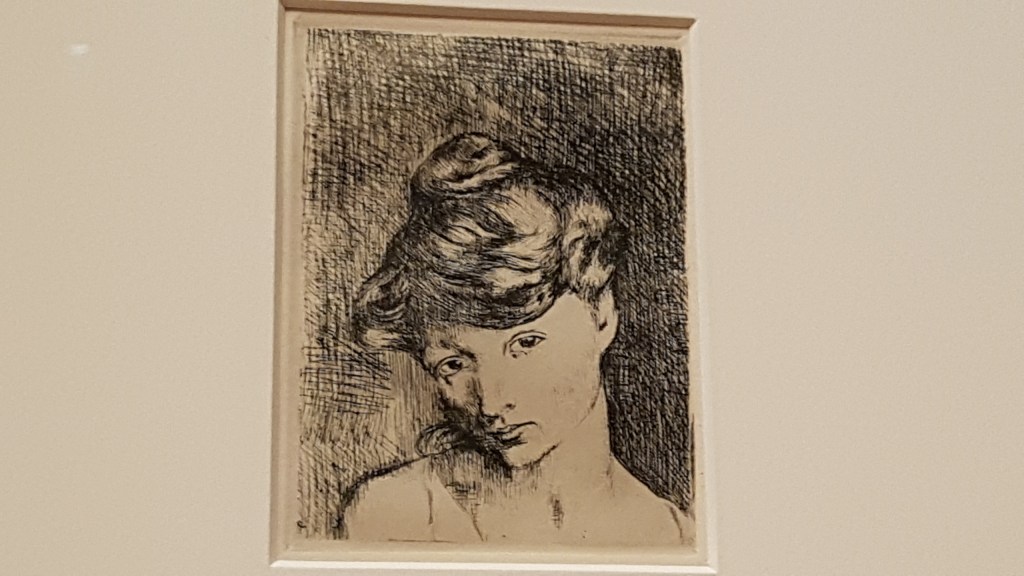
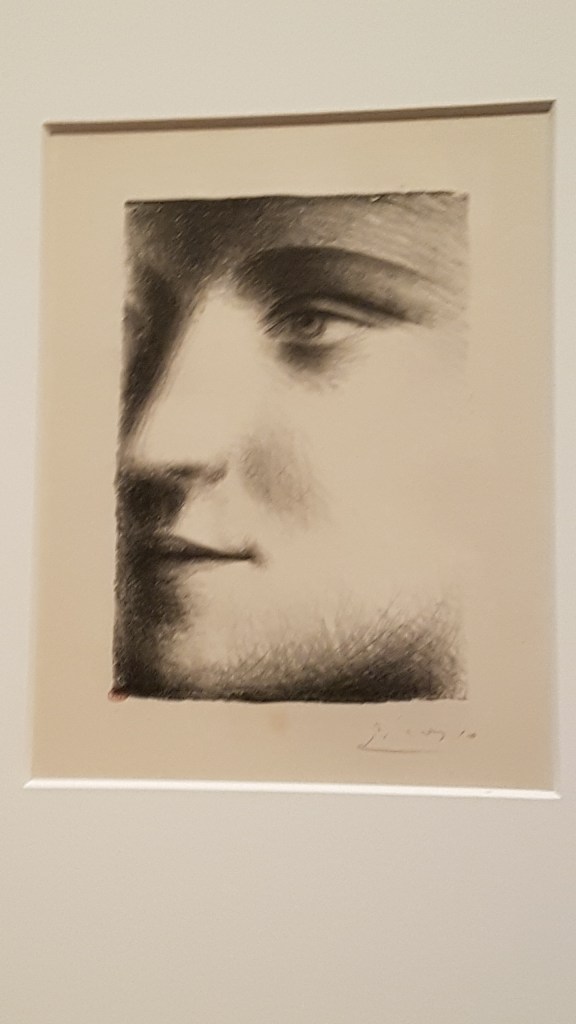
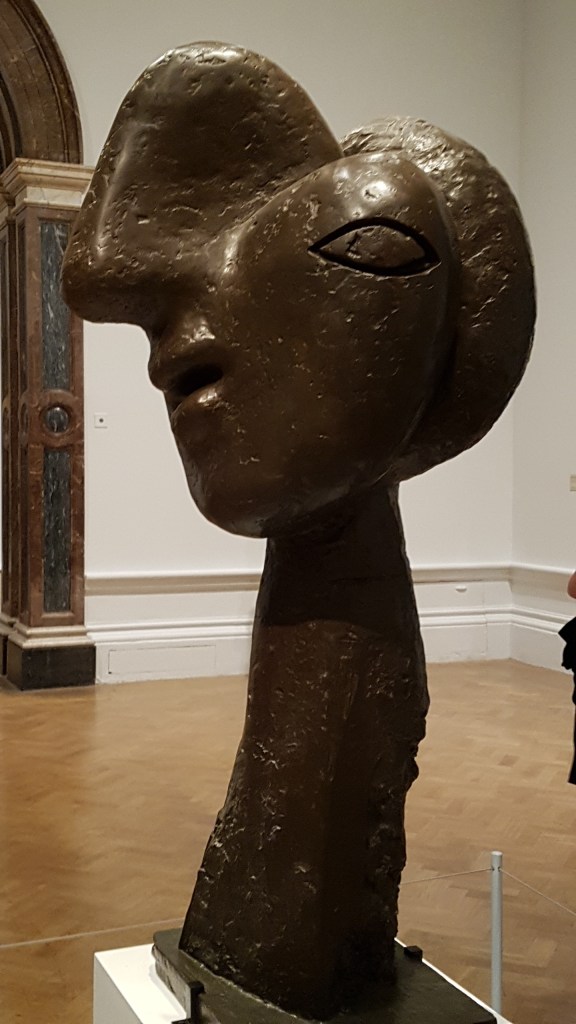
The exhibition featured work throughout Picasso’s working life. One forgets the earlier works, I think, because we tend to see Picasso as a Cubist artist, but Picasso used many styles and experimented using whatever was to hand. His work was constantly evolving, and that makes him fascinating.

I loved his early works, but was surprised how much I liked his modern art. I was particularly drawn to his series of ‘guitar’ works using collage with paper cutting, string, and even 3D. Last year I saw his ‘blue period’ art works in an exhibition, but this is far more comprehensive as it spans so many styles and subjects. Picasso even worked on scenery and costume design for a play. It amazed me how prolific he was as an artist, and right to the end of his life he still experimented. I found this a truly inspiring exhibition.

Two bathers on the beach

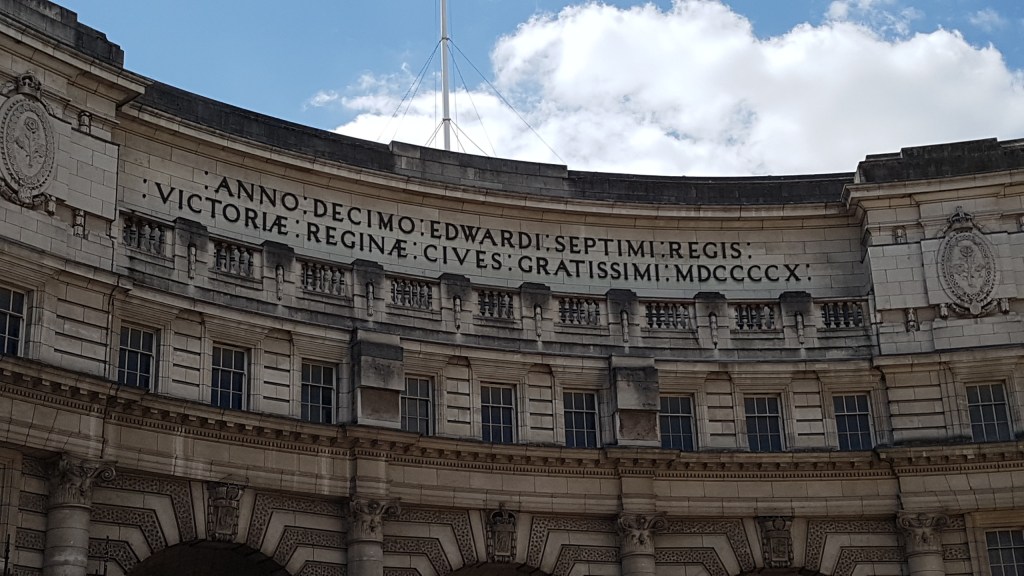
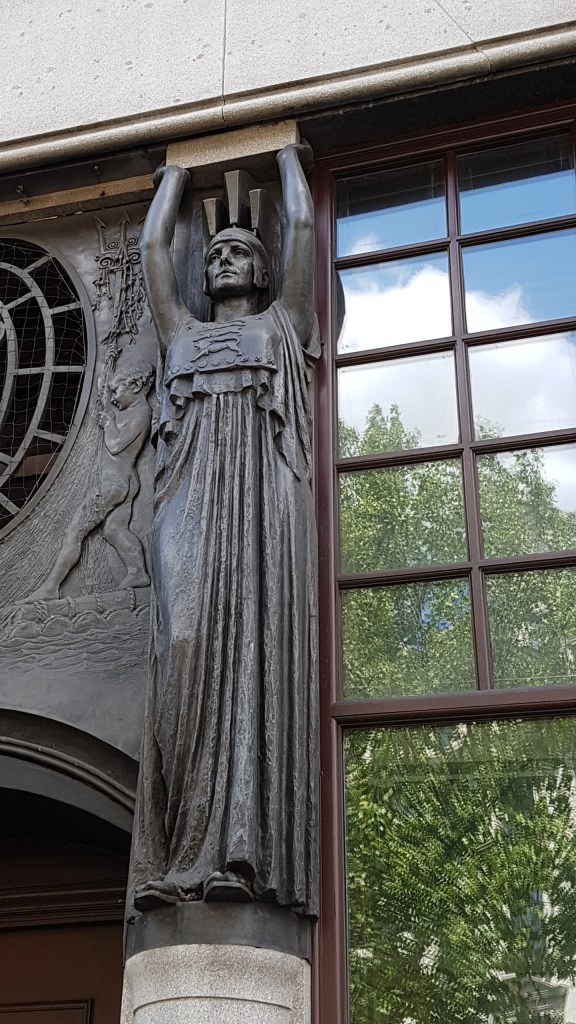
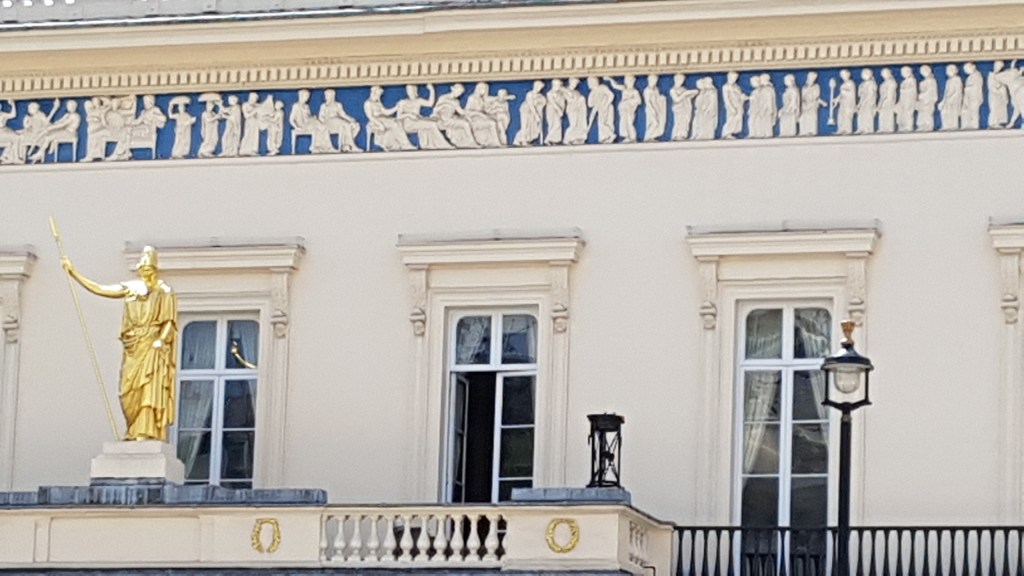
Both before and after the exhibition I found time to take some photos of London buildings around Piccadilly, Regent Street and so forth. We tend not to look up when in London, but we miss so much if we don’t. London was much quieter than usual, and even the so called ‘rush hour’ just wasn’t a rush. The train was slightly busier, but social distancing was possible with ease.

Admiralty Arch
A little art deco near The Mall
Designed by John Nash, I believe

Please note that entry to the Picasso exhibition is by pre-booked timed ticket only. You cannot enter the building without a ticket. Please refer to the website for information about booking and safety.

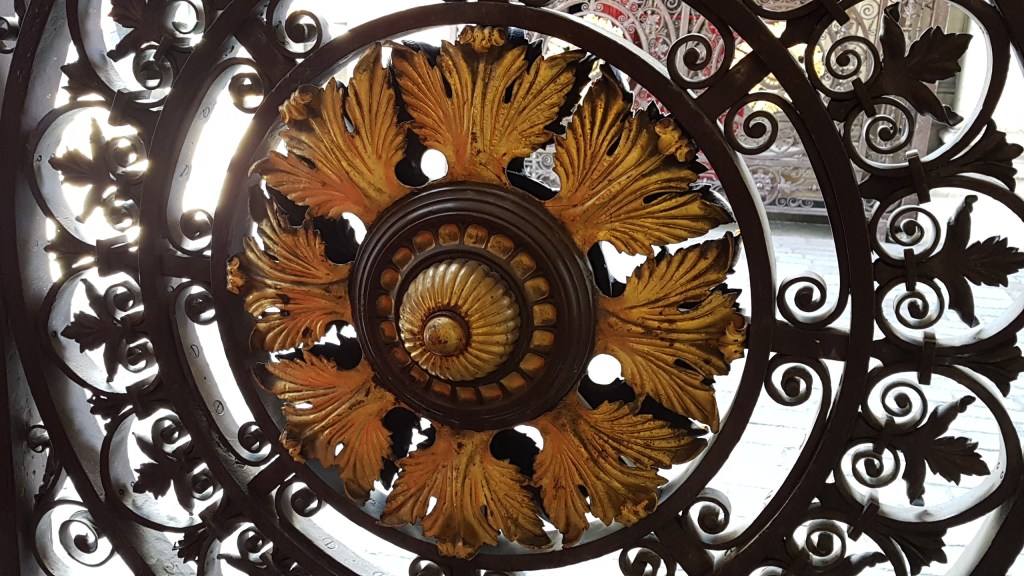
Detail of gate – The Royal Academy
The Plaza

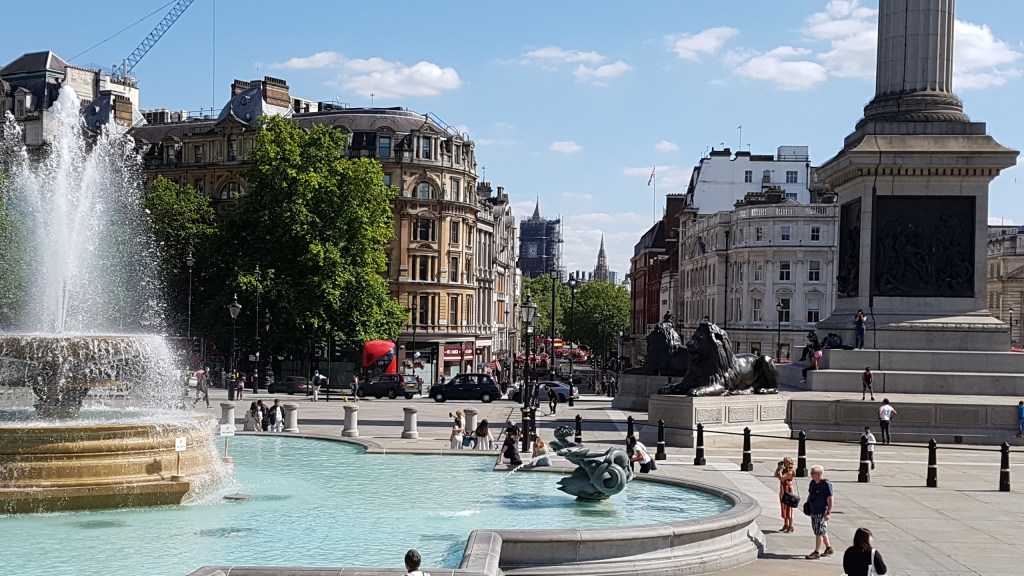
Trafalgar Square looking towards Big Ben

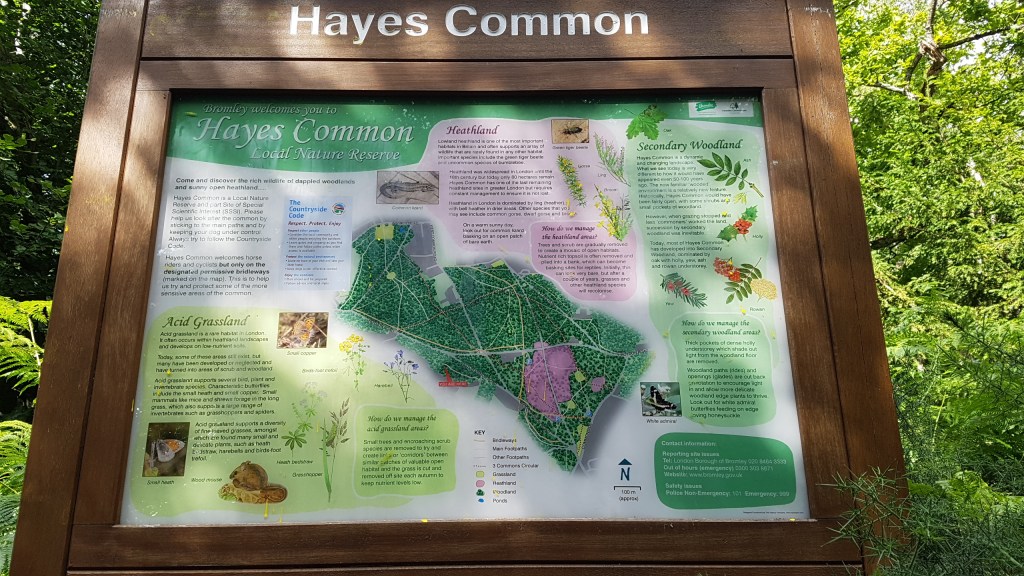
Well Wood and Hayes Common, Kent

Yesterday I got out of London, though still in London! London is a funny city. You have central London and then you have the suburbs trailing into different counties. Yesterday it was Kent. Here you feel far from London and there is so many walk options. My guide for the day was a very good friend who lives close to such lovely green spaces. I took the train from Waterloo East. It was such a quiet journey, and when I got off at Hayes, I was the only passenger! Right now I think it’s safer on the train than in a supermarket. As I got off, the cleaning staff were ready to go on and spray and wipe down. People are really staying away from public transport and I aim to make the most of it while it’s so quiet.

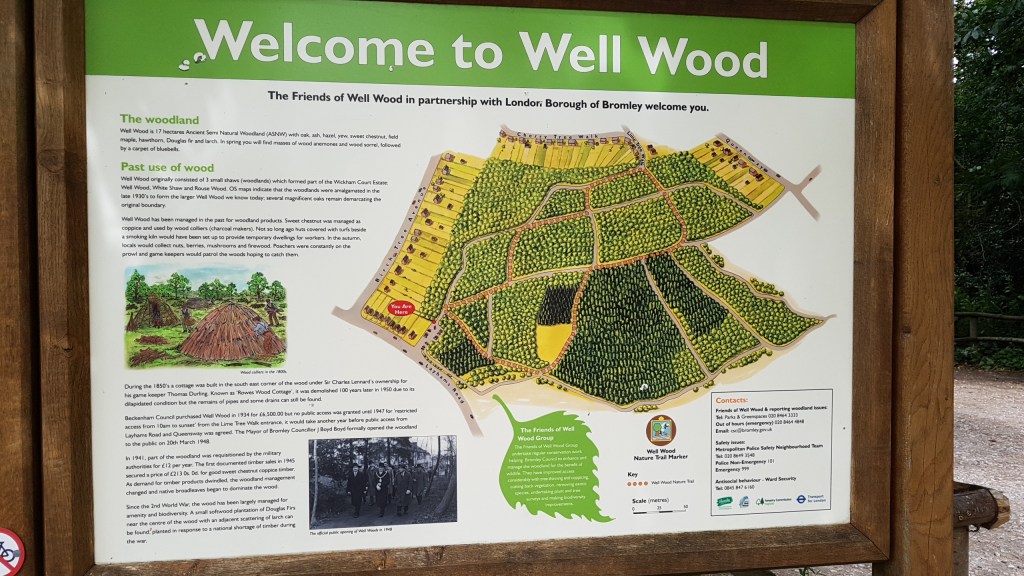
Well Wood
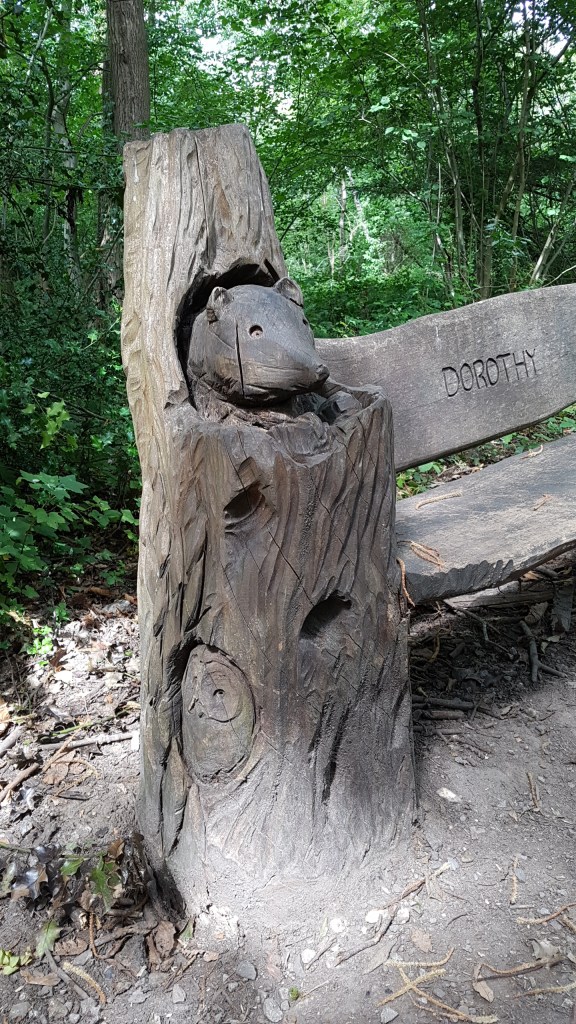
Detail on bench, Well Wood

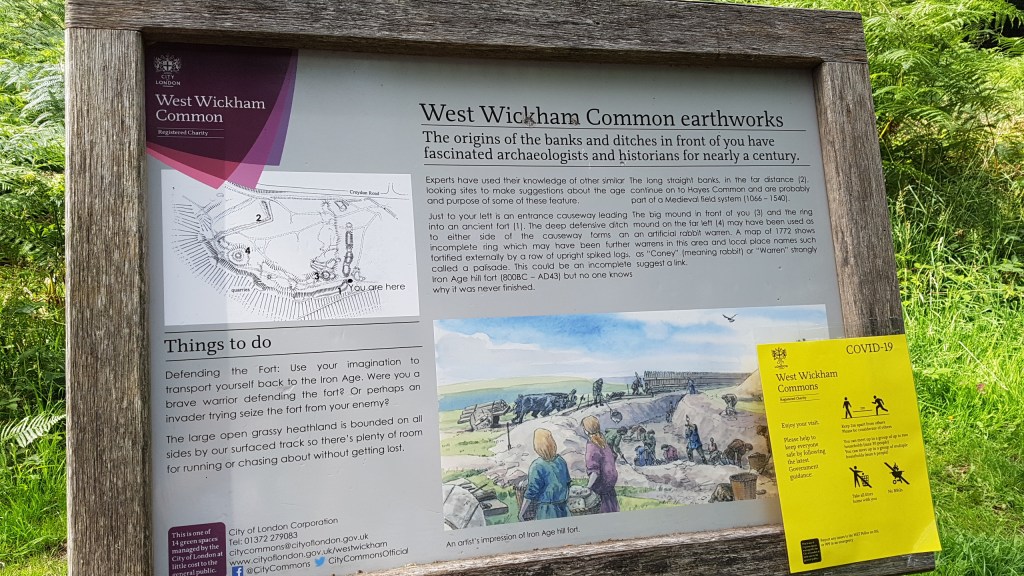
After lunch in my friend’s garden we set off for the first part of our walk through Well Wood. This whole area, including the second part of the walk across Hayes Common, was owned by the wealthy in the past – lots of big houses and farmland. There is much history, including the possibility that King Henry VIII courted Anne Boleyne here when she was visiting her aunt who had a house at Wickham Court. Apparently Henry hunted in Addington. In 1580 the aunt’s house sold to the Lennard family who lived there for 300 years.

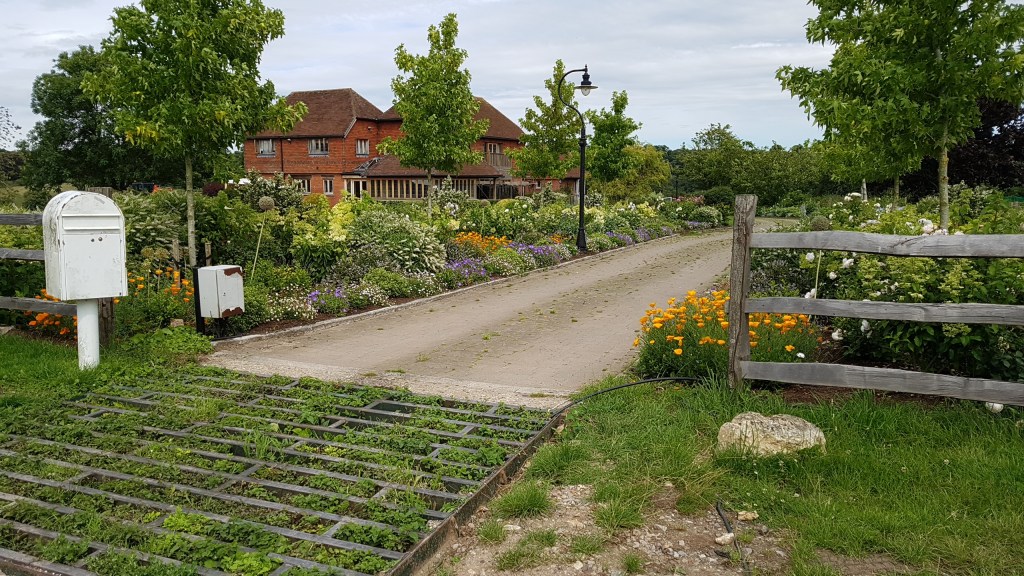
Who wouldn’t want a farmhouse and garden like that?

But by bit land was sold off by the big landowners. You can read about the many different mansions here where you can also read the history of the area as it developed through the ages.

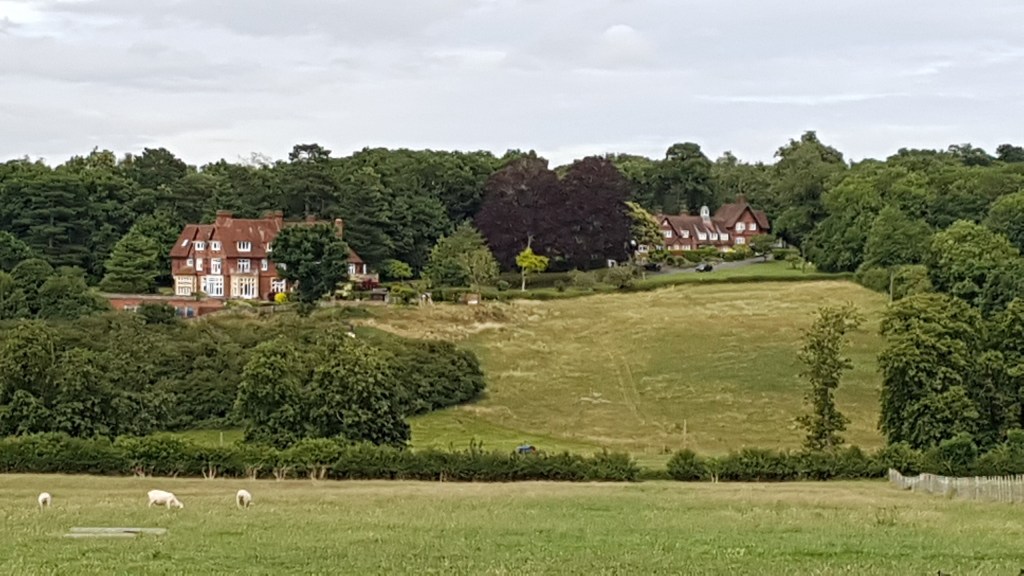
Here you can see some of the mansion houses still surviving

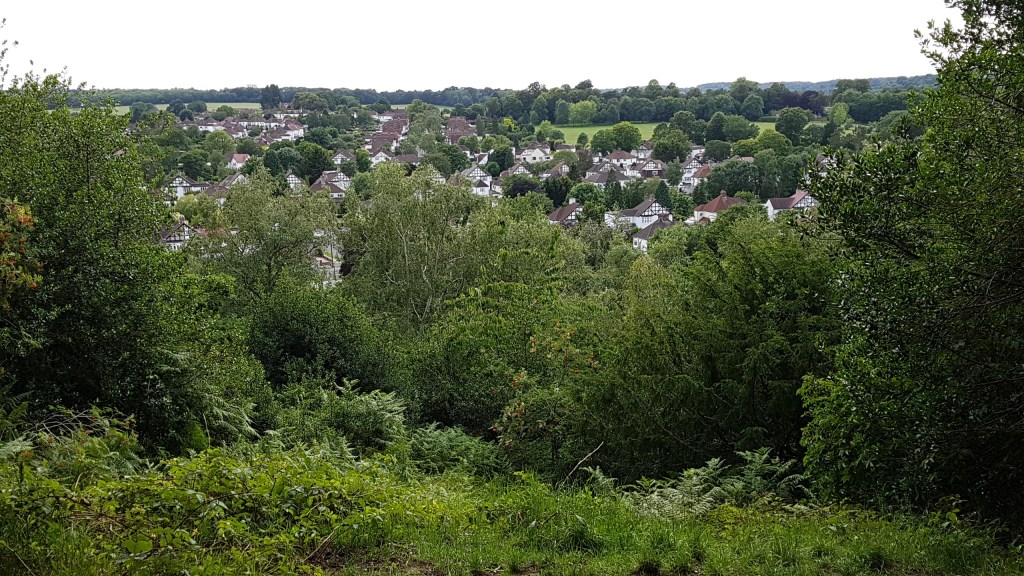
When the last of the Lennard’s died, in the early 1930’s, their son, who had emigrated to Canada, sold off part of the estate to the Morrell’s (builders) who built Coney Hall, Wickham Court Farm and Rouse Farm. These were bought by Kent County Council as Green Belt as there were concerns about London’s expansion outwards.

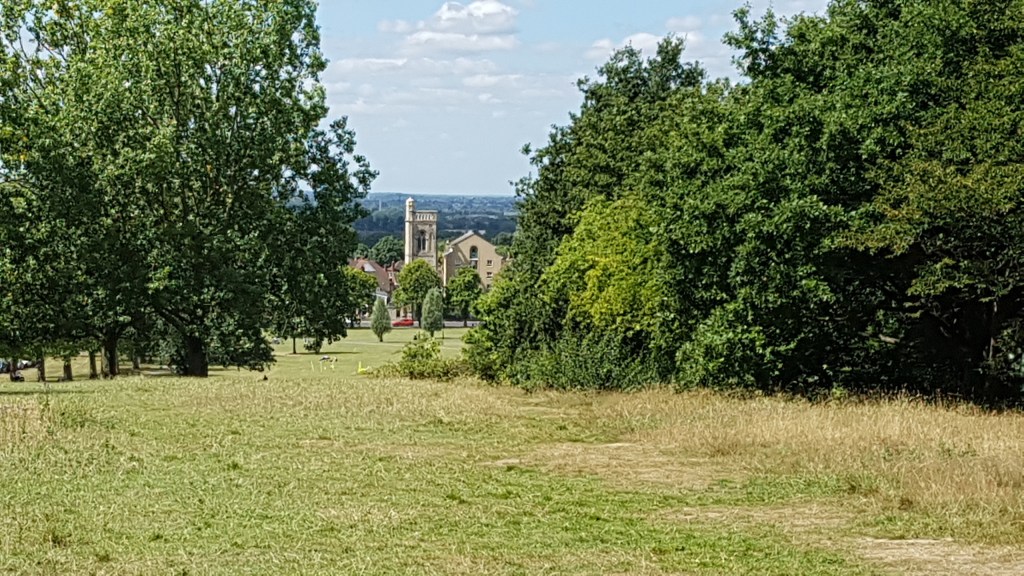
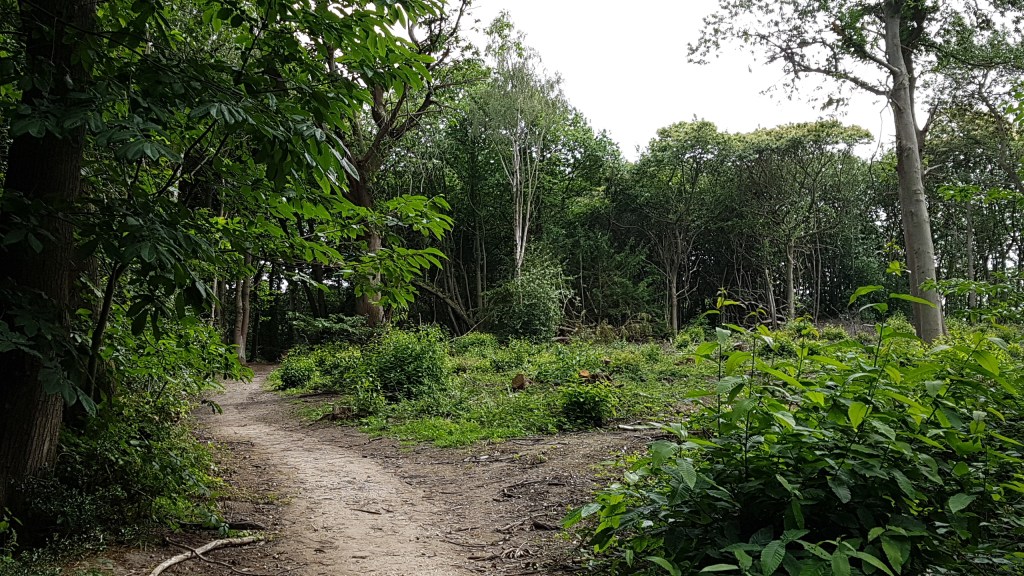
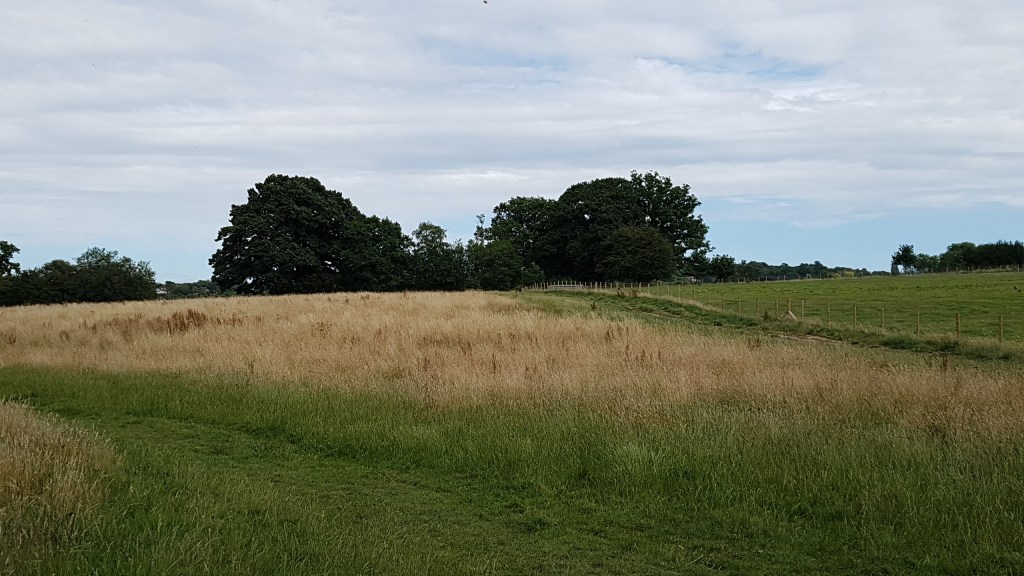
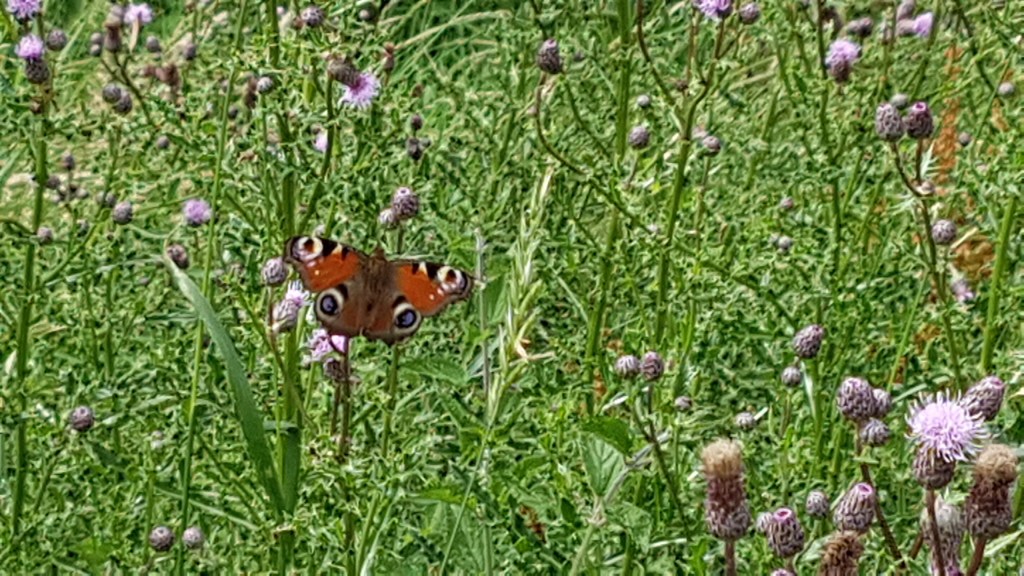
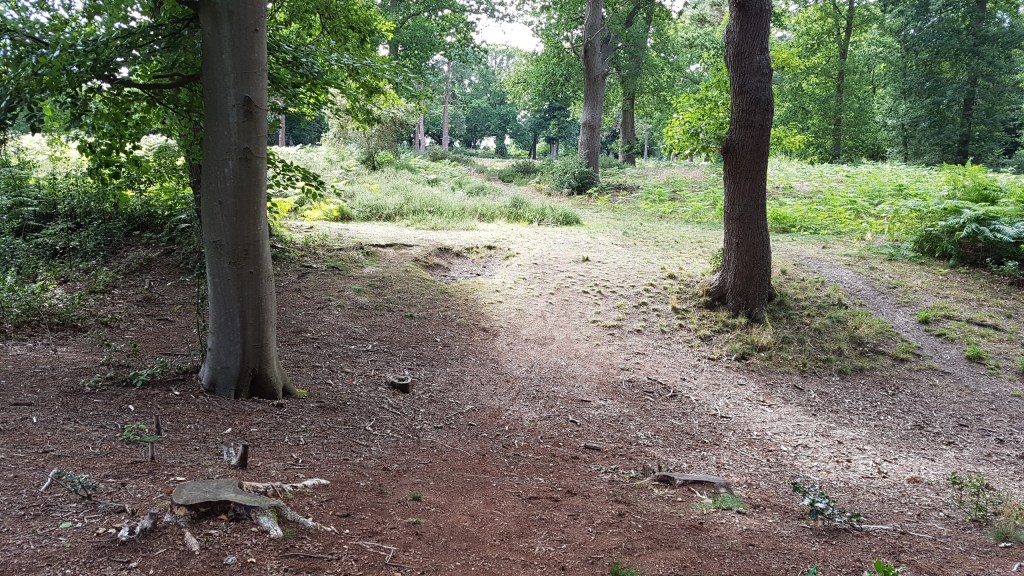
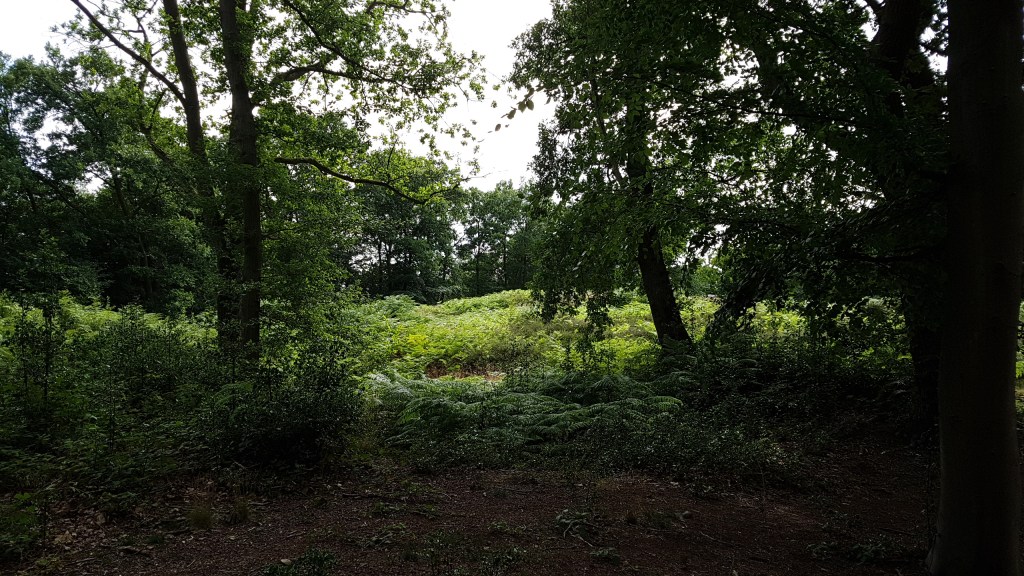
Hayes Common (also known as Wickham Common, well there were two names side by side) takes you through an Iron Age Fort. We only walked a small portion of the woods and common, and we took our time over it. The day was humid and the wildlife was abundant. We saw masses of butterflies and moths flitting from plant to plant. It’s hard to believe that central London is just 38 minutes by train from here.

The 1930’s estate

Walk – Vauxhall to Waterloo via Oval, Kennington and Elephant & Castle

Knowing the weather was due for a downturn this week, I decided to go out on one of the two better days. So, on Monday I set off with a couple of intentions. Things didn’t turn out quite as expected, but a visit to Kennington Gardens was an unexpected delight and made the trip worthwhile.

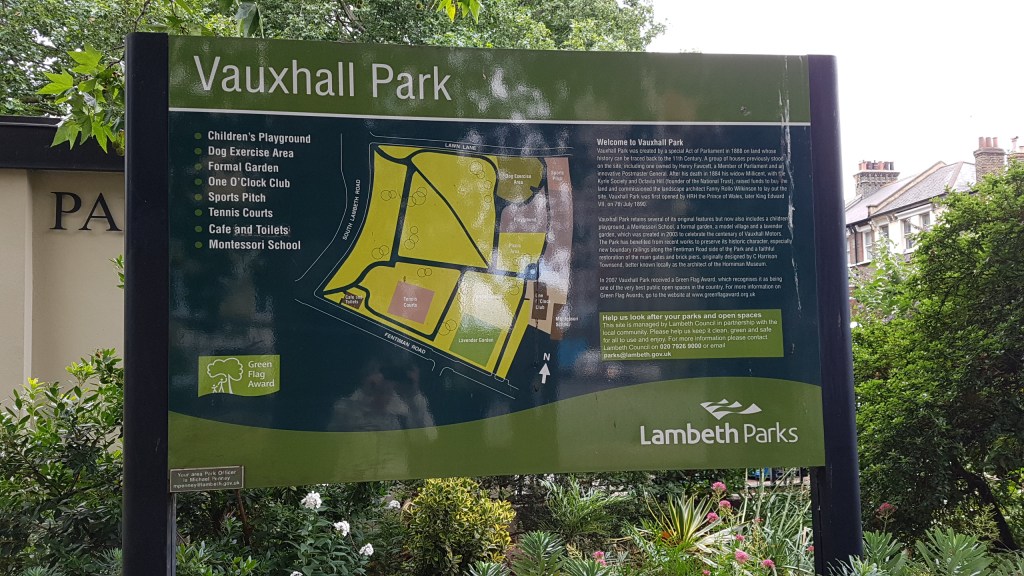
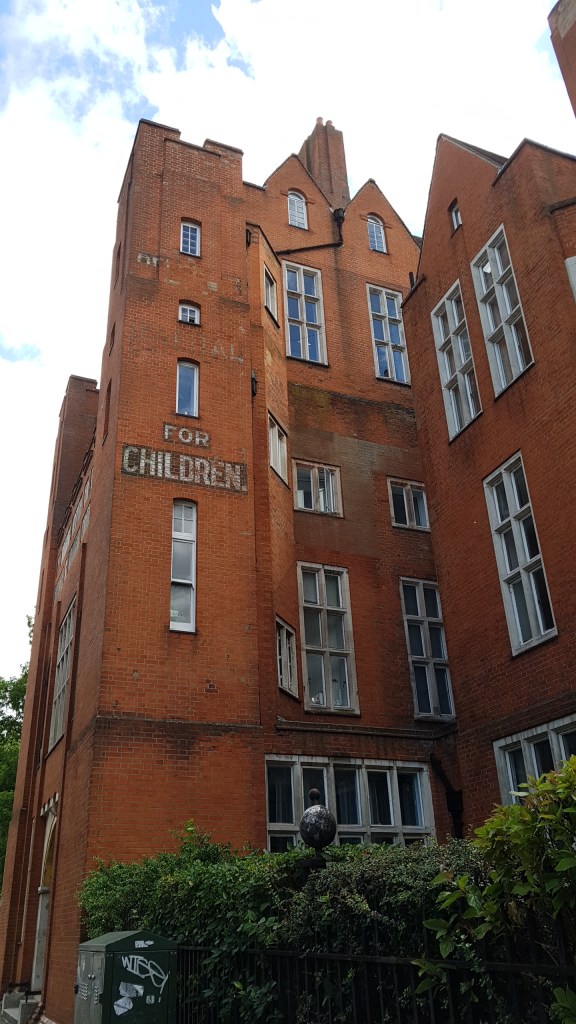
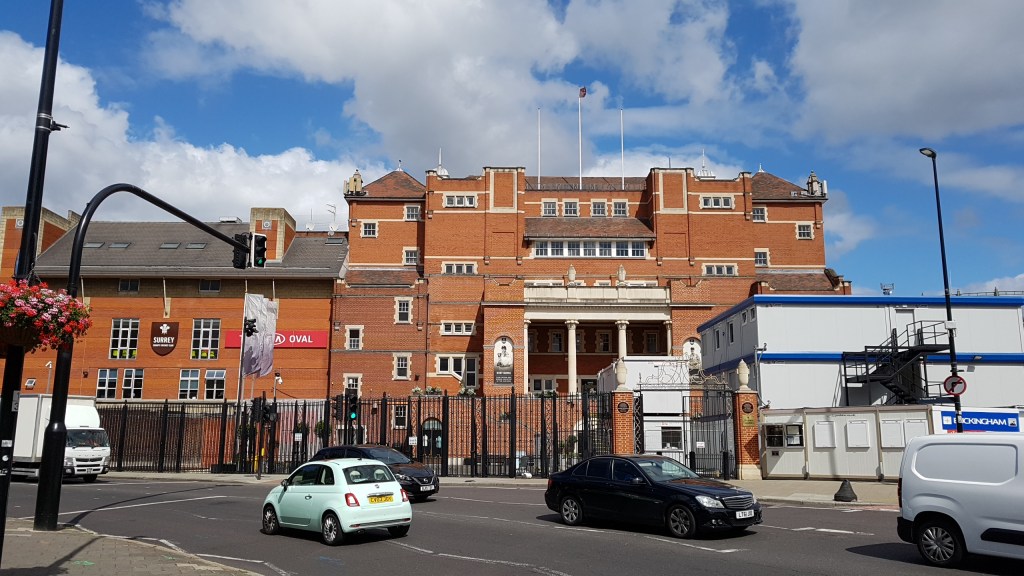
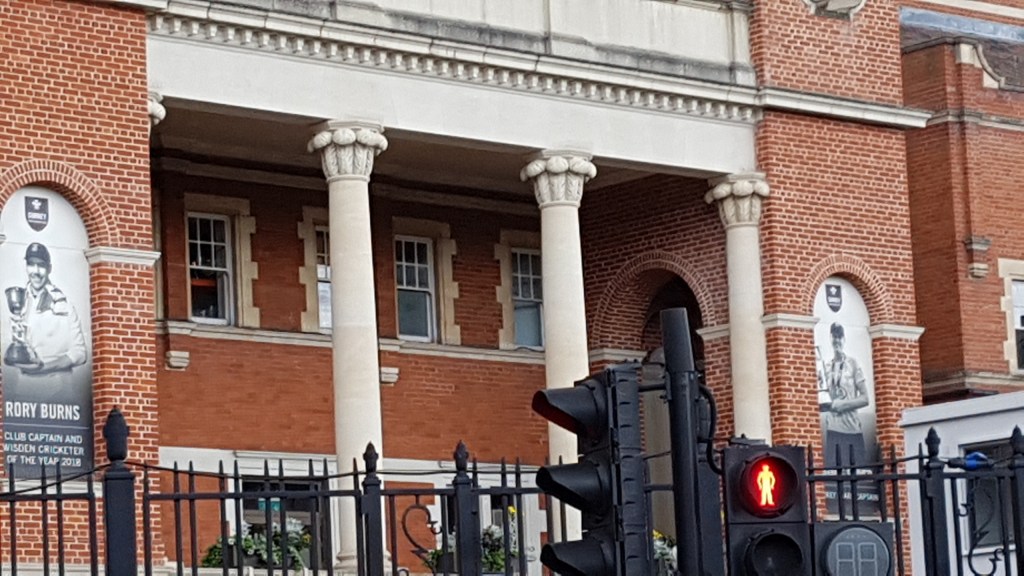
My first port of call was Vauxhall Gardens, only to find that it was in the middle of a re-vamp and barriers closed off the flower beds. Only the tennis courts and cafe were open. So, then it was off to my second port of call Harleyford Road Community Garden via Oval. I’m not a cricket fan, but I thought it would be nice to see where Oval Cricket Ground was. On the way I found an old red brick building which intrigued me. I later found out that this is the former Belgrave Hospital for Children founded in 1866, the original building being in Pimlico. The building here on Clapham Road was built between 1899 and 1926, as it was added to. It was designed by Charles Holden in the arts and craft style. The hospital joined the National Health Service in 1948 as part of King’s College Hospital Group, but closed in 1885. It was designated a Grade II Listed Building in 1881. The hospital was converted into residential accommodation in the 1990’s.

Former Belgrave Hospital for Children, now flats

Onwards to the Oval Cricket Ground for some photos and then to the community garden, which I knew was nearby by. However, the gardens were locked still, due to Covid 19!

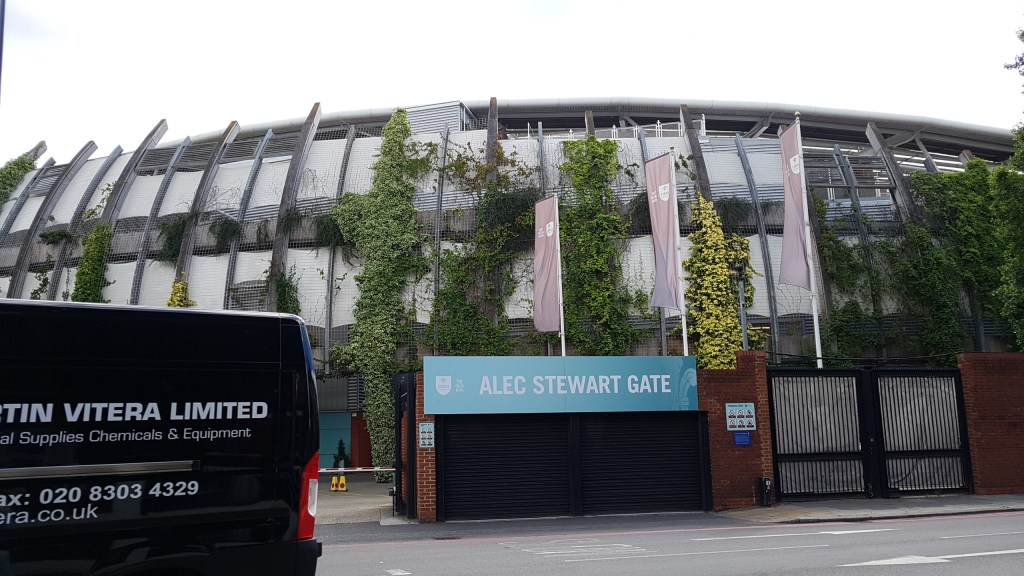
The Oval Cricket Ground

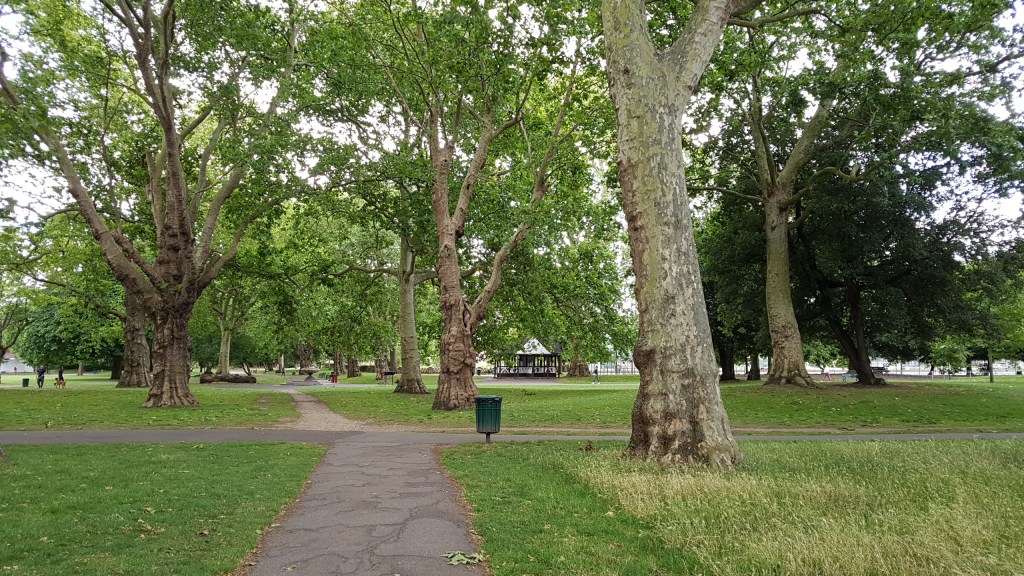
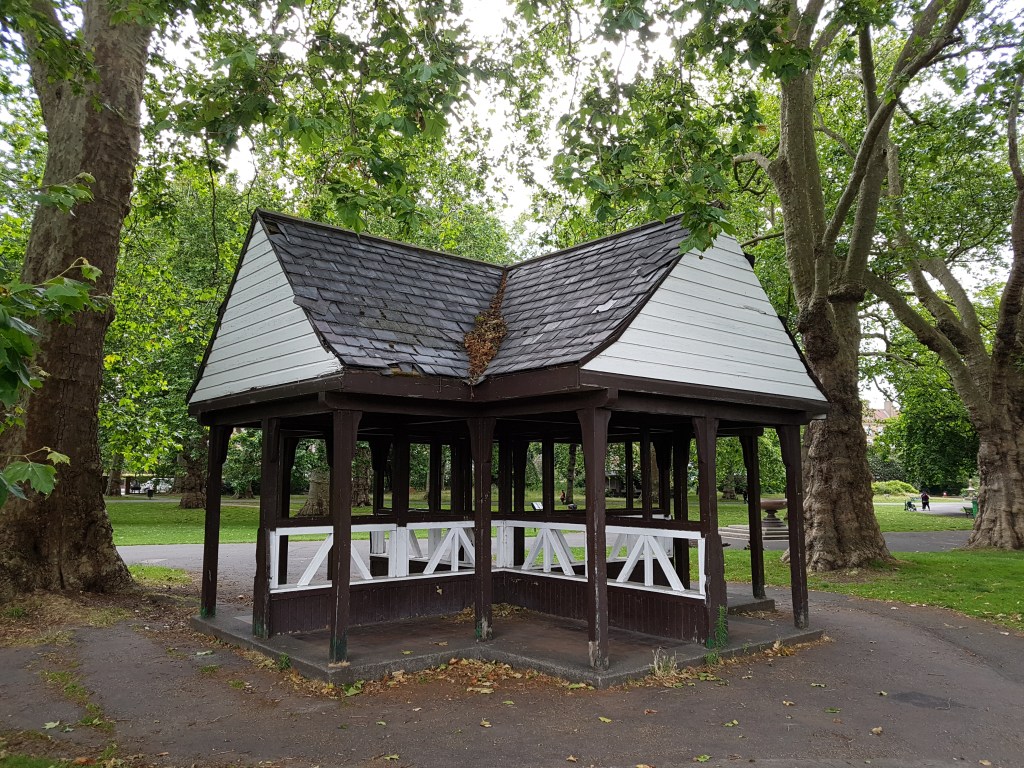
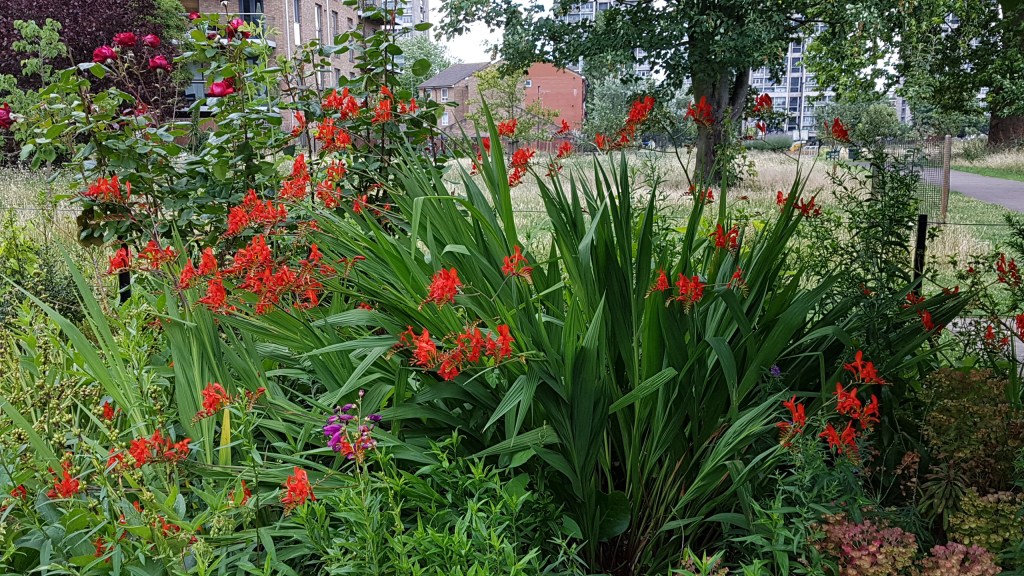
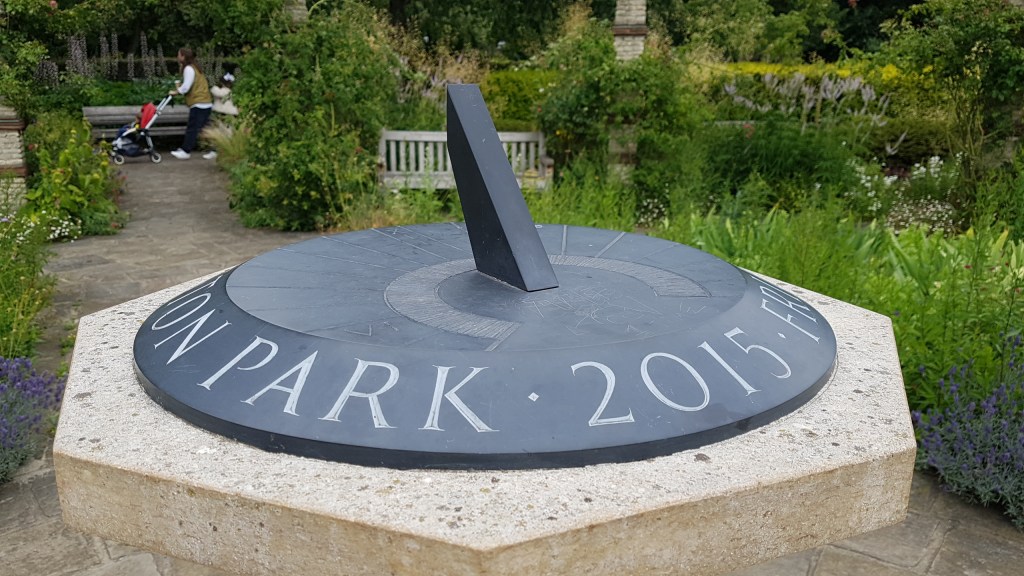
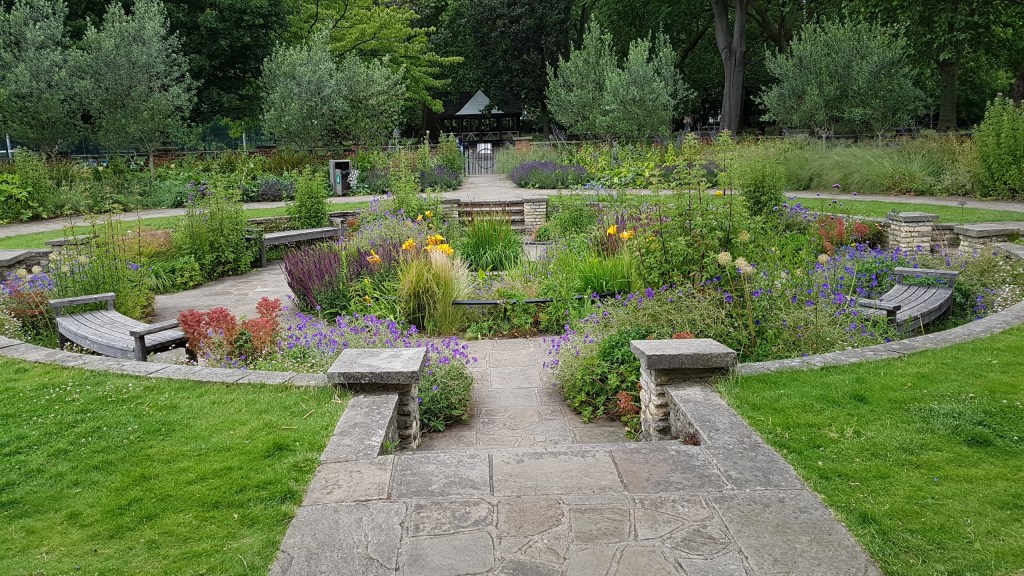
I decided to double back and visit Kennington Gardens which I had noticed opposite Oval tube station. This was well worth going back to. It has a beautiful flower garden with pond and plenty of seating areas, tennis courts, football (looked like 5-a-side astro turf), a cafe (closed when I was there) and skate bowl. Lots of trees and border plants and lots of plaques telling the history of the park and nit’s former buildings. This is a lovely place to sit and relax away from the busy world. Definitely worth a second trip sometime.

Kennington Gardens

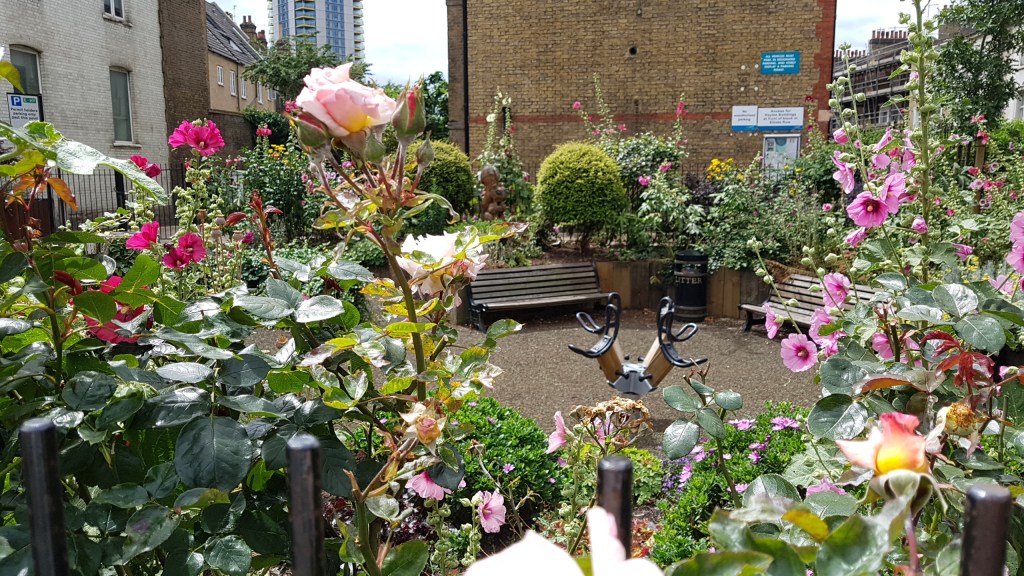
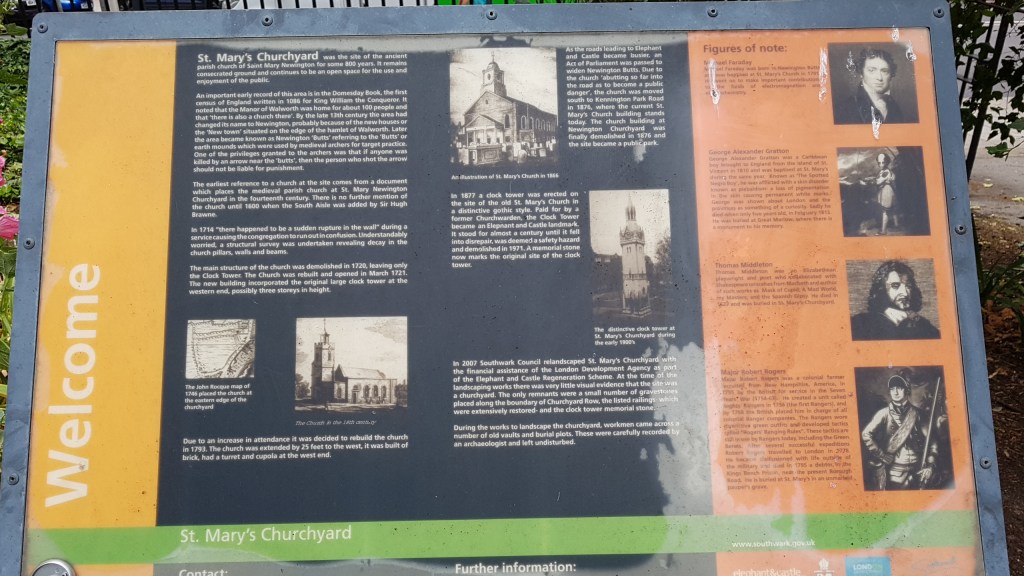
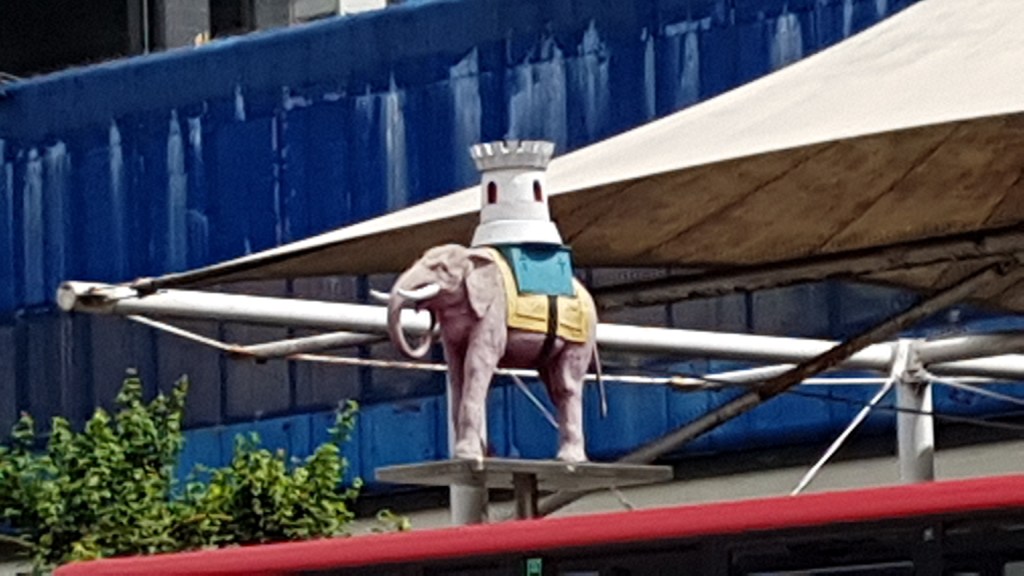
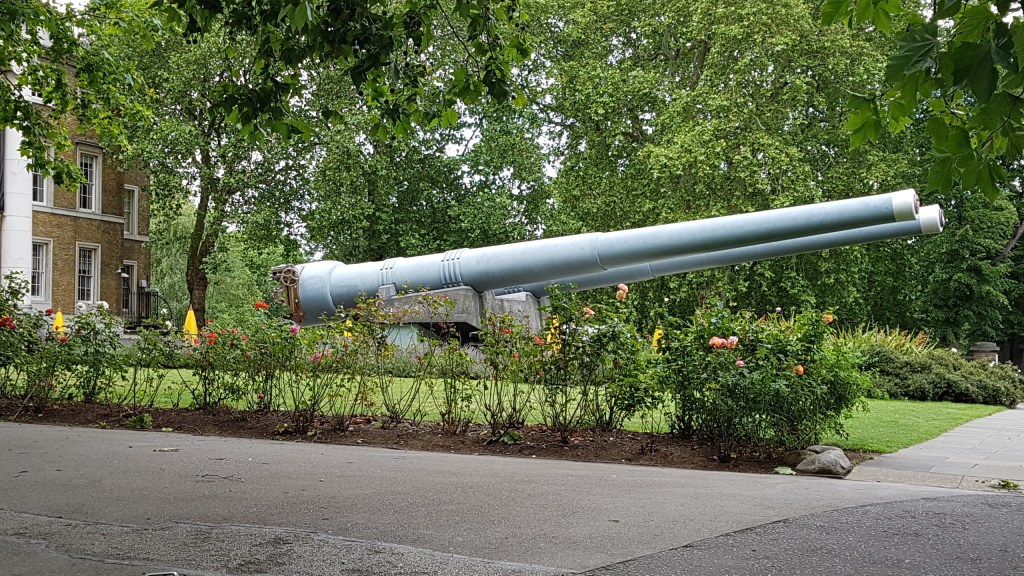
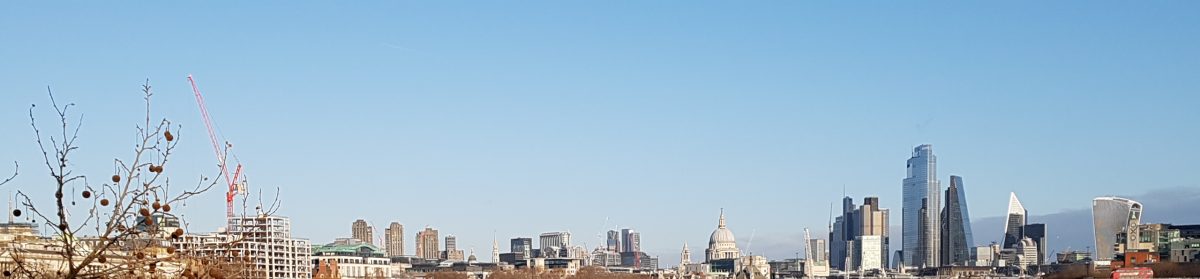
Leaving the park I headed along Kennington Park Road in the general direction of Vauxhall. My internal map was a little off (which it often is), but it was the tall buildings that threw me. I found myself in Elephant & Castle. There was a former churchyard (nothing, not even the church, remains), now the site of a Leisure Centre. Over the road is the famous shopping centre. I carried on and followed the signs to the Imperial War Museum. Further down, I spotted Elliot Row Pocket Park (closed). A tiny garden with a children’s play area. Finally, I reached the gardens of the Imperial War Museum. At present the Museum is shut, but I am sure it well re-open soon, as other museums and galleries are beginining to. Having been there many times, it is well worth a visit.

Elliot Row Pocket Park
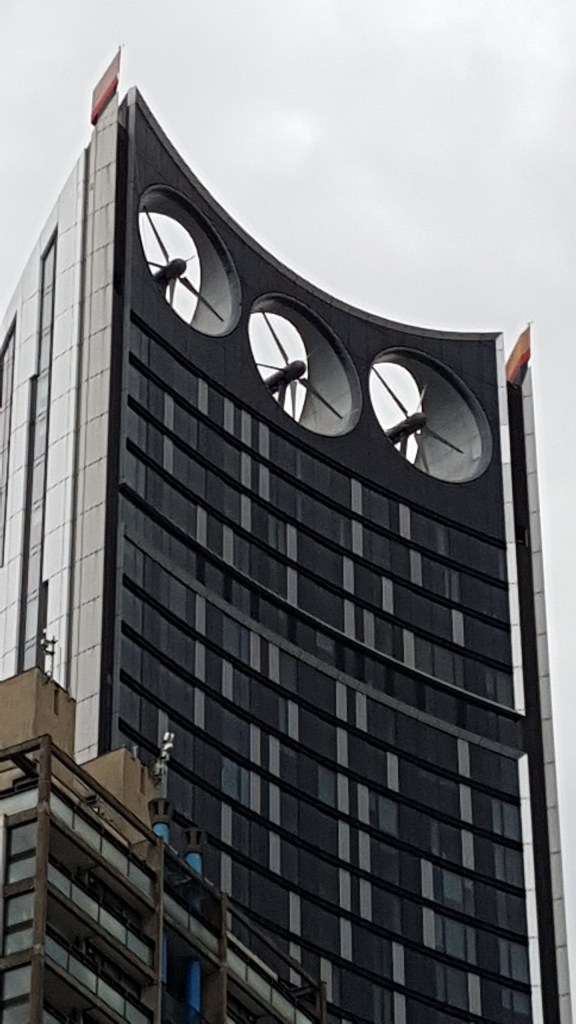
There’s something about this building……(Elephant & Castle)

From here it was a short walk to Waterloo, cutting through a side road and passing Morley College where I have taken a few courses over the years!

Imperial War Museum

Design a site like this with WordPress.com
Get started