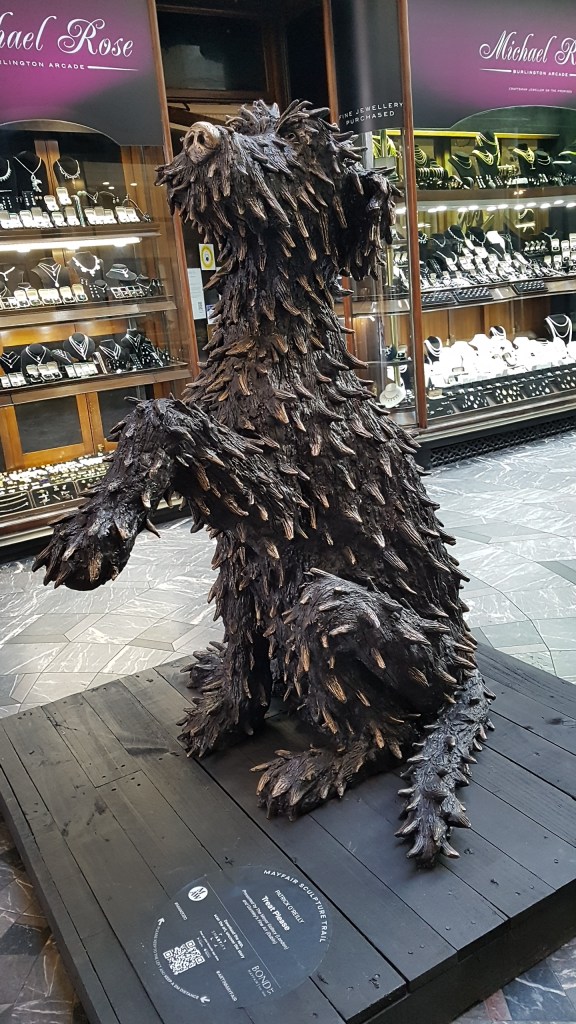
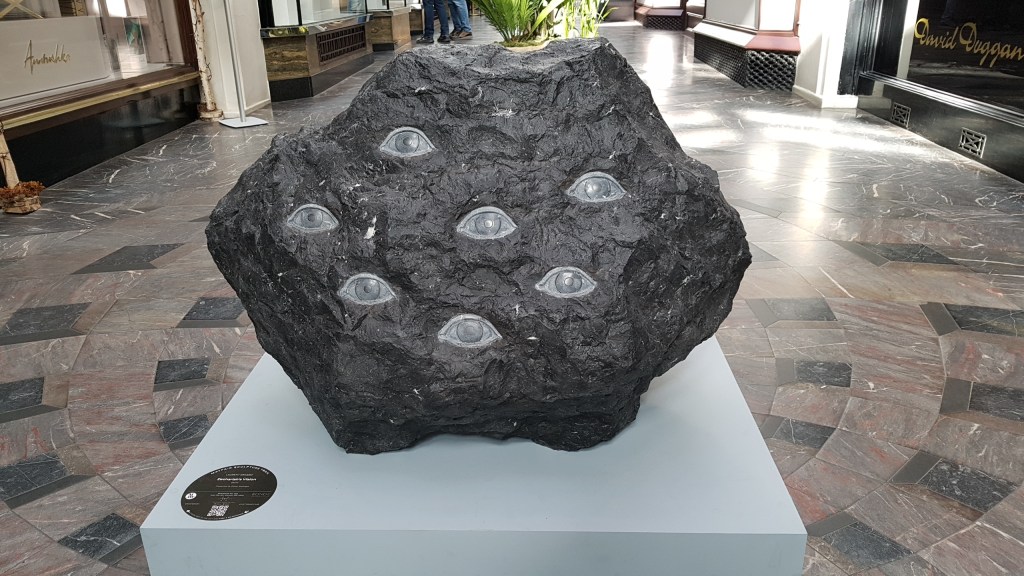
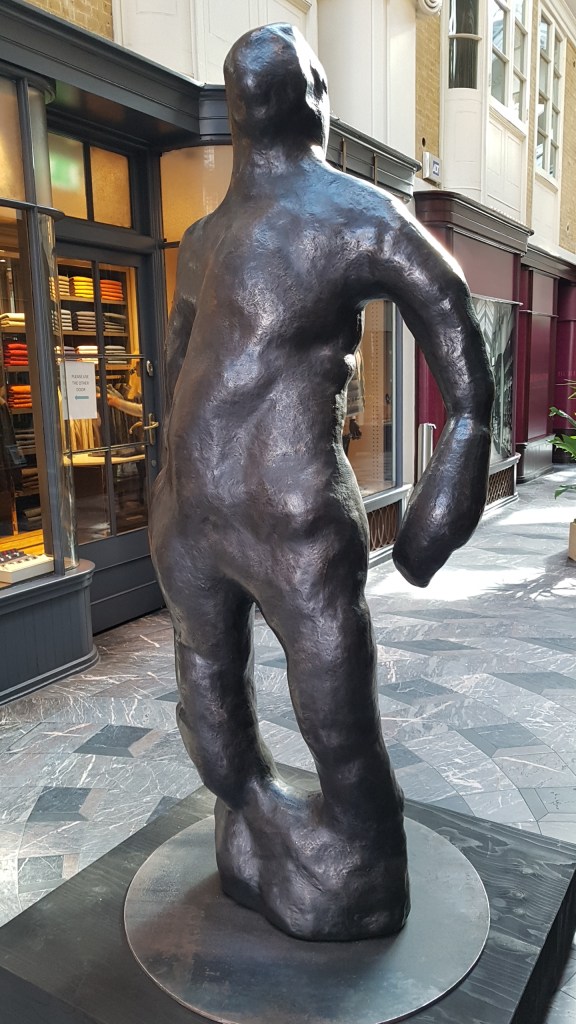
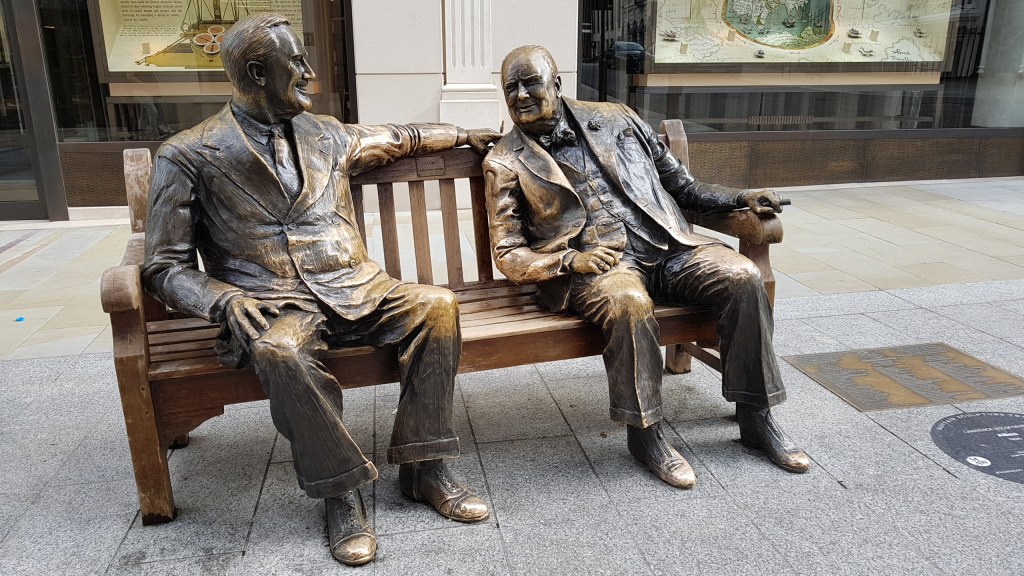
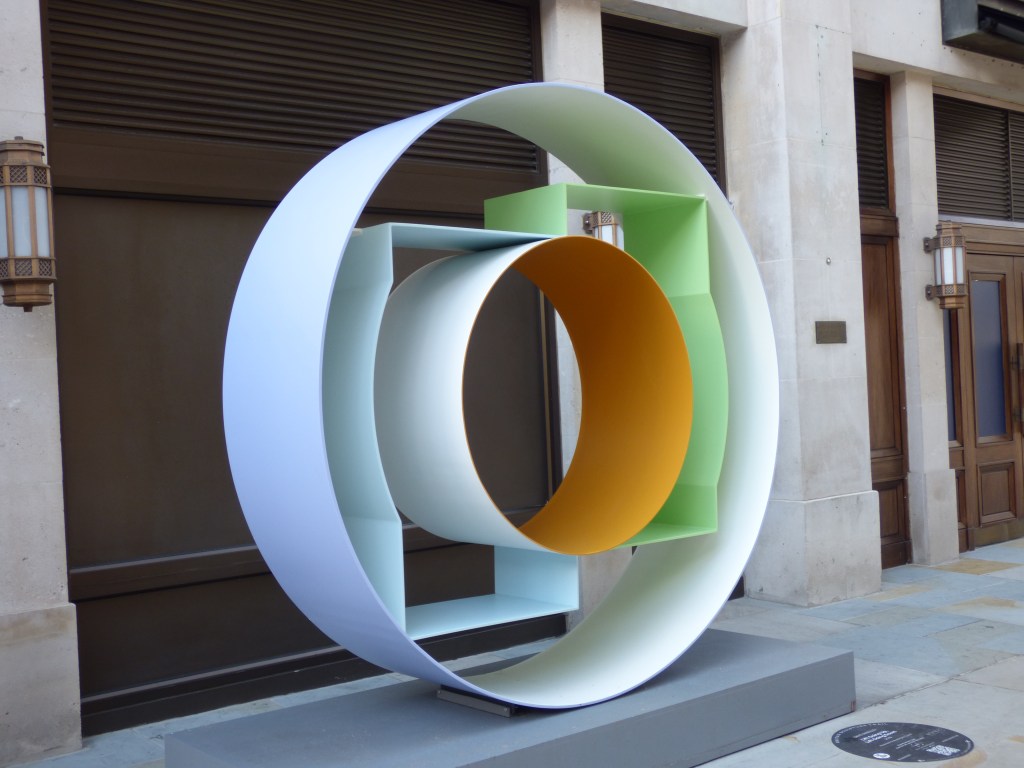
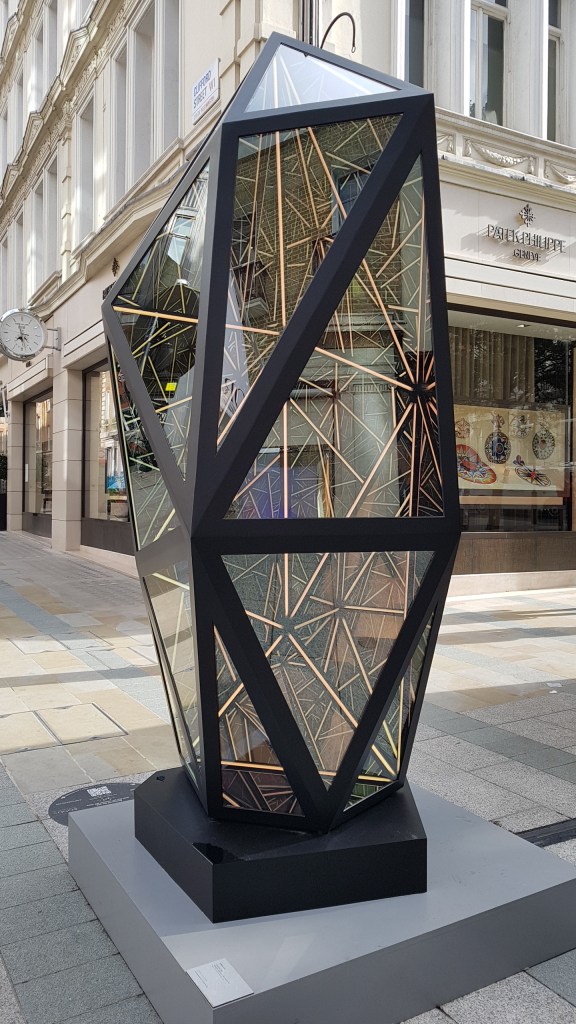
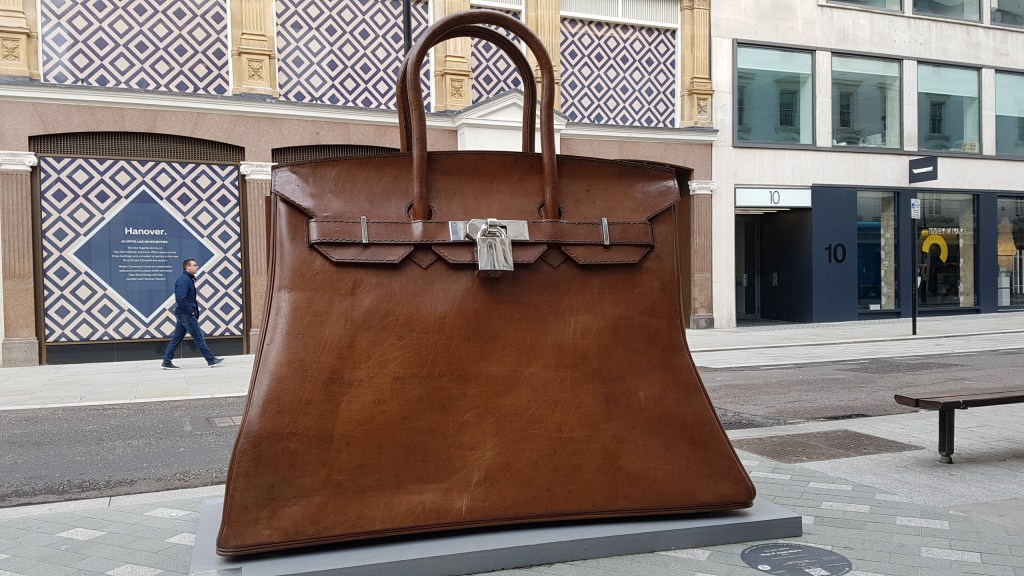
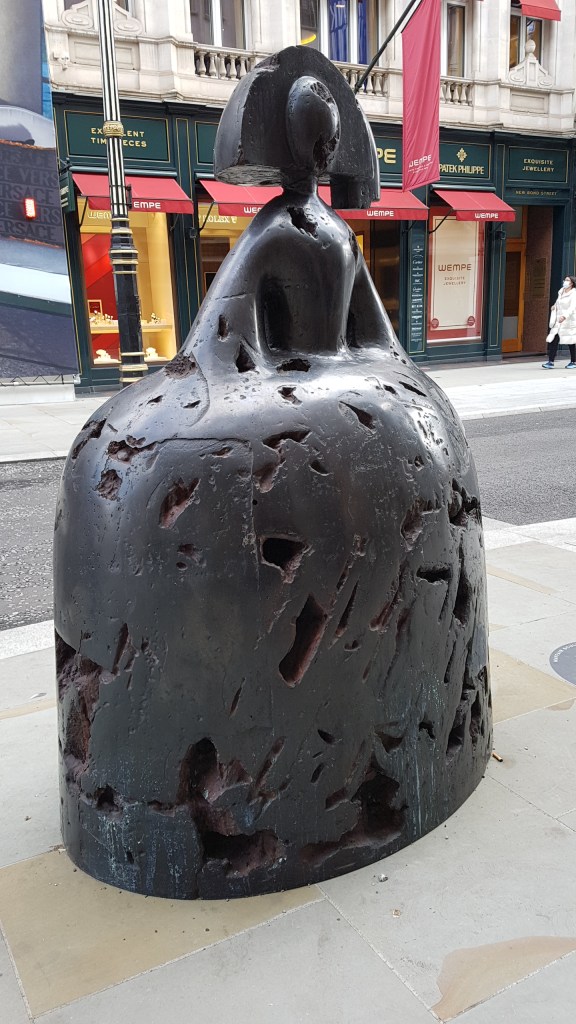
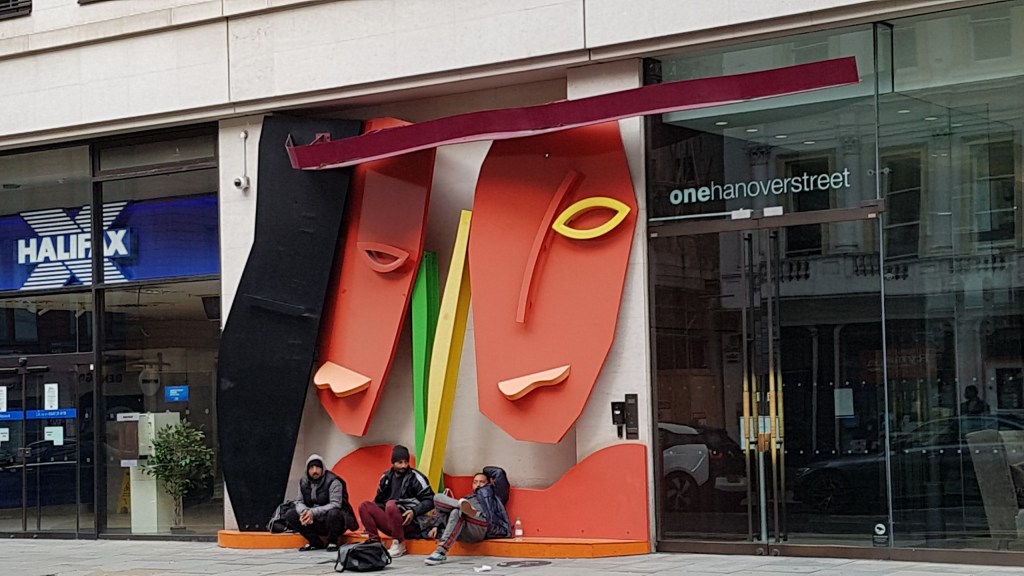
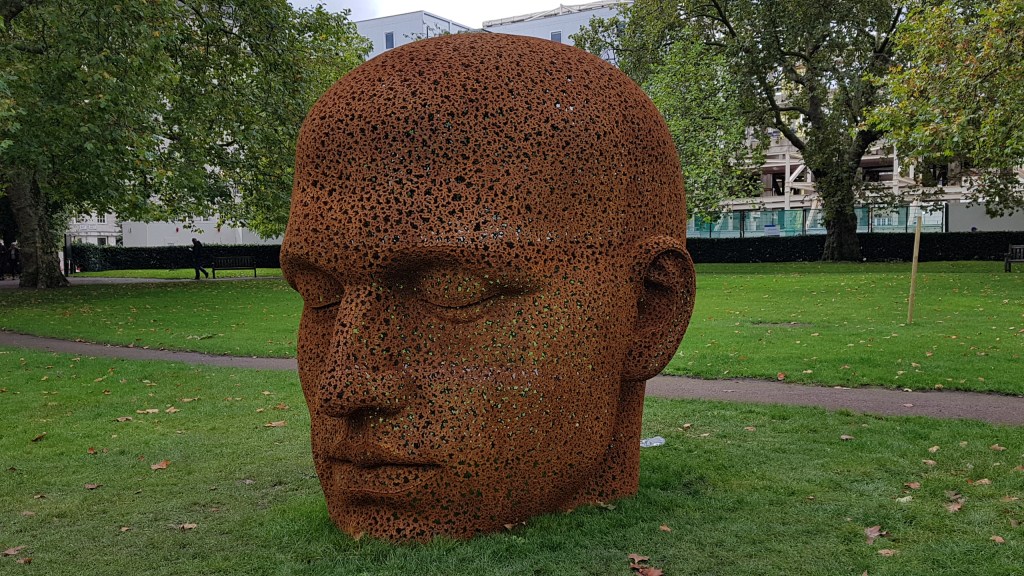
During October you can follow a sculture trail around London’s Mayfair district. The best place to start is Burlington Arcade, then follow the trail into New Bond Street, Cork Street. Maddox Street, One Hanover Street and Grosvenor Square. Two or three of these are permanent installations, such as Allies by Lawrence Holofener. It took me a morning to find them, though there were two I just couldn’t find. For more information about where to find the scupltures, the artists and materials see here
Here they are:
Zechariah’s Vision – Laurent Grasso
Shaggy Wolfhound – Patrick O’Reilly
Docker – Atelier van Lieshout
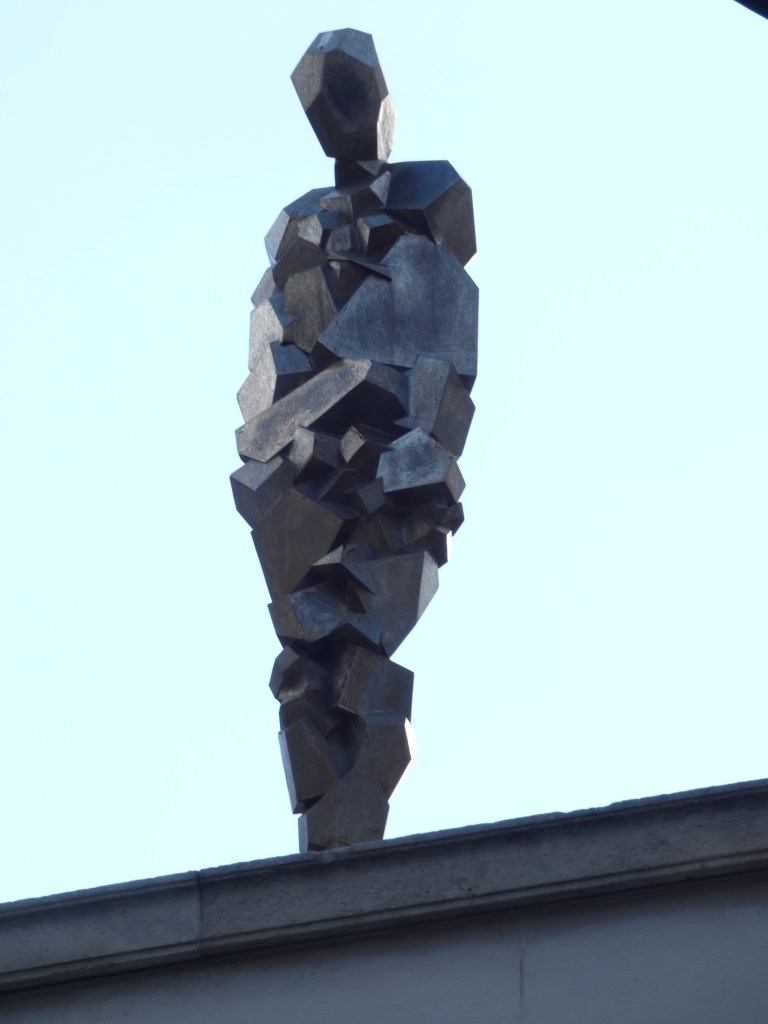
Cinch – Antony Gormley
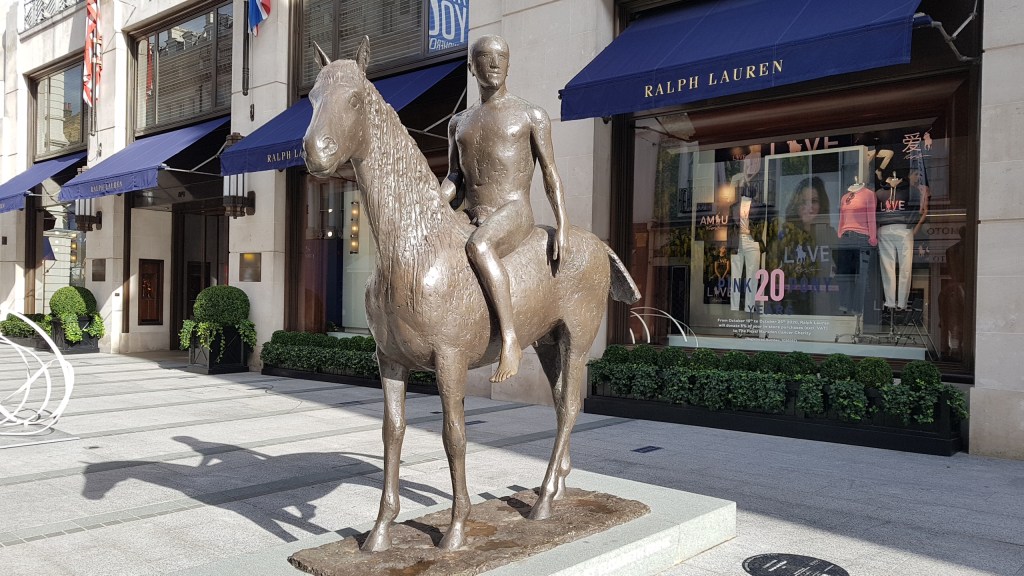
Horse & Rider – Elisabeth Frink (there is replica of this in Winchester)
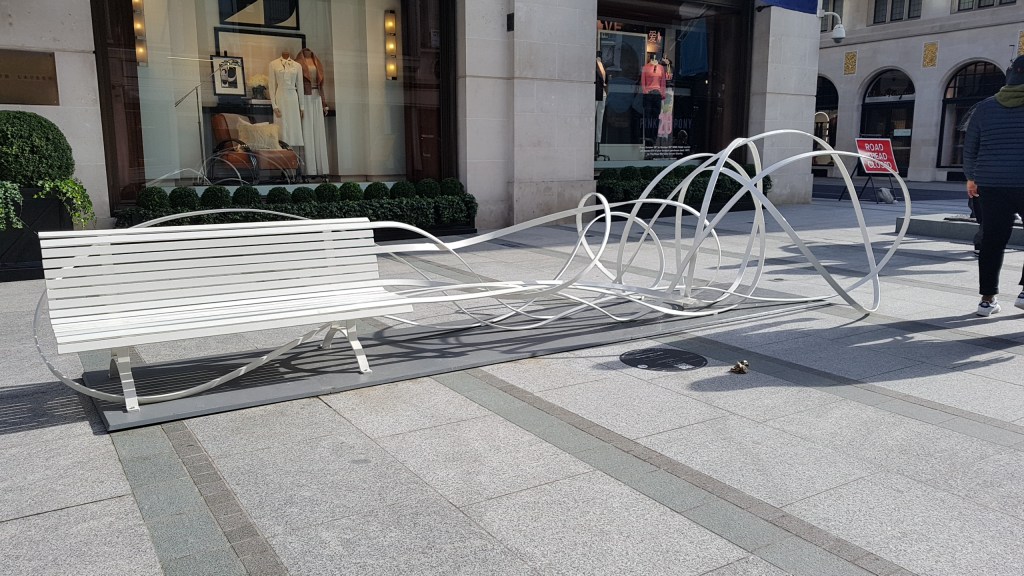
Simple Talk – Pablo Reinoso
Allies – Laurence Holofcener
Life Going Up, Lift Going down – David Annesley
Crystal 001 – Anthony James
Bag of Aspirations – Kalliopi Lemos
Manolo Valdes – Reina Mariana
Handbag Heads – Bruce McLean
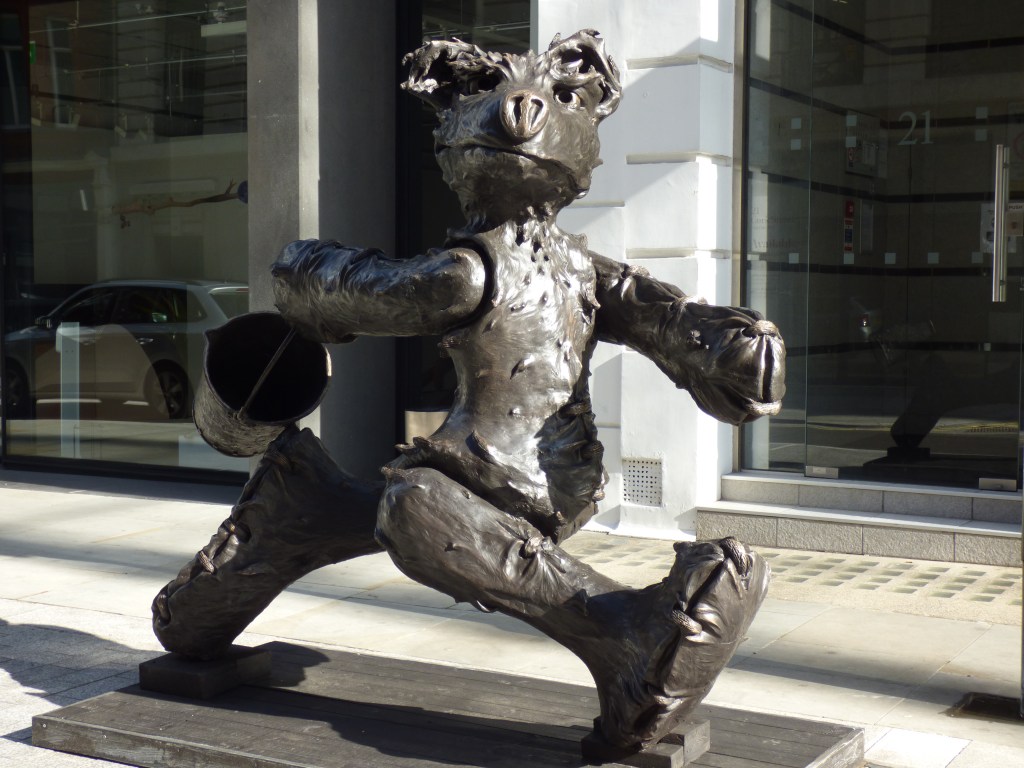
Bear with Bucket – Barry Flanagan
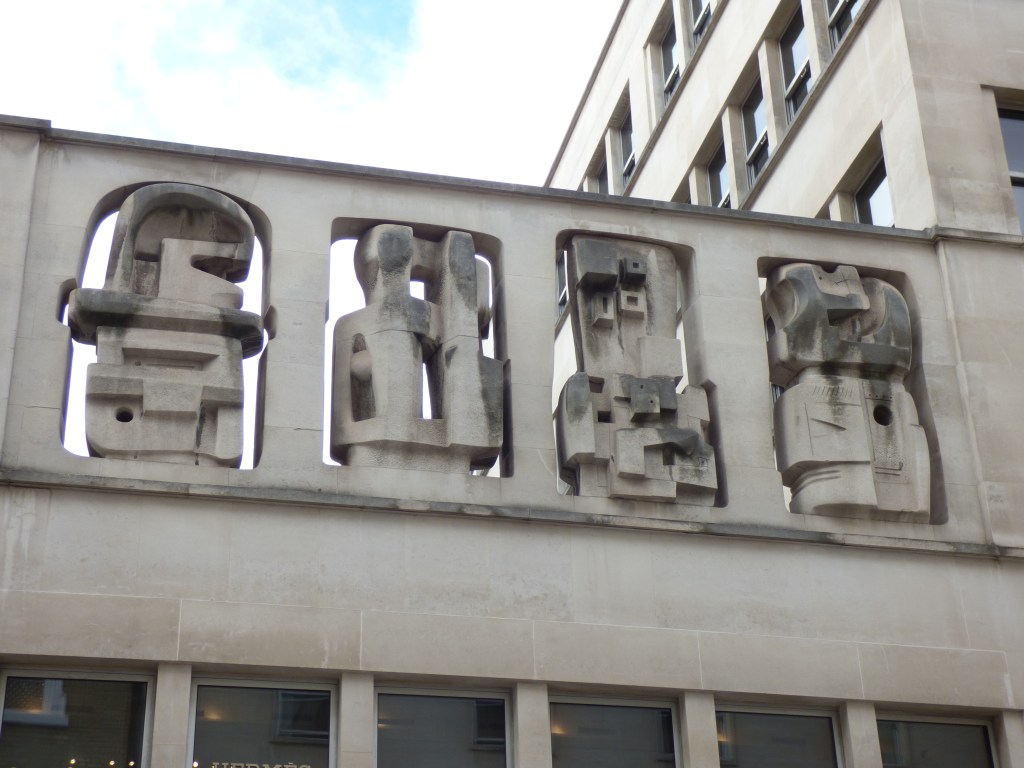
Time/Life Screen – Henry Moore
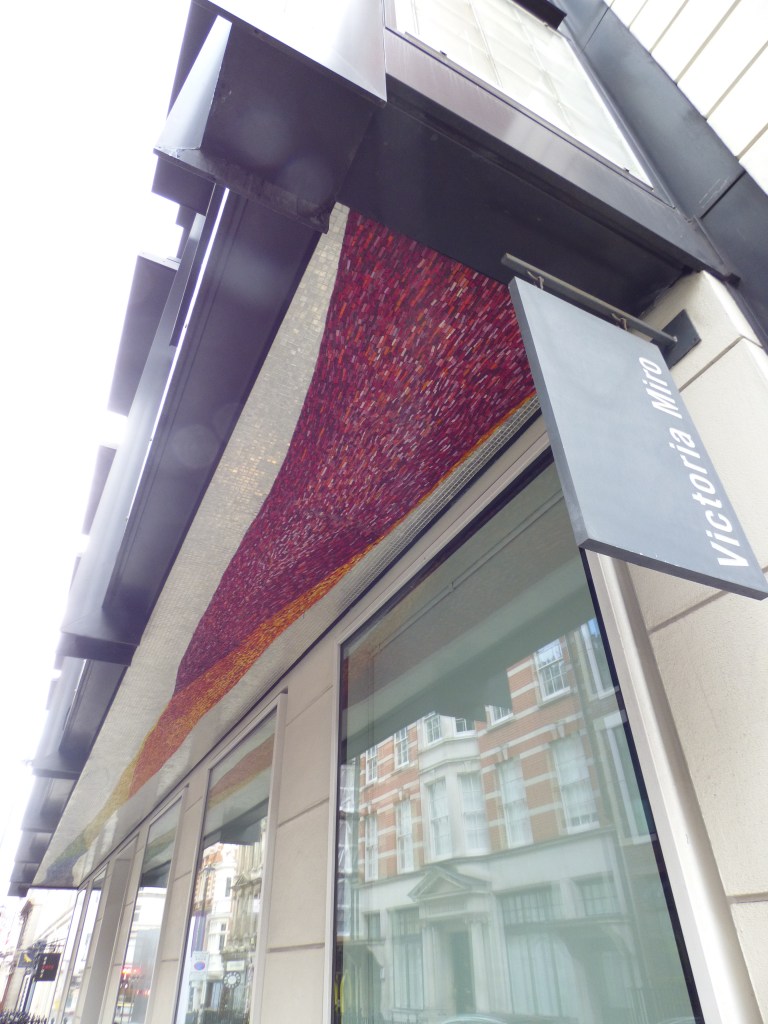
Spectral Stream – Antoni Malinowski
Mediatation – Seo Young-Deok
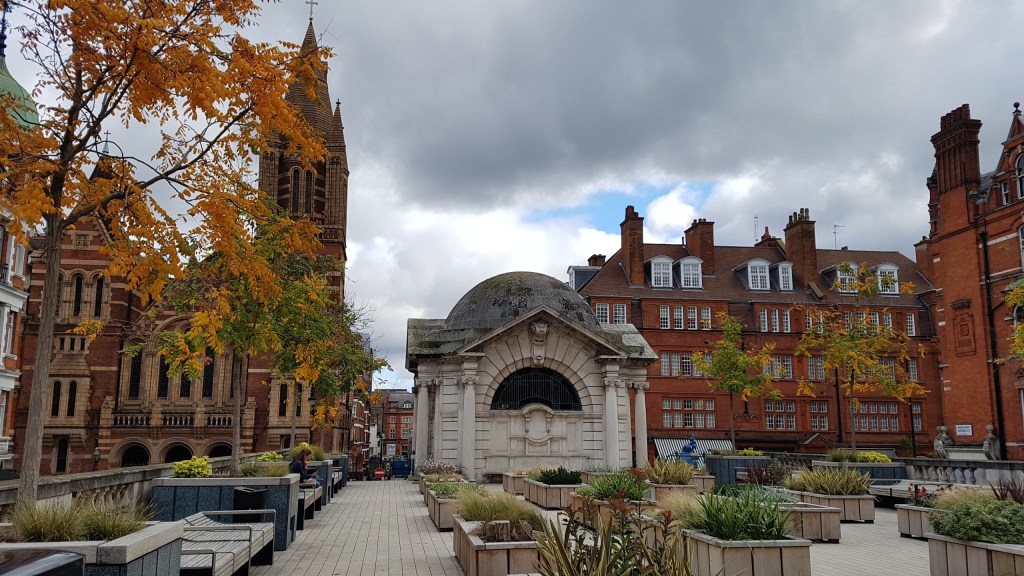
While I was in London I found Brown Hart Gardens totally by accident. How lovely and peaceful they look laid out above a former electrical sub-station. There is a cafe at one end too.
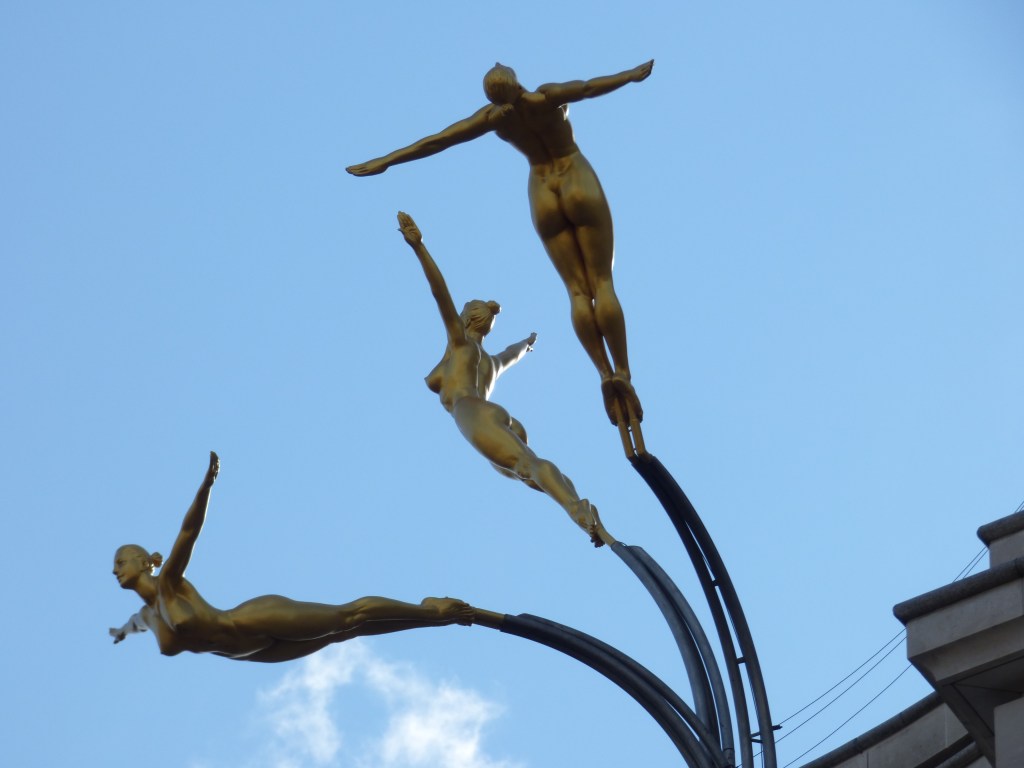
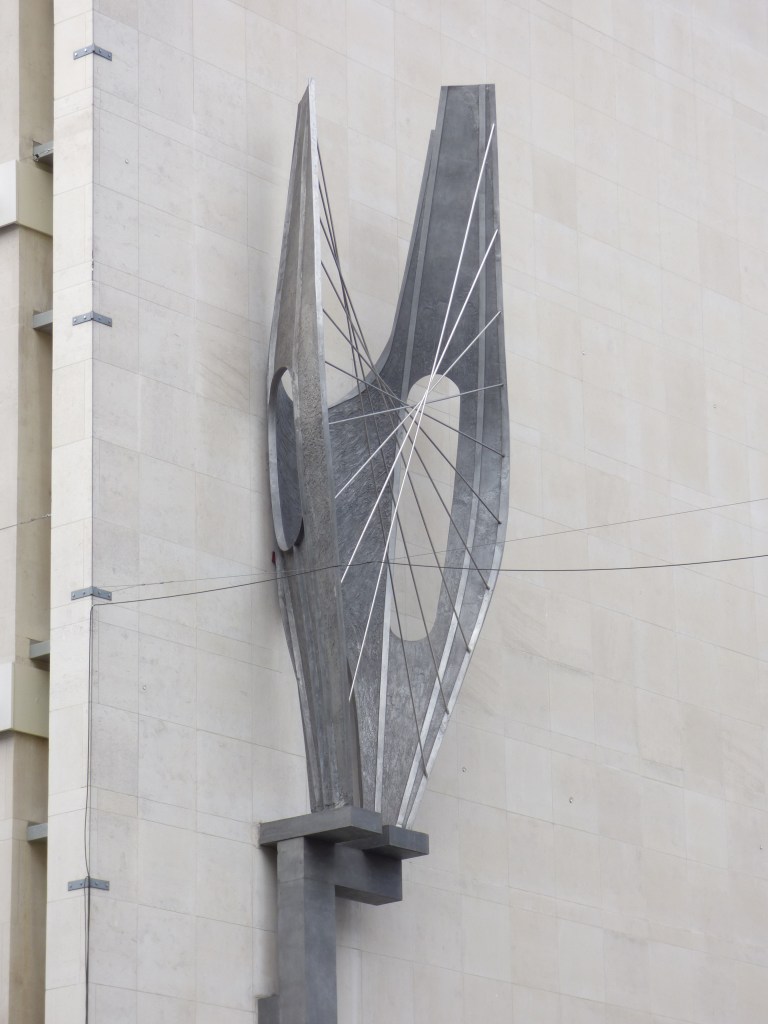
To finish off my morning I found these too (not part of the sculpture trail).
Near The Hard Rock Cafe
On the side of John Lewis Department Store – by Barbara Hepworth
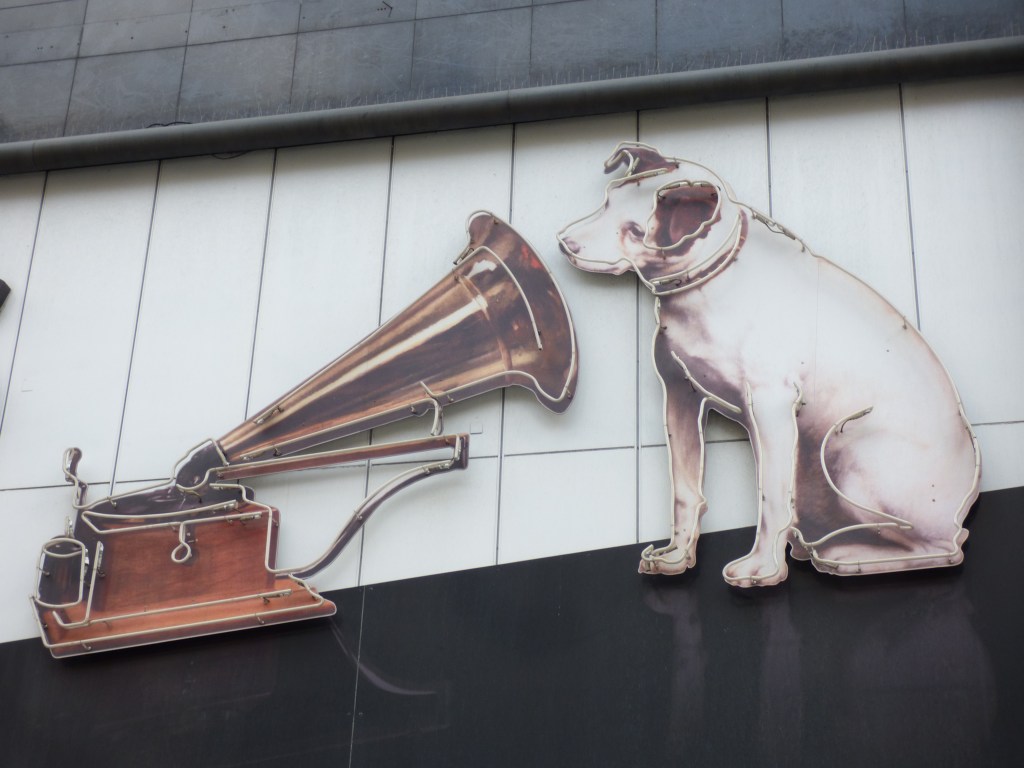
And something nostalgic – ‘Nipper ‘ above the now closed HMV store in Piccadilly
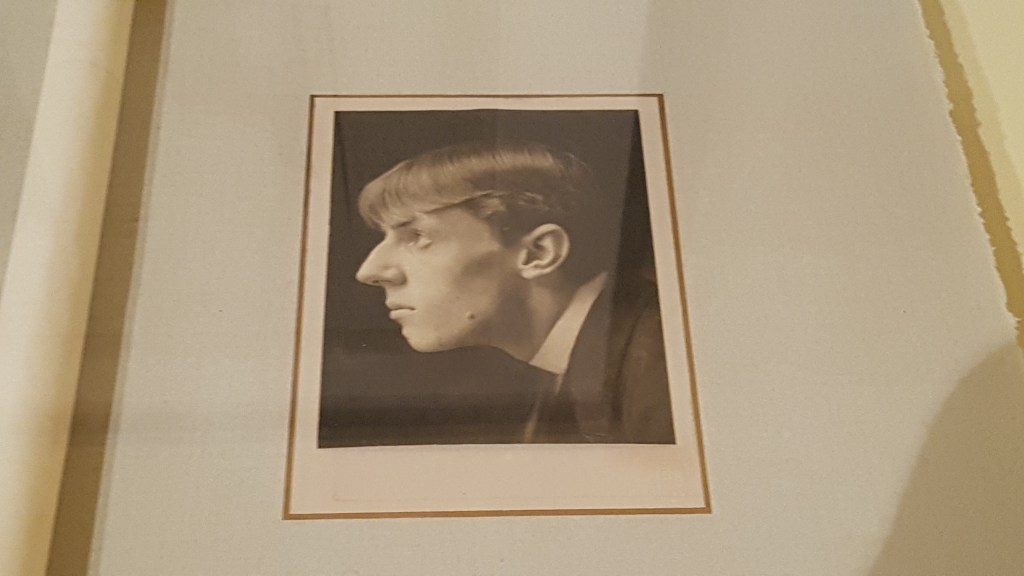
Aubrey Beardlsey was born on 21st August 1872 in Brighton. He was an illustrator and author, highly prolific in his short life. He contracted TB as a child and knew his time was short. He died at the age of just 25 in France, leaving behind an amazing array of artwork.
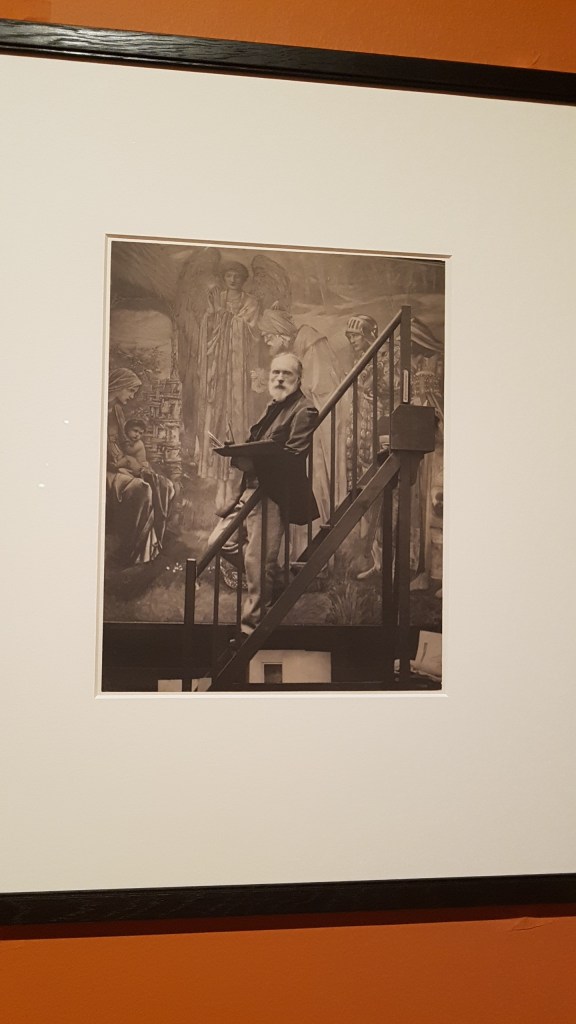
Edward Burne-Jones (in his studio) much influenced Bearsdley
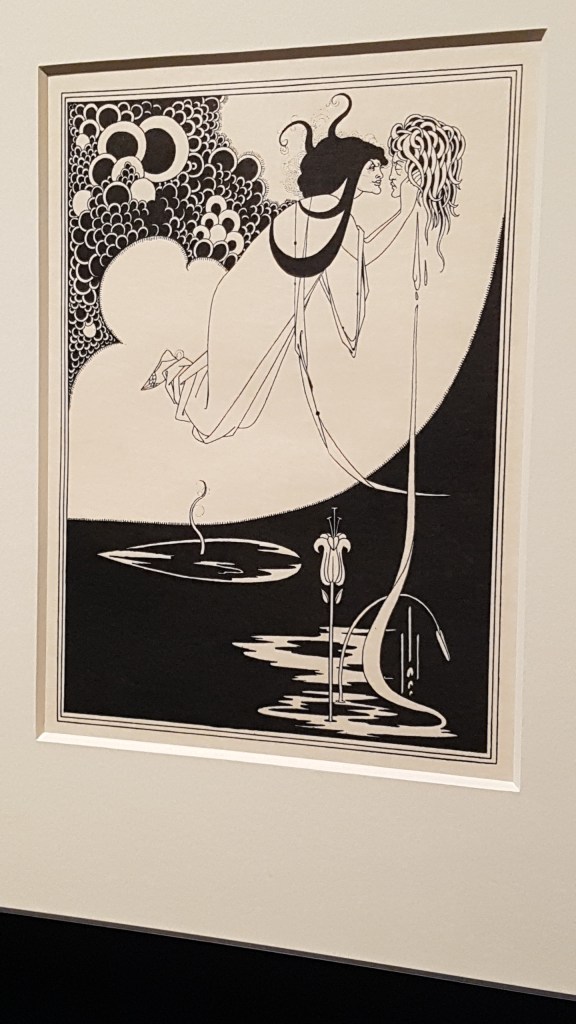
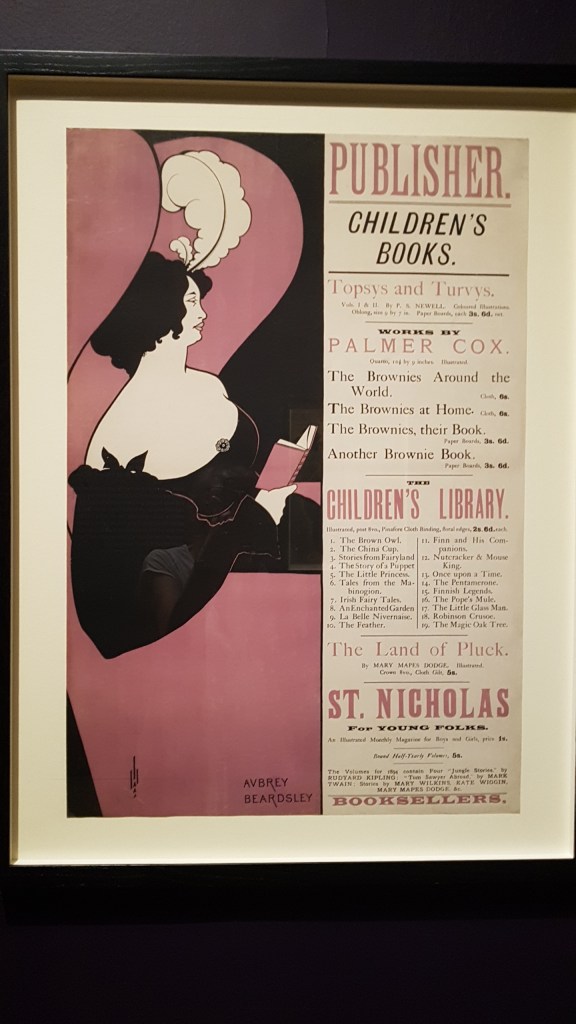
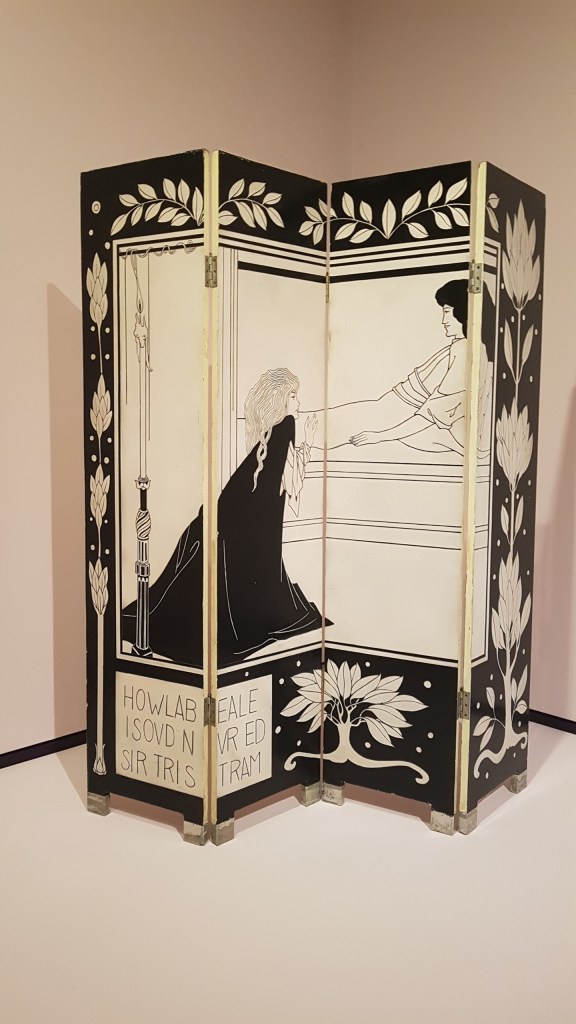
Bearsley was part of the aesthetic movement which included Oscar Wilde and was influenced by the pre-Raphaelite artist Edward Burne-Jones, whom he met. He was a controversial figure of the art-nouveau era with his dark, perverse and erotic drawings in pen and ink. He illustrated many books (Le Morte d’Arthur, The Rape of Lock and Wilde’s Salome) and posters. Having been sacked from one publication he started his own, The Yellow Book.
I first came across Bearsley when I was in my twenties and I ventured into drawing with ink. A friend showed me her own drawings and I loved the medium. I borrowed a book about Bearsdsey from the library and copied a few of his drawings, along with some Japanese ink drawings (which also influenced Beardsley). Many years later I attended a stunning exhibition of his work and bought the exhibition guide.
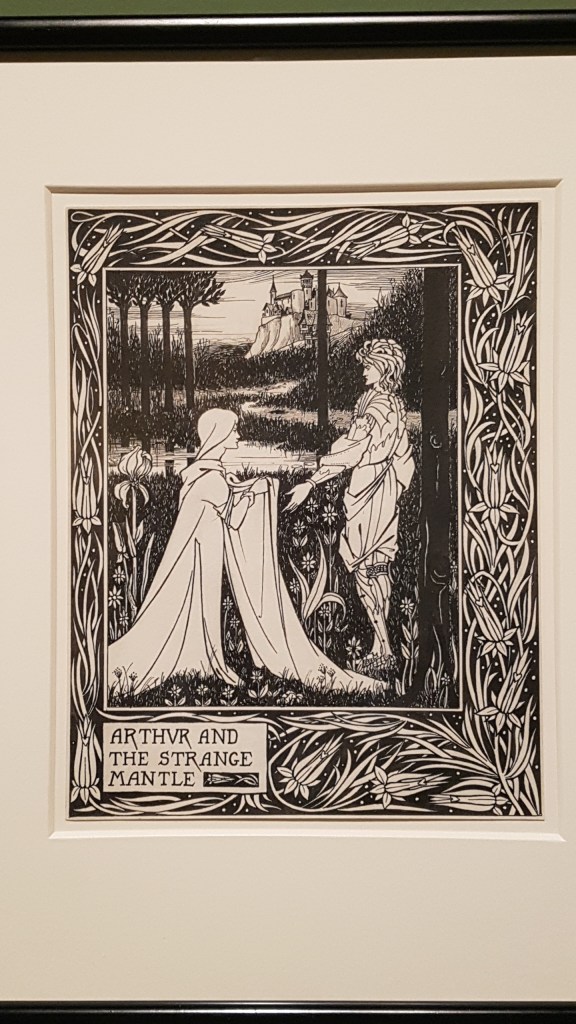
One of my favourite pieces
This exhibition closed as lockdown came and I wasn’t sure whether it would ever open again, but it did, and I went along last week. Many of the illustrations I had seen before, but I’d forgotten just how prolific his work was. I guess if you know your life is going to be short, you go for it!
One of Beardsley’s posters
My only grump about the exhibition was the number of people. I did not feel comfortable being in such close proximity to others. People were queuing to see prints, with people spending a long time in front of one, and that caused the room to overfil. There seemed to be no social distancing and no gallery staff in rooms. The only thing managed was the numbers entering the exhibition when we were told the first room was smaller and may seem more crowded. This was a far cry from the Royal Academy where I’d been a couple of weeks earlier. The Tate had only opened that week, so maybe things will improve, but as things were, it spoilt my day and I didn’t spend as long inside as might have otherwise. If there were reduced numbers it didn’t feel like it. It felt like a normal exhibition.
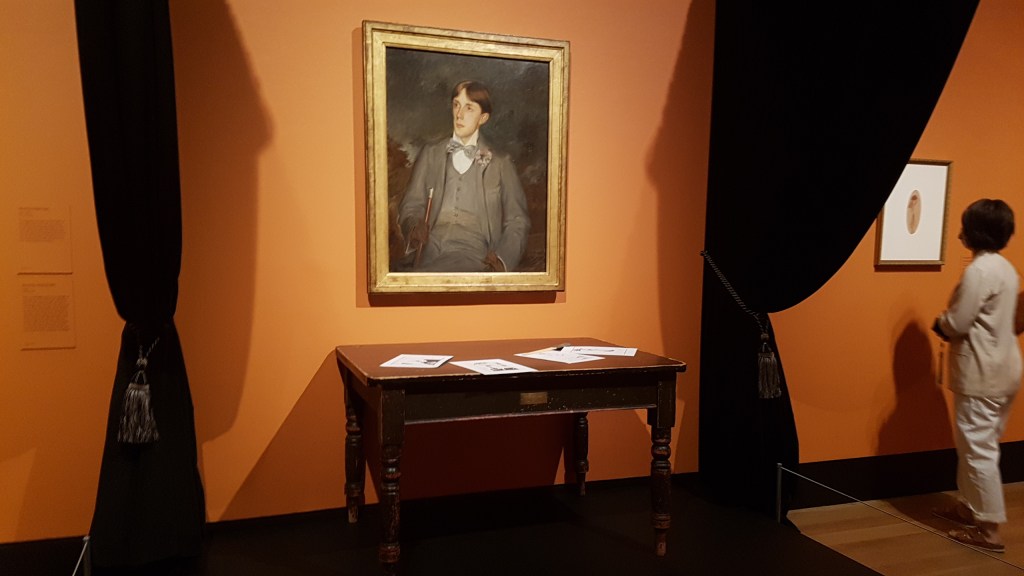
Portrait of Beardlsey over his drawing desk
Thankfully, I have seen most of the art work before, and I had a reduced ticket. If I’d paid full price I wouldn’t have been happy ayt all. I was glad to get outside again and didn’t even visit the shop!
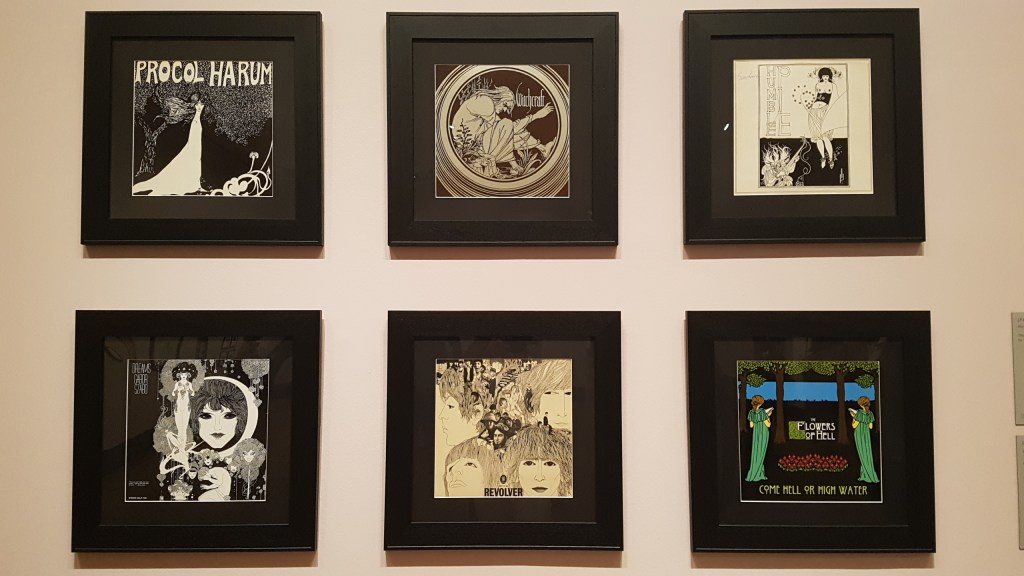
Beardsley influenced many to come – here are some LP covers
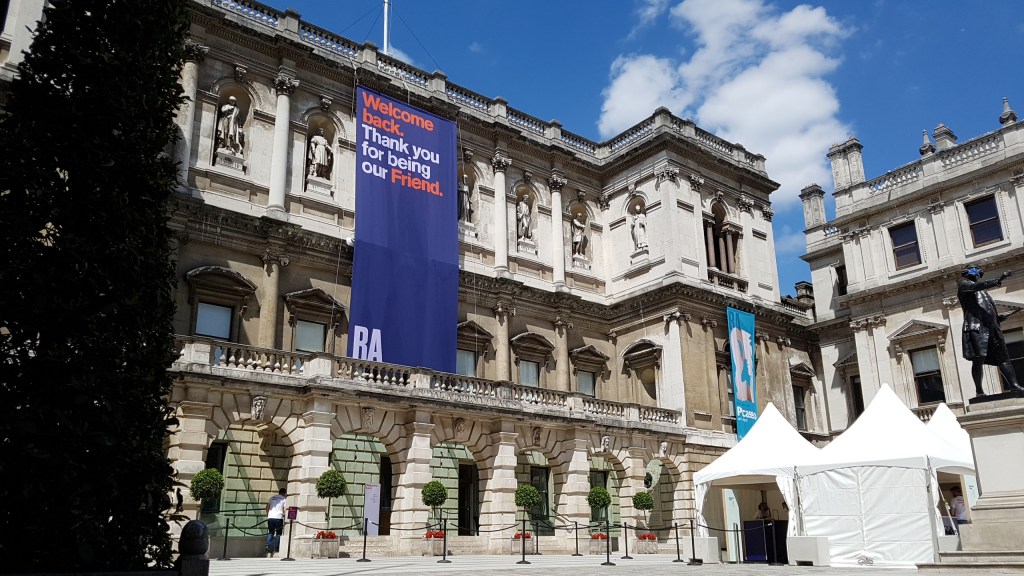
Some normality in life came with a visit to the Royal Academy last week. As museums and galleries begin to reopen, tickets are going like hot cakes. I was lucky to be able to book a ticket early on. Already there was limited availability, but I got one! I believe a second batch of tickets will be released shortly, but for now they have all sold out.
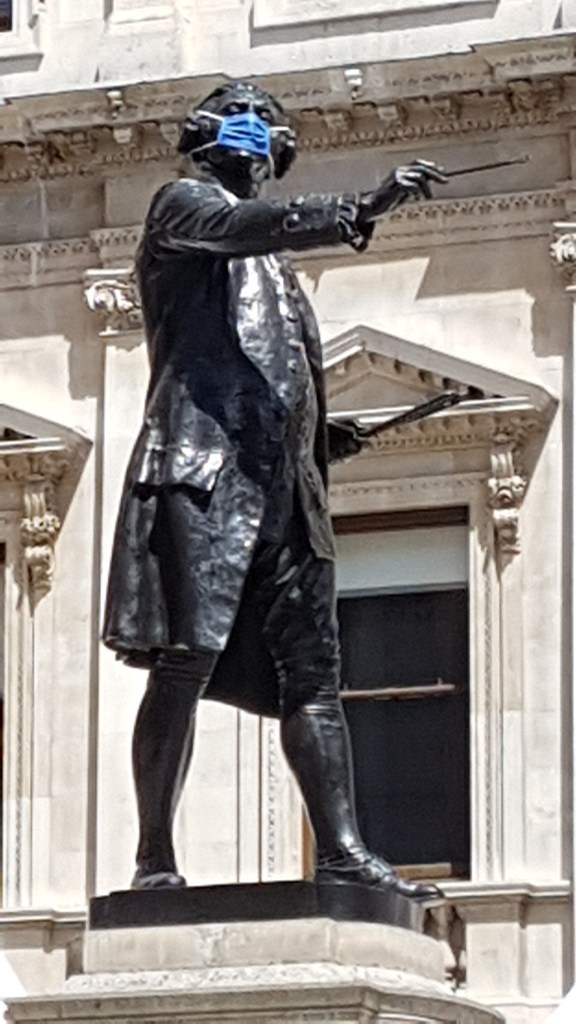
Even Joshua Reynolds is entering into safety procedures!
The staff managed the whole operation well. My timed ticket was for 2pm. Arriving a little early I took the opportunity of buying a cup of tea from the refreshment stall outside. Then I queued up. A young lady informed me of the procedure, including the timing (an hour for the exhibition), and soon I was in (hands sanitised, mask on, ticket scanned). Just to say that the toilets are open and a small shop is set up outside the exhibition for purchases of items on the theme of Picassco, and some other items too. The staff are quite happy to go and find any other item you might want from the main shop behind, but access to that is for staff only.
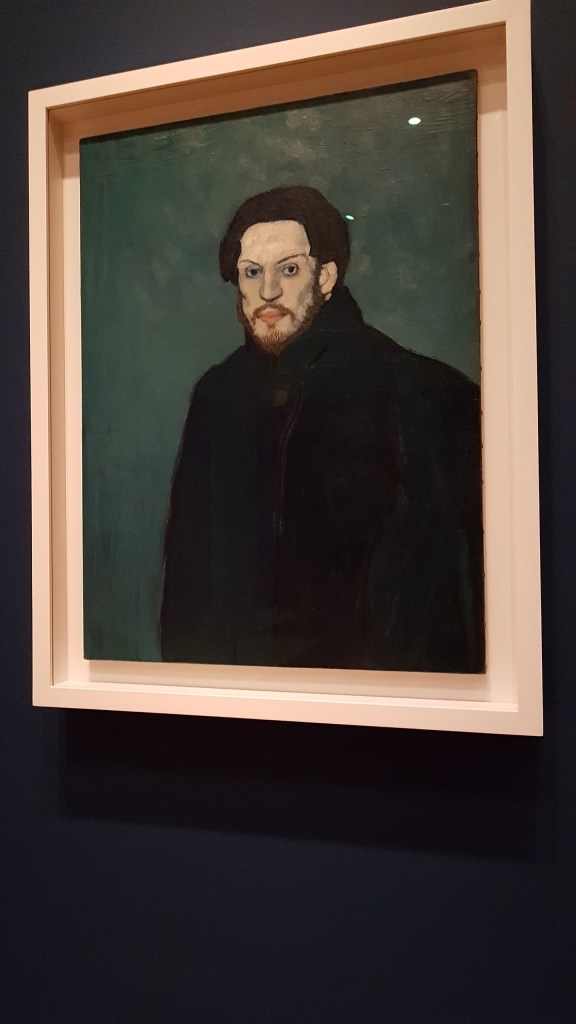
Self portrait
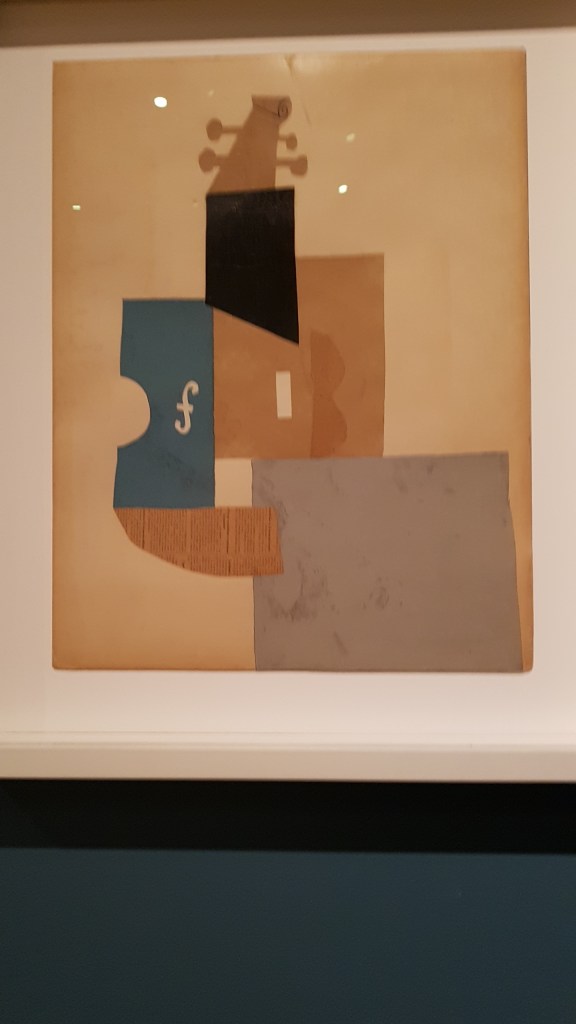
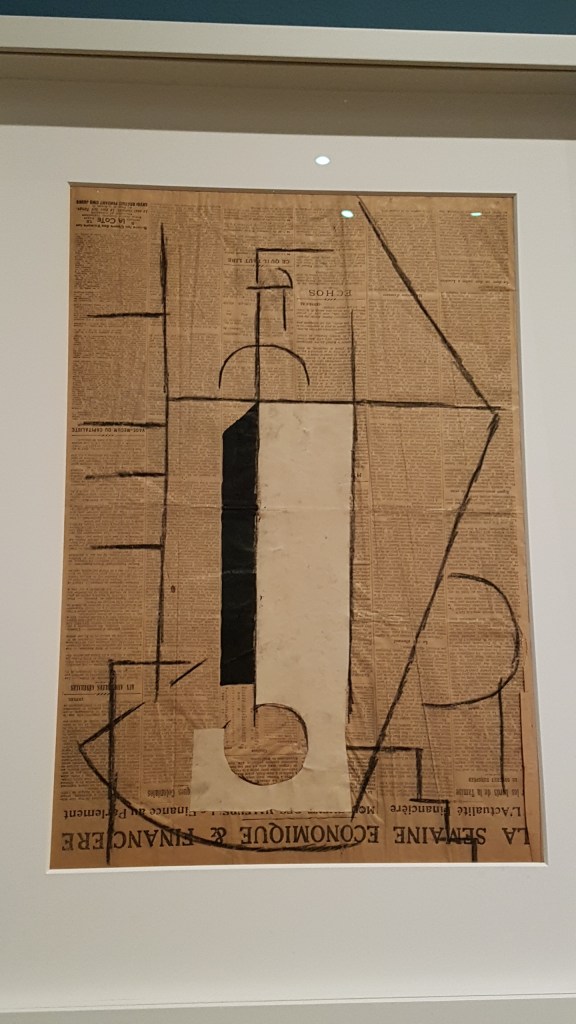
The contrasts of PicassoGuitar
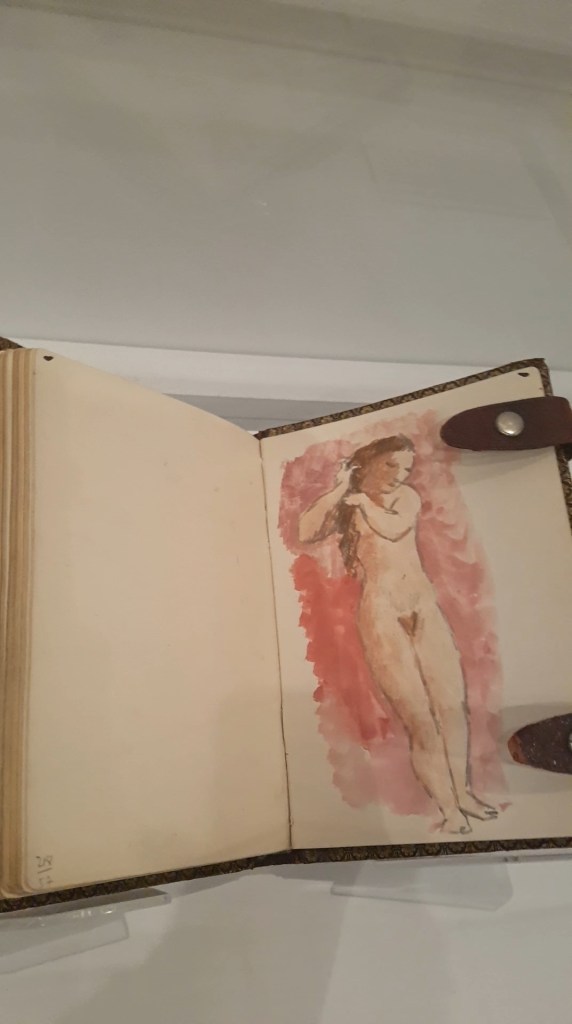
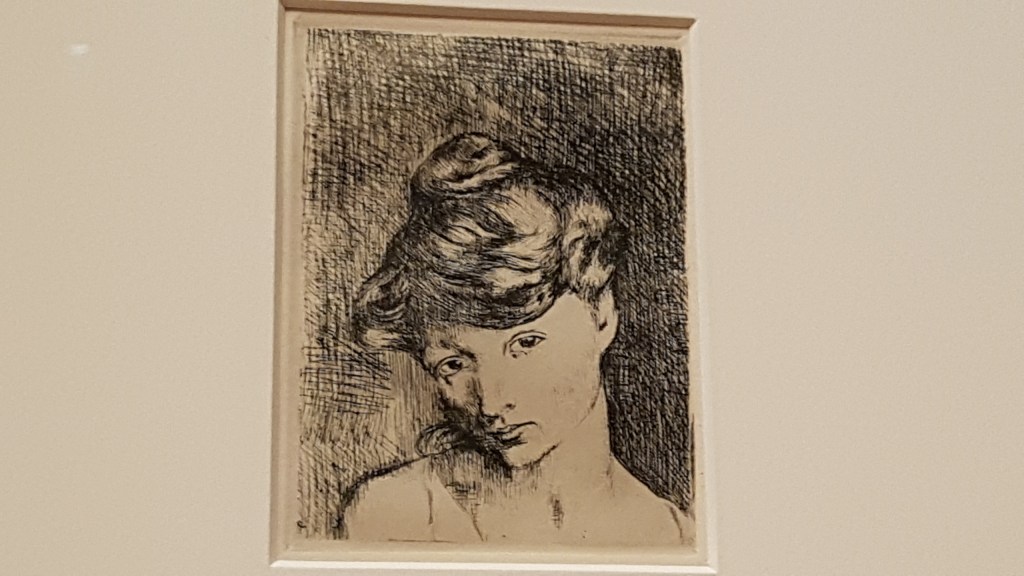
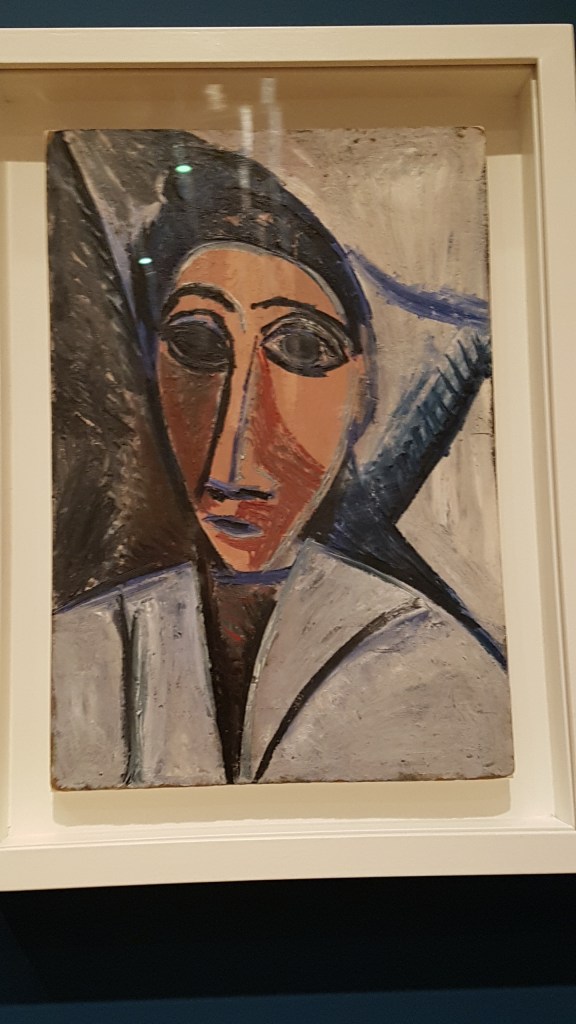
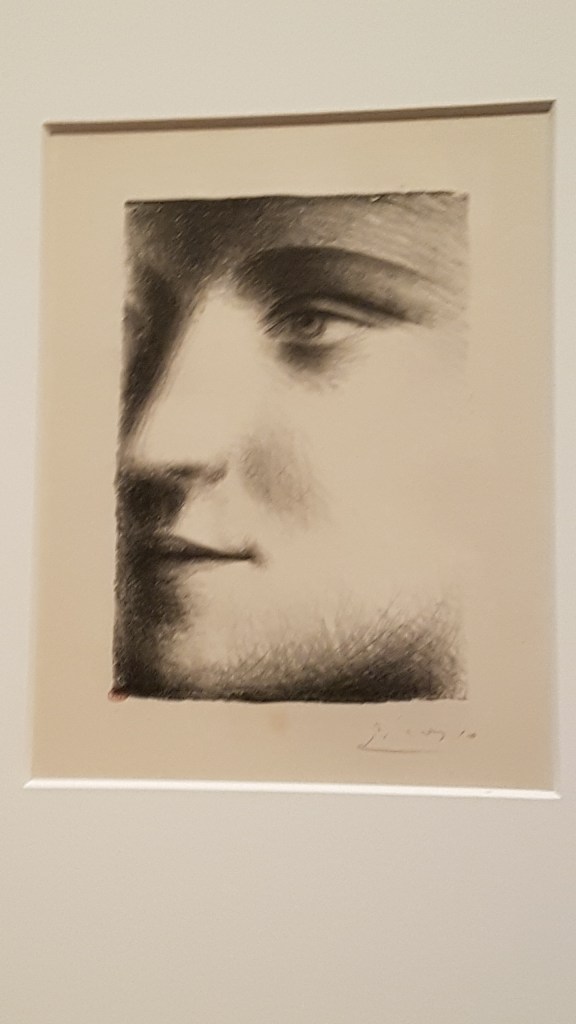
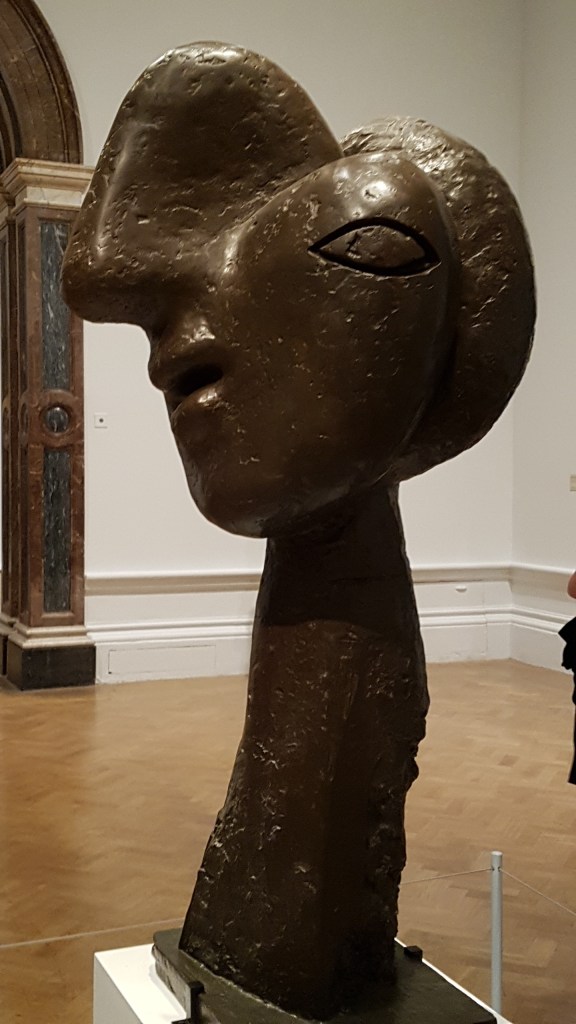
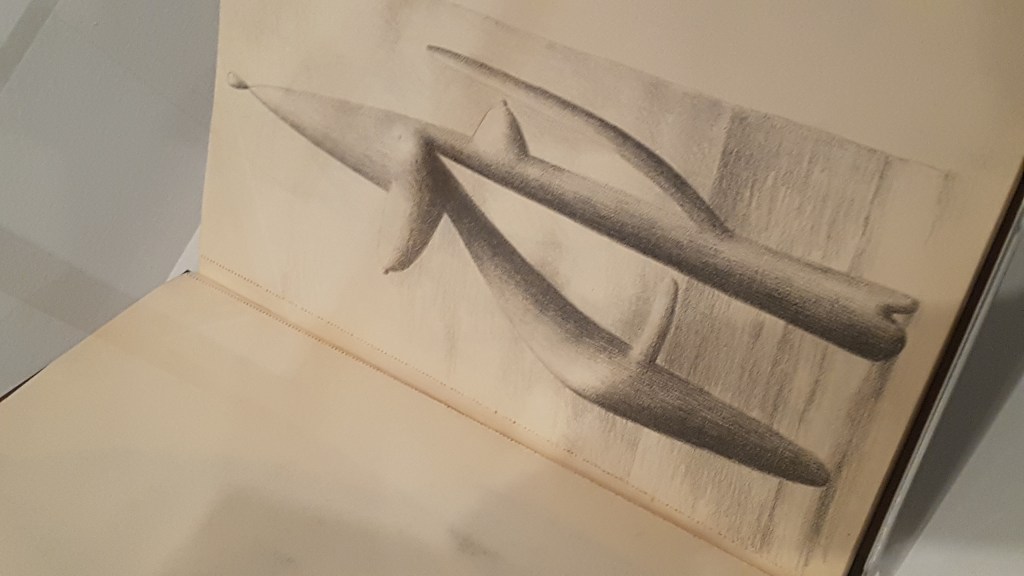
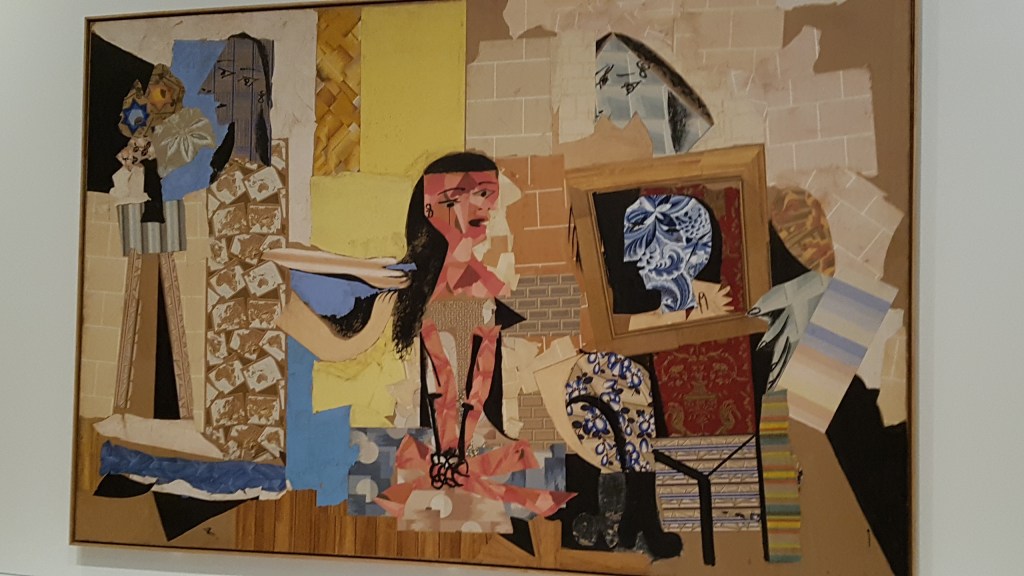
The exhibition featured work throughout Picasso’s working life. One forgets the earlier works, I think, because we tend to see Picasso as a Cubist artist, but Picasso used many styles and experimented using whatever was to hand. His work was constantly evolving, and that makes him fascinating.
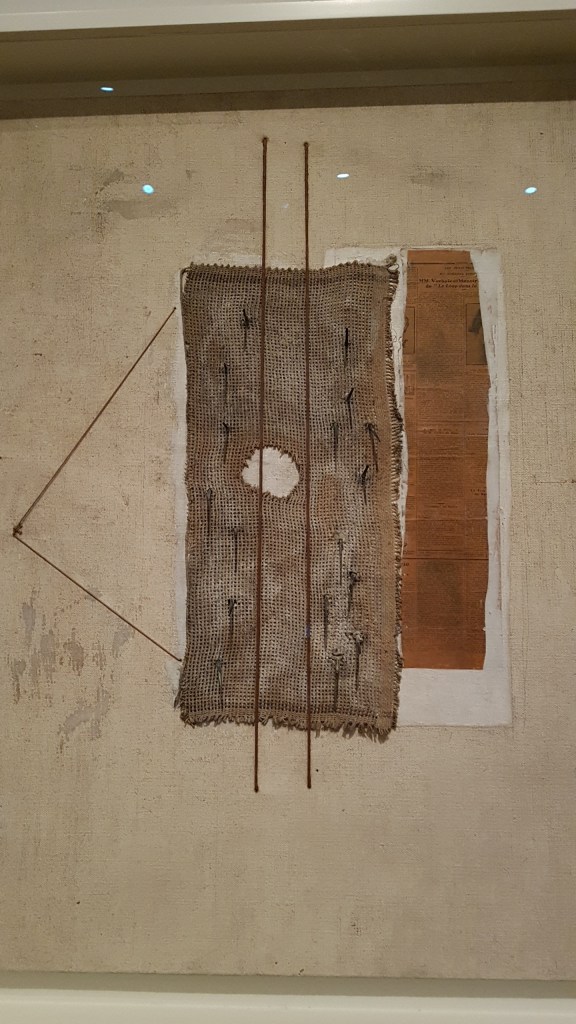
More guitars
I loved his early works, but was surprised how much I liked his modern art. I was particularly drawn to his series of ‘guitar’ works using collage with paper cutting, string, and even 3D. Last year I saw his ‘blue period’ art works in an exhibition, but this is far more comprehensive as it spans so many styles and subjects. Picasso even worked on scenery and costume design for a play. It amazed me how prolific he was as an artist, and right to the end of his life he still experimented. I found this a truly inspiring exhibition.
Two bathers on the beach
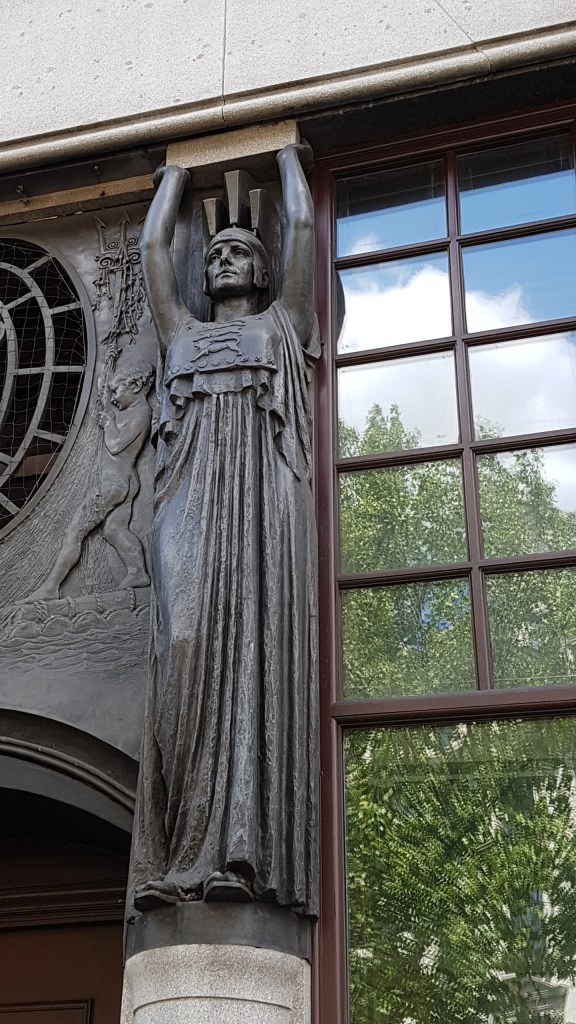
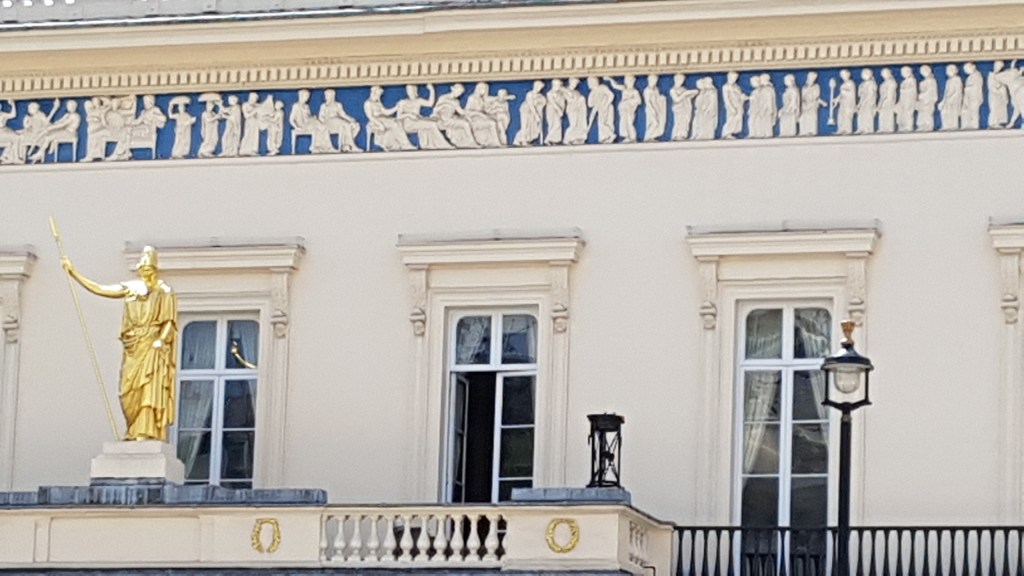
Both before and after the exhibition I found time to take some photos of London buildings around Piccadilly, Regent Street and so forth. We tend not to look up when in London, but we miss so much if we don’t. London was much quieter than usual, and even the so called ‘rush hour’ just wasn’t a rush. The train was slightly busier, but social distancing was possible with ease.
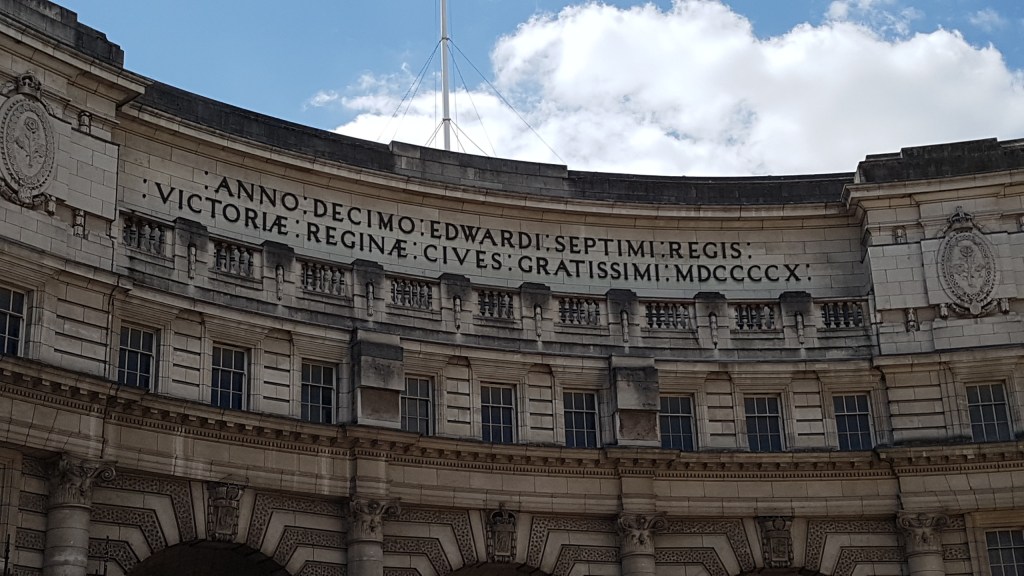
Admiralty ArchA little art deco near The MallDesigned by John Nash, I believe
Please note that entry to the Picasso exhibition is by pre-booked timed ticket only. You cannot enter the building without a ticket. Please refer to the website for information about booking and safety.
This has been a slow week. Not being able to get to places is starting to take its toll. The weather has also changed, though the garden really does need the rain. This afternoon we had a short thunderstorm and a decent amount of rain at last.
Our Farmer’s Market was up and running today for the first time since lockdown, but unfortunately the fruit and veg stall wasn’t there. There were only perhaps six or seven stalls. I do hope the other stalls come back soon.
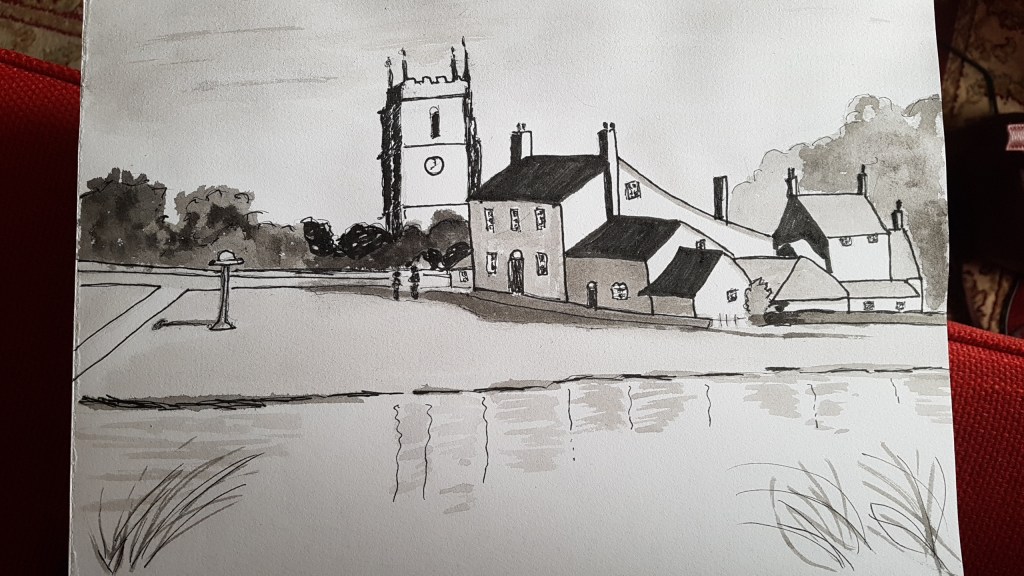
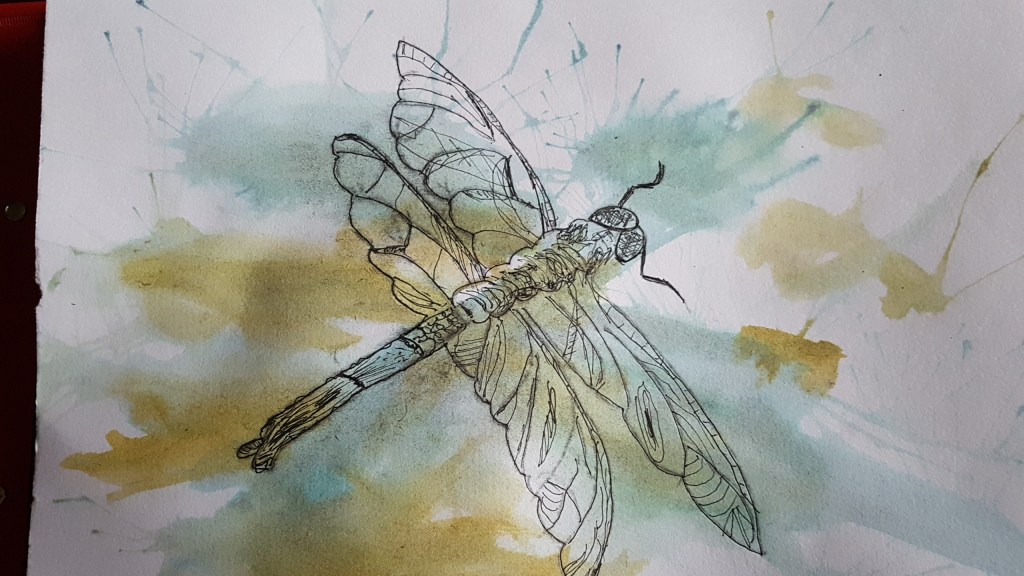
While other shops are starting to reopen, the only ones I’m interested in are book shops. The decent one is bus ride away. What I long for is the re-opening of museums and galleries. To say that boredom is setting in is an understatement. To try and keep sane I have been dabbling in art and experimenting with different forms. I’m a hopeless watercolour painter, but I do like using pen, ink and charcoal. I’m mixing things up to see how they work. Felt tip pens and crayons are also quite good fun.
Pen and ink wash
Ink and pen
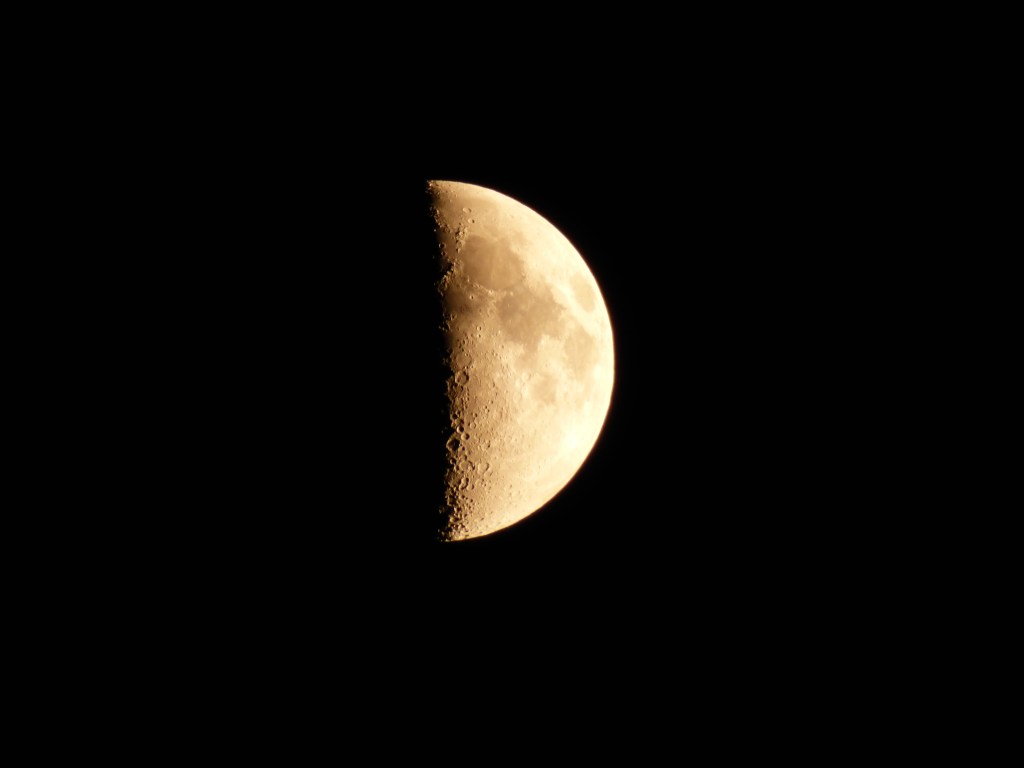
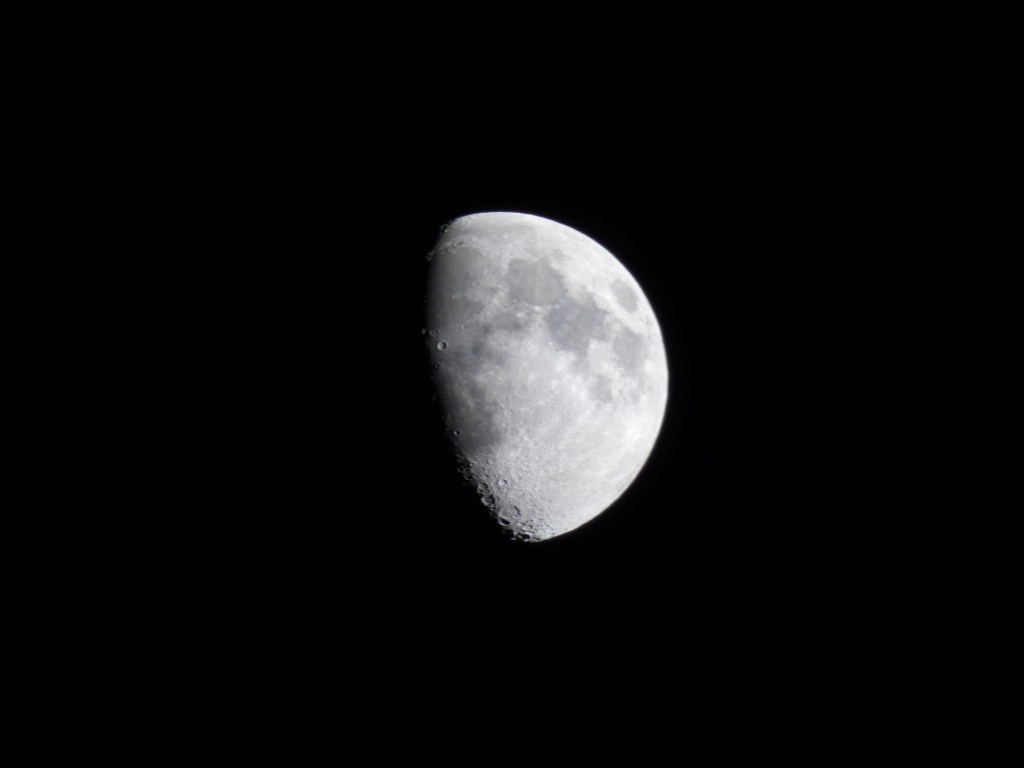
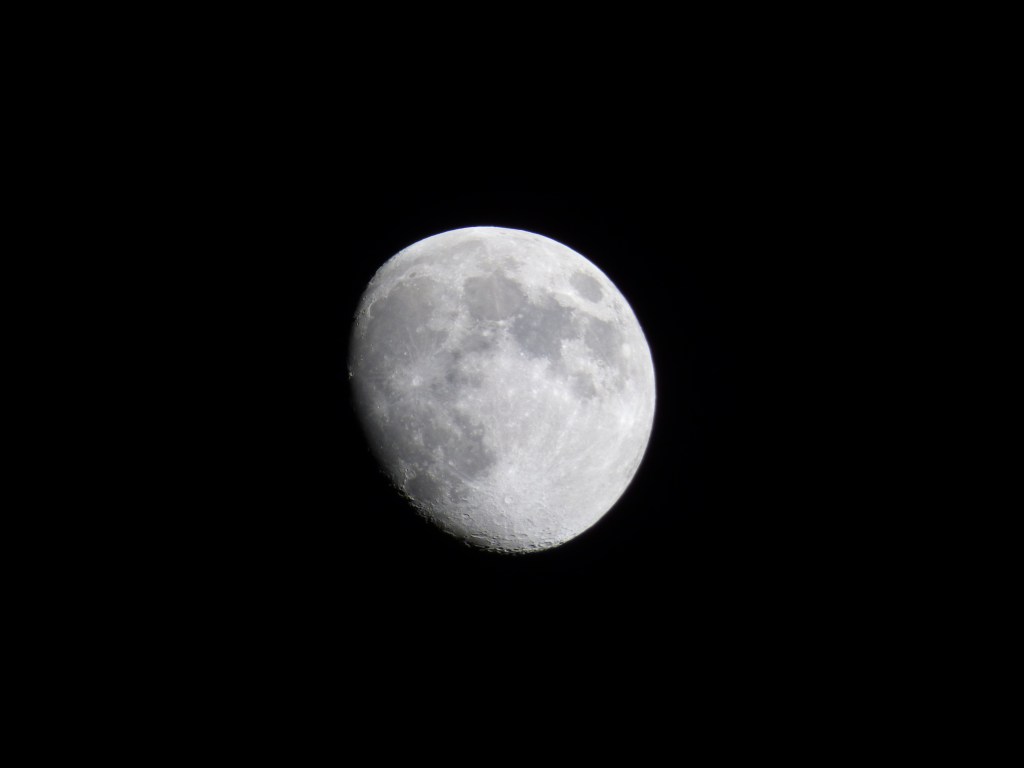
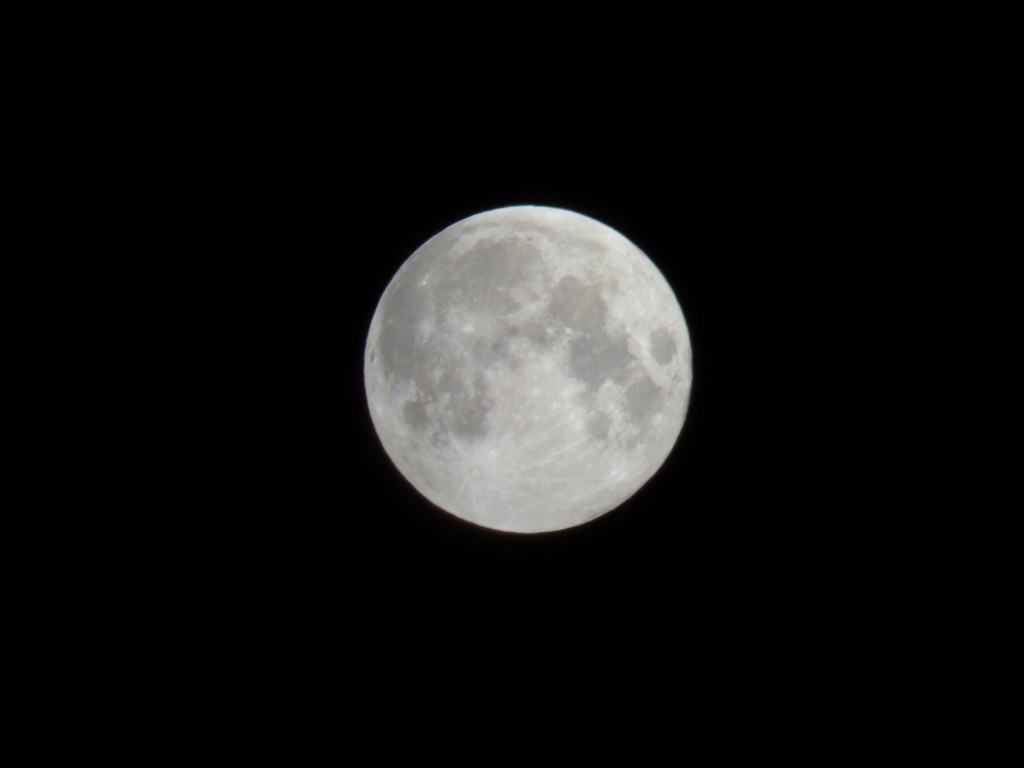
I’ve also spend time trying to capture the moon in its phases as it reached its fullness yesterday (5th June). But we had two nights of cloudy skies and I wasn’t able to see the moon. Then last night I got up to use the bathroom and through the window I saw the moon. Well, I had to capture it even though it was 3am and it meant standing in the back garden in my dressing gown. For a couple of shots I leaned out of the bathroom window. Success!
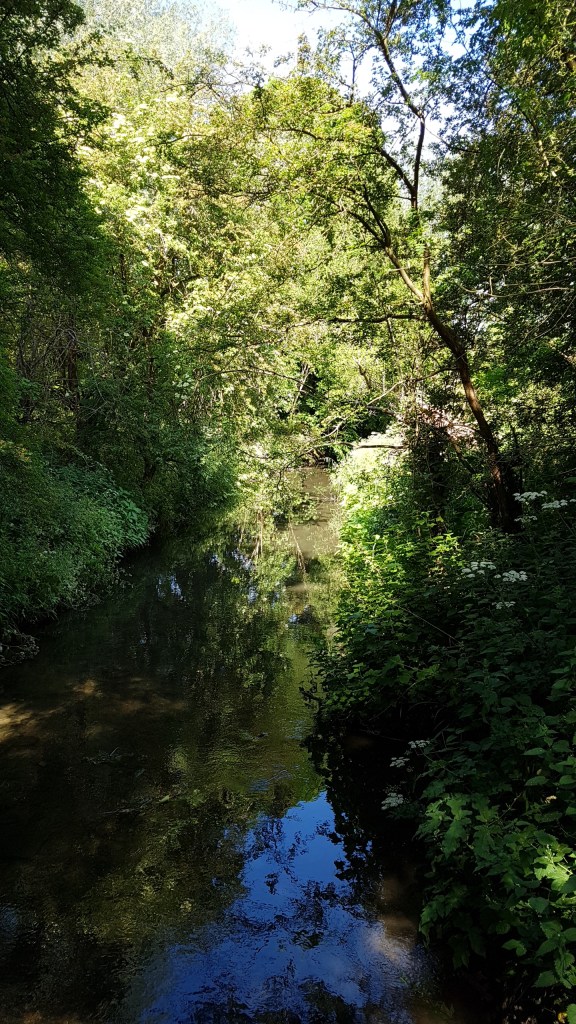
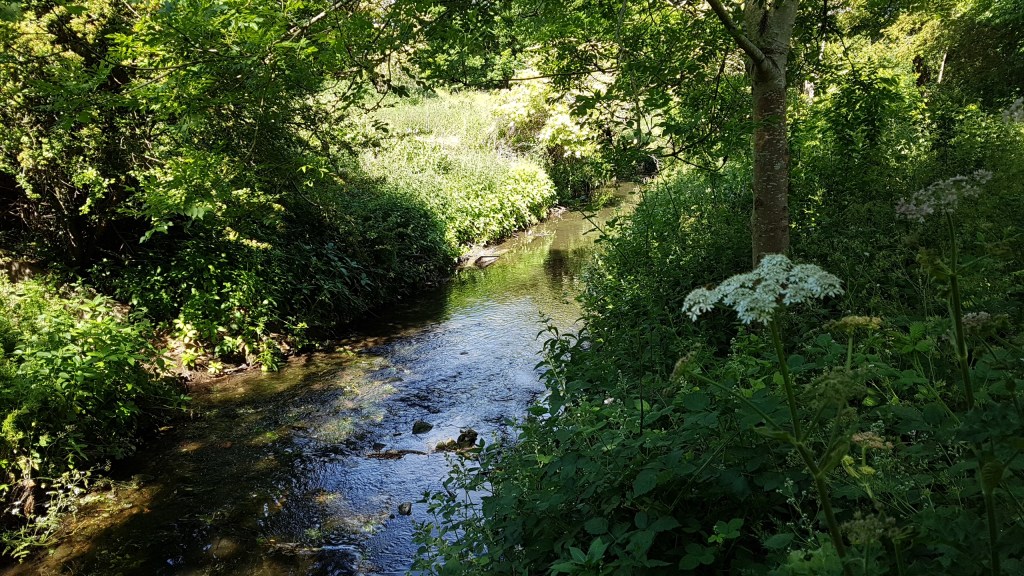
The Hogsmill River rises in Ewell and runs into the River Thames at Kingston. The length is approximately 6.2 miles. In the past I have walked it, doing it in two sections, but last week it was just a small section I wanted to re-visit, the site where John Everett Millias painted Orphilia.
The last time I walked this section there was no physical evidence of where the painting took place, but this could have been because I was on the wrong side of the river, or the area hadn’t had any notification. I think the former is more likely as I found myself on the wrong side of the river..again! I had to double back and enter Six Acre Meadow, which somehow I’d missed!
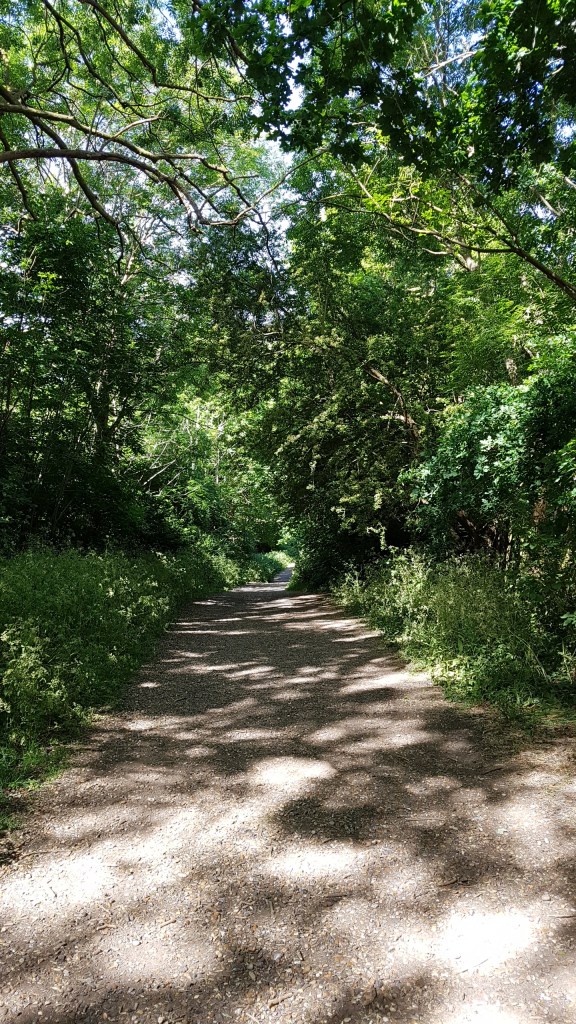
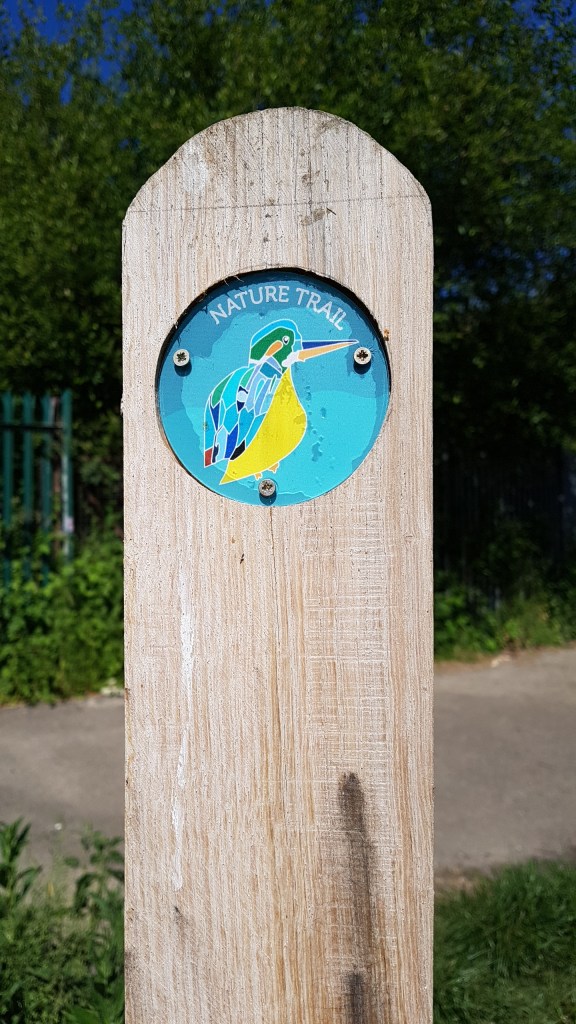
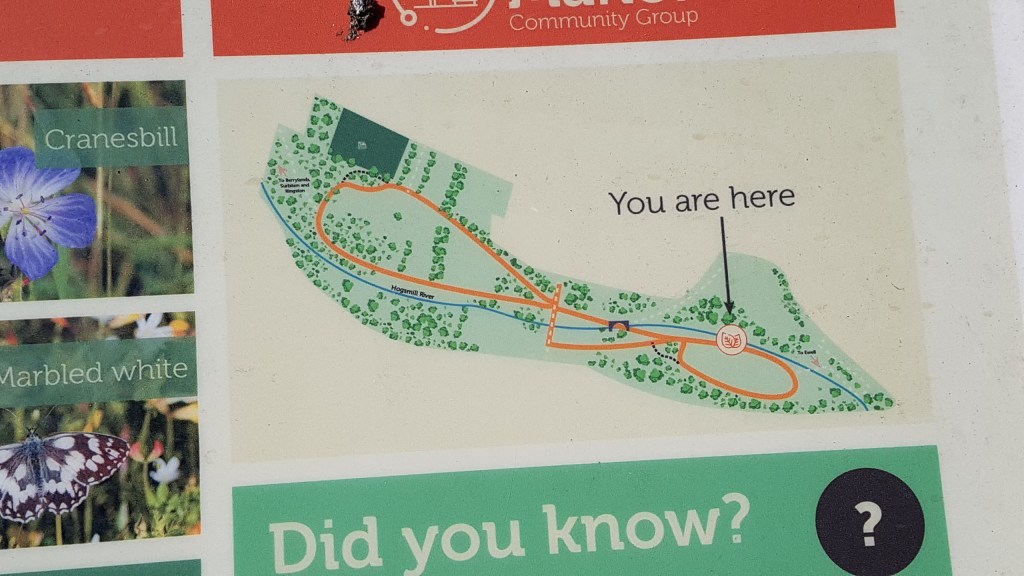
I found my way to the Hogsmill via a pathway which runs along the side of St John’s Church, Old Malden. The footpaths are shaded with trees and there are information boards telling you the sort of wildlife you may see. My first mistake was to cross the first bridge and turn right (I should have gone left). This path led down to a new play area being built called Knollmead Play Area close to the path leading to Malden Manor. There is a bridge here with two alternative routes. I found a map nearby and realised I had missed the site altogether.
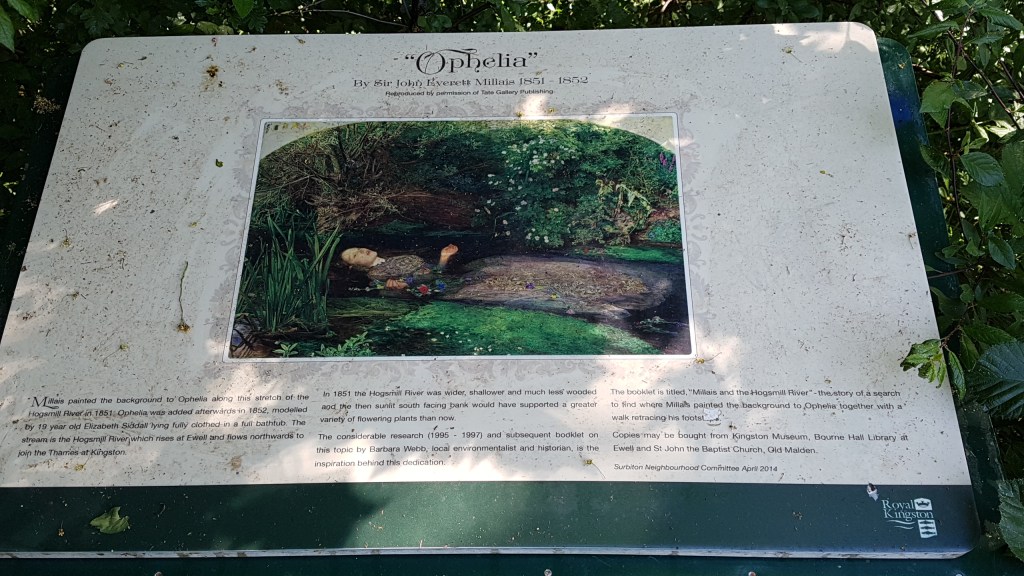
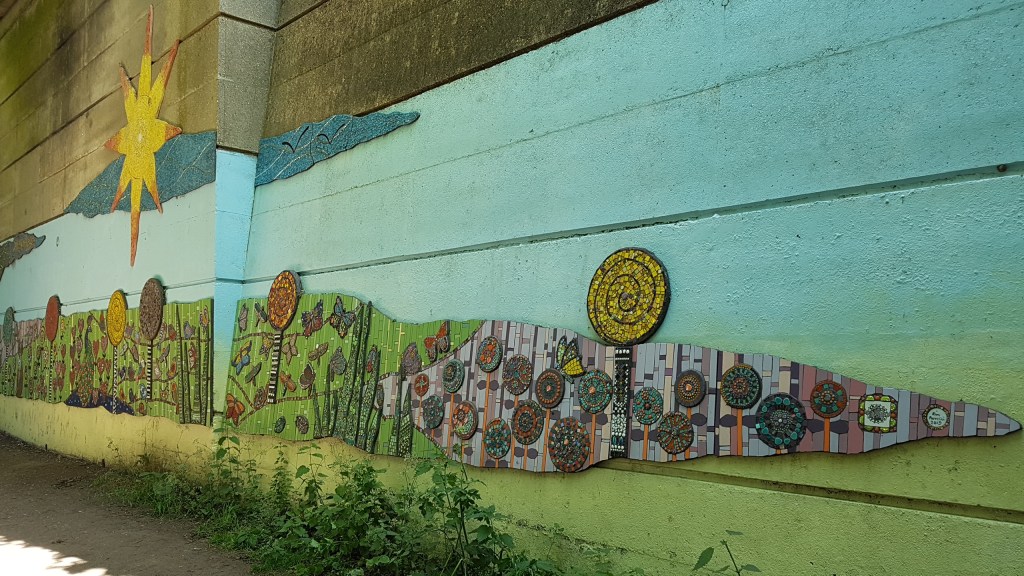
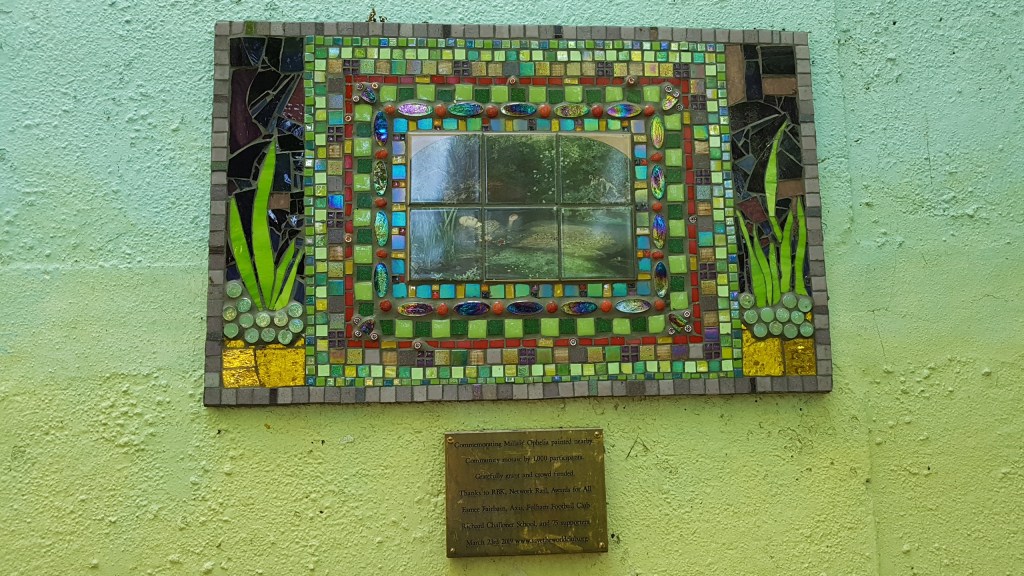
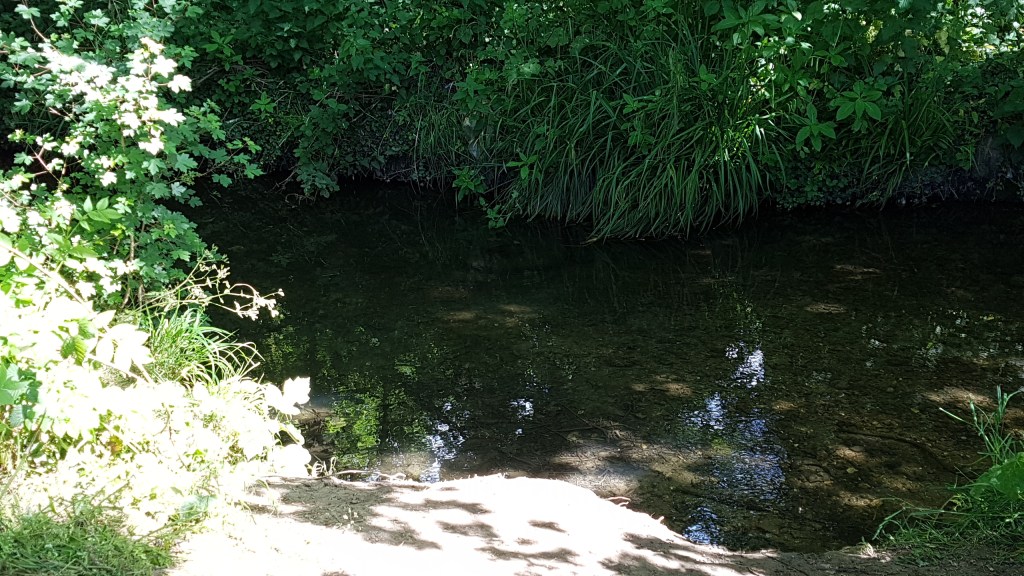
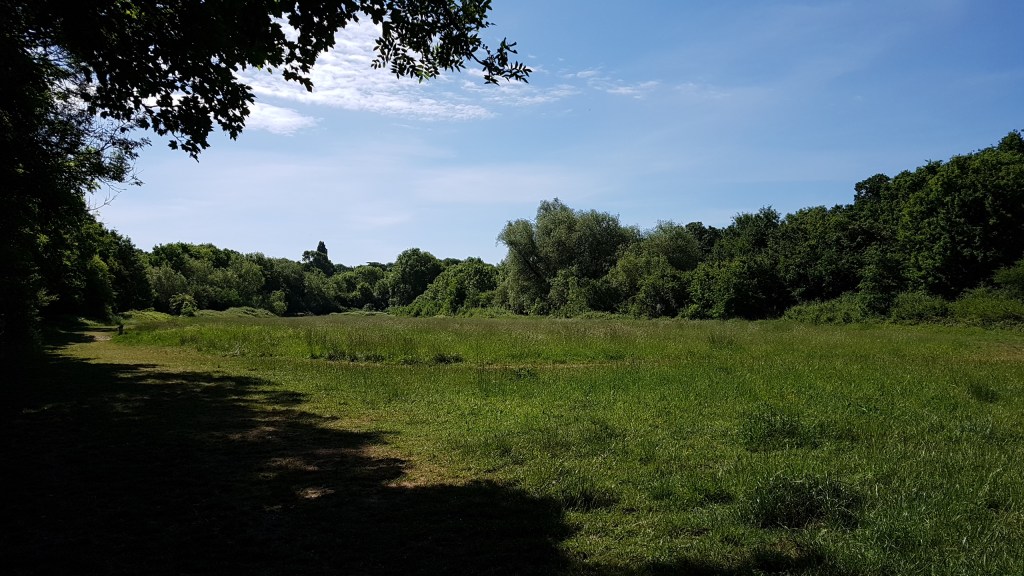
I doubled back walking under a bridge on the other side of the river. The bridge wall here had a community mozaic and alongside it a plaque commemorating the painting of Orphlia. I knew I was close. Finally I came out in Six Acre Meadow, which I recognised from my previous visit, and began walking alongside the river. A short walk brought me to the information board, and right by it is the clearing where the painting is said to have taken place.
Community moziac
John Millias was a Pre-Raphaelite painter, along with Dante Gabriel Rossetti and WIlliam Holman Hunt. They formed a Brotherhood in 1848 with James Collinson and Frederic George Stephens. Rossetti’s brother was the secretary. Later a second Pre-Raphaelite phase saw Edward Burne Jones and William Morris join them. My personal favourite of this group of artists is William Morris. I may have mentioned this before in my posts, so perhaps I won’t wax lyrical here about him as this is about Orphelia, a painting inspired by Shakespeare’s Hamlet. Millias painted the background detail here by the river and Orphelia herself was painted in his studio in Gower Street, London.
The plaque commemorating the painting
This is where the painting is said to have been done (just right of the board in the top picture)
The model for this painting was nineteen year old Lizzie Siddel, who was discovered in hat shop by a friend. She later married Rosetti, and what a tragic story that is! Anyway, to pose for this painting, Lizzie laid in a bath of water, lit below by oil lamps to keep the water warm. Millias was so engrossed in his painting that he failed to notice that the lamps had gone out. Lizzie became quite ill afterwards and needed medical treatment. Later Lizzie’s father insisted that Millia foot the bill for the treatment. To learn more about the painting of Orphelia follow the link here. To learn more about the Pre-Raphaelites in general follow the link here.
Six Acre Meadow
After discovering what I set out to find, I walked a little further on in the Kingston direction, then turned back and came off at the path leading to Malden Manor.
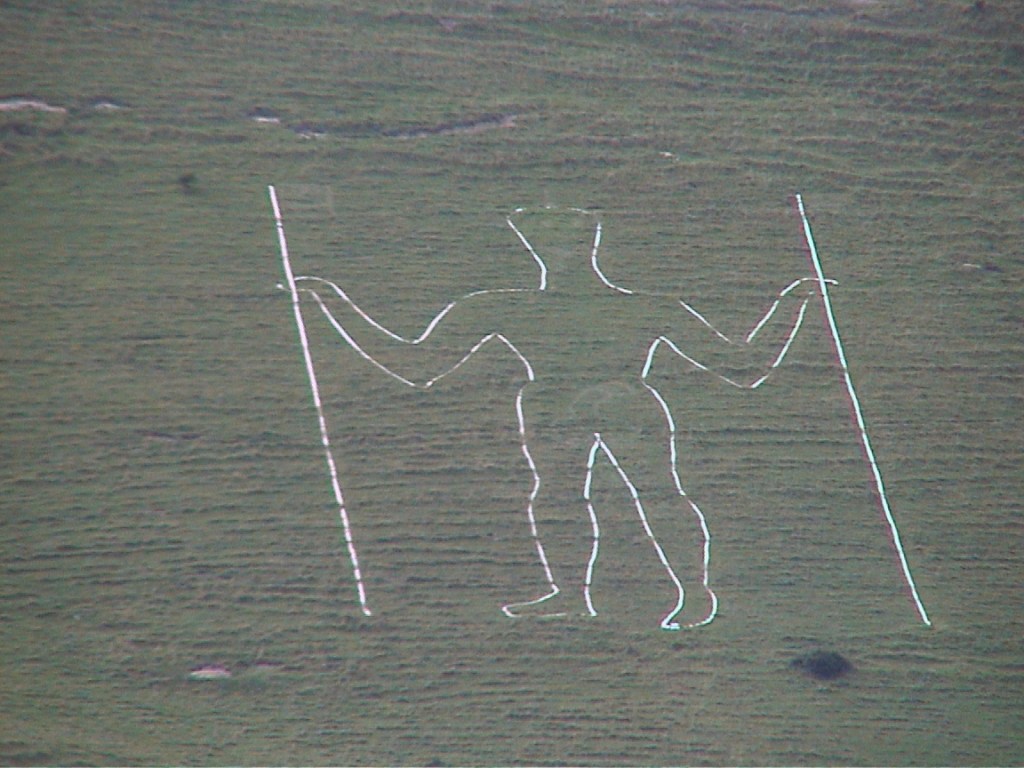
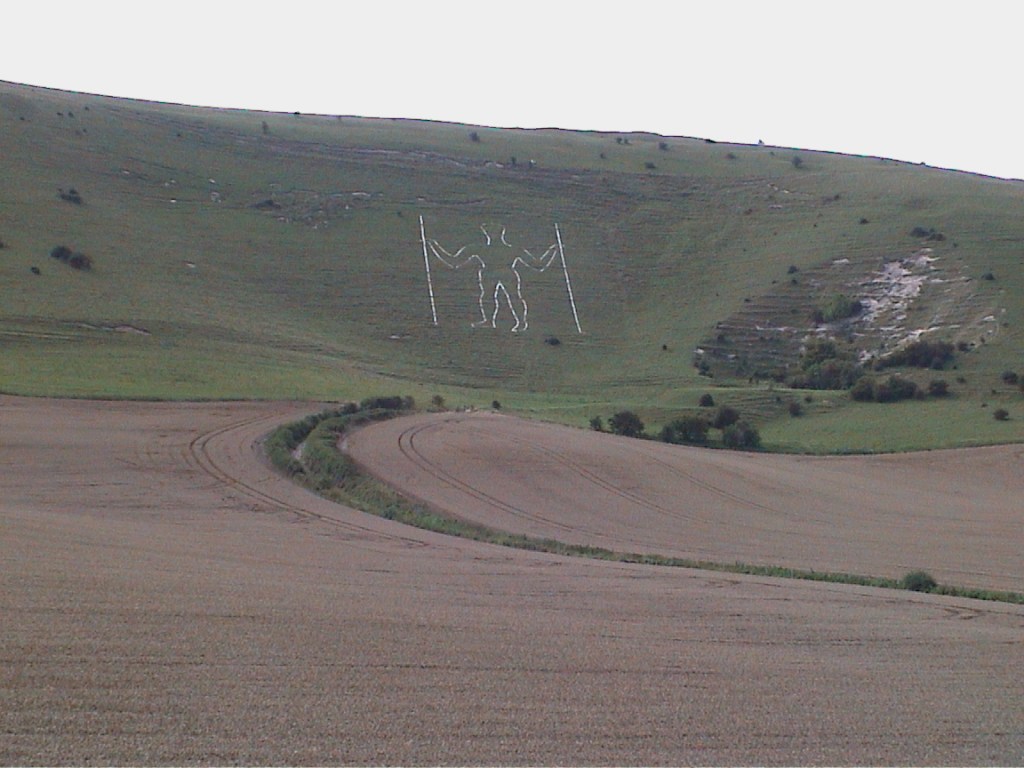
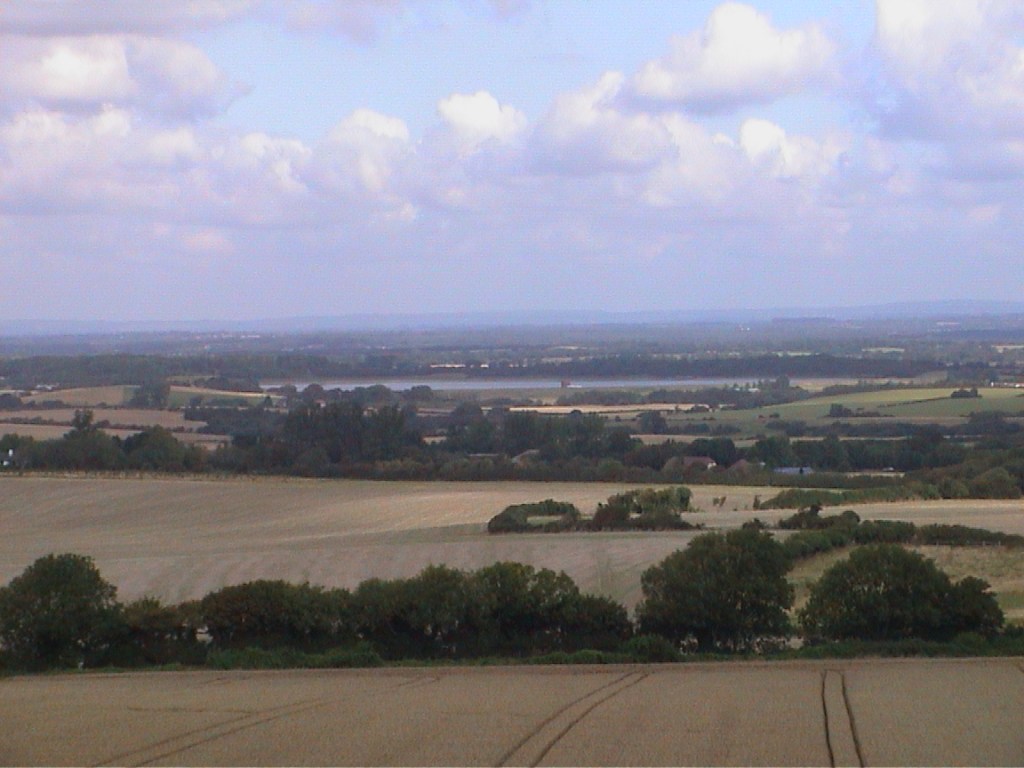
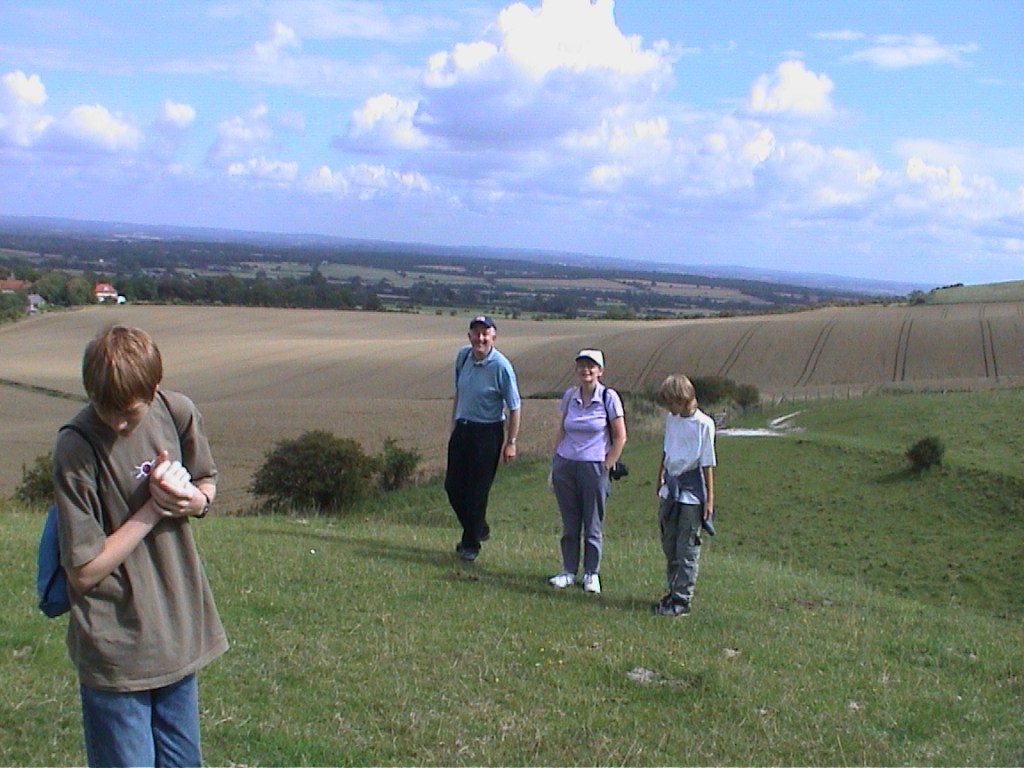
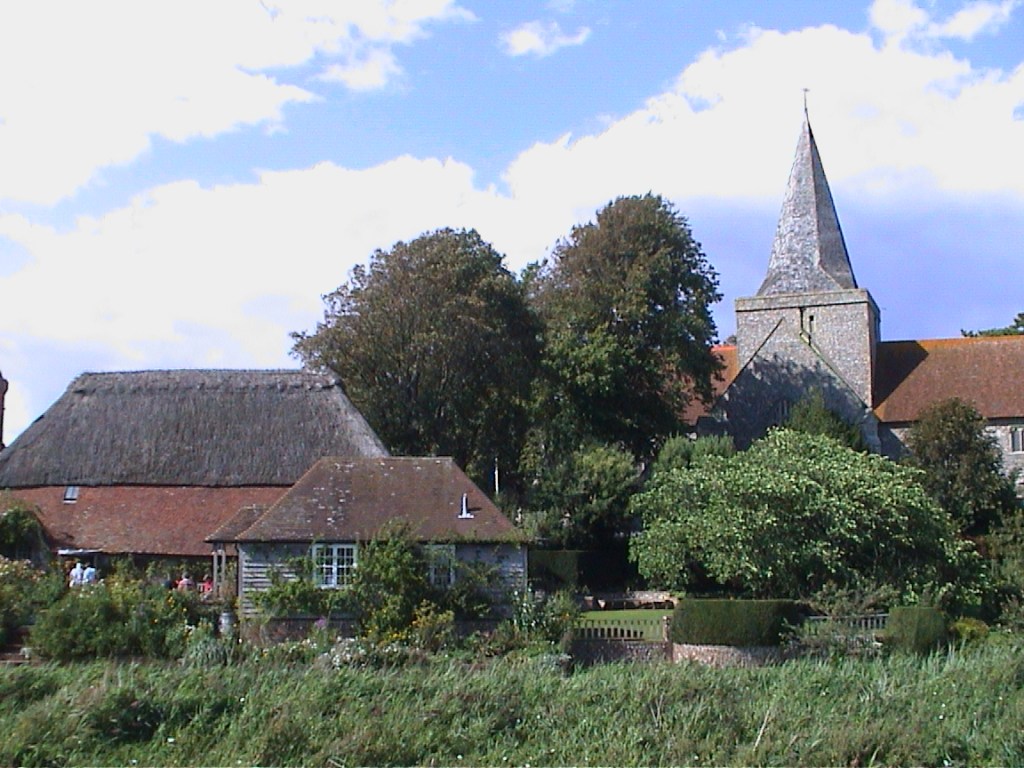
I visit Sussex quite regularly, especially around the Brighton and Eastbourne areas. Unfortunately, it’s unlikely that I shall get there this year, but I live in hope. I thought I’d share a few photos of a walk I took with my family back in 2004 along the South Downs Way taking in The Old Man of Wilmington. The countryside is stunning and I miss being able to walk there, or anywhere in the countryside right now.
With my brother and sons
This week I reached a mini goal in my jogging by running down the side of the park and along the back until I came to the where the main path slices the park in half, all without stopping. Then it’s a walk until I come to a certain post then off again until I reach the trees. That is my favourite part of the journey. It is peaceful and I always stop (I need to by then anyway!) and admire the undergrowth. Them I set off again to the top of the park – another breather – a short run, another stop and then I’m in the final stretch. At the end I sometimes visit the flower garden and take some photos.
I’ve been binge watching Look Up London videos of virtual walks in London and Museums in Quarantine on BBC4, catching up with some art exhibitions that closed before I could see them, plus others I probably wouldn’t have gone to, but I found them interesting nonetheless. These included Young Rembrandt, Andy Warhol, and a documentary about Monet’s garden and other artist’s gardens. The later was particularly beautiful and relevant to me as we were due to visit Monet’s garden in June. This is the nearest I would get to it this year, sadly, but I am even more excited about the prospect of visiting next year (all being well).
The morning of this walk began misty, but by the time I met the group I was walking with (our leader a Blue Badge Guide), the sun was out and blue sky was all around us.
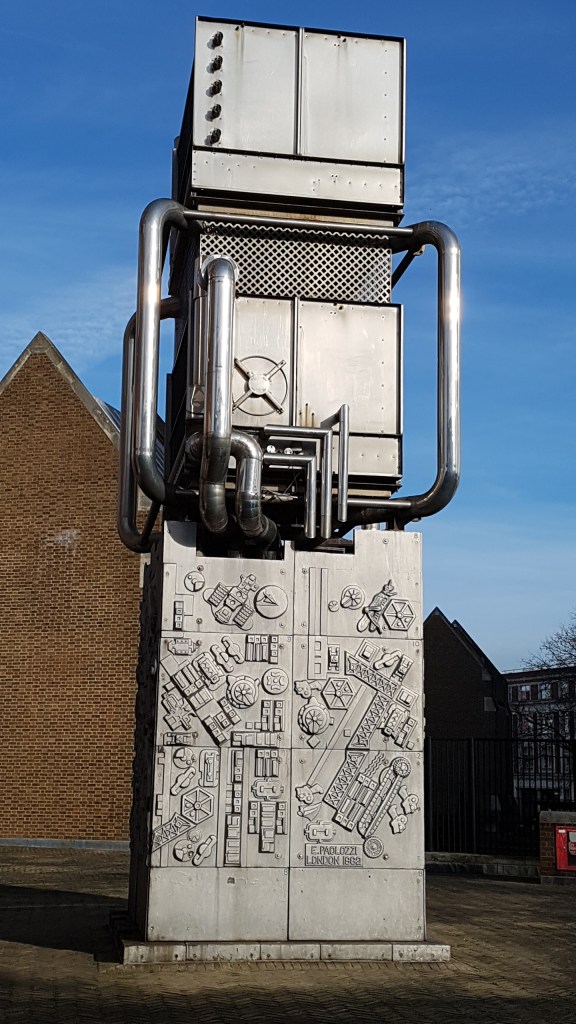
Ventilation Shaft near Pimlico tube station – sculptor – Eduardo Paolozzi. This is a listed artwork
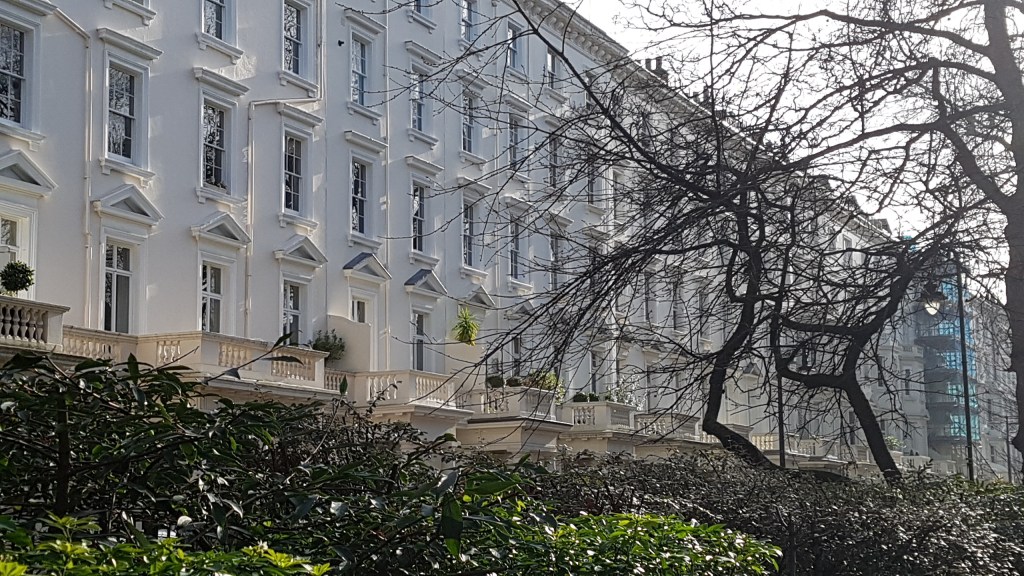
Pimlico is close to Westminster, up (or is it down) river. It started out as marsh land. Hardly anyone lived there. The Manor of Ebury (or The Five Fields) is a triangular piece of land which eventually passed into the hands of Mary Davies, who as the age of twelve married (yes, really) Sir Thomas Grosvenor in 1666. By the time of the nineteenth century there was a demand for houses and so Pimlico, not as popular as its neighbours of Belgravia and Mayfair, began a building campaign. The man to do it was Thomas Cubitt and he used reclaimed soil from St Katherine’s Dock (close to the Tower of London) to help with construction and built a grid of handsome white stucco buildings.
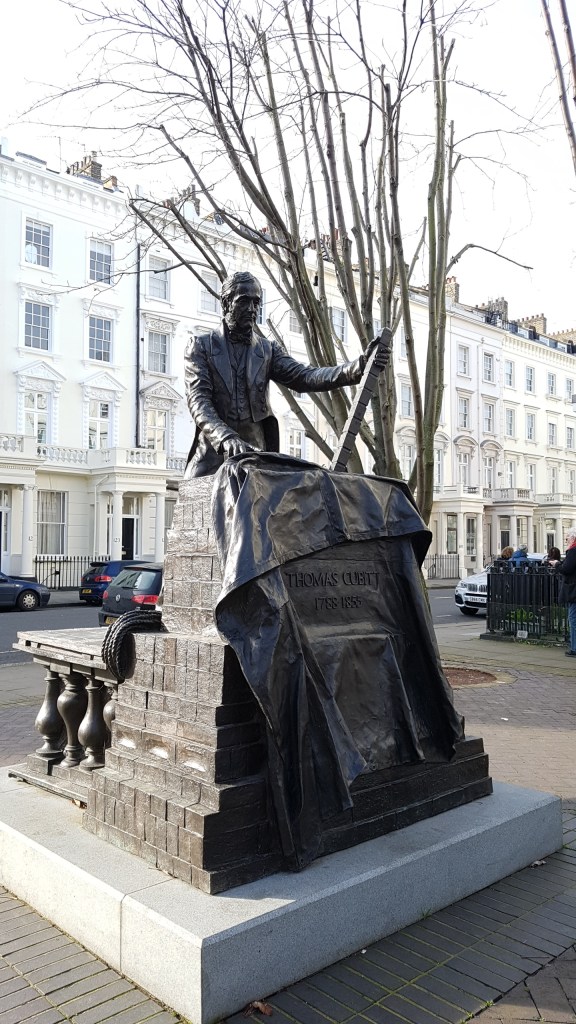
Statue of Thomas Cubitt
Cubitt preferred to be known as a builder rather than an architect. He was also consulted by Prince Albert to help redesign Osborne House. There is a statue of Thomas Cubitt in Denbigh Street.
Pimlico has three squares, all of which have their own gardens. Only one of these, St George’s, is open to the public. The other two you need keys for (the residents of the houses on those squares hold keys as it’s part of their shared gardens), and very beautiful those gardens look, too.
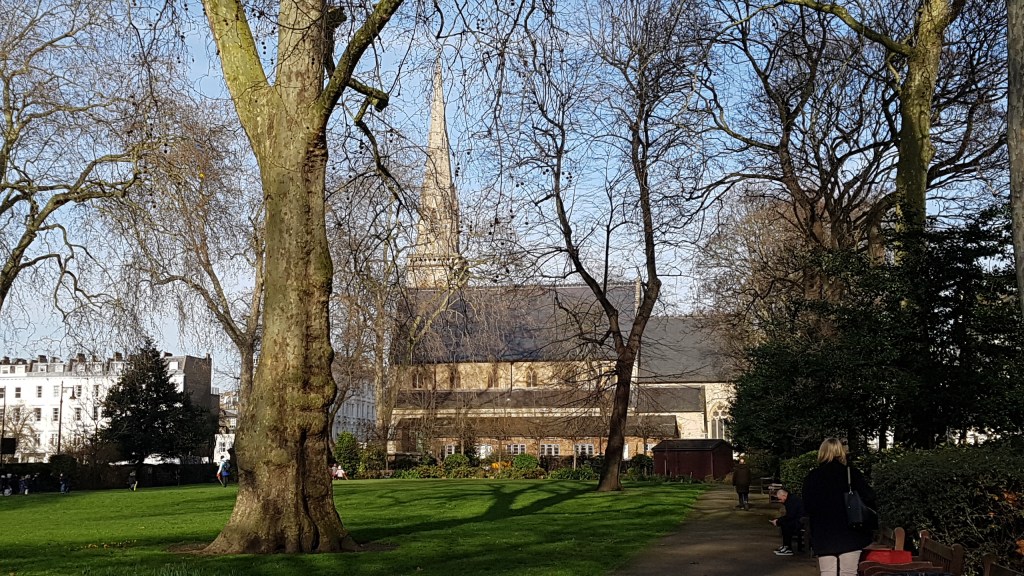
St Saviour’s Church from St George’s Gardens
We walked through St George’s garden to the right, through the trees, is St Saviour’s Church built by Thomas Cundy (Junior). This church’s claim to fame is their kindergarten in which Diana, Prince of Wales, worked before she married Prince Charles. Apparently, there is a bench in the gardens dedicated to her and the work she did there.
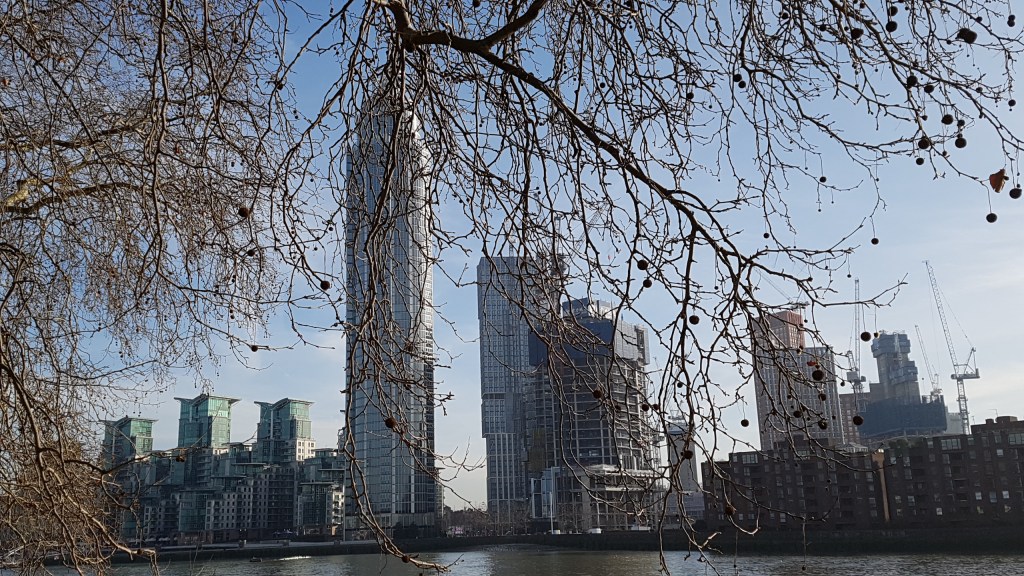
Over the road from St George’s Gardens is the River Thames. From here you can see the many tall buildings of Vauxhall, including the 8th tallest in England. Unfortunately, in 2015 a helicopter clipped to top of this in fog one morning killing several people. At one time there was a landing stage, or pier, leading from the Thames to St George’s Square, very nice for the residents! Today there is Pimlico Gardens with a statue of William Huskisson, a politician who unfortunately became the first person to be killed in a train accident, that train being Stephenson’s Rocket.
The 8th tallest building
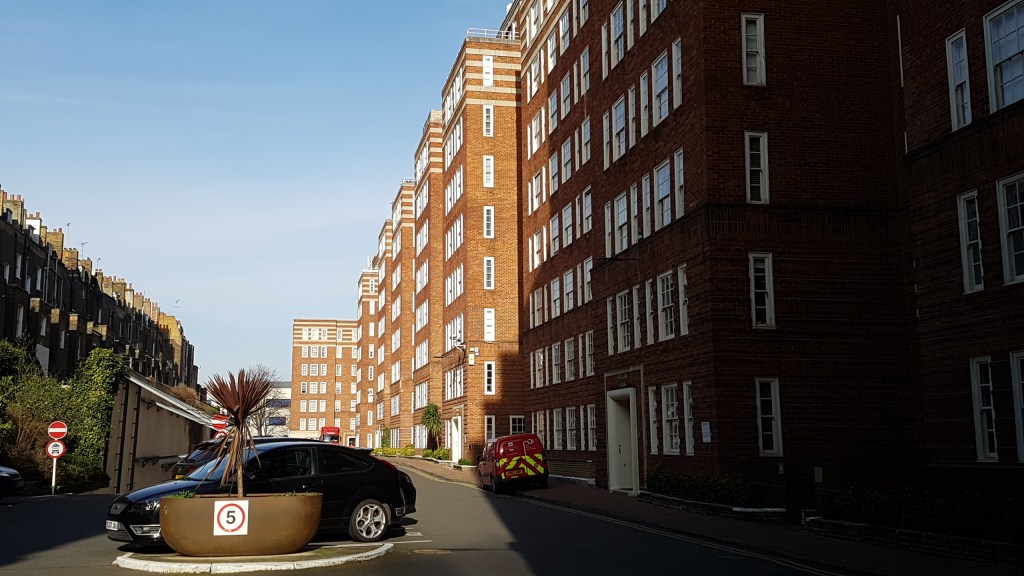
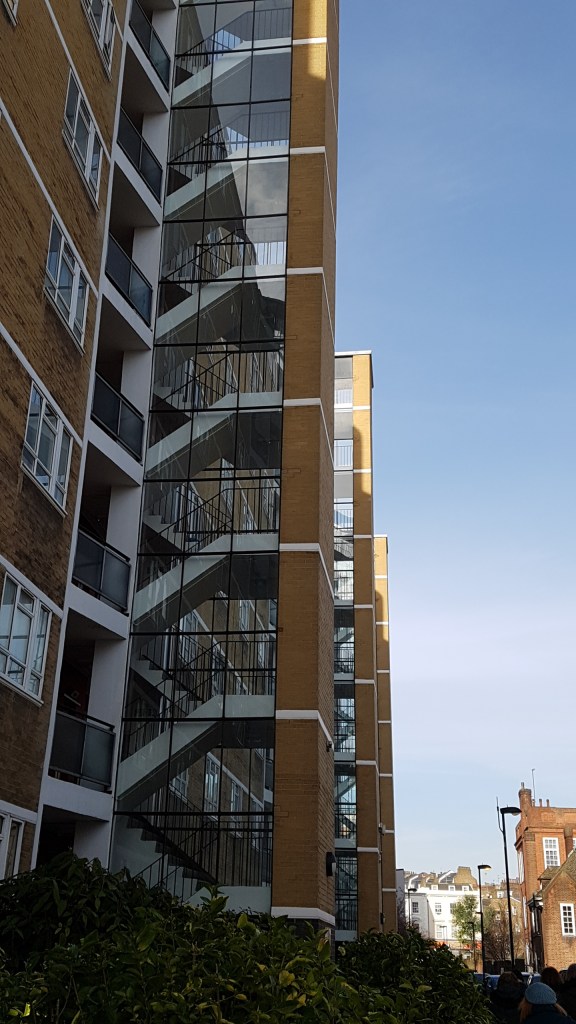
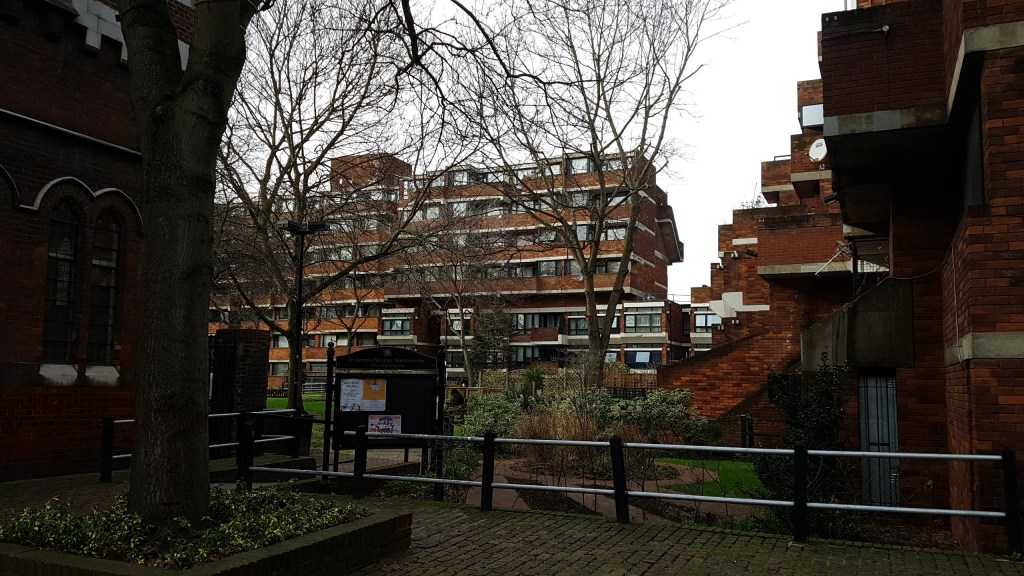
There is a great mix of housing in Pimlico, the beautiful buildings of Cubitt, new (1960’s) award winning estates near St James the Less Church, and the Churchill Gardens estate which boasts Grade I Listed status. There is even a line of Grade I Listed telephone boxes. One estate, the Dolphin, has its own shops and a swimming pool. Being close to Westminster it was popular with MP’s, but also housed a spy, Oswald Mosley and Diana Mitford.
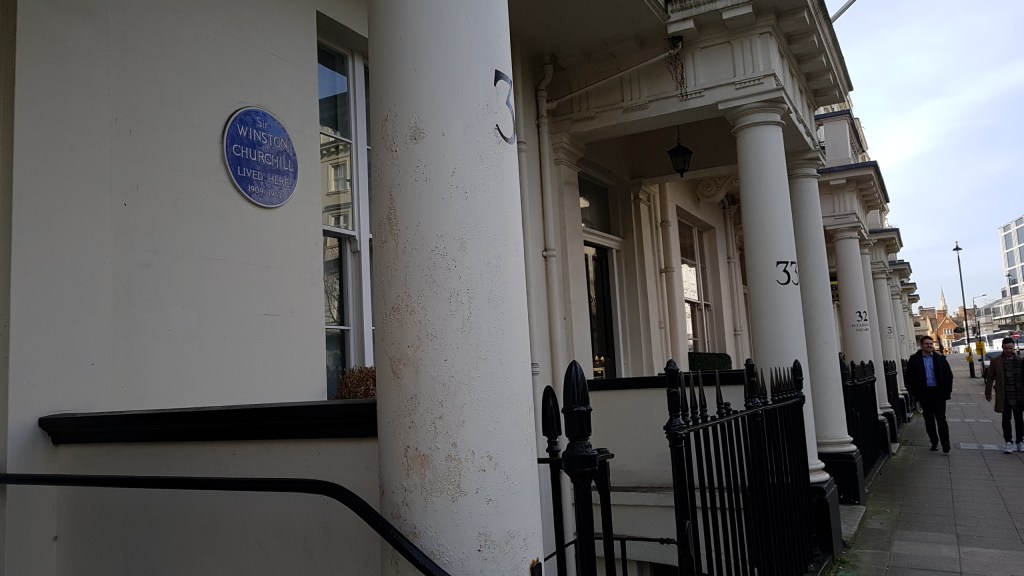
Nearby in Eccleston Square, is where Winston Churchill himself lived and where his first two children were born. Next door is the Labour Party’s former Headquarters from where they ran their 1926 General Strike Campaign.
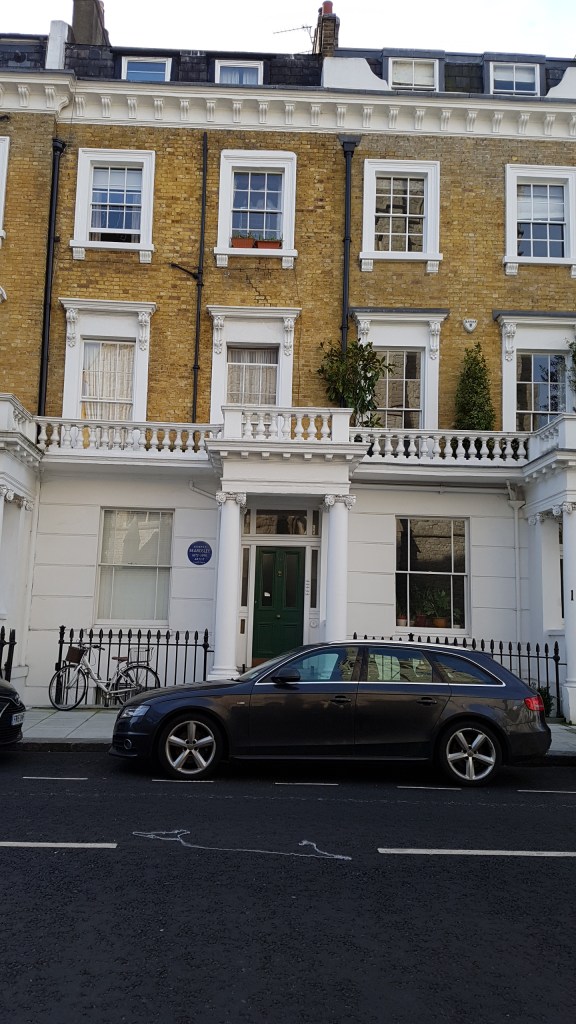
There are other famous people who once lived from Pimlico, including the man who invented Lawn Tennis (Major Walter Wingfield), Laura Ashley, Michael Costa (conductor of music) and Aubrey Beardsley (artist).
Aubrey Beardsley’s house
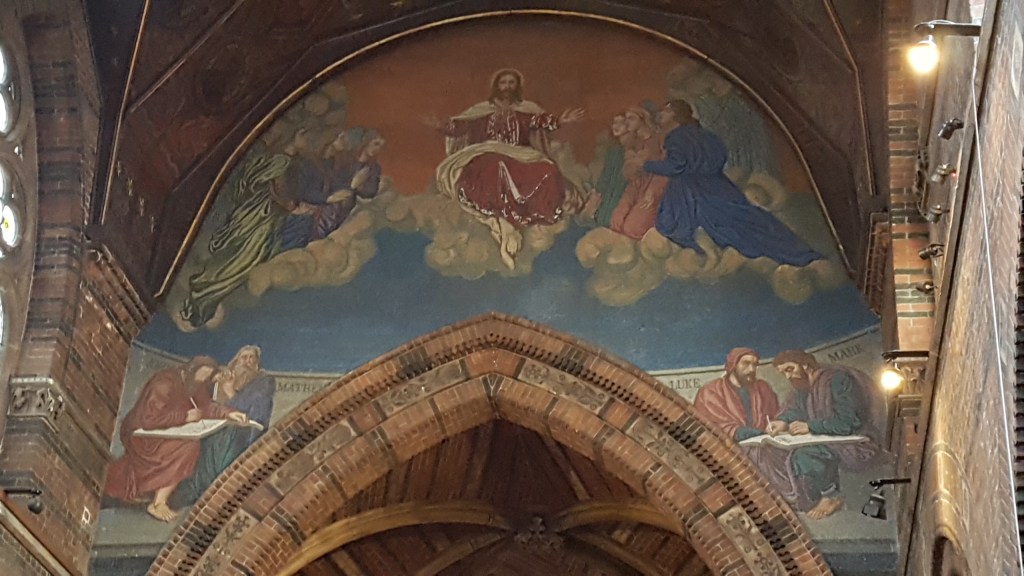
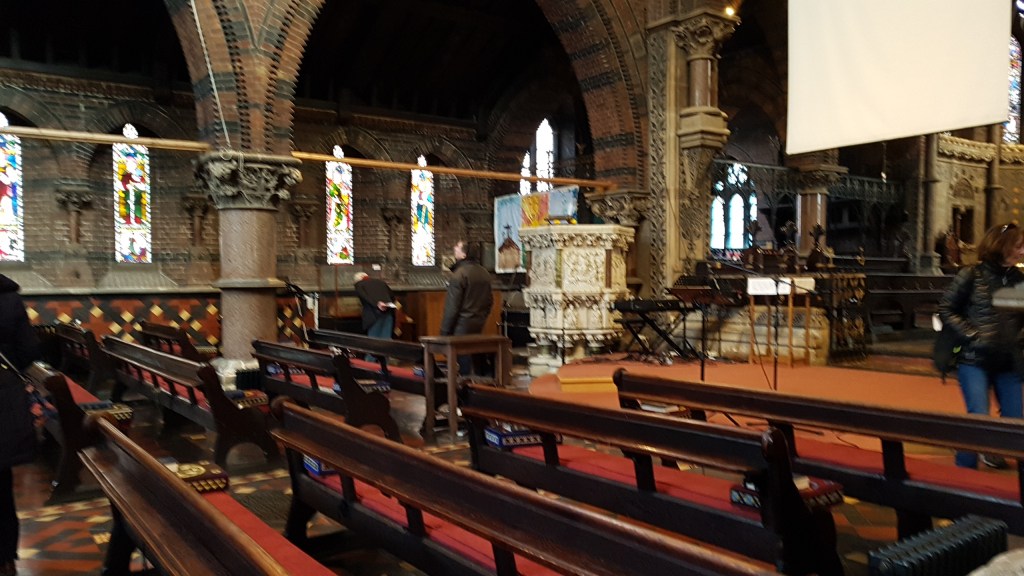
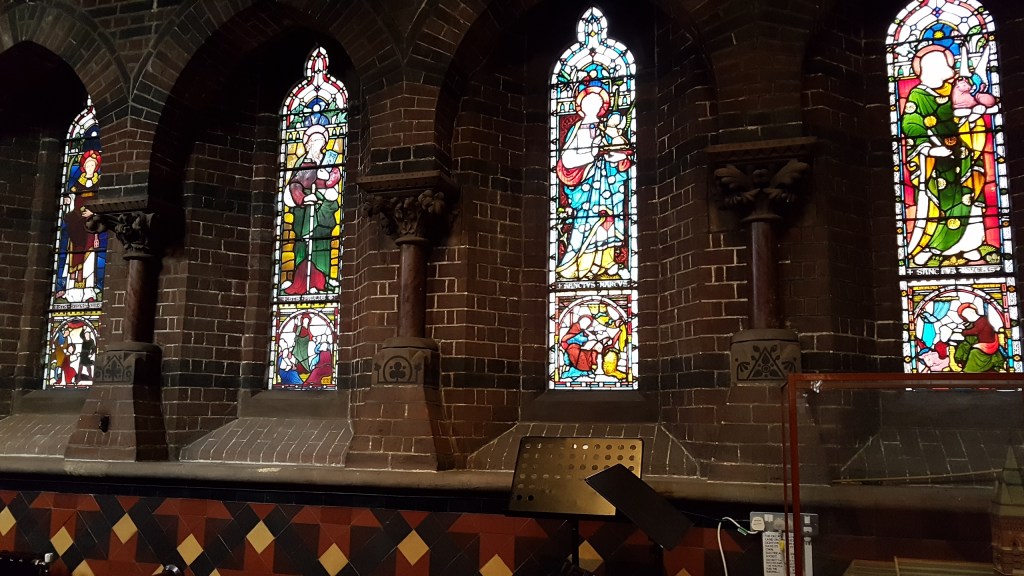
Finally, we ended our walk at St James the Less, a very unusual church. Very dark inside but the detail is amazing – the ironwork, bricks (same brick as the estate it adjoins) and it has the lovely artwork by George Frederic Watts, a Victorian artist of the aesthetic movement. Originally a painting, the paint began to come apart, so the work was made into a mosaic. Being a fan of the aesthetic movement, I was delighted to come across this.
Mosaic by G F Watts
This was the end of the walk and back at Pimlico tube station we said our goodbyes and went our separate ways. Pimlico may be small but it is more interesting than I ever knew.
St James the Less, PimlicoDolphin CourtThomas Cubbit housing, St George’s SquareOne of the listed estatesThe Packington Estate by St James the Less has won numerous awards for best estate. Each unit has its own balcony or garden




 My London+