
Getting around Britain is becoming rather difficult right now as last week there was a national rail strike (three days and disruptions on other days). One of those days coincided with a London tube strike. I could see my trips being curtailed. However, I had enough of not being able to go anywhere during lockdown, and I was not to be beaten. I began looking at options that I could get to by bus.
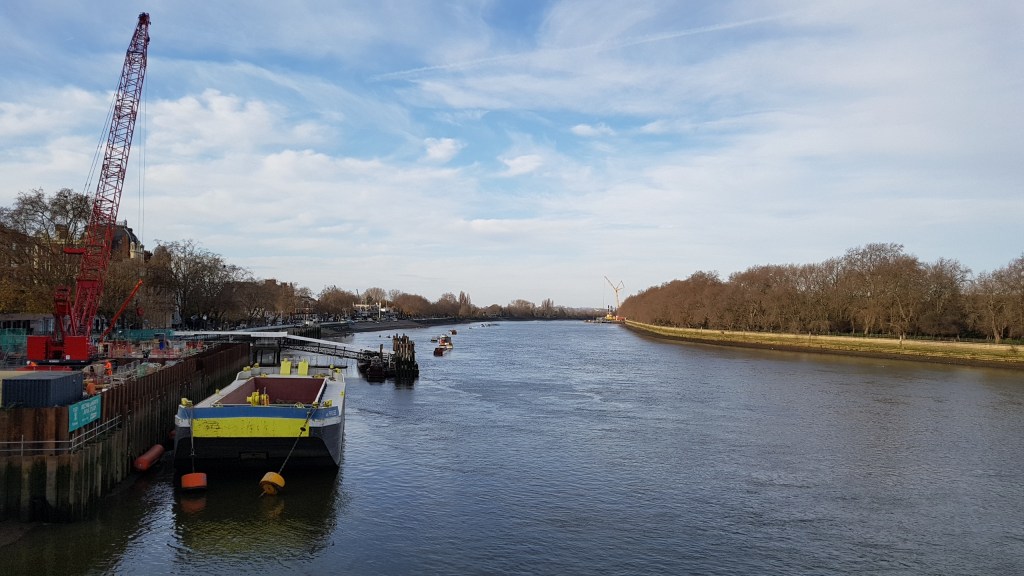
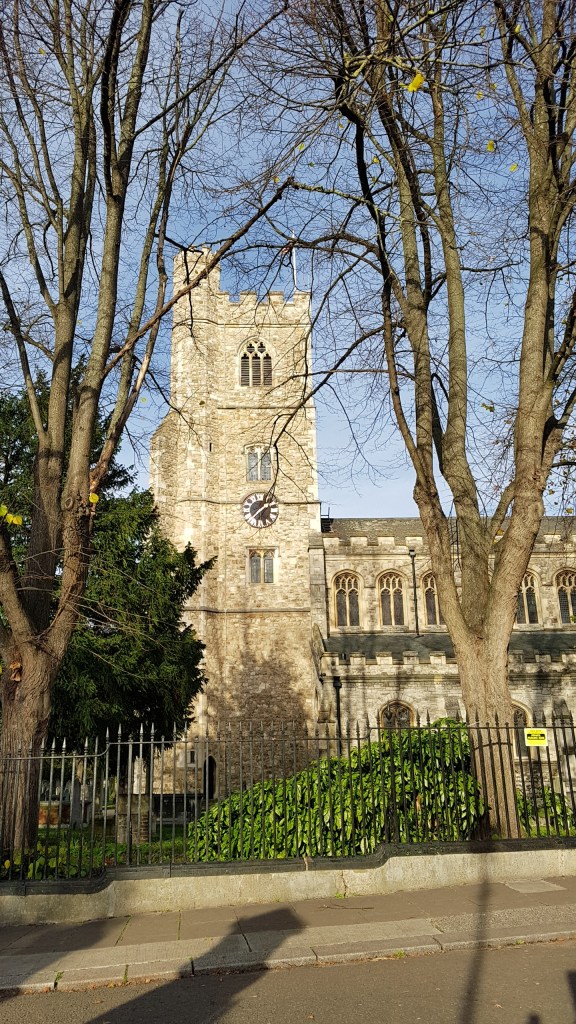
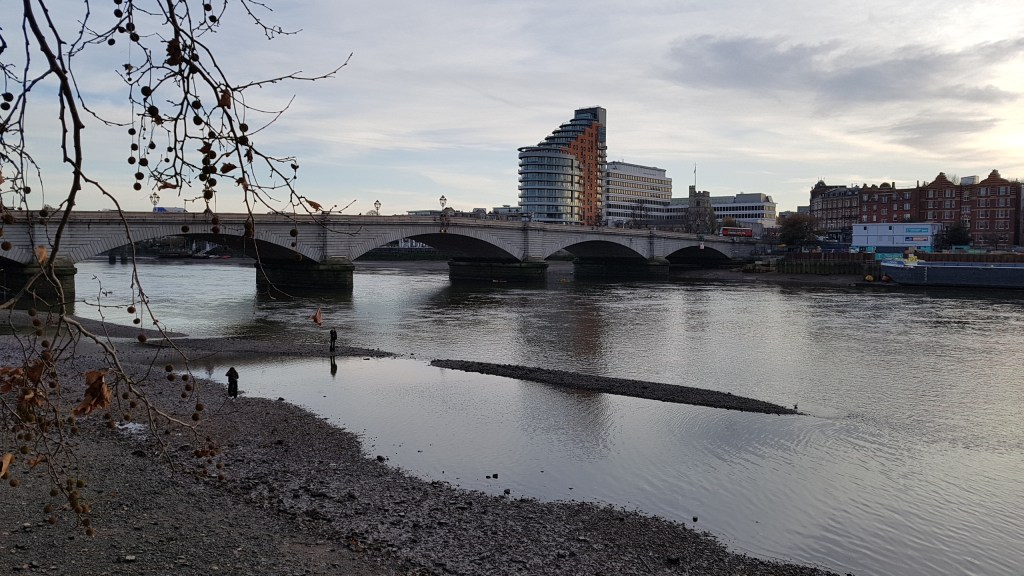
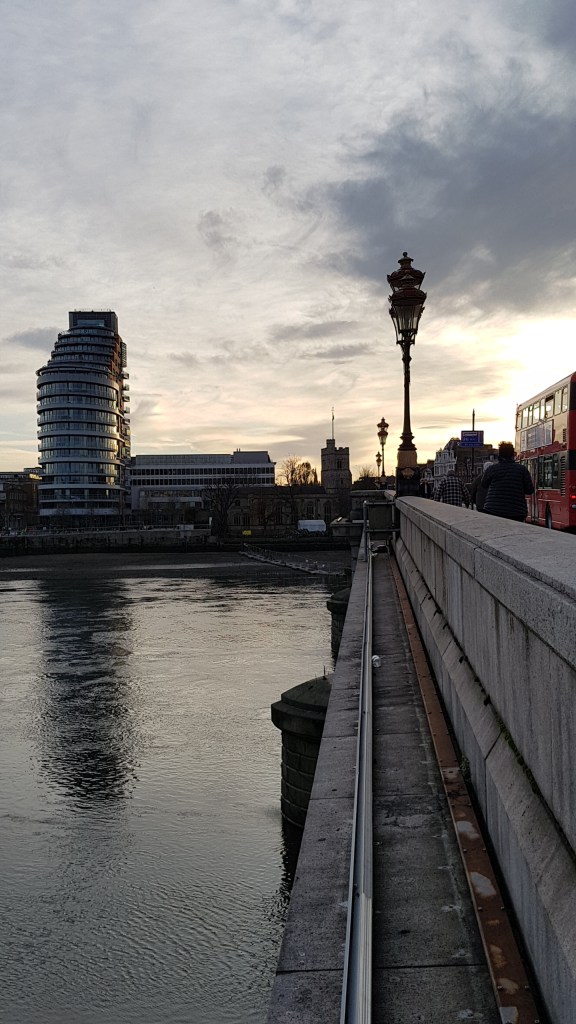
Although I have been to Fulham Palace before, and the gardens a few times, I had not been inside the house for a good number of years. The day was hot and sunny, and the bus got caught up in a traffic jam just outside Putney, though I never did find out what the problem was. Still, I got there. I exited the bus at Putney Pier and walked over the bridge. From the bridge there is a nice view of All Saints Church, Fulham which stands next to the Palace. When I reached the church I found the door open. I don’t believe I’ve ever been inside before, so I went to take a look.


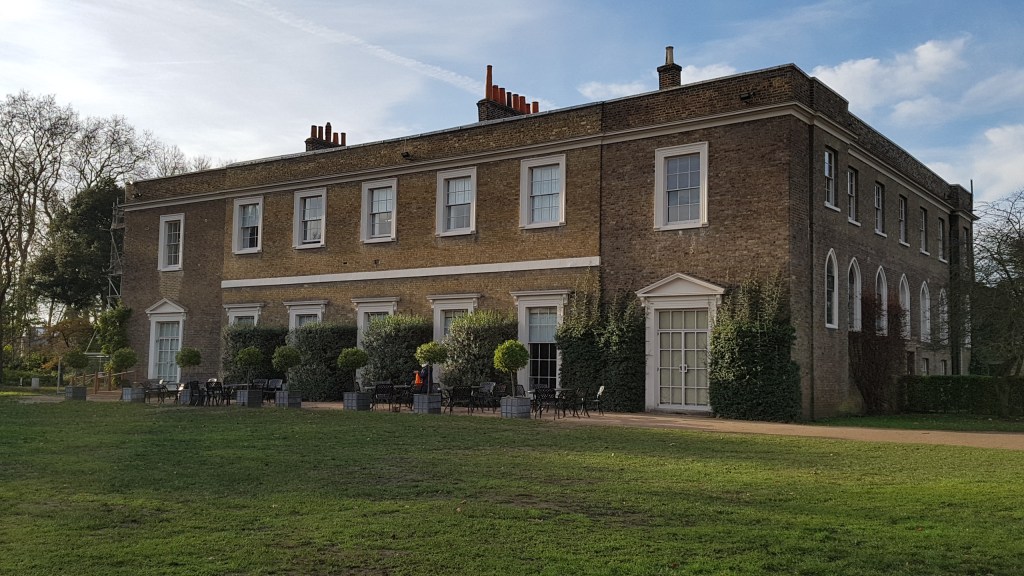
On to the main event! Fulham Palace was acquired in AD 704 as a residence for the Bishops of London. The last Bishop to live there was Robert Stopford who retired in 1973. The building has 70 rooms and was lived in by the Bishop, his family and servants. The Bishop would run the Diocese of London from there, entertain dignitaries and receive candidates for ordination. In 1975 the Palace and garden was leased by the Church Commissioners to Hammersmith & Fulham Council for 100 years. Since 2011 it has been run by a charitable trust(Fulham Palace Trust) who run the site and carry out restoration.
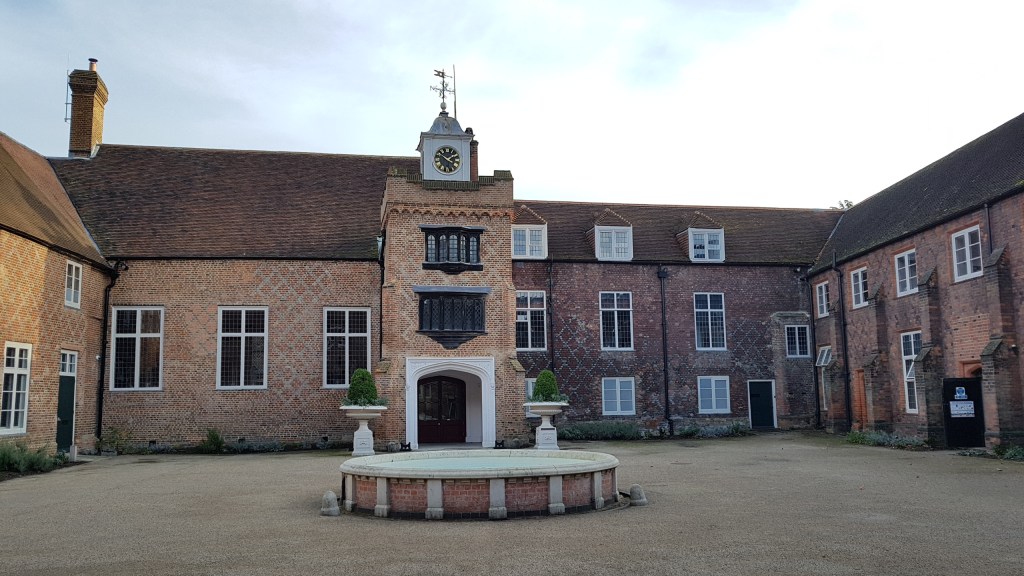
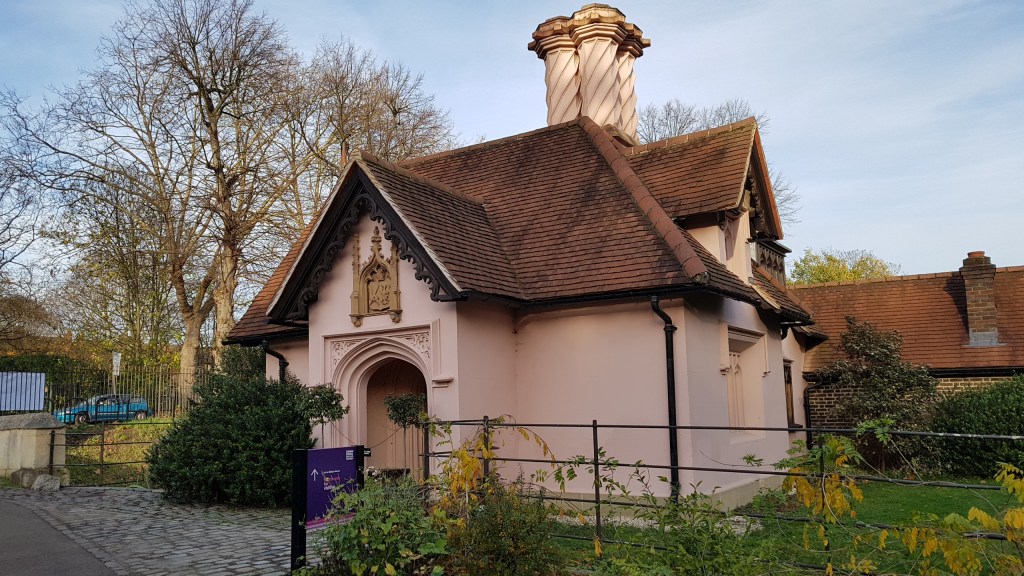
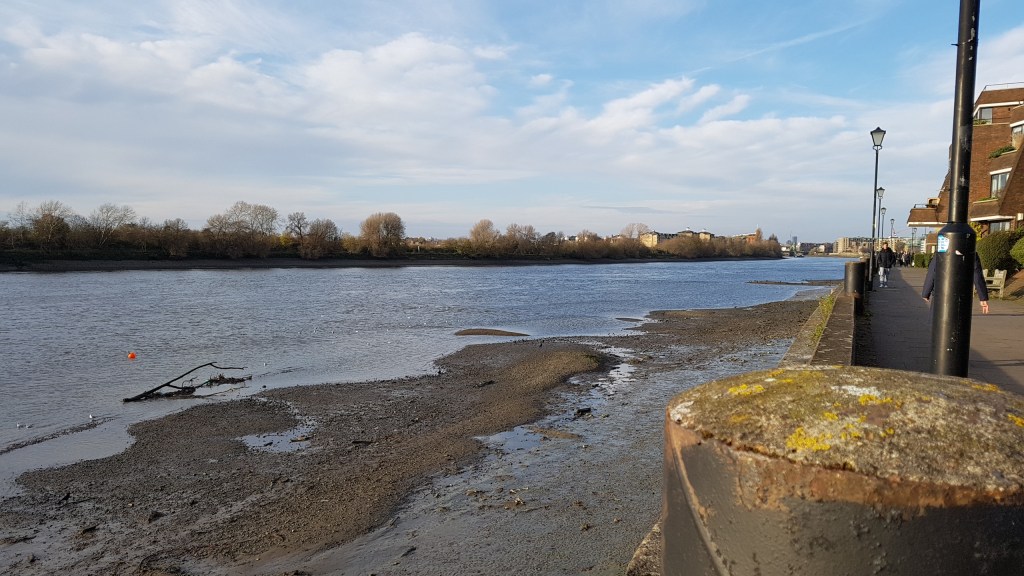
On entering the palace you cross over the former moat. To left is the porter’s lodge (back to its original pink!) and to the right is the coachhouse. At one time the River Thames had inlets right up to the garden walls.


The palace and gardens are free to enter. There is a small shop, the all important toilets and a cafe overlooking the gardens. The museum part of the house has been updated since my first visit and has lots of interesting facts and displays about the history, archaeological finds on the site and details about the former Bishops. There is a short video at the beginning of the tour, and another at the end.

Not all the rooms are open to the public. Some are obviously offices. The rooms available to view are all on the ground floor. You need a plan as there are a few coridoors and it took me a while to find the chapel (even with a plan!).


The rooms are mainly empty. The above photo shows the only things in this room. The photos in the guide show what these rooms would have looked like, but sadly they do look rather stark now.
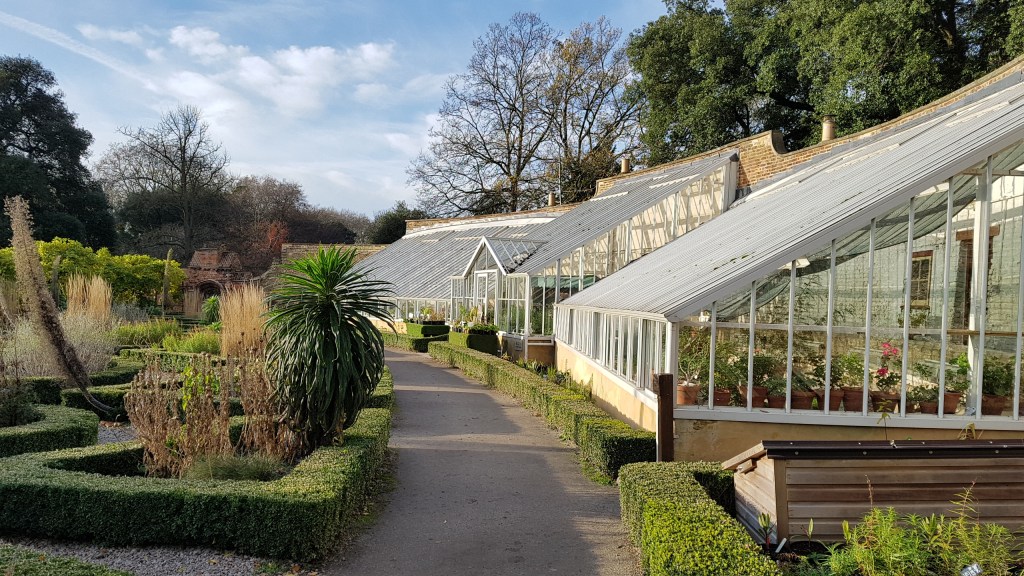
And so into the gardens. The photo below is my favourite. Walking through a gate you enter the walled garden and the first thing you see are these greenhouses, some of which are accessible.


The cafe overlooks the gardens and has long windows so you can admire the view. The tables outside were busy today, but as all the tables with shade had already been taken, I decided to park myself inside, though I did have to suffer jazz music! The food is very good though.

I had just finished lunch and was on my way to view the chapel when the fire alarm went off. Gosh it was loud! People headed out into the courtyard. As we walked across I looked up and saw smoke coming out of one open window and what smelled like burnt toast. The brigade arrived and we waited for the all clear. It came very soon (yes, I think it was a toaster!)


I then went in search of the chapel. I realised I had seen this before (I’d convinced myself we’d not found it before). It has stunning painted walls, a beautiful mosaic and stained glass windows.


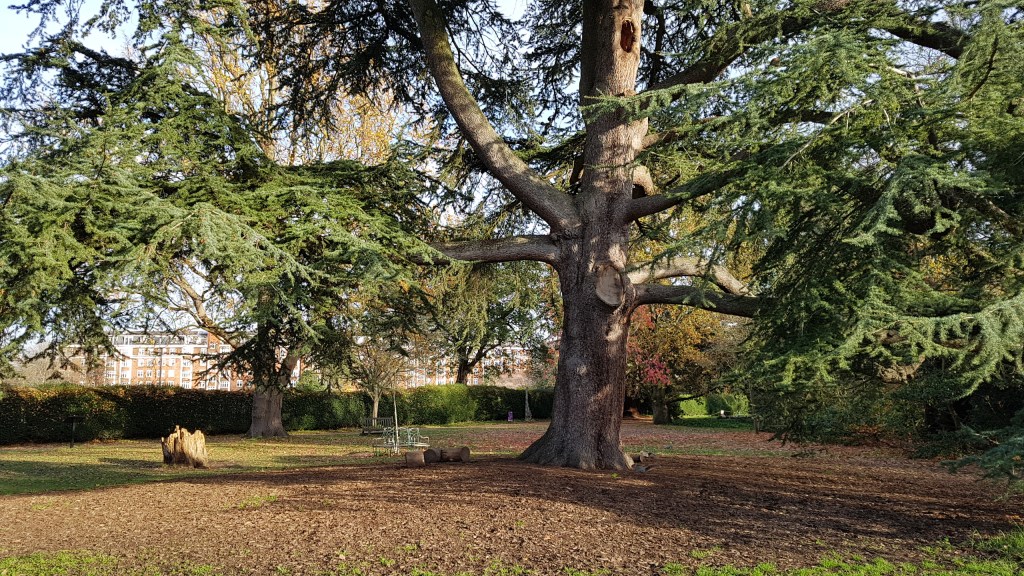
It’s a shame there aren’t more rooms open as the upstairs looks interesting (the guide book has some photos), but the house and gardens are lovely. There are plenty of benches in the gardens to sit and just enjoy the peace.


I’m sure I shall return again soon, to sit in the gardens if nothing else.


 My London+