I have been to London several times over the last week or so, so I thought I’d share a few photos of places and nature. I took a couple walks, one of which was from Imperial Wharf to Wandsworth Bridge where I crossed the bridge, walked to Battersea Bridge, crossed back and wandered down Cheyne Walk before carrying on to Vauxhall. This will give you a flavour of my wanderings! Enjoy.
A busy Waterloo station the night a train had broken down and platforms 1-6 were unable to be used!Along the EmbankmentAutumn glow in the gardenArt installation on the SouthbankAmal at Trafalgar SquareHello snailRoseFull moonRiver Thames between Battersea and Wandsworth BridgeThamesSt Mary’s Church, BatterseaThomas Carlyle’s House, Chelsea (writer)Helicopter landing at Heliport near BatterseaPost boxes for houseboatsImperial WharfChelsea HarbourImperial Wharf Gardens (river to the right)No 16 Cheyne Walk, the former home of Gabriel Dante Rossetti (artist and keeper of Wombats!)Home of the Chelsea Pensioners and also grounds (now cleared) for the annual Chelsea Flower Show
Above is a photo of my favourite painting by Paula Rego. It is a rare happy painting, because the artist’s work is usually quite troubling, quite disturbing. Her art depicts war, the position of women in society, abortion, FGM, people trafficking and more. Born in Portugal during an oppressive regime, her work is her way of expressing herself about those times. Later, she moved to London and was a student at the Slade School of Fine Art.
The dark content and often wildly abstract paintings don’t inspire me to take many photos and these slightly more acceptable views here are the only ones I took. Paula Rego plays on the more disturbing aspect of children’s fairy stories and folk tales. Her work spans very different artist medium from oil, watercolour and ink, painting on aluminum, to collage and etchings. Her sketch books are stunning to view.
Her life is an interesting and often sad one, and I find learning the background to an artist’s life helps me understand their work. It certainly helped here. I had recently watched a TV programme about her life which brought things into perspective.
The Little MurderessThe Pillowman
There are eleven rooms in this latest exhibition, and is the first time I have seen her work in person. I studied a couple of her paintings for art history (The Dance was one of them), so I was thrilled to finally see the scale of her work.
Human Trafficking
I do wonder how she can work so much on dark subjects. I would find that very difficult. It can be the stuff of nightmares, for sure. They are works you don’t forget when you leave the gallery. The exhibition finishes in a couple of weeks time, should you want to see it for yourself.
The Bear & Red Monkey
Adjacent to Paula Rego’s exhibition was Heather Phillipson’s installations. I found them weirdly compelling. I wonder what you think of these photos! Sound effects accompany the exhibition, giving it an eerie atmosphere.
Heather Phillipson – multiple working TV screens
Rhinos drinking?
This is a moving installation
Autumn is arriving now, and on Saturday I woke to fog. I was out early and spotted the brilliant colours and spiders’ webs. I always have my mobile handy for taking photos, and I actually enjoy fog for picture taking – lots of liquid drops on leaves and so on.
Have a good week everyone.
With autumn comes fog dotted with colourSpider’s webNature doing what nature does
It’s been a good few years since I was in Battersea. The last time was probably when on a Thames Path Walk. Work was in the early stages then. Lots of digging, water and mud. The Power Station was pretty much as it had been then, derelict with missing windows. The earliest photo I can find of it that I took was in 2013 from across the other side of the river (north bank). Here you can see the contrast between then and now.
2013 – Battersea Power Station
So, why was I visiting now? Well, a couple of weeks ago the new Northern Line Tube Extension opened. Two new stations appeared on the map – Nine Elms and Battersea Power Station with a connection at Kennington. This extension has been planned for many years to coincide with the regeneration of Battersea, Now was the time to go visit and see what they’ve done.
Before I take you there, I would mention that there is talk of extending the new line to Clapham Junction (main rail station). This would be quicker for me, but even so, this was exciting.
The tube map on the trains doesn’t yet include the new line! At Kennington
As usual, I soon got lost, even on the underground as I signage was not great to find the right platform. The platform (4, I believe it was) is usually a terminus at Kennington, so I had to wait about ten minutes for the tube to arrive (it is hoped by the new year trains will be more frequent). Getting out at Battersea Power Station you encounter huge arrows on the pavement guiding you towards your destination. This means walking by hoardings around work which is still going on in a big way! However, the signage again is not great. I came to a roundabout and turned right as this led to the river. Except at the end it is blocked. I turned back and decided to chat-up the security guard patrolling the apartment block and ask for advice. He was very helpful and directed me to go back to the roundabout and keep going right. This, he said, would take me to the shops. He said there had been a festival here over the weekend.
I’m obviously not the only one getting excited with a camera!The Roundabout – left is back to the station – right towards the shops & river
Turning where advised I found some sign posting and kept going until I was on the other side of the Power Station. With the Power Station on my right and shops on my left I headed towards the river. The shops are a mix of cafes, restaurants, gyms and a big supermarket, but surprising (and rather nice in my view) this was not one of the main chain store supermarkets. Whether that meant it was more expensive, I don’t know as I didn’t venture inside. I guess if you can afford an apartment here, shopping is the least of your worries.
Work is still going on all around, though there are nice seating areas, water features, bars and a pier area (closed) with wooden huts on it. My intention had been to walk back along the Thames Path to Vauxhall, though I had my doubts this could be done, due to all the building work. I walked as far as I could and at the end was a turnstile for contractors/builders working on the sites.
The supermarketInteresting buildingsLots of glass. Water featuresGardens with deckchairs and a building site to the right!
I turned back and reviewed my options. There weren’t many. Either try and negotiate the building works to find the path again, or continue in the other direction towards Battersea Park and cross one of the bridges and walk back to Vauxhall that way. This is what I did. It was a good choice.
I found an information hut about Battersea Power Station which was interesting, and it had models (I do love a model!). After leaving the area, I crossed the busy road leading over Chelsea Bridge and walked into Battersea Park. I had brought a packed lunch, but fancied a nice hot cup of tea. Luckily, there are plenty of places in the park to get one (there are also lots of toilets). I sat by the river with my lunch.
Model of the old Power Station
Afterwards I explored the park a little and found the fountains pretty cool. There is a Zoo here too. It is a children’s zoo, but I’ve been round it as an adult (why let the kids have all the fun).
Fountains at Battersea ParkView across to the north bank. Dramatic sky.
I then crossed Albert Bridge, a most spectacular bridge, to the north side of the Thames and began my walk back towards Vauxhall. This is one of my favourite parts of the Thames Path. In autumn it is most beautiful with its tree lined pavement. Although autumn is upon us, the trees have not yet turned enough, but I may go back again when that happens. This is also a famous place for Blue Plaques, as so many people have lived here. For me, the notable one is Gabrielle Dante Rossetti, a pre-Raphaelite artist, part of The Brotherhood, which included my hero William Morris. Rossetti lived at 16 Cheyne Walk.
Albert BridgeView from Albert Bridge (Battersea Park right)
I made a slow walk back towards Vauxhall enjoying the architecture and nipping through Pimlico Gardens and soon I was crossing over Vauxhall Bridge to go to the station, for a quicker way home.
My favourite walk – Power Station in the distanceBeautiful buildings along Chelsea EmbankmentVauxhall
It had been an interesting day. Battersea is growing. I only hope they don’t put too many high rise apartments in. Vauxhall has gone crazy with them. In a few years perhaps I will go back again and see the finished area. Maybe by then the Thames Path will be accessible back to Vauxhall without having to deviate around building works. London never sleeps. It is growing all the time.
The Mound has become a bit of a laughing stock. Only a temporary installation, The Mound (by Marble Arch tube station) opened in July, and shut two days later for a short time because it ‘wasn’t quite ready’! People joked about it. Having paid to visit, some said it was London’s worst attraction. When it finally re-opened it became free to visit, and beneath it was a light show, which most people visiting said was the best part of it. Finally, the whole project was way over budget. Was this the best way for the City of Westminster to spend its money? Well, when a friend and I were trying to decide where to go for our day out, I said, ‘how about The Mound?’ So, we went.
Looking out down the side of The Mound
Right off, I’ll say we had a lovely time. We walked through three parks – St James’s, Green and Hyde Park – to get there. Had we taken the tube we would have missed changing of the guard and a military band rehearsing. London always has something going on and constantly surprises me. When we were close to Hyde Park, two guys asked where The Mound was. I explained we had to get across the next big roadway, and the entrance to Hyde Park was ‘that big white arch over there.’ The Mound was on the other side of the park. We said we were going there and wished them luck. Later, when we stopped on the edge of Hyde Park/Marble Arch we sat down for lunch and found the guys had been following us so as not to get lost! We laughed about it and later saw them on the top of The Mound.
From the top – Marble Arch fountains with Cumberland Gate Lodge in the distance
Our first impression of The Mound was not great. It looked patchworked together. But it was free to enter and, having seen the light show on TV, I was looking forward to seeing that.
The views from the top were OK, but to be honest, it wasn’t spectacular. Nevertheless, we could make out some landmarks and information boards were plentiful and history facts were interesting.
Name that building!
Going down, again we saw the mass of scaffolding to make this installation. I was fascinated by this. To me this was the great work of art! It was also funny to see the trees in pots with their trunks going through the roof – the roof reminding me of our attic with its roofing felt!
Through the roofThe scaffolding
We then entered the light show. Wow! I’d seen one of these installations as part of an art walk last year. But this was spellbinding. Some of these changed colour and there were a few videos. Everything was mesmerising. It’s so dark down there you are almost bumping into people. Luckily, it wasn’t crowded. We both agreed that the light show was the best thing about this installation.
Part of the light show by Anthony James
The Mound is due to be dismantled in January 2022. We were both glad we’d been to see it, and the walk back was just as nice as before. Was it the best use of the Council’s money? No. But it was there and I am not one to refuse to see something once it’s been built. I still like to experience these things for myself.
Here are a few other impressions of London that day.
Thursday was a busy day. I had tickets for myself and a friend to see David Hockney’s exhibition at the Royal Academy in the afternoon. I’ve always been a fan of his, and the work for this exhibition was done during lockdown in France using an iPad. What would it be like? This isn’t the first iPad pictures of his I’ve seen. There were a few in the last exhibition, A Bigger Picture in 2009, but this was wholly using an iPad (an App especially adapted for him). The Arrival of Spring is a collection of 116 works include trees, flowers, the house and barn, the pond and the tree house, all within the boundaries of where Hockney was living during lockdown in Normandy. He worked outside (en plein air) as did the French Impressionists before him, and the works were executed between February and June 2020. He worked almost daily, and on occasions he would produce two works in one day.
So, what are the pictures like? Well, photography is not allowed inside the exhibition, though if you Google the name of the exhibition or visit the website of The Royal Academy, you can see some pictures. Here is video preview to whet your appetite.
I loved the fact that I could see how Hockney put the pictures together. Great swathes of colour and then dots or lines. I’d say they are very vibrant, lots of bright green. I wondered about the restrictions of using a iPad to paint. Was this why they were so bright green? Then again, Hockney does like vibrant! His A Bigger Picture had lots of bright colours on canvas. I realised that this is the way he paints. His style is unique and recognisable. Did we like the pictures? I feel guilty in saying that we we spend just thirty minutes at the exhibition (we spent the same time in Hatchards Bookshop!). However, we agreed that it was good to see them. A few (well, particularly one) were what I’d call naive art, almost a first attempt. It looked rushed and childlike. The ones we particularly liked were those of rain on the pond. The pictures are very bright, and perhaps best seen from a distance, but then again you miss the technique. I have never tried art on an iPad, and I am a dabbler in art, so what do I know? Big named artists draw big crowds whatever they do, and David Hockney always draws a big crowd. I had difficulty getting tickets for the exhibition in the first place. They were going like hot-cakes.
Certainly it was worth a viewing, and certainly it was different. David Hockney can do no wrong in my eyes! It was a challenge and he took. He has always done things differently to others, and seems to relish new technology. I also love his attitude to life! Like many artists he used the same subjects time and again, on different days and different times marking how spring arrived. Monet did the same thing with buildings. It also remind me of how I watched spring arrive last year. I used to jog around a local park. In my case, I took photos every time I was there. I’d photograph the trees sprouting leaves from bare branches, and the flower beds went from nothing to a riot of colour. I took photos. Hockney painted with an iPad. We will all remember that spring differently. It was unique and beautiful, despite what else was going on.
A Field Guide to Larking
In the evening I went on to Southwark Cathedral for a book launch of A Field Guide to Larking by Lara Maiklem. I already have her fascinating first book, and this one I ordered at the time, so I could pick it up on the night. I was in the queue early so I could get a good seat! I collected my book and then sat down. Of course I flipped through the book while I was waiting. In fact I began reading it! The resident cat, Hodge, was strolling around and one time went up the steps past Lara as she was speaking!
The talk was interesting and informative. Lara gave advice and recounted instances of finds or funny things, items she found she thought weren’t that important only to find they were, and vice versa. At the end there was time for questions and answers.
Lara Maiklem
I was so chuffed to clutch my book. It is illustrated and has room to log your own finds. I can’t wait to read the whole book and get started. Just so you know, if you want to go mudlarking you do need a Licence!
Before and after the book launch, I took photos along the River Thames from London Bridge to Tower Bridge. I finally got to see the bridges with their illuminations. I had a nice stroll back to the station at Waterloo along the south bank after a very interesting arty day!
On a wet Monday I headed off The British Museum, having bought a ticket the week before. I needed some inside entertainment during a week that looked rainy! And the Romans have always interested me!
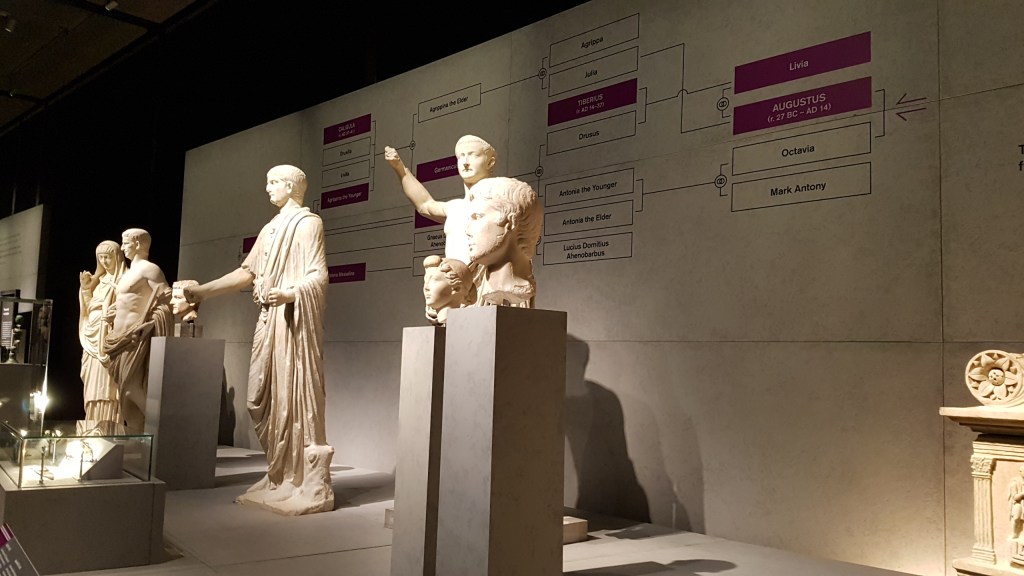
The exhibition was busier than I expected, especially as Covid restrictions are still in force, but things improved once I managed to get out of the first room. The first room was a slow wait-in-line slog where the statues referring to Nero’s family tree was. A complicated tree it is too! Adopted sons, second marriages, all to keep ‘the line’ going.
The family tree
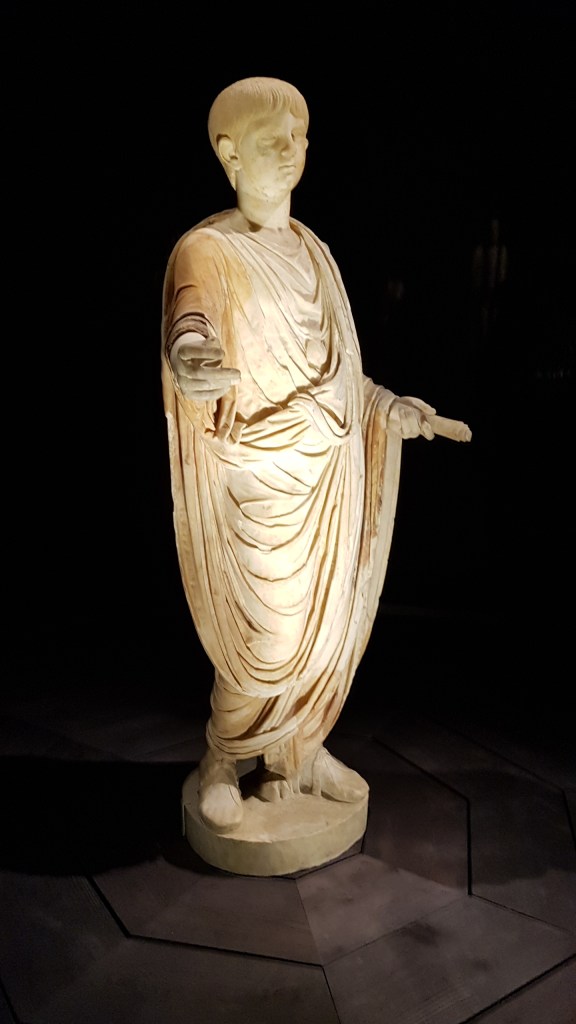
Nero was only sixteen when he became ruler, and his mother, Agrippina, was very much influencing the way things went. Coins show her alongside her son, but as the years rolled by, she faded more in to the distance on the coins as Nero became his own man, and resented his mother’s interference. Later she was accused of conspiring against Roman leaders, and though it seemed that Nero and his mother had reconciled, Agrippina was later found dead. She had either been forced to commit suicide or was killed by one of Nero’s men.
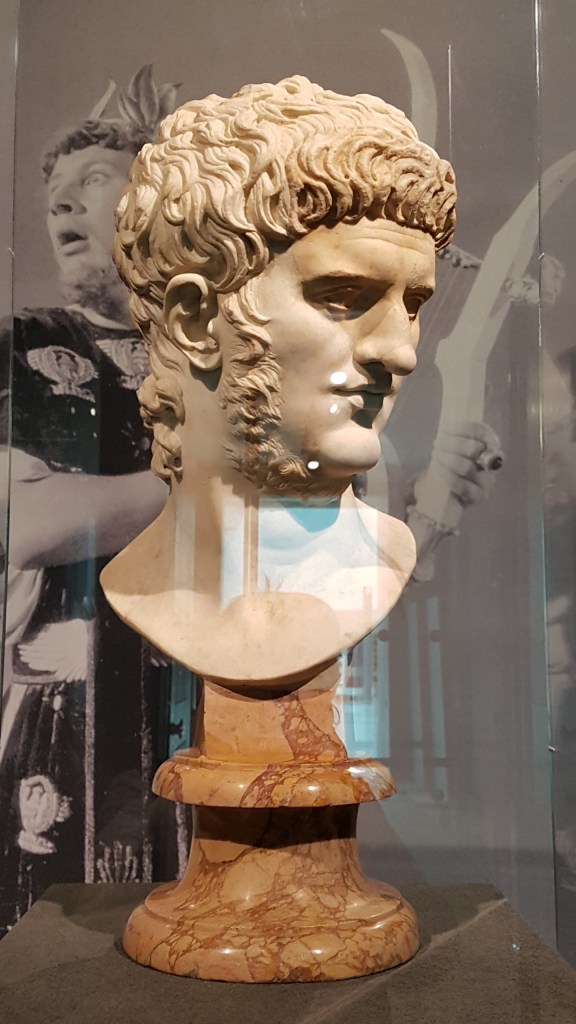
A young Nero who was later accused of matricide!
The exhibition showcases Nero’s life and busts some of the myths. Nero appears to have been well liked by the people, and he was popular with his supporters, at least to start with. But isn’t that the way with the Romans – good start, plotted against later!
Nero inherited war, but after the uprising in Britain Nero sent a special official to improve administration and to instigate reform and rebuild.
While Prince, Nero enjoyed performing at the circuses. Gladiatorial games and charity racing were popular pass times, as were performances of plays on stage, in which Nero took part.
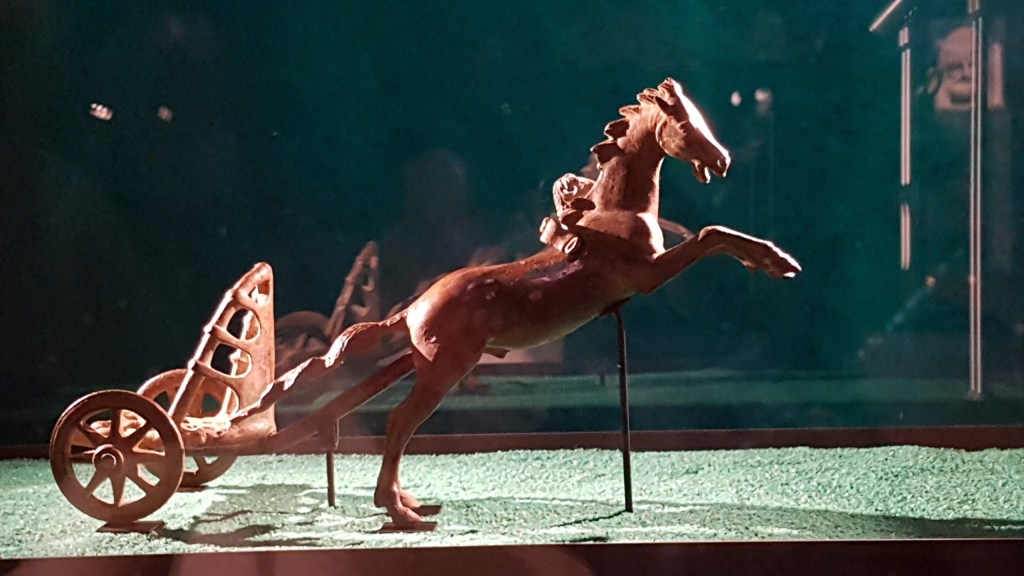
Model of chariot and horse
The fire in Rome in the year AD64, was rumoured to have been started by Nero, but in fact he was not even there when the fire happened. It burned over nine days, destroying great chunks of the city. To appease the gods Nero blamed a Jewish sect.He rounded them up and had them executed ‘by fire’ to fit the crime.
A gate grid from the fire of AD64
Nero helped the citizens after the fire and rebuilt the city. He instigated new practices and legislation in an urban building plan. His own palace had been caught in the fire, so he set about building a new lavish one.
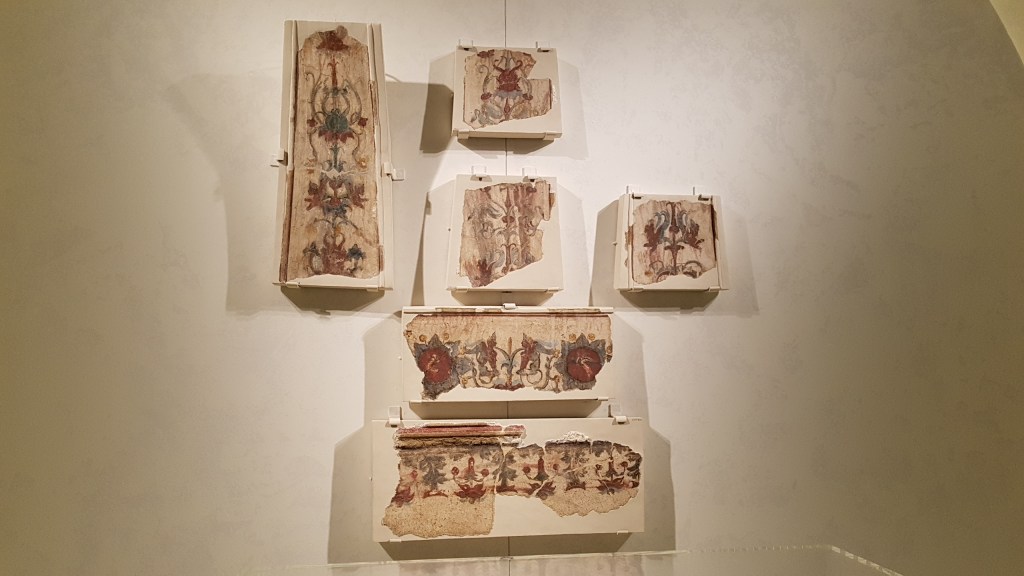
Wall art from Nero’s second palace, Domus Aurea
Nero married three times. His first wife Claudia Octavia, was betrothed to him when they were children and she was about 13 when they married. Later divorced from Nero and banished, she was executed in AD62 on charges of adultery. Poppaea Sabina, his second wife died, possibly after a miscarriage. Needing heirs, Nero married Statilia Messalina and she outlived Nero.
Popularity began to wane from about AD65, as plots began and disaffected groups and discontent led to conspiracy. In the end, Nero knew he had no choice but to end his life.He fled Rome with a loyal freedman who was his secretary, and it was he who helped Nero commit suicide.
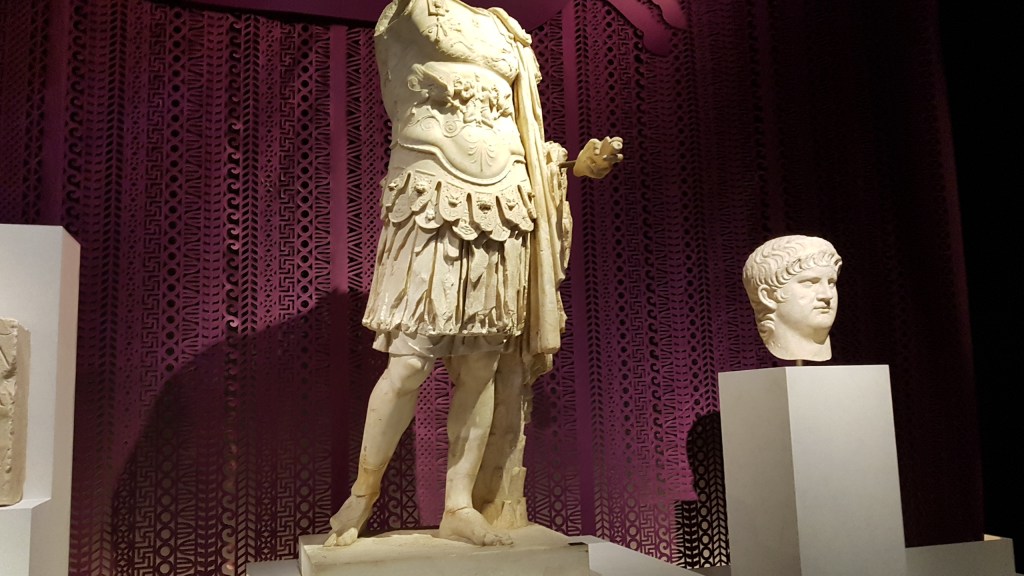
Nero in two parts!
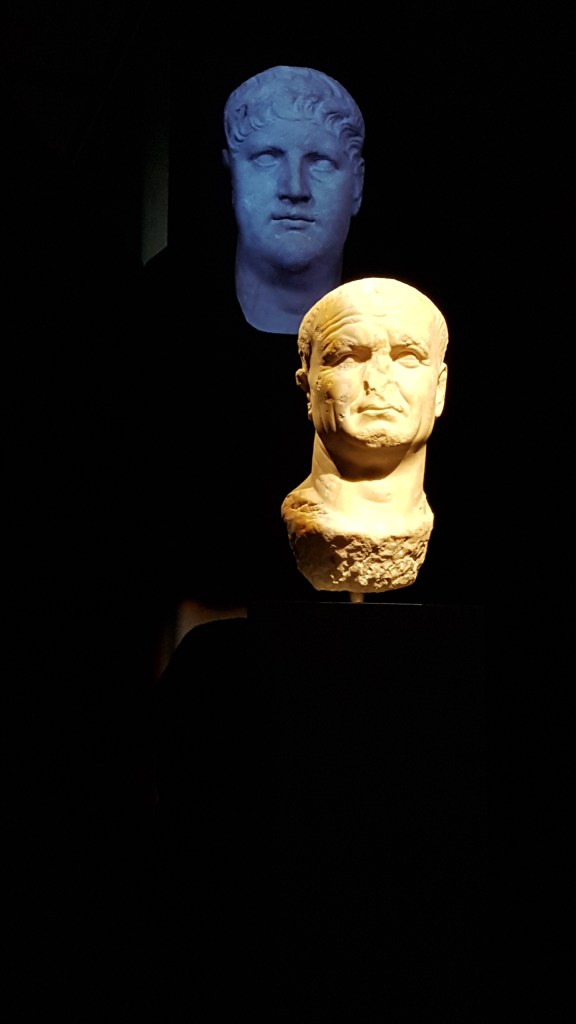
As was common, after Nero’s death, his statues were defaced, as if to wipe Nero out of history. But many statues were repurposed and re-carved to make the heads of new rulers, like the one below of Vespasian, who was one of the more successful rulers from those who followed Nero.
Nero to Vespasian (re-carved head)
Despite his death, Nero continued to remain a popular figure with people He was a complex character, but then what Roman ruler wasn’t?!
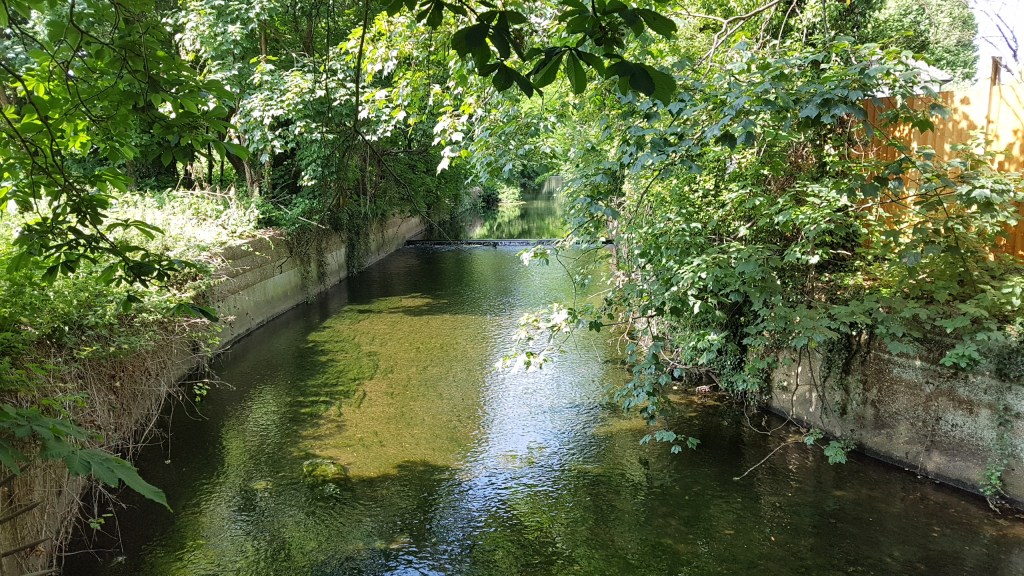
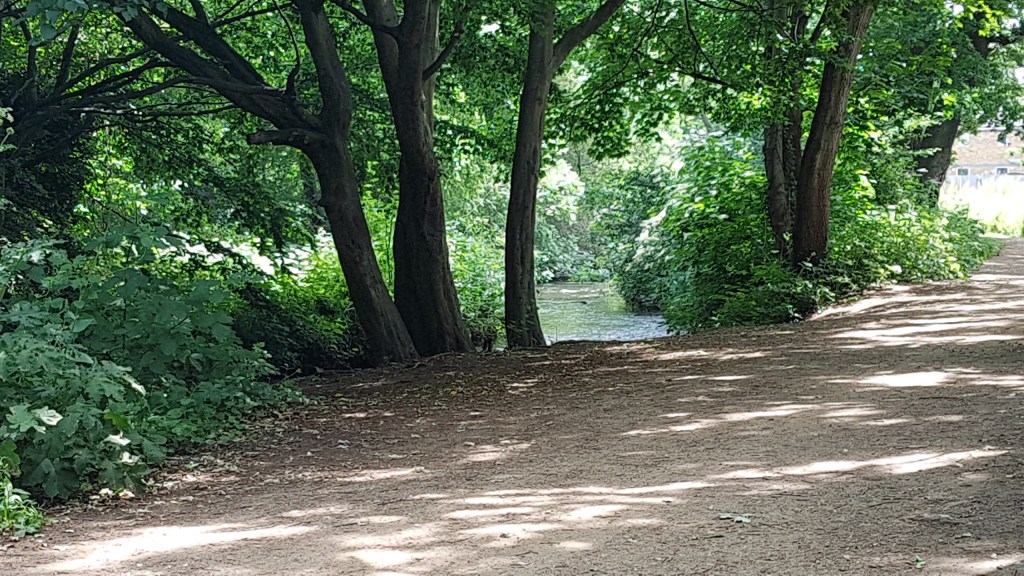
First sight of the River Crane at the end of Moormead and Bandy Recreation Park
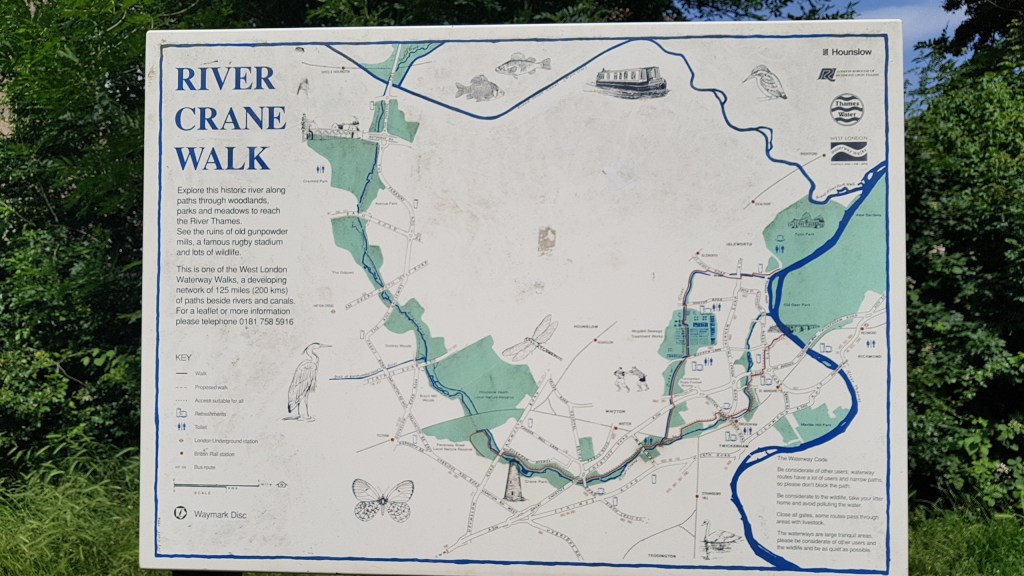
I chose my day well. We’d been having a mini heatwave, so I avoided the highest temperatures and chose a day when it was around 25c for this walk. In the book London’s Waterside Walks by David Hampshire, it states the walk is five and half miles, but add that to walks to/from stations (and a bit of off track investigation), I walked about seven miles.
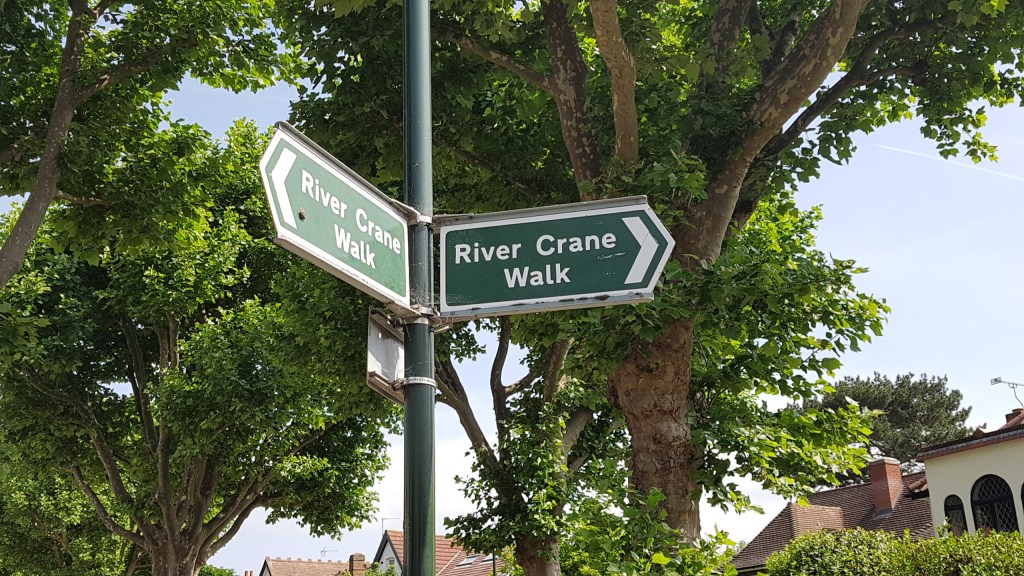
Between the bridge and Mereway Nature ParkSign posts
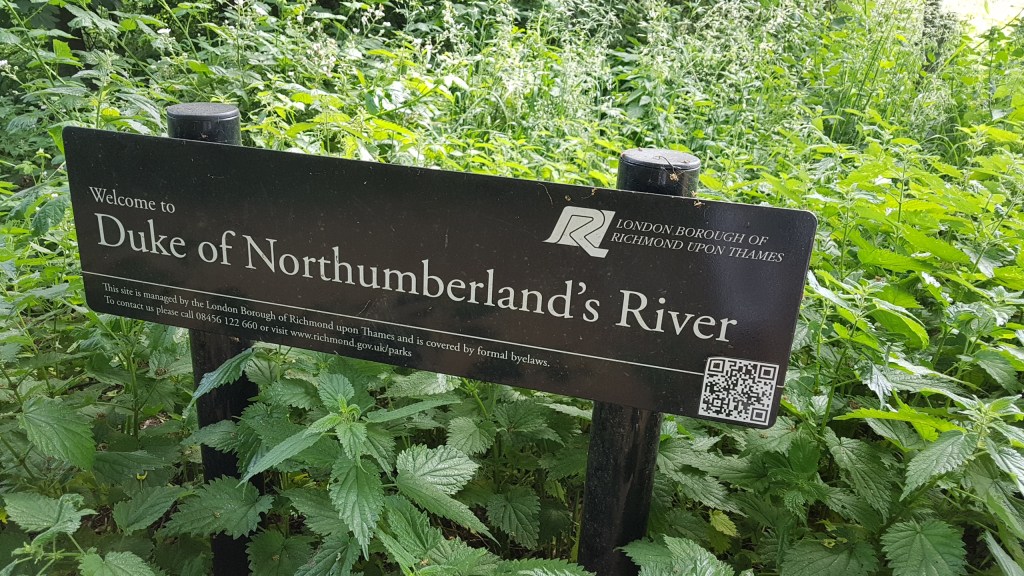
The walk begins at St Margaret’s railway station (easily reached from London Waterloo), and actually takes in two rivers. The River Crane is a tributary of the River Thames, meeting that river at Isleworth, and the Duke of Northumberland’s River which is a tributary of the River Crane. The Crane (lots of info and photos here on Paul Talling’s website) begins in Hayes, so I was only walking part of it.
It’s find a friend day! A nice place to sit in Mereway Nature Park
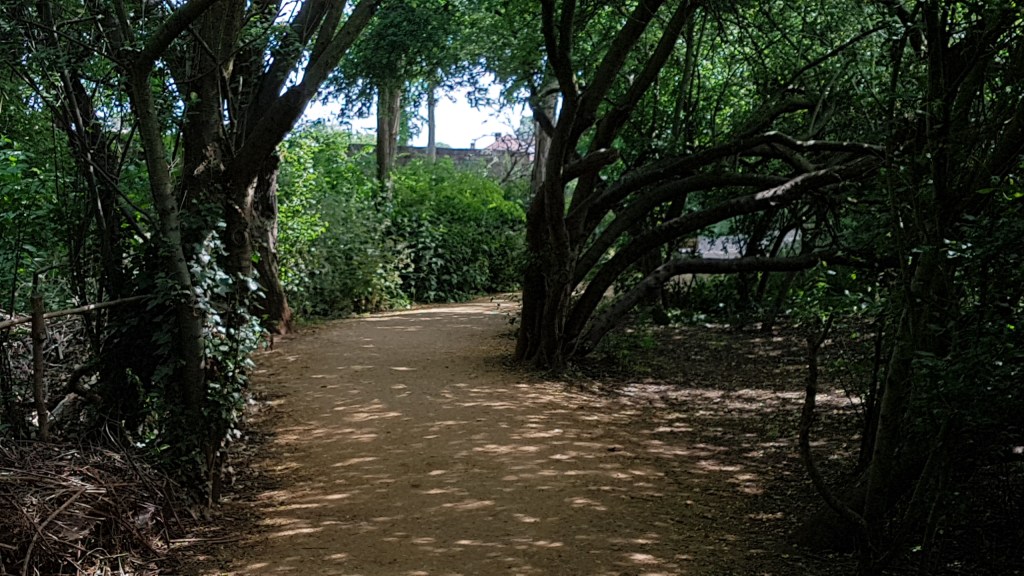
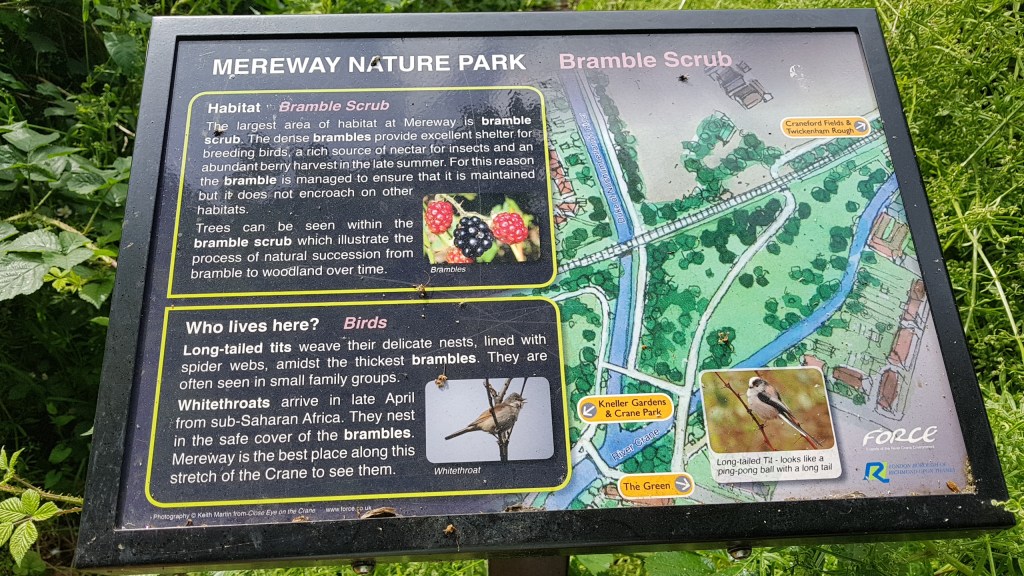
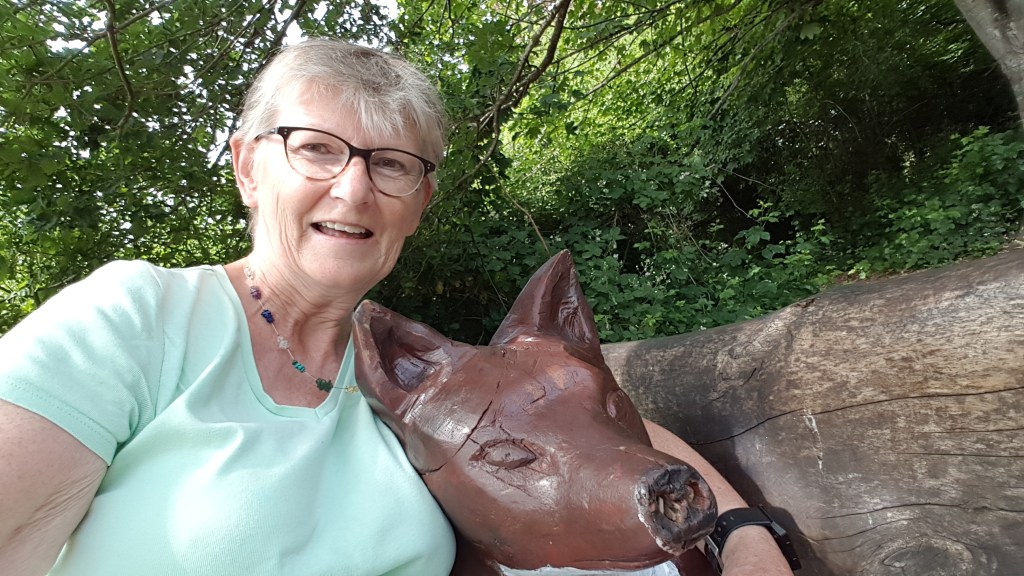
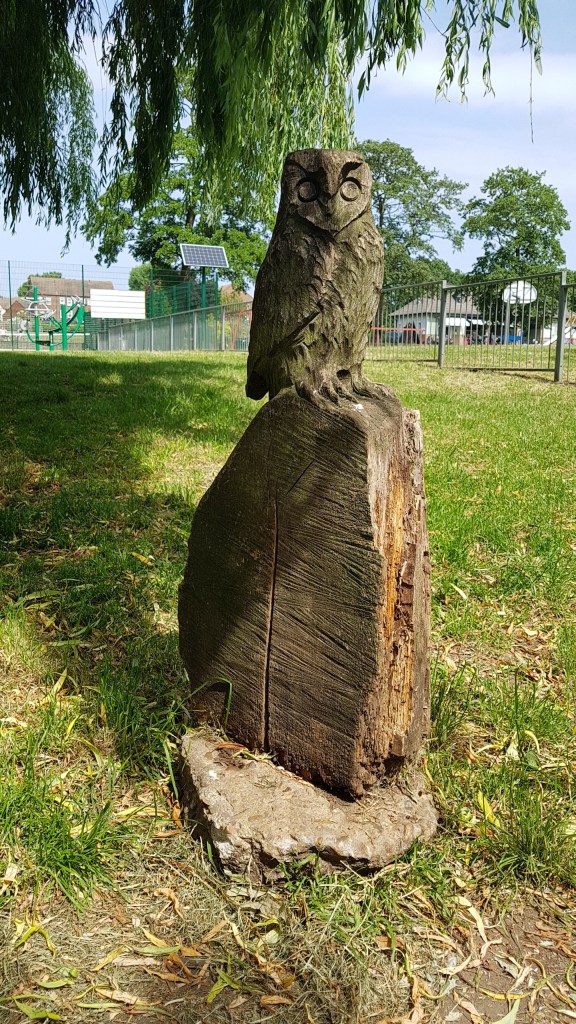
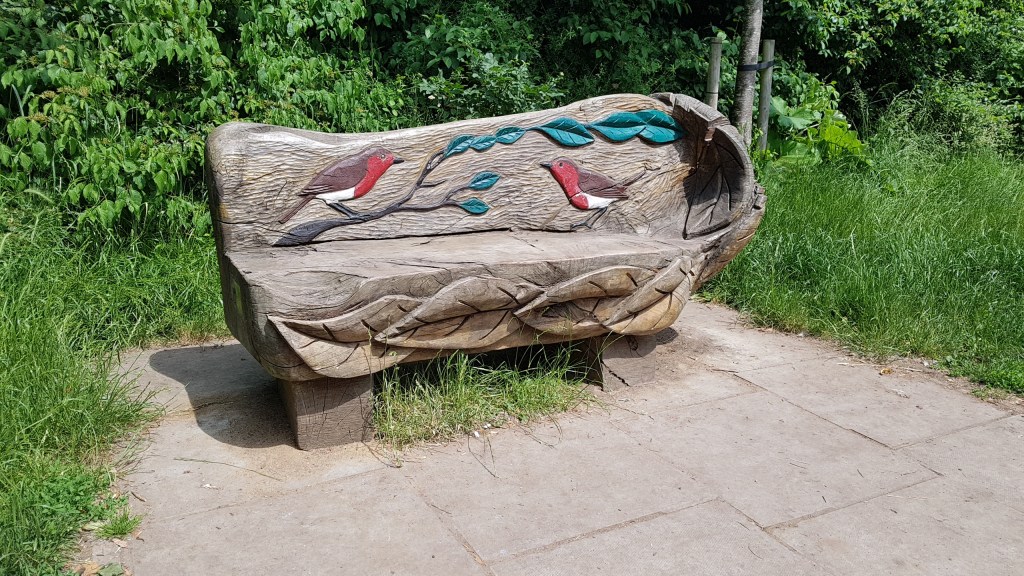
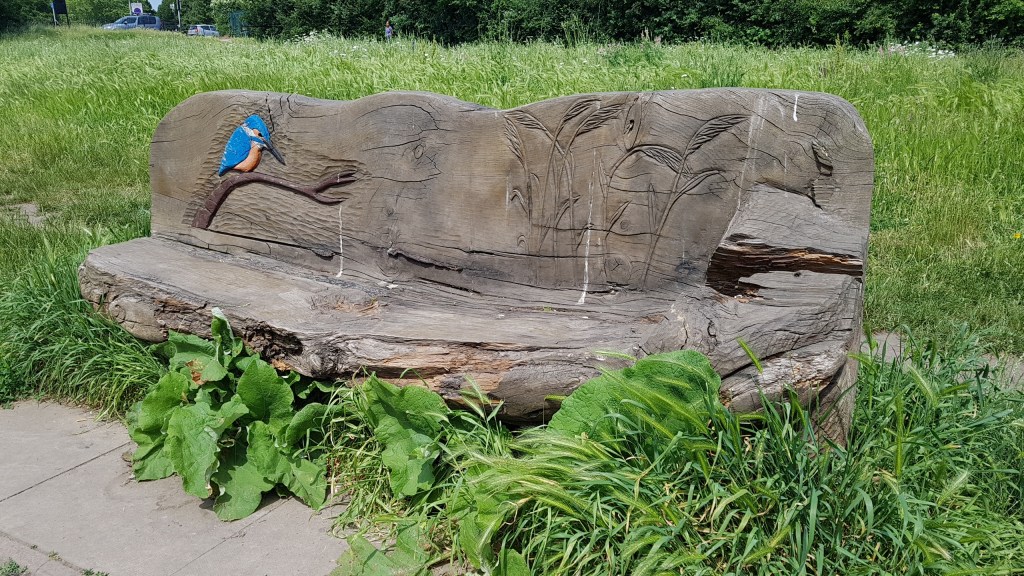
The route is fairly easy to follow, crossing through a recreation ground for the first glimpse of it, but I almost came unstuck where there is a bridge over the river. I had to double back, cross another field until I entered Mereway Nature Park. This is beautiful. There are boards dotted around giving information on what you might see here, and little pathways that led further into the trees. It would be nice to spend more time here, though I did veer off a couple of times to explore a little. I particularly loved the decorated seats and wooden markers, both here and along the River Crane later.
Seats and markers
The Duke of Northumberland’s River
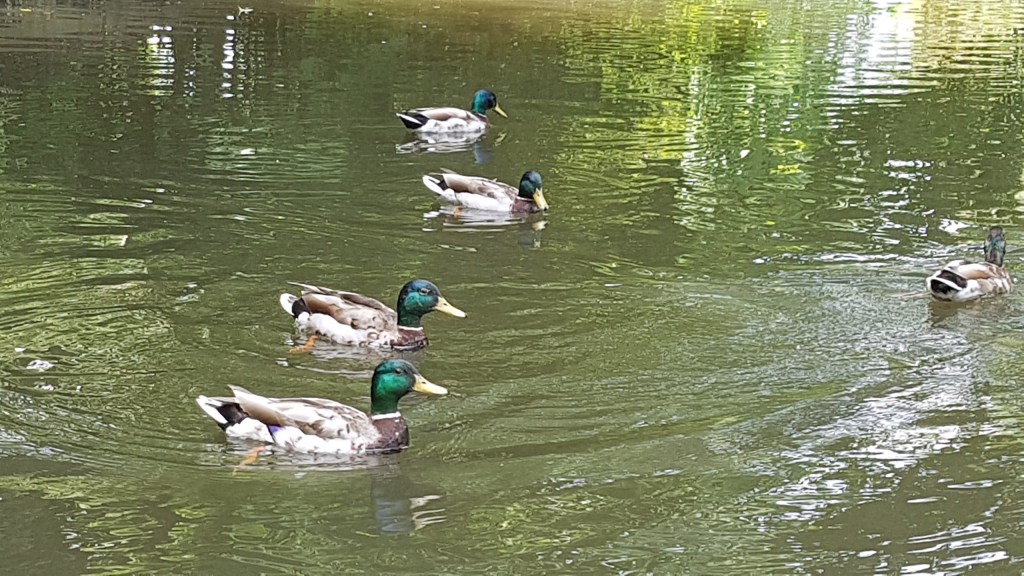
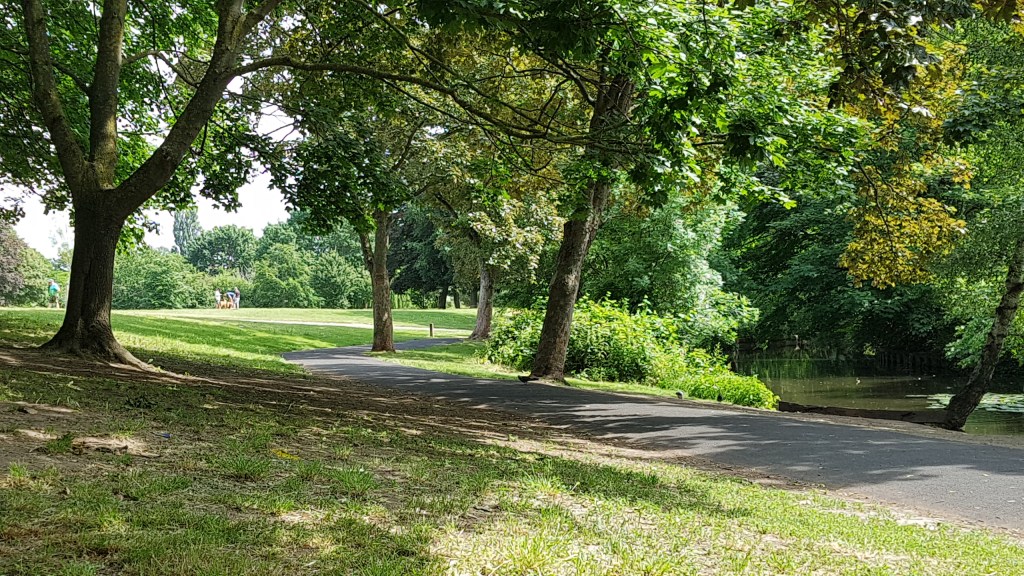
Following the Duke of Northumberland’s River, you eventually come to Kneller Gardens. Here there is a cafe and the all important toilets! The park has play areas, tennis courts, gym equipment and lots of picnic tables. The river runs through here and there were ducks and moorhens.
Ducks on the Duke of Northumberland’s RiverKneller Gardens
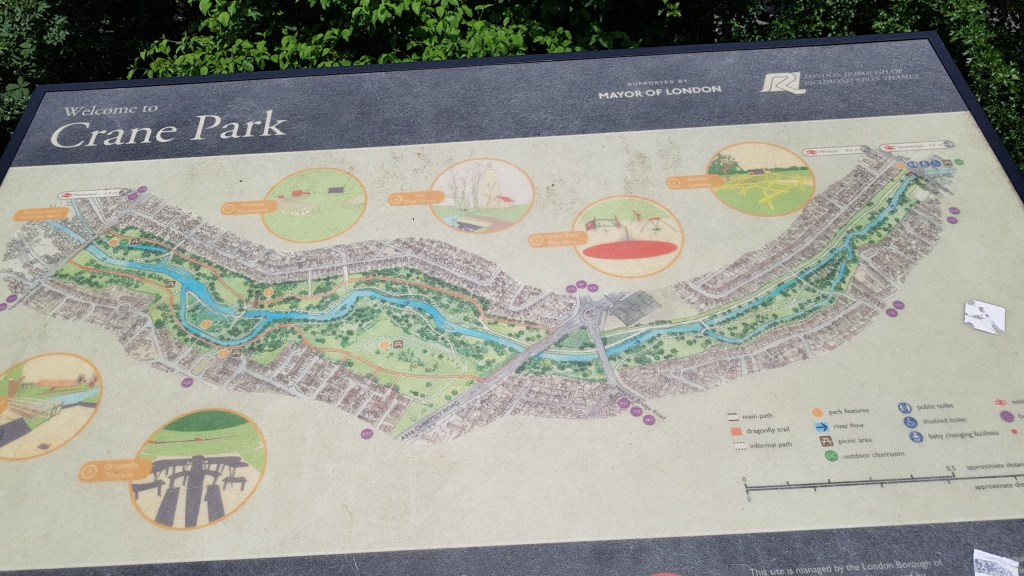
Following the path out of the gardens, you cross a main road, and then you are into Crane Park. I was impressed with how large the park is. At first the space is quite open, with the river running alongside it. The further you go, the more the trees encroach and the path narrows.
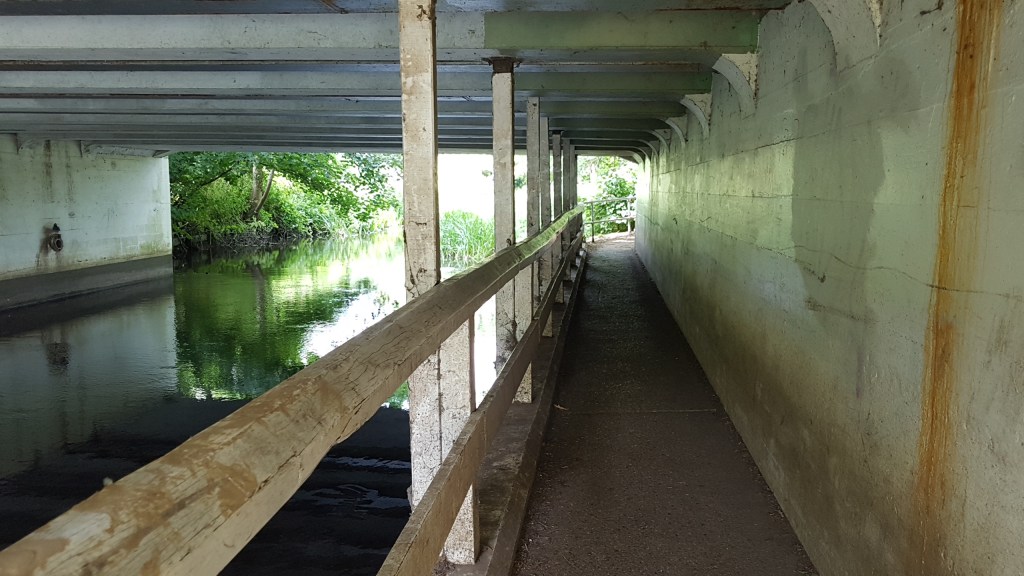
The river passes under two busy main roadsMuch bigger than I thought, was Crane Park
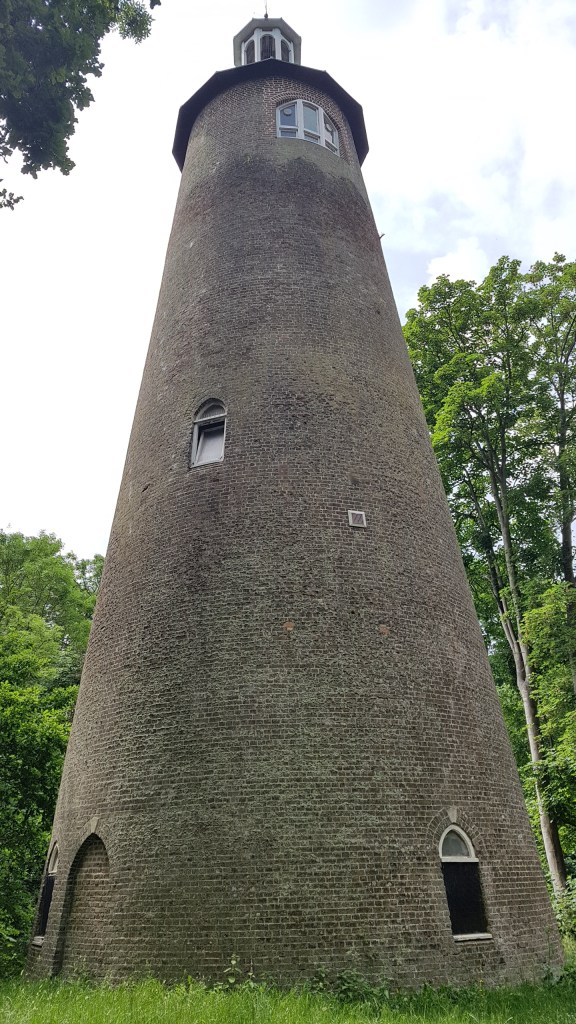
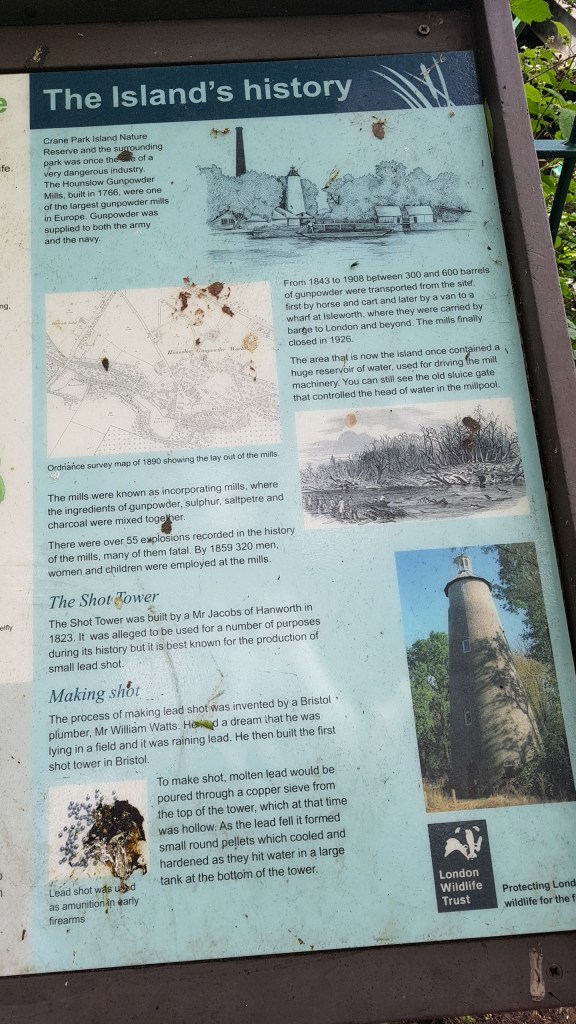
Following the sign post I headed towards the Shot Tower. The Shot Tower is the remains of Hounslow Gunpowder factory built in the 1760’s. It was renowned in Europe for producing the finest black gunpowder. The place eventually closed in 1926. I believe there are open days.
The Shot Tower. Impressive!
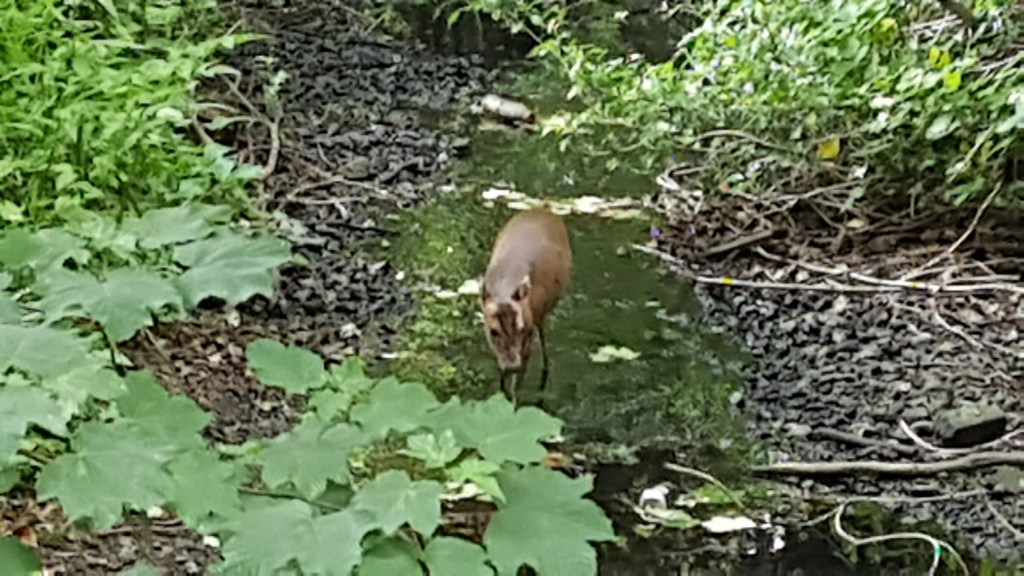
A Sika Deer, I believe. I spotted this as I crossed a bridge and back on to the other bank for the final leg of the walk. Such a surprise.The lunch stop, without lunch!
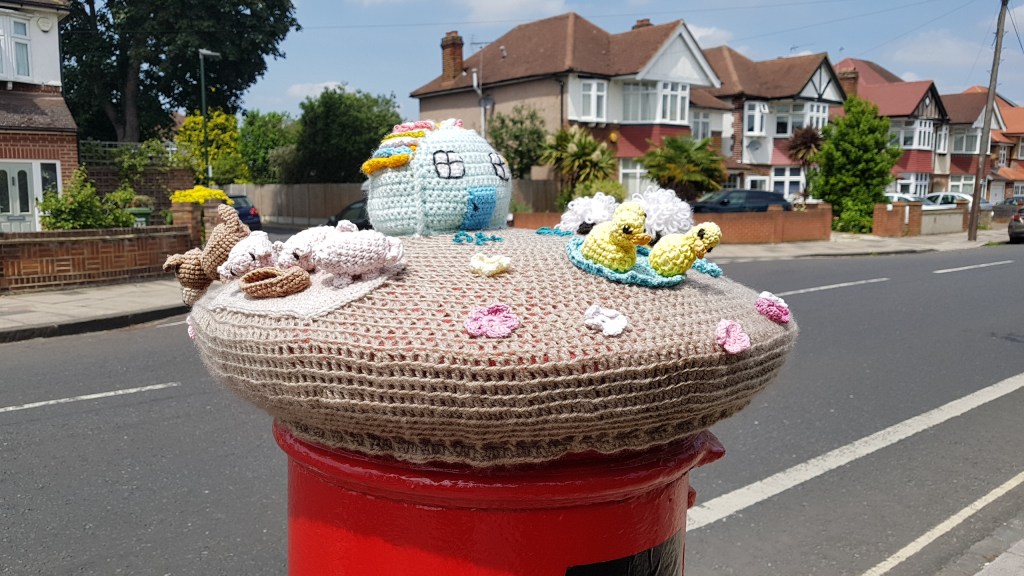
From that spot it wasn’t too far from the finish, anyway. Eventually, you come out to a very busy road (Great Chertsey Road – A316) and turn left and cross the road and head into Percy Road passing Twickenham Cemetery. From there it is a rather boring walk to Whitton Station. The only light relief was finding the knitted hat on one of the post boxes! At Whitton I’d not long missed a train, so I went and bought myself a sandwich, eating it on a bench in the high street. When I reached the station, I found my train had been cancelled, due to lack of train drivers! I had to wait about forty minutes for the next one. Rather frustrating but, that’s life!
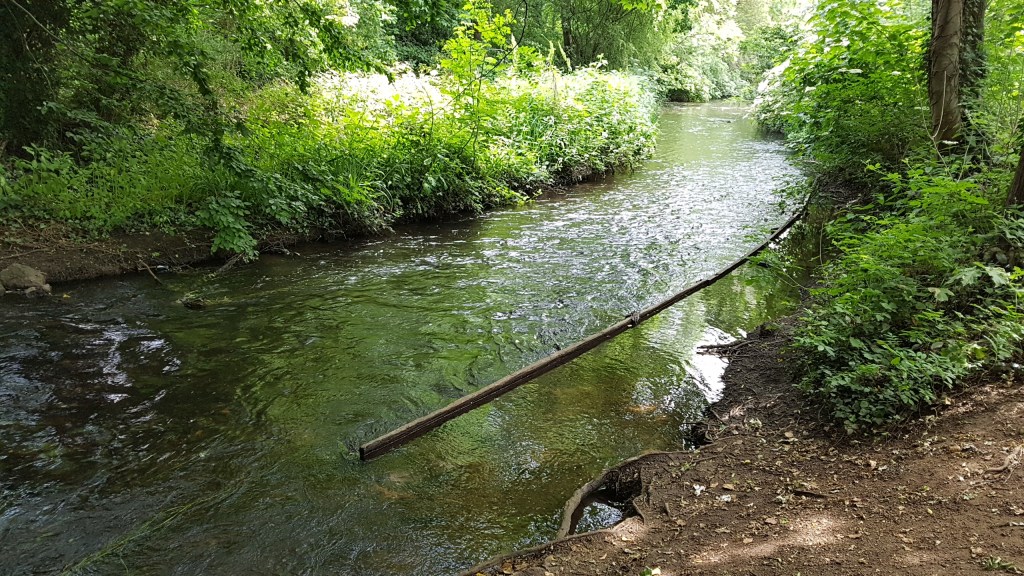
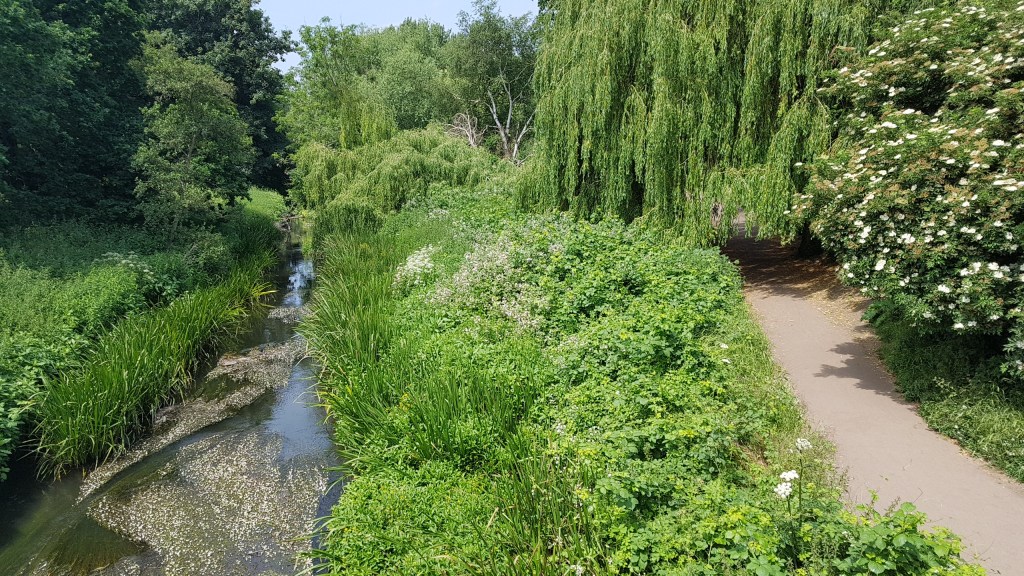
Last glimpses of the River CraneOn my walk to Whitton Station
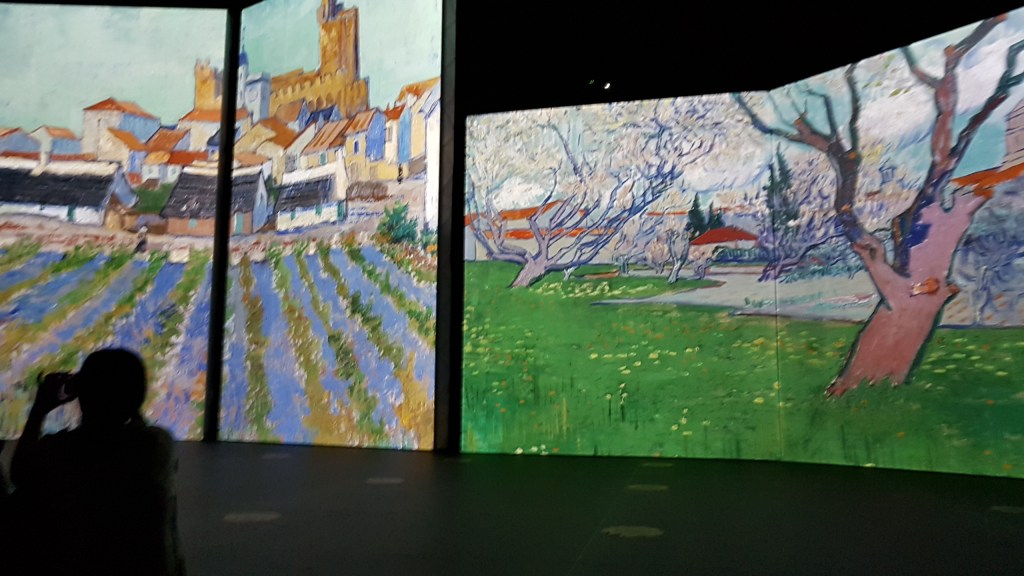
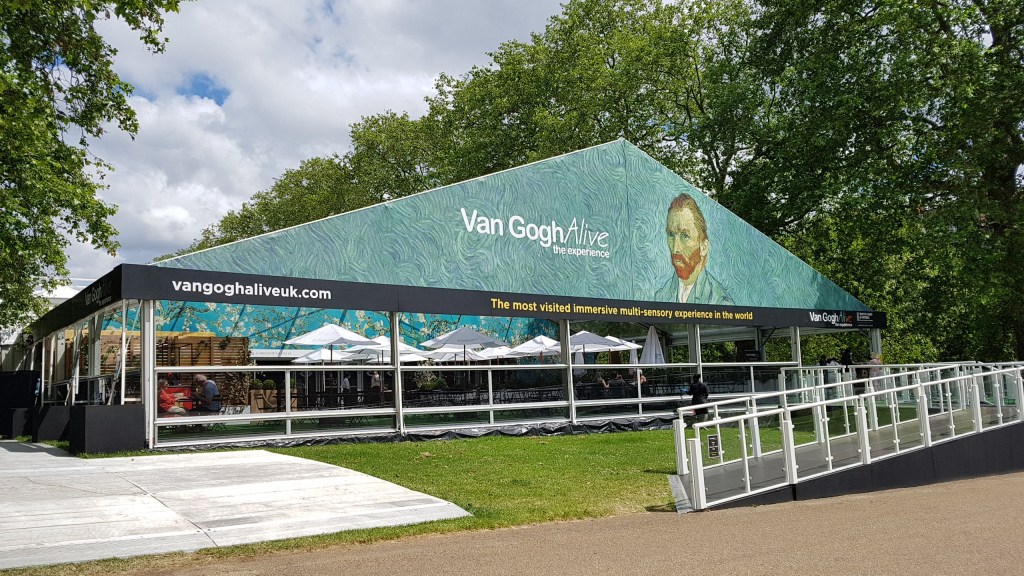
This exhibition has been around the world and to various parts of the UK. It is a totally different way of experiencing art.
It was a warm day the day we went to the exhibition, though it began cloudy. We walked from Victoria station, taking in the gardens of Hyde Park before reaching Kensington Gardens, where we ate lunch. The sun was out by then and it had become hot.
F
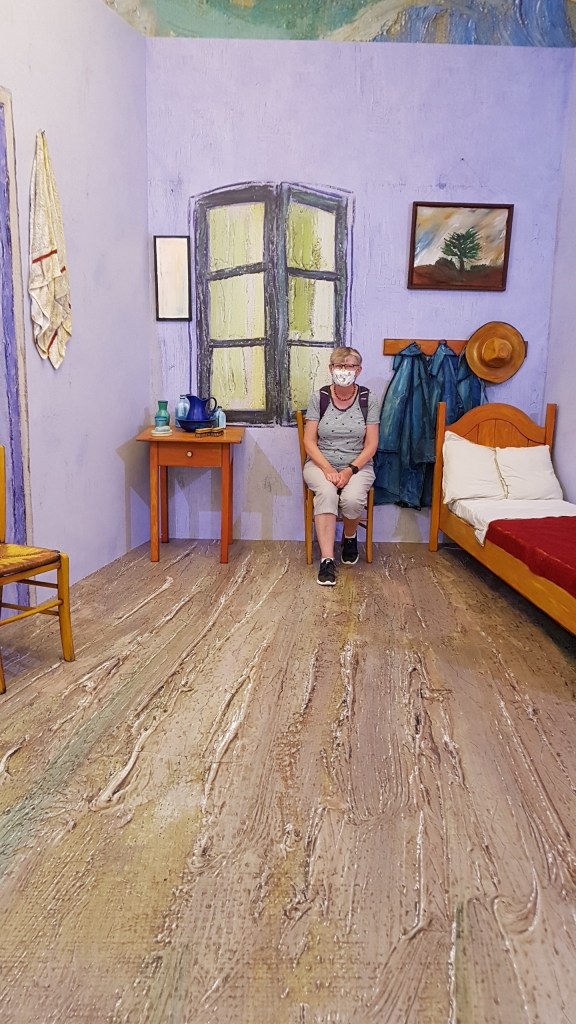
At 1pm we entered the temporary exhibition site close to the Albert Memorial. All the information about the experience, along with details about Van Gogh’s life, the paintings and how/when he came to paint them are on boards before you enter the experience itself. There is also a mock-up of Van Gogh’s bedroom where you can take photos. You are able to sit on the chair (the chair is wiped down each time to make it safe!).
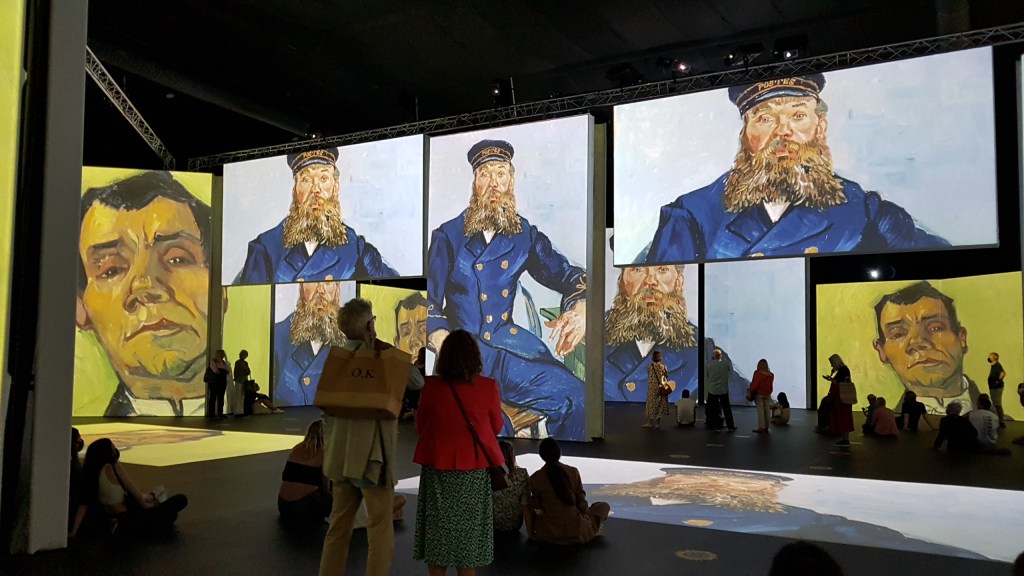
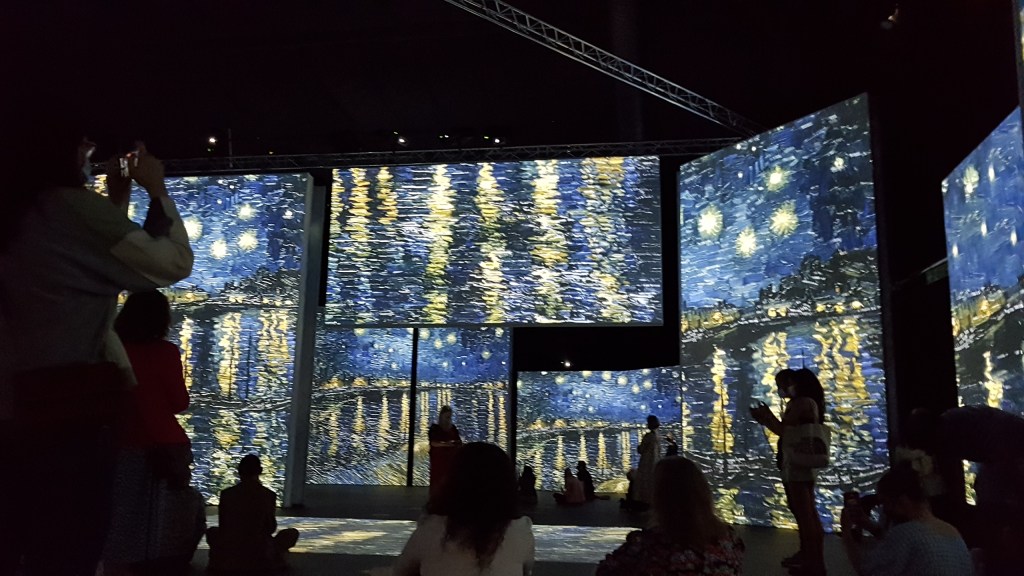
Entering the experience itself, you are greeted by music and huge screens with every changing paintings. There are the 2 metre roundels showing where you may stand or sit. Sitting is the best option as the experience lasts about one hour. When we entered, the film was about half way through. We sat in the first area, but later moved forward as people standing were blocking our view. All around you – to the front, sides and back, sometimes even on the floor, the paintings move and change. The film is nicely put together, going through Van Gogh’s life, and the music matches the mood of the painter. Van Gogh was a prolific letter writer (he often illustrated his letters with sketches), and some of his words are displayed alongside paintings.
Many of the images are 3D and cleverly done so that birds fly, trains move between paintings. We stayed to see the film from its beginning until almost the end again. The room is air conditioned. There are no seats, so you must be prepared to either stand or sit on the floor. We loved the experience so much we could have happily stayed there all day. A nice day bed would have been handy!
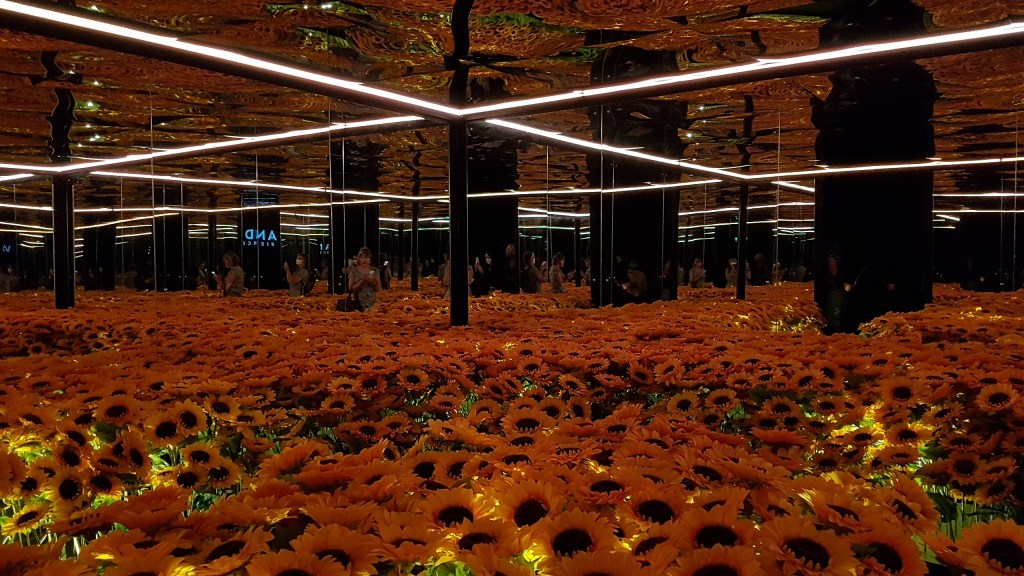
Coming out of the main room, you enter the sunflower room. This is small but with mirrored walls and ceiling, it appears far bigger. From there you exit into the shop. There are toilets, and a cafe. However, we found somewhere outside to have a drink, which was probably cheaper!
Would I recommend this? Yes! The friend I was with did not know much beyond the Sunflowers painting of Van Gogh’s, and she was amazed how many paintings he did. I always feel sad that artists such as Van Gogh, who struggled to make a living, never knew how famous he would be. He struggled too with his mental health (it was later thought that he was bipolar), and he was happiest when he was painting.
I have been to Van Gogh exhibitions in the past, but this was certainly different. I think it would appeal to all kinds of people. The way it is presented, you have to do nothing but watch. No squinting at plagues by paintings to read about it. No waiting behind people to get a glimpse of art works. It’s there, right in front of you. It bombards you, it is in your face art, and it is moving.
The original Pleasure Gardens were laid out in the 1600’s. though it wasn’t until 1729 when a man named Jonathan Tyers saw the potential of the gardens for entertainment that they came into their own.
It cost a shilling to enter, quite a sum back then. The idea was to keep the riff-raff out! Despite this, princes entertained prostitutes and drukenness was common. The gardens were a backdrop to several novels, including Vanity Fair by William Thackery. Inside you could get a meal, be entertained by an orchestra, enjoy a firework display, through a lantern lit tree lined secluded garden and hear works by George Frideric Handel (he was a sort of composer-in-residence). However, the gardens became known as a place where the seamier side of the wealthy was on display!
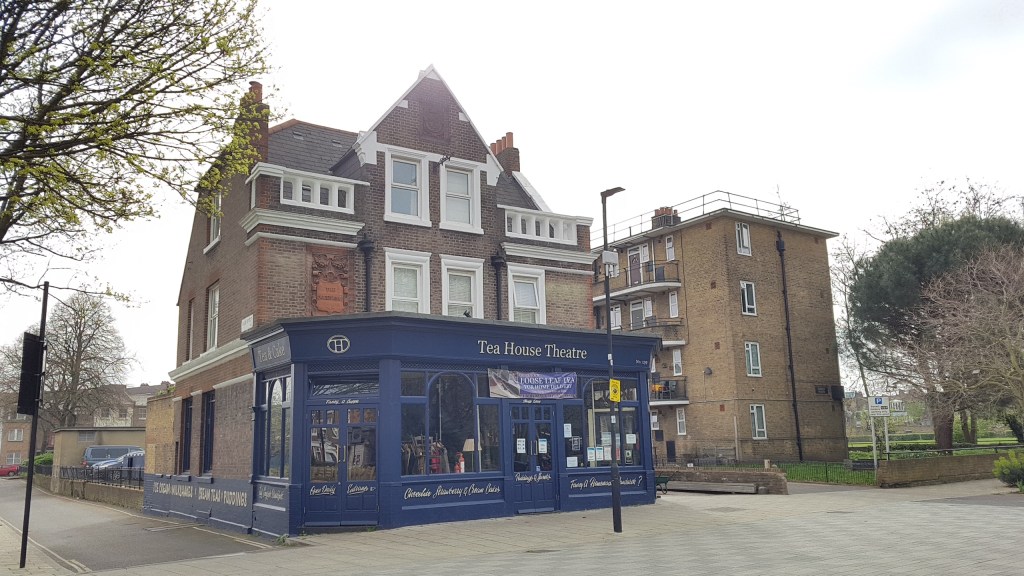
The Tea House Theatre is a cafe that also runs poetry evenings, music, and debating. NIce to see that entertainment still exists in the park!
The gardens finally closed in 1859. Do read the excellent article on the Museum of London website. It has a short history, pictures and a layout of the gardens.
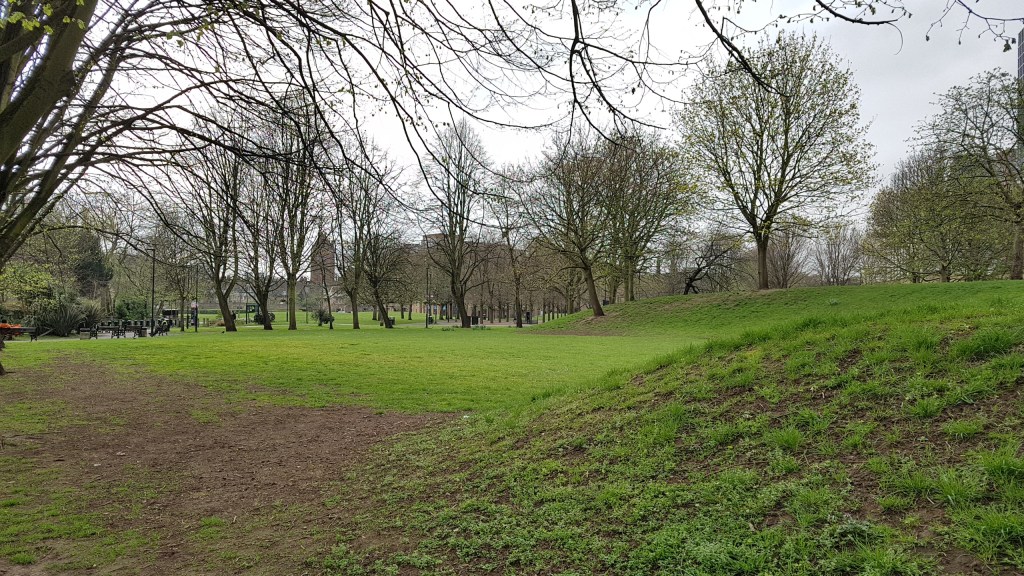
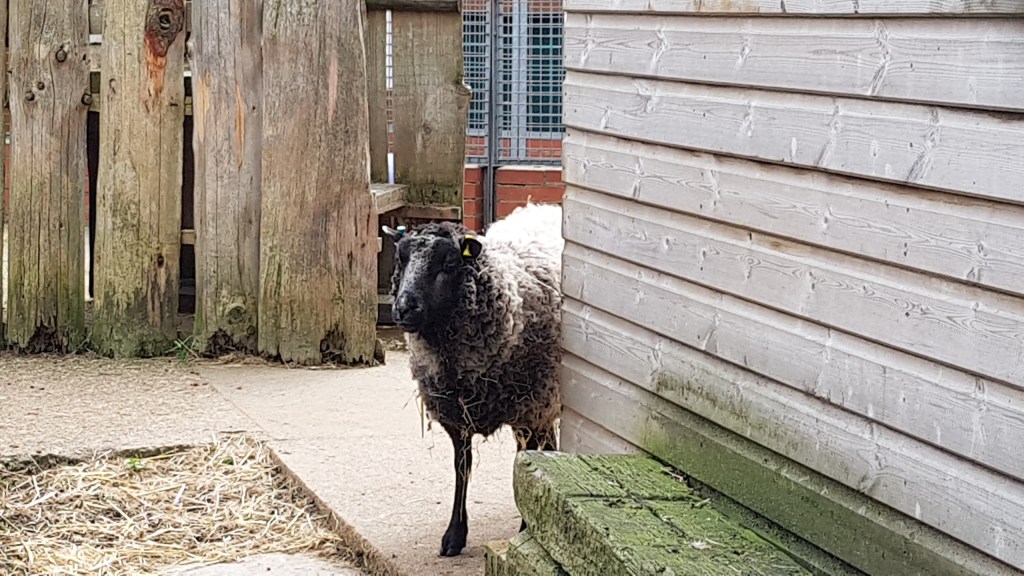
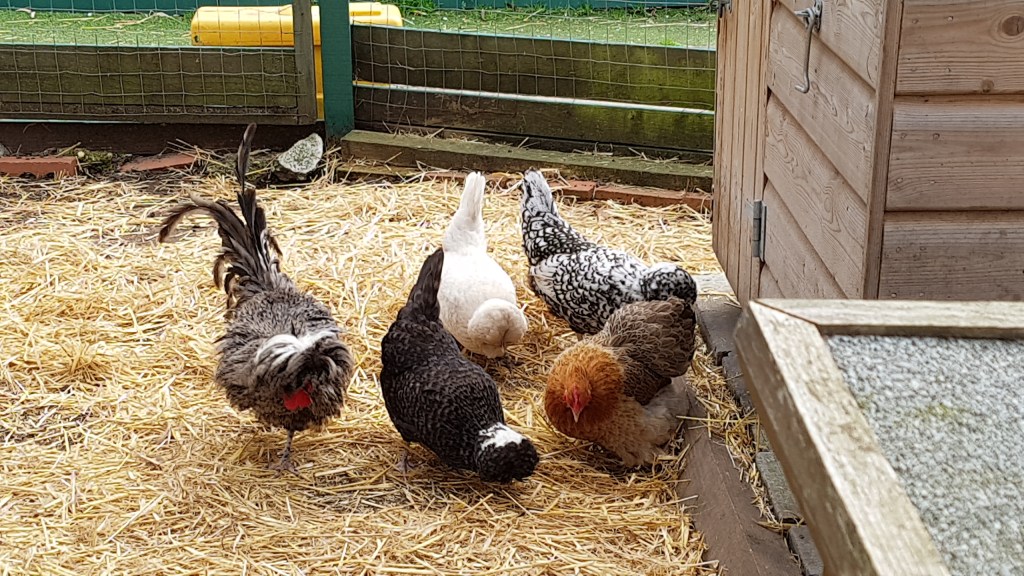
I have become quite fascinated by the gardens over the years. These days the gardens are surrounded by housing estates. The gardens have play areas and a city farm, which opens again next week. I was able to get a few photos through the wire fence, though! You can get a glimpse of Vauxhall Pleasure Gardens from the window of the train as it journeys into London Waterloo station. The train stops at Vauxhall.
Boo, or is thar Baar! Vauxhall City Farm
I love the sculptures at the main entrance to the gardens – a woman and a man. It’s nice to know that the gardens still exists in some form, but I can’t help wishing I could travel back in time and visit them as they were – scandal and all!
The statues at the main entrance to Vauxhall Pleasure Gardens
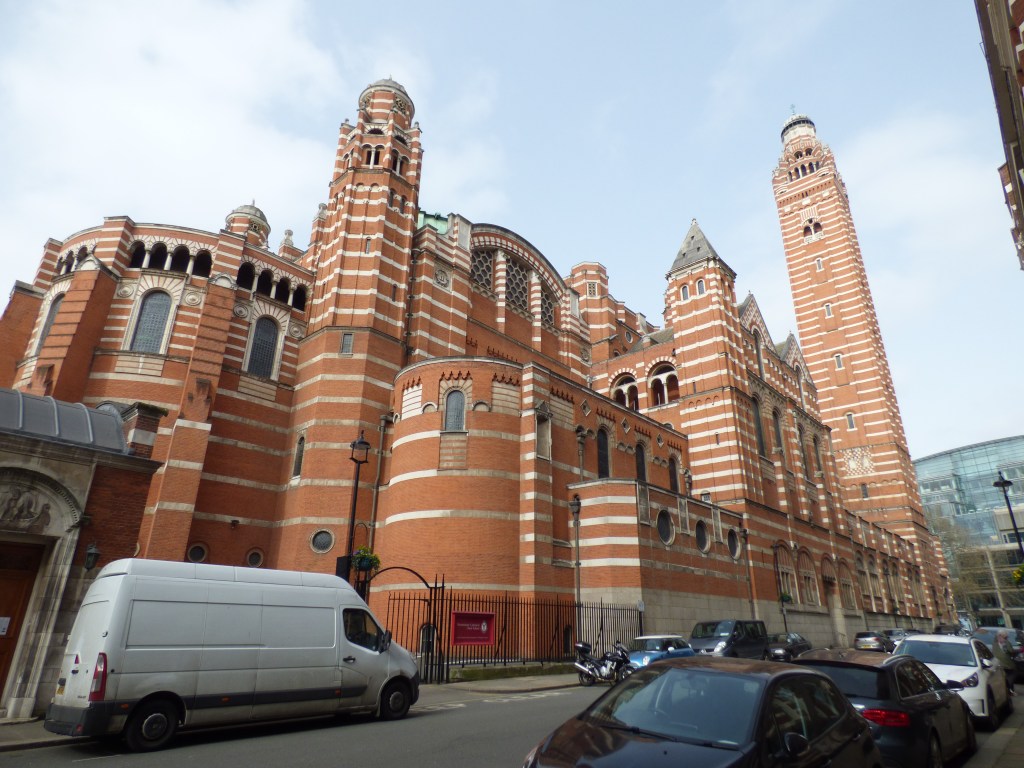
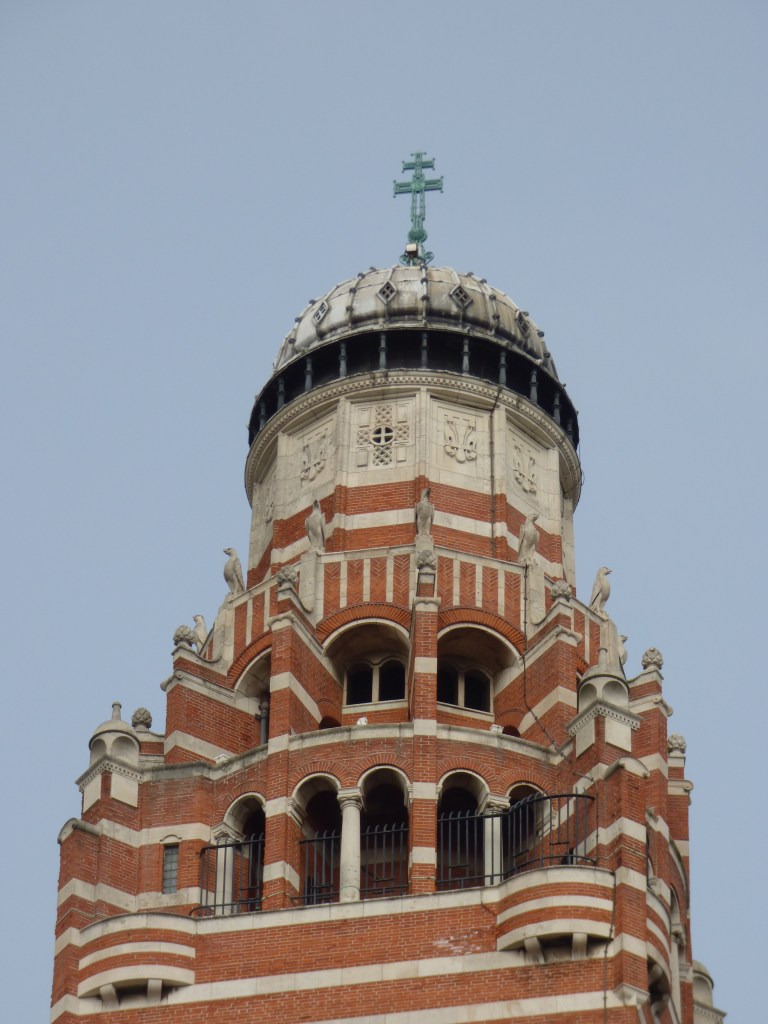
DetailWestminster Cathedral
Detail
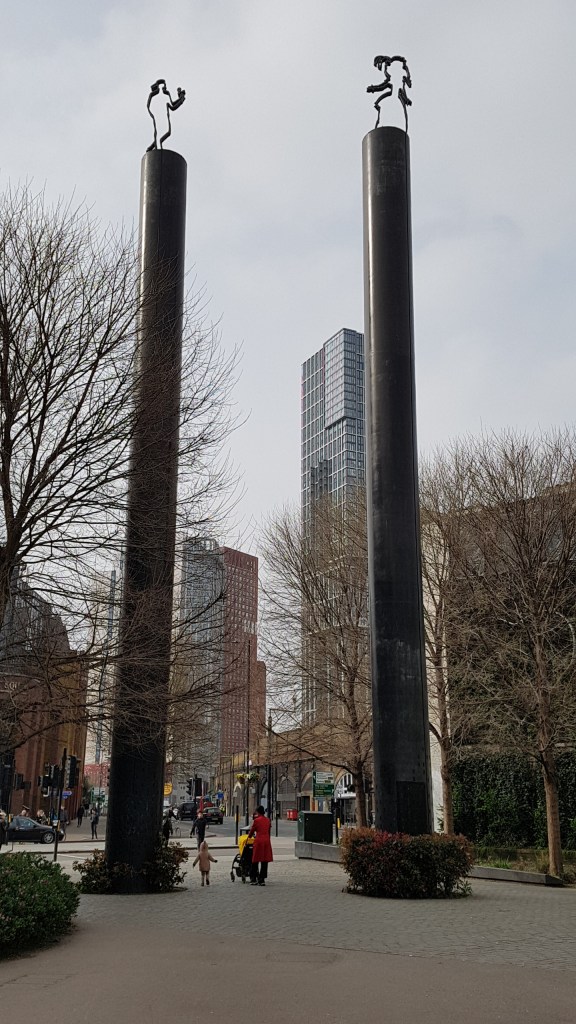
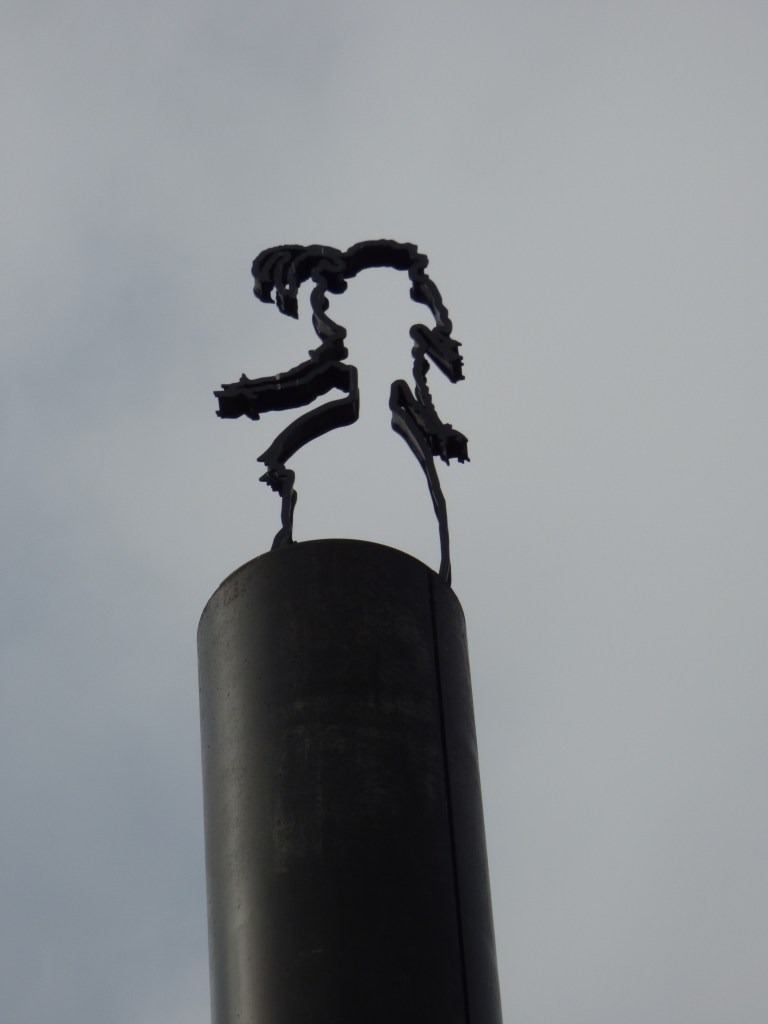
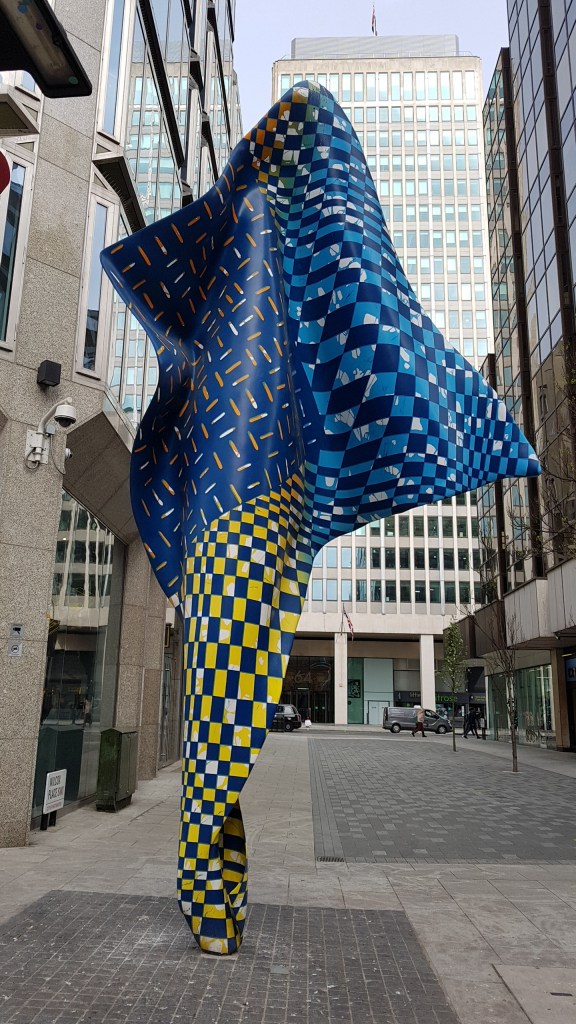
A walk over Vauxhall Bridge and it’s not long before you come to Victoria and Westminster. I was out to see a sculpture just called Wind Sculpture that I’d come across online. Firstly, I came to the beautiful Westminster Cathedral. Some years ago I visited and went up to the top of the tower.
Wind Sculpture, Westminster – Ideally placed in a very windy spot!
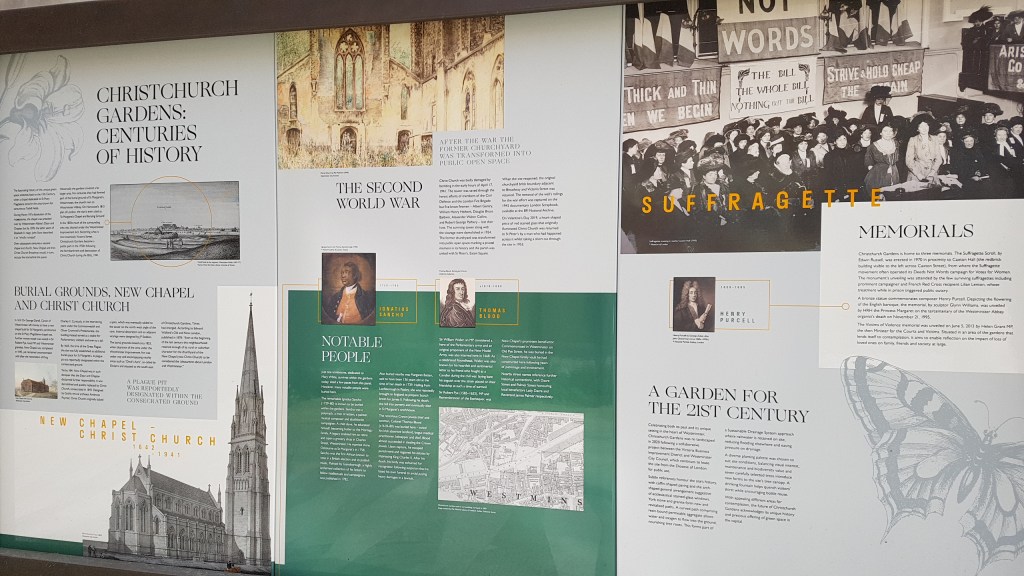
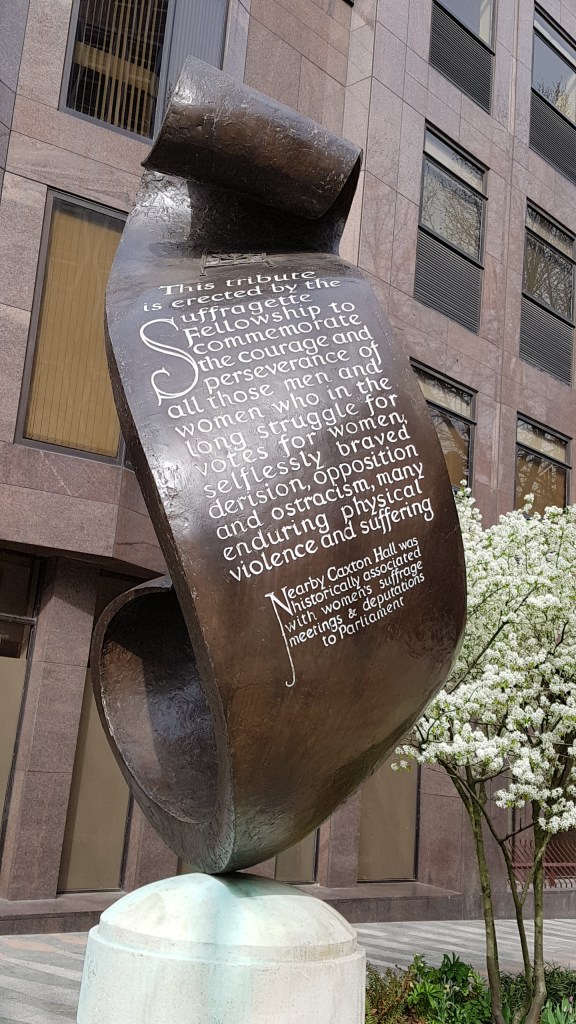
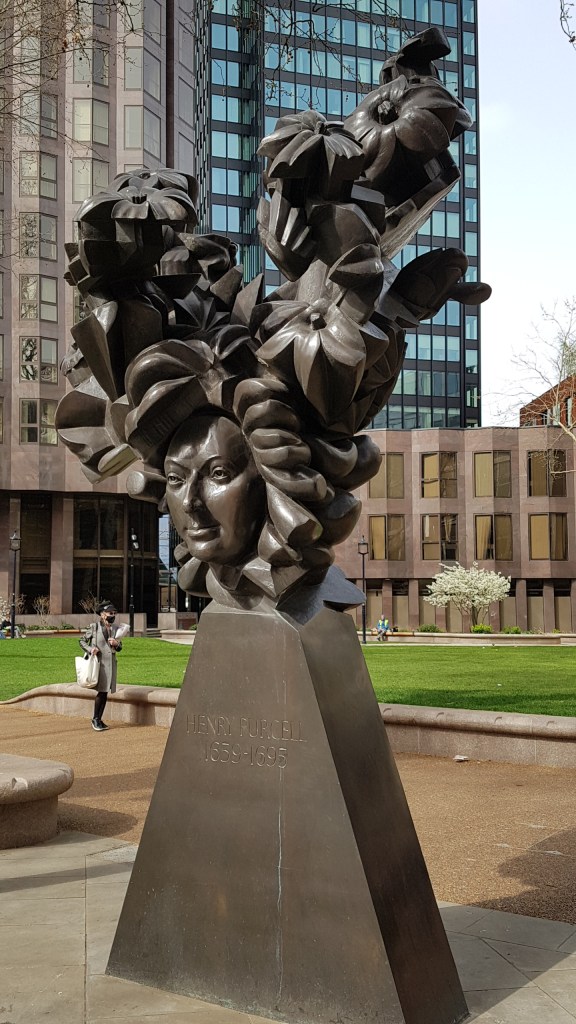
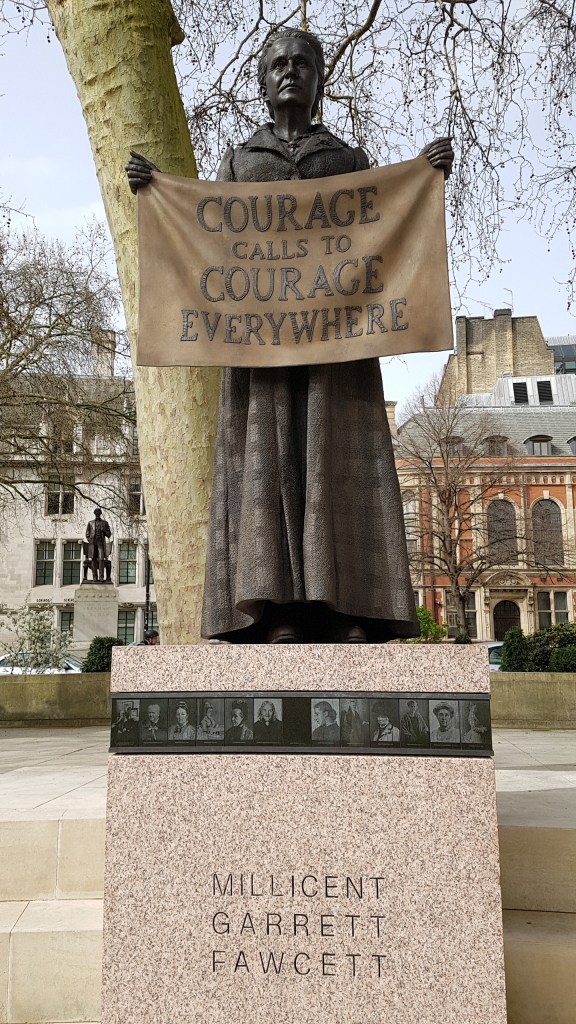
There is a lot of work taking place in Westminster. Many of the little parks are occupied with workmen taking a break. Christchurch Gardens looks relatively new, what I would call a ‘pocket park’. The church no longer exists, but the there is board giving the history and the connection with suffragettes, as well as a sculpture to them. At the main entrance there is a sculpture to the composer Henry Purcell. There is an interesting article about Christchurch Gardens here.
Christchurch Gardens
To Henry Purcell
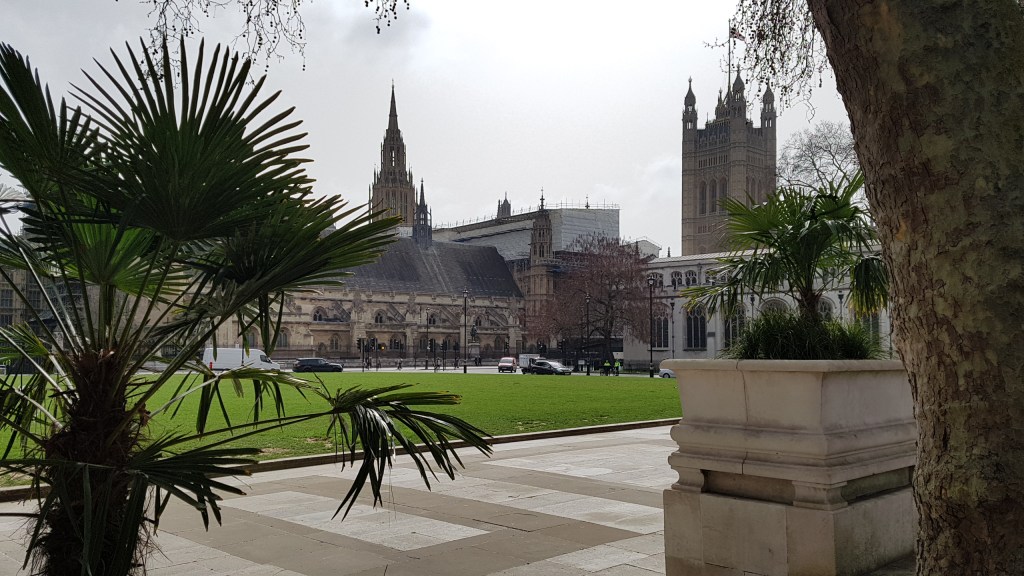
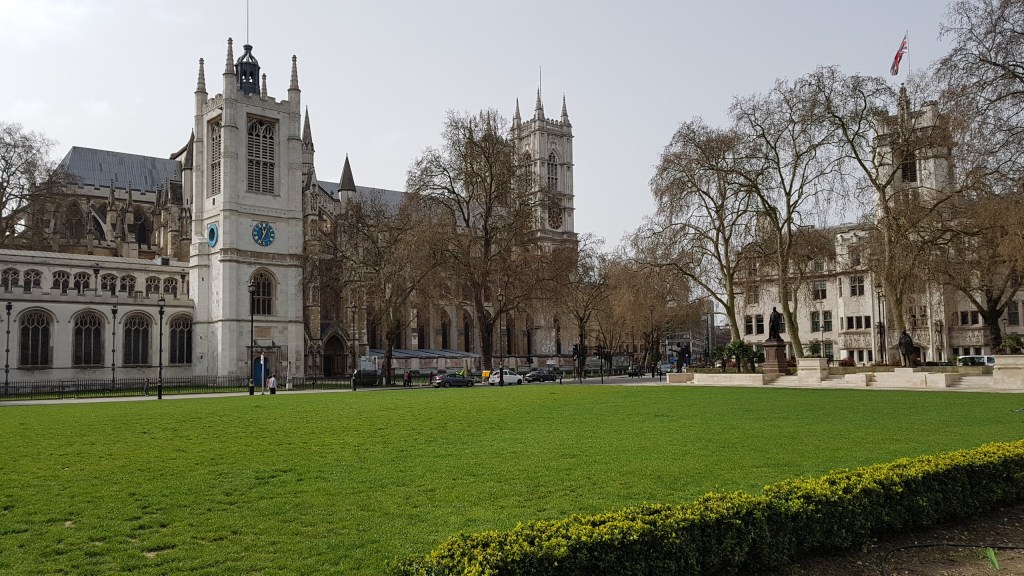
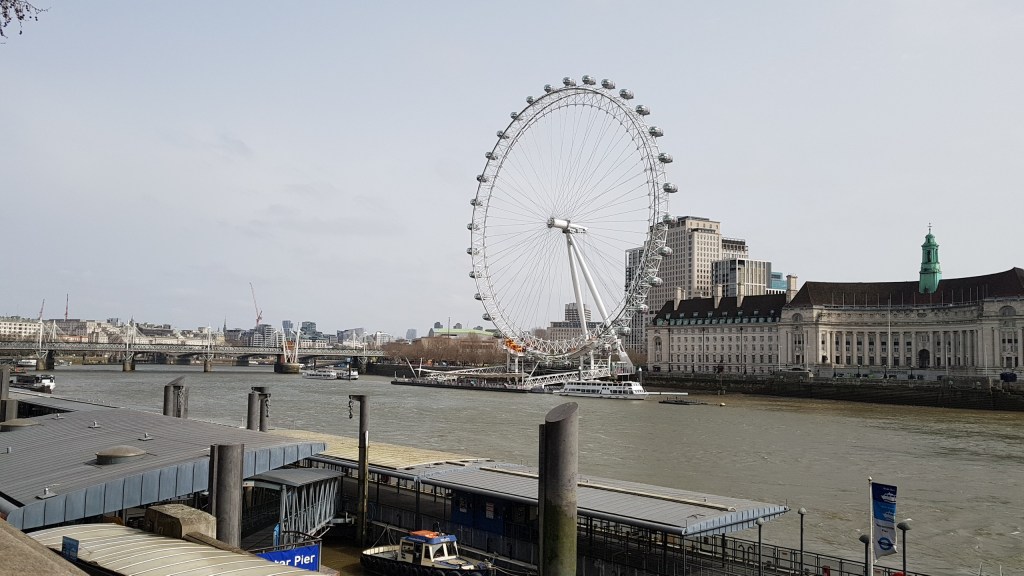
It was in Christchurch Gardens where I stopped to have a hot drink (it was quite cold that day) and then I walked on to Parliament Square before heading towards Embankment. A brief walk along the Thames took me to Hungerford Bridge where I crossed the river and walked back to the train station.
Over the years, I’ve taken hundreds of photos in London and been to many places. Today I’d like to share with you just a few photos randomly picked out of my photo folders. I hope you enjoy them.
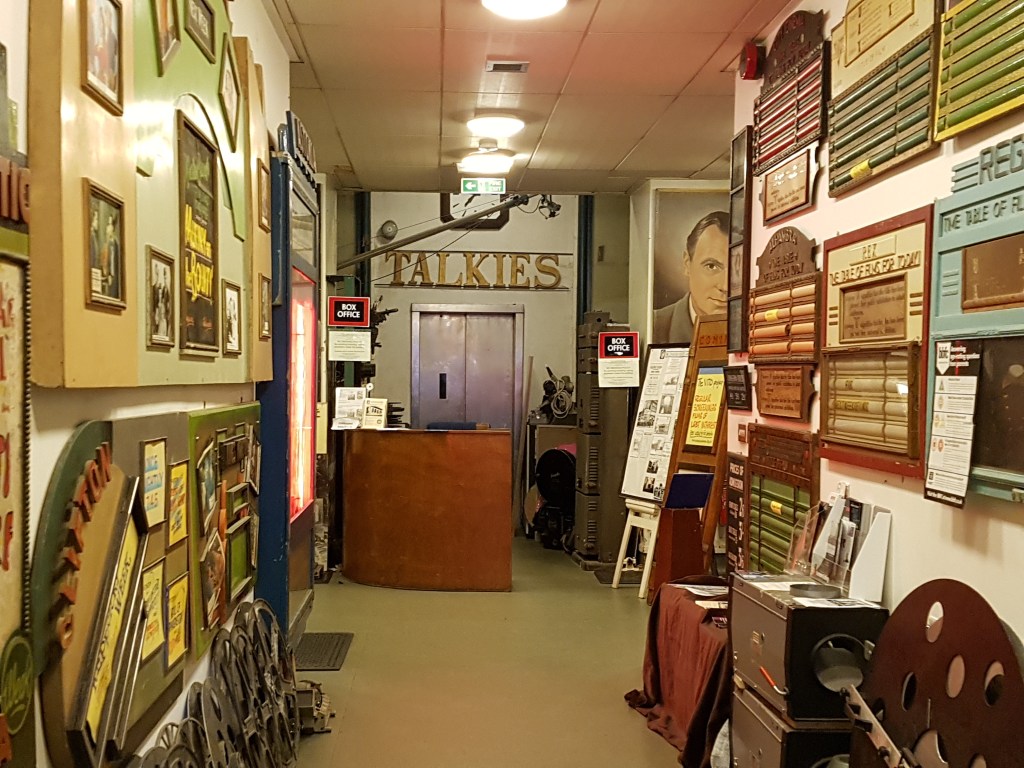
Cinema Museum, Kennington.
The Cinema Museum is a private collection of memorabilia. It is housed in the former workhouse where Charlie Chaplin lived as a child. They offer talks and show films. There is a small shop and refreshments are offered.
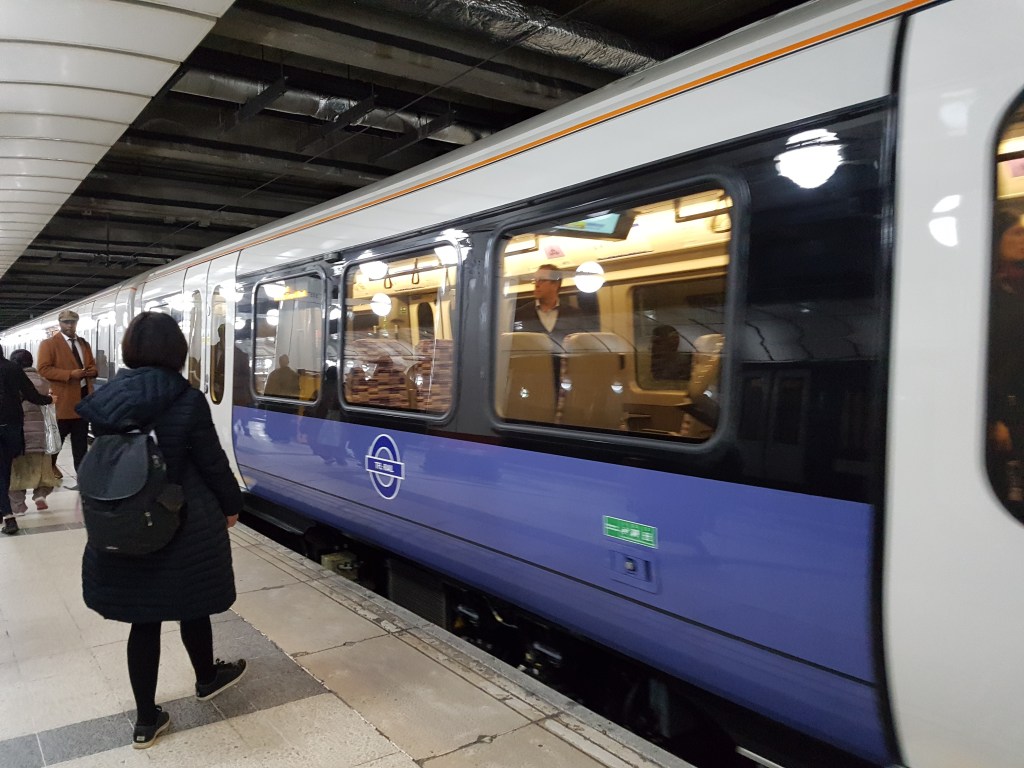
Elizabeth Line train, Liverpool Street
One day my husband and I took the train from Liverpool Street station out to Harold Wood. This is as far as we could go using our 60+ Oyster card (this card gives us free travel on buses, trains and tubes in the London area – a perk of being over 60 years olds!) The Elizabeth Line is the new kid on the block. Formerly called CrossRail, when completed (it is years overdue and way over budget), the line will run from Reading in Berkshire through London to Shenfield in Essex, with branches to Abbey Wood and London Heathrow Airport.
This was our first experience of travelling in one of the new trains and it was quite exciting. I’d become obsessed with the line after watching several documentaries about the tunnelling, and what was found in the various soil layers (I’ve attended several exhibitions too!), and took a course on it! Bits of the line are now open, but I am still waiting for the whole line to be completed.
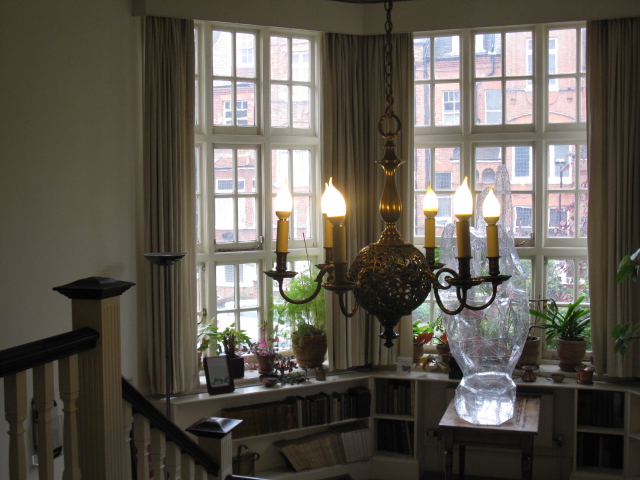
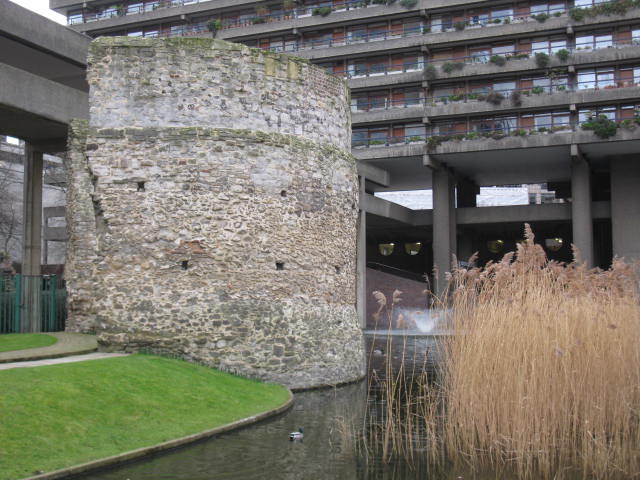
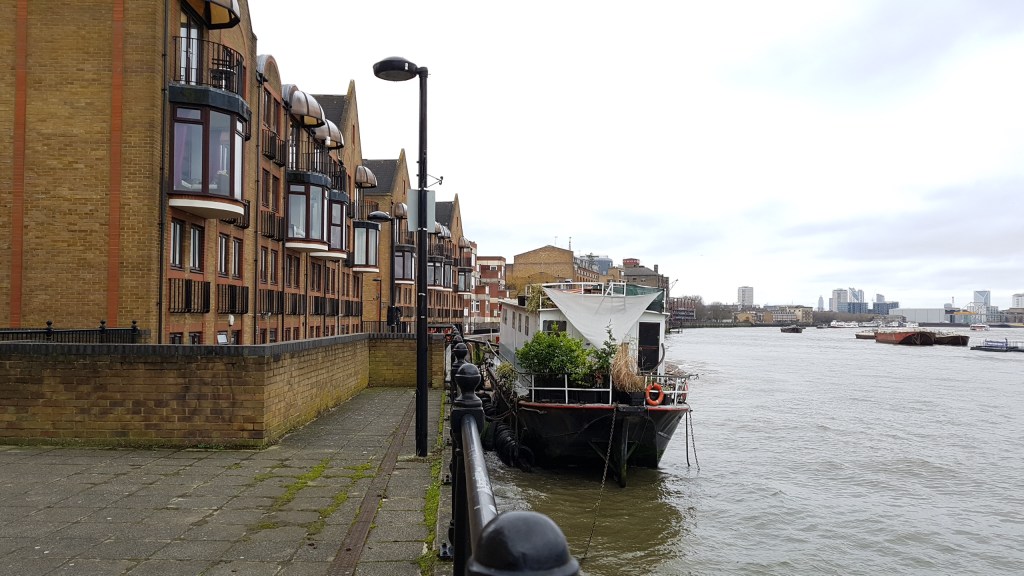
Harold Wood – part of the London Loop walksThe staircase, Sigmund Freud’s house, HampsteadPart of the old Roman Wall, BarbicanOsterley Park and house in Isleworth dates back to the 1570’s and is owned by The National TrustRotherhithe
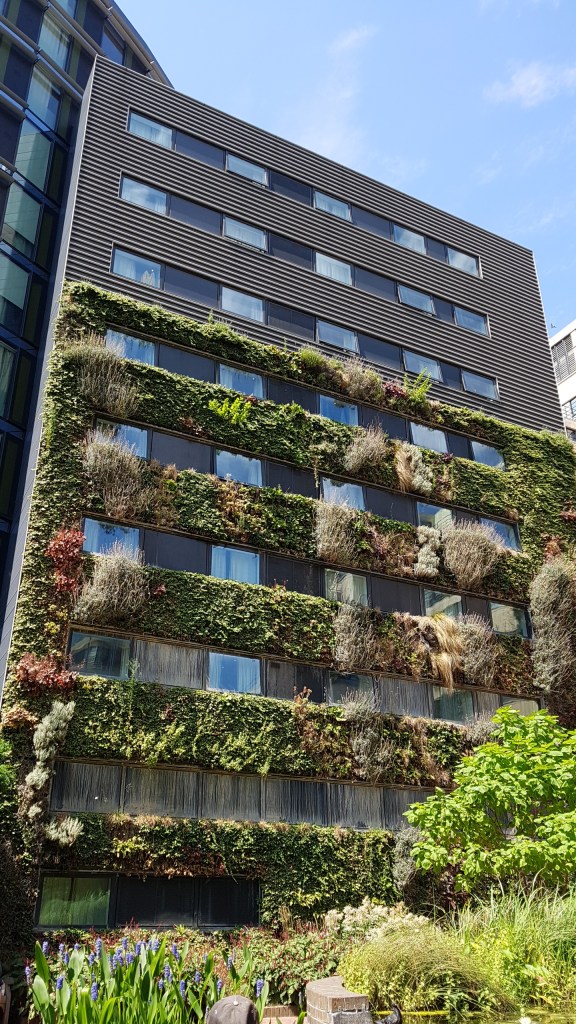
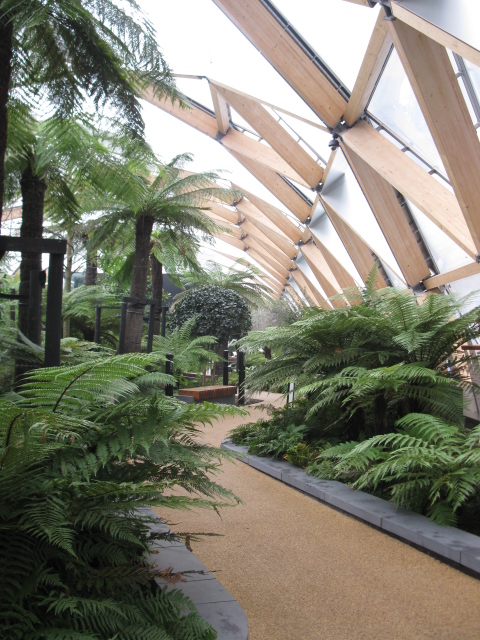
Living Wall and Pocket Garden near Tower Hill station
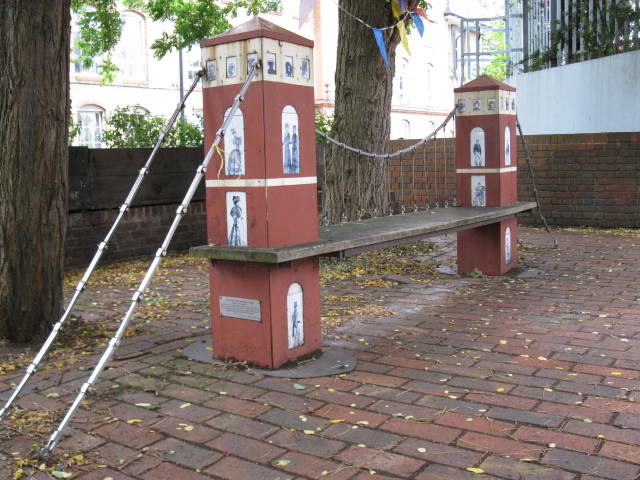
Some unusual seating at the Brunel Museum, Rotherhithe
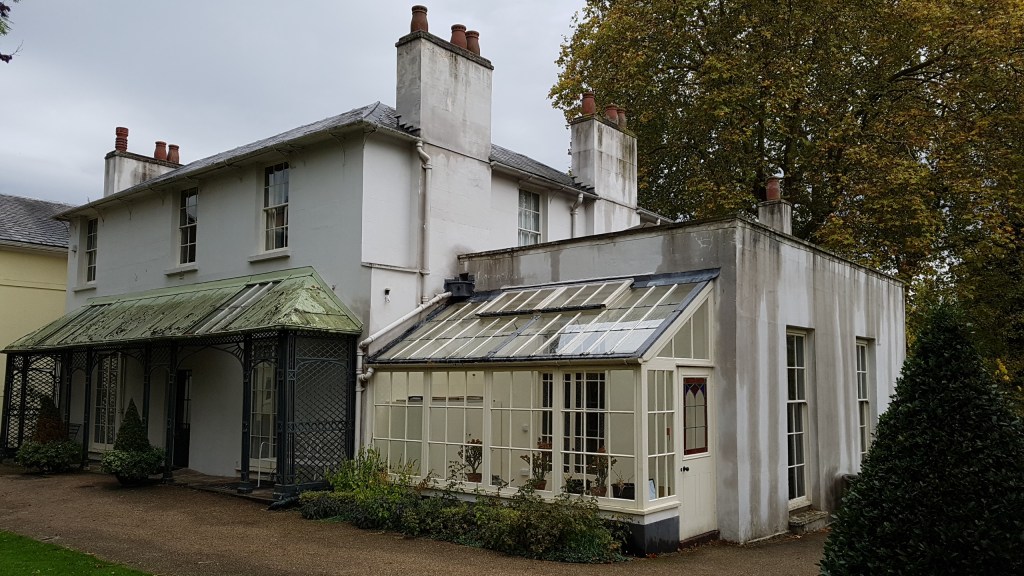
The poet John Keats came to live at this house in 1818. The house was originally two dwellings and Keats lived in the smaller half with Charles Brown. Keats stayed for seventeen months before travelling to Italy where he died.
When I have Fears That I May Cease to Be
When I have fears that I may cease to be Before my pen has gleaned my teeming brain, Before high-pilèd books, in charactery, Hold like rich garners the full ripened grain; When I behold, upon the night’s starred face, Huge cloudy symbols of a high romance, And think that I may never live to trace Their shadows with the magic hand of chance; And when I feel, fair creature of an hour, That I shall never look upon thee more, Never have relish in the faery power Of unreflecting love—then on the shore Of the wide world I stand alone, and think Till love and fame to nothingness do sink.






 My London+