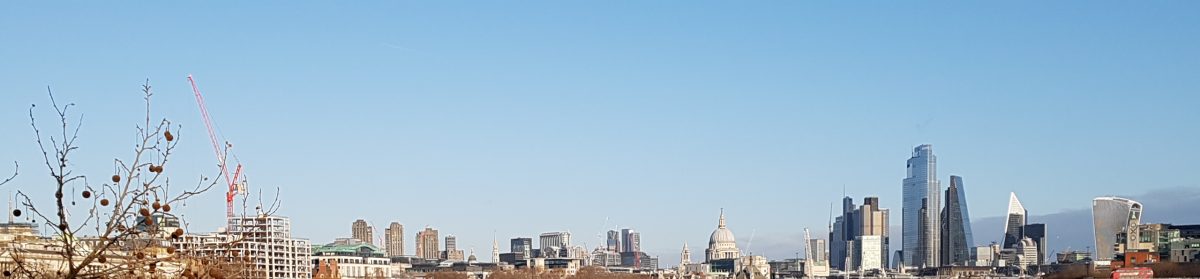
East London: Bow Creek, Trinity Buoy Wharf, East India Dock Basin, Virginia Quay, Royal Victoria Dock

Bow Creek Ecology Park, Bow Creek

What a full day I had in East London recently. Bow Creek Ecology Park had been on my list for a while, and then I read about the area in a wonderful book entitled London Clay by Tom Chivers (just one of many London books in my every growing collection!).

Bow Creek is an offshoot of The Lea river, and it runs into the River Thames. The nearest tube station is Canning Town on the Jubilee Line (the DLR also runs here). It was hard to know where to start on arriving, but decided the park would be the best place. In fact, one of the DLR lines runs right through the middle of it. The park is small and oblong in shape, and there is the option of a ‘Lee Valley’ walk, via a path taking you under a bridge. All around me were tall buildings and cranes. Like the rest of London, it seems to be a continuous building site as more apartments are built.

Bridges are everywhere! Bow Creek Ecology Park
View from Bow Creek Ecology Park
Some information
Across the water

Doubling back on myself, my next adventure would take me over the red bridge to City Island. Now this really did look like apartment city! Building work is still going strong, but there is a path along the river that leads to Trinity Buoy Wharf, another place I wished to visit.

The bridge that leads to City Island (right)
Map of City Island

I have to admit it does feel like an island, but what I liked was how quiet it was considering it was the Easter school holidays. Maybe they were all off exploring the usual tourist places in London. In fact, later I discovered one of those popular places, and walked away!

Again, there are roads running through here
At last, my destination

Just to the left in the above photo, I entered the wharf. This is container world! This once derelict area is now a place for arts, crafts and industries, workspaces and event space. And, of course, it is the home of the Trinity Buoy Lighthouse. Built in 1864, it now houses the installation of ‘Longplayer’, a record which has been playing for twenty-two years. You can listen to it either on visiting (open weekends) or online here.

The lighthouse
Longplayer information
Container world! Home to art and industry

Michael Faraday worked here as Trinity House Scientific Adviser, and there is a school here named after him.

Faraday School

At the Gate House you can pick up a plan of the area, showing all the buildings and information on what they do. There are two places to eat, though Fat Boy’s Diner seems to be up for rent. There are tug boats, part of the maritime heritage, and art works, a story box and the Faraday Effect, one of London’s smallest museums documenting the life and times of Faraday.

One of the smallest museums
Inside the museum

Knocker White built in 1924
Lighthsip LV95 built in 1939. First ship to be converted to solar power in the 1990’s, it is now a floating recording studio.
Information about the wharf
Over the river is the O2 building
To the left is the Emirates Cable Car
Just one of many art works at the wharf
My lunch stop, The Orchard

Returning the way I’d come, but before crossing the bridge again, I found a path leading to East India Dock Basin, still with some buildings reflecting its past.

East India Dock Basin
No ship building anymore.
A lovely walk around the basin

Just around the corner is Virgina Quay, where a ship sailed off to America. Part of the old memorial has been saved in this now new housing area built by Barratt Homes.

Finally, I headed off on the DLR to Royal Victoria Docks. I took the wrong exit (as you do, or I do!), but came across this lovely wall running along the roadside. Here is what people say about living in London, what they did in the past, all sorts of comments.

Sometimes there is a good payoff for taking the wrong exit!
Nice to see notices up about the Elizabeth Line. Can’t wait to travel on it!
Found myself walking through Excel London!

In among the new is a reminder of the old
I just love these views

How the other half live!
Across the water
This made me giggle.
This is where everyone was! I thought I might cross over on the cable car, but look at the queue!
The new City Hall

I have actually been over on the cable car at least twice before. Great views.

And here I ended my day. It was lovely exploring somewhere new, though I’ve been to the Royal Docks a few times. I would happily return to Bow Creek and Trinity Buoy Wharf. That was a wonderful place, and easy to get to. I hope you enjoyed my journey too.
Searching for the source of Beverley Brook

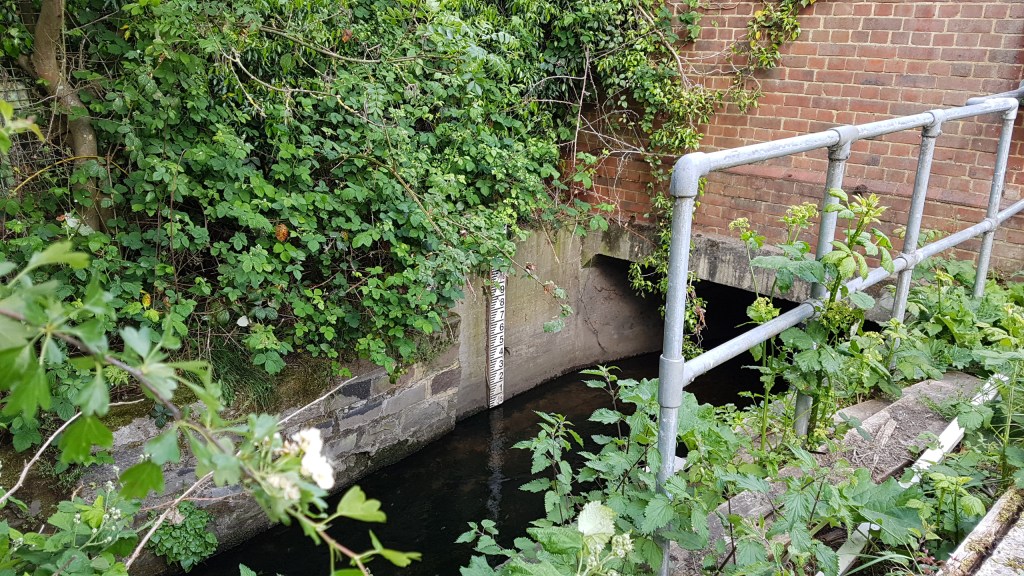
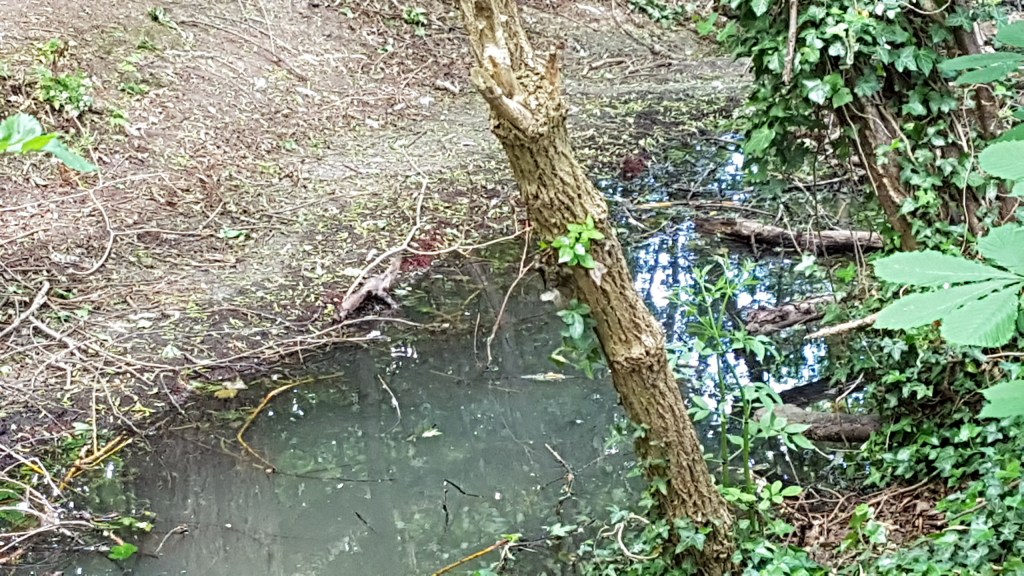
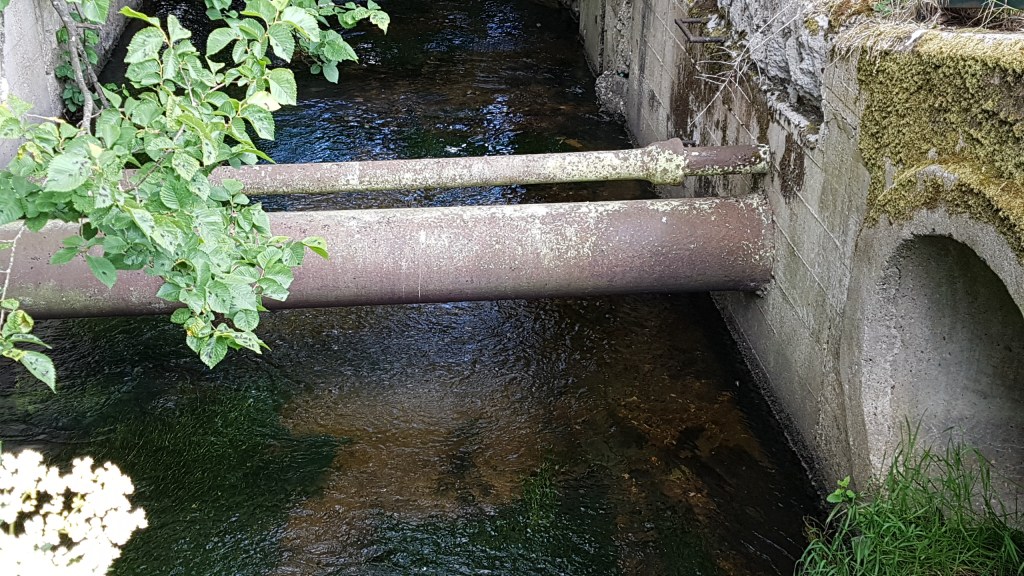
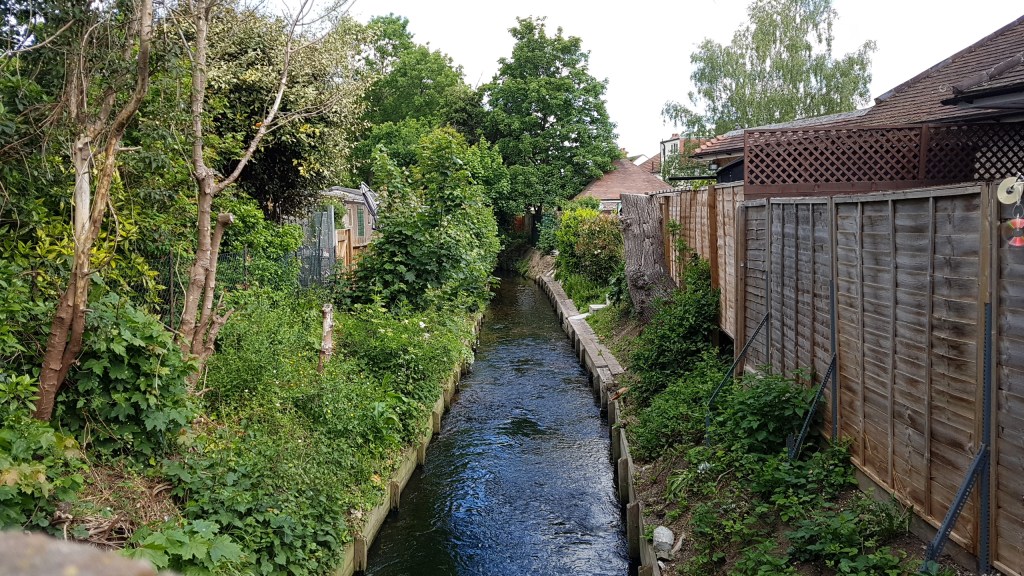
First glimpse of Beverley Brook

Last week I went on a local walk, bearing in mind that I would have to allow myself enough energy to walk back., us still being in Lockdown. My aim was to find the source of Beverley Brook. Two or three years ago I walked this brook in the other direction (it took two walks) from New Malden where you can see the book adjacent to Dreams and Currys on Burlington Road (the entrance to the car park, left, hidden behind a corrugated fence) and then it runs under the road, along the backs of houses in Beverley Road. It passes behind an industrial estate before crossing the A3 where it skirts Wimbledon Common before running through the edge of Richmond Park, across Barnes Common (where there is a nice old graveyard) and finally out into the River Thames at Putney. A leaflet for this walk can be found at https://www.merton.gov.uk/assets/Documents/beverly-brook-walk.pdf

The walk in the other direction is not so well documented. Articles quote Cuddington Park in Worcester Park as being the source, but I have not found a map of the walk, save Paul Talling’s website where he lists some places where Beverley Brook can be seen, and he offers some photos. So, armed with a photo of the relevant parts from an A-Z map (primitive, but that’s me), I set off.

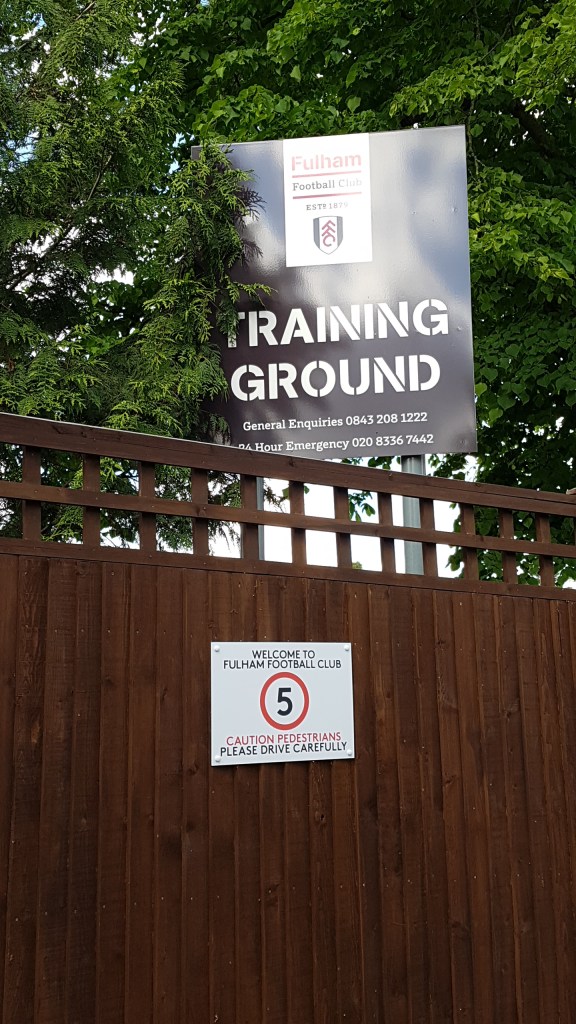
This lesser-known river was called Beferithi in 693, getting its name from where Beavers lived (they live there no more). My first sighting of the brook was over a small bridge where two roads meet – Motspur Park and West Barnes Lane. Here I followed it found as it passes along Fulham Football FC Training Ground. I followed it into a no-through road where we had to part company as it ran behind houses. There was a lot of road walking then before I eventually came out on Malden Road and cut the big sweeping corner off by stepping through the edge of Malden Manor Park before joining the main road until I reached Worcester Park Station. Here Paul Talling said Beverley Brook came out. I found it (with some excitement) just around the corner in Green Lane. There was far more to be seen than I thought there might be.

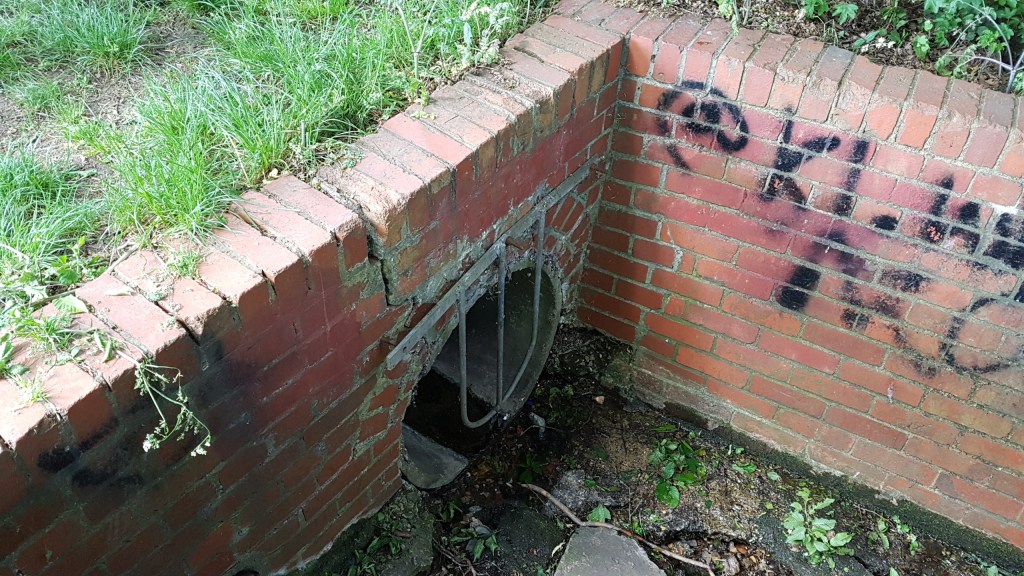
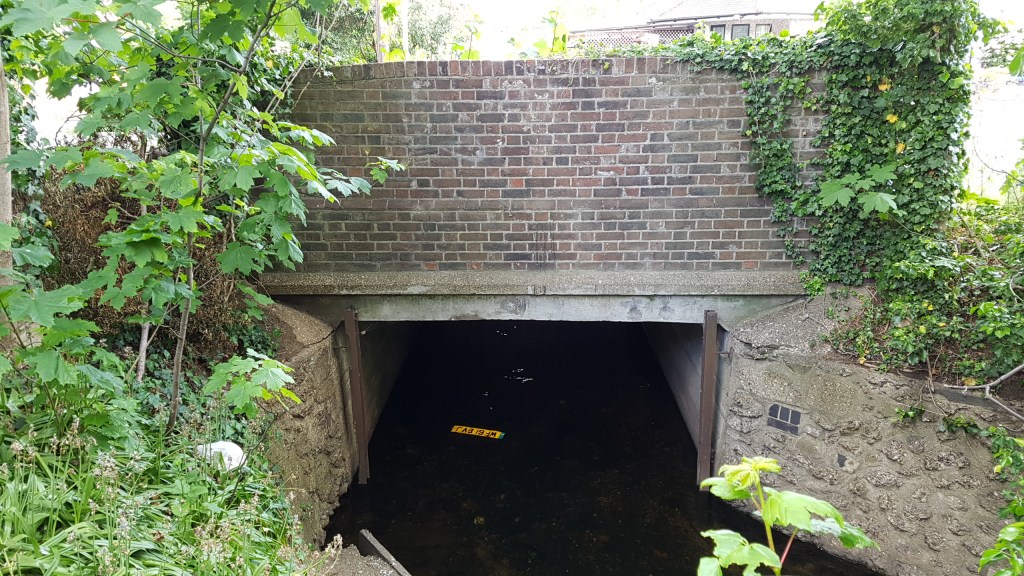
I turned back and crossed Central Road and headed up Lynwood Drive and into Sandringham Road where I found Cuddington Park. It’s a lovely park, but I had to walk the whole length of it to find the source, a rather disappointing sludge coming from a pipe. Yet I was excited. I then managed to follow the brook down back through the park using a small footpath behind the trees until it ran underground again.

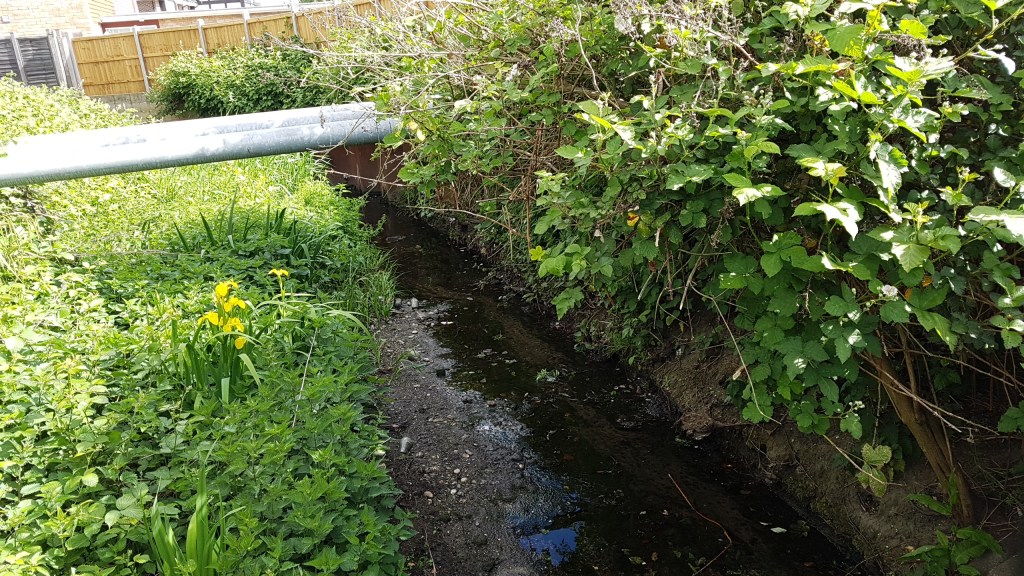
I retraced my footsteps back to Central Road but this time I decided to walk back via Green Lane to see how much there was of Beverley Brook that way. It turned out to be quite a lot as it ran along the side of the road until its end. There were some giveaways too by the names of roads – Beverley and Brookside. By the local primary school, Beverley Brook disappeared down the side, and here I got lost! I tried going one way, which was in the right direction of the brook, but the road seemed to be going in a circle. I had to double back to where I last saw the river and headed in another direction. I had no idea where I was going, but I seemed to be entering a field. There were a few people about so I asked someone where it led. The lady told me to Sir Joseph’s Hood Park. That was just what I wanted!

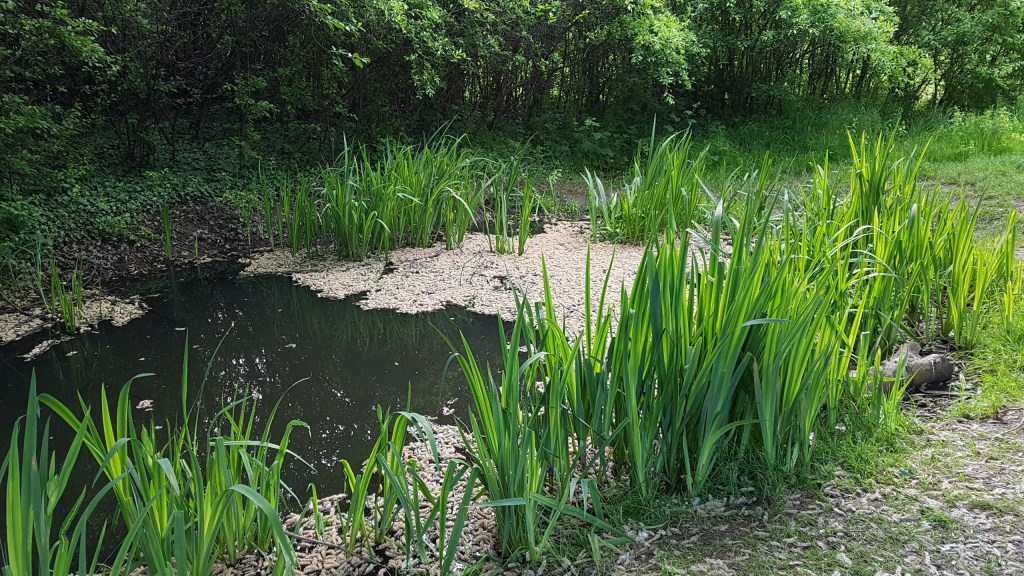
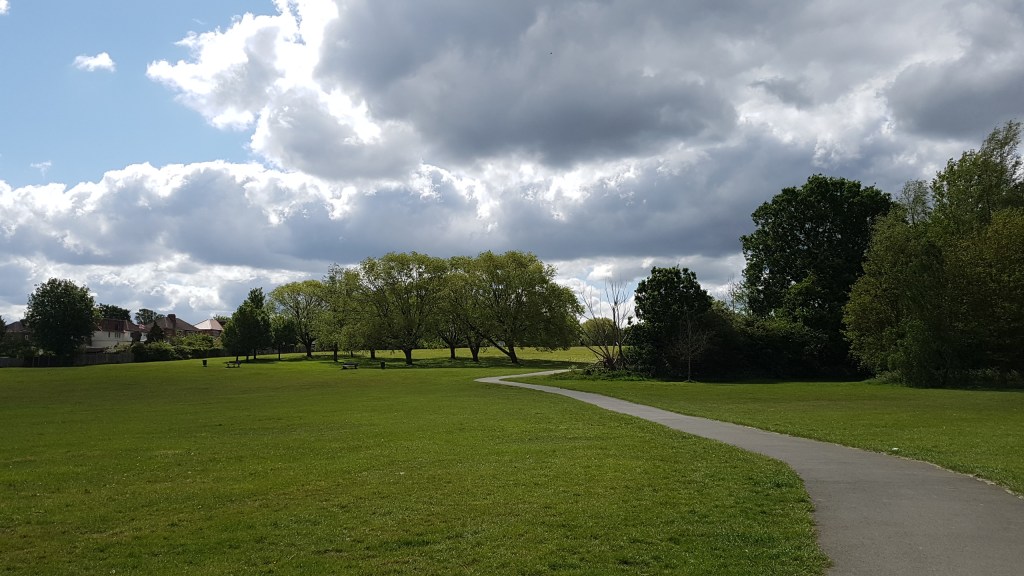
Cuddington Park

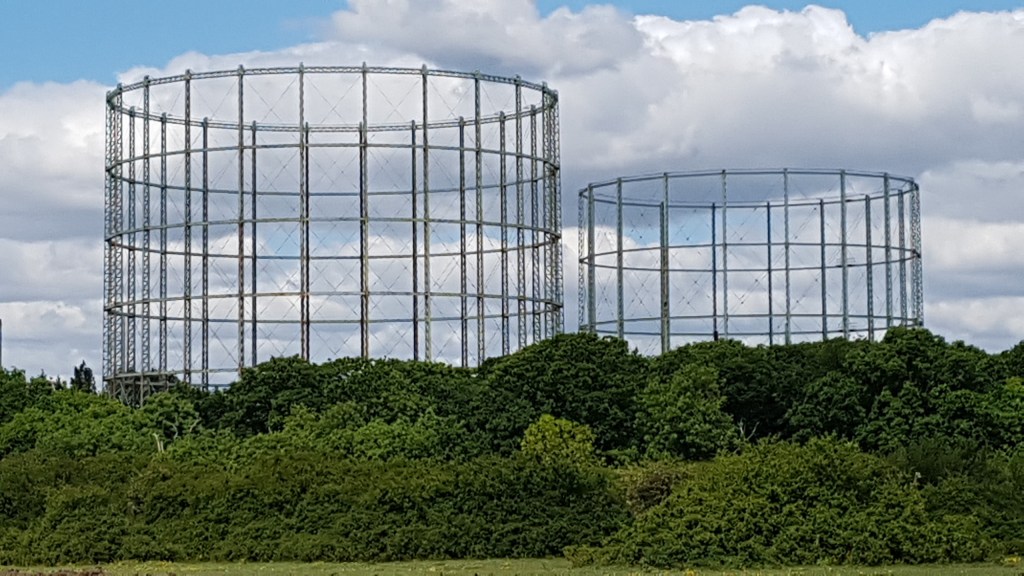
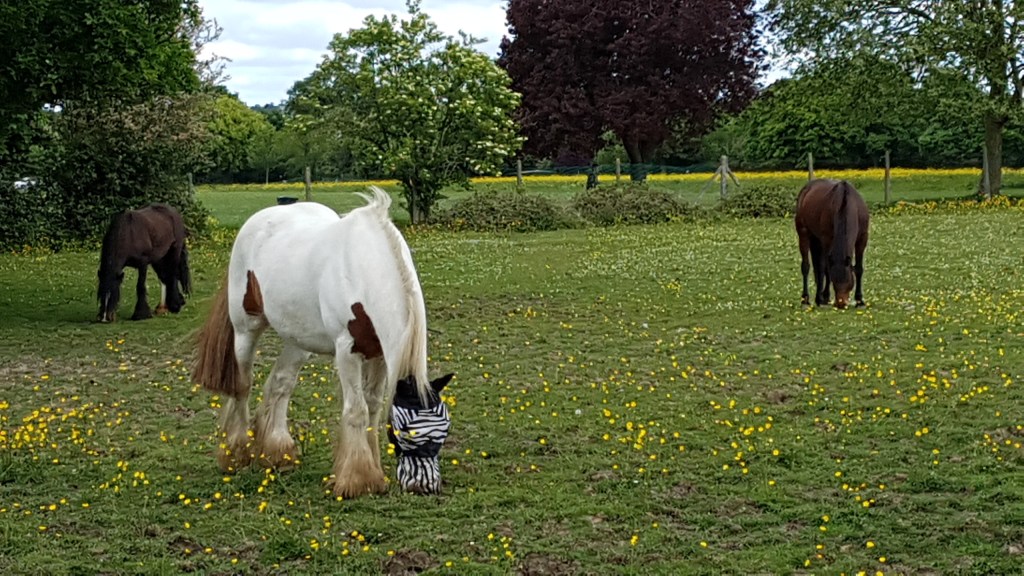
Walking through the field with horses on both sides, the wide open space was lovely. The fields were full of wild flowers and the imposing gas works (so majestic) were on my left. There was to be no more sightings of Beverley Brook which ran along by the gas works (where I couldn’t walk). The map shows the brook running alongside of the park, but though I entered a path that took me into trees I was unable to find it. Nevertheless, I was happy to have found so much evidence of the brook and finally to complete the whole accessible route from source to Thames.

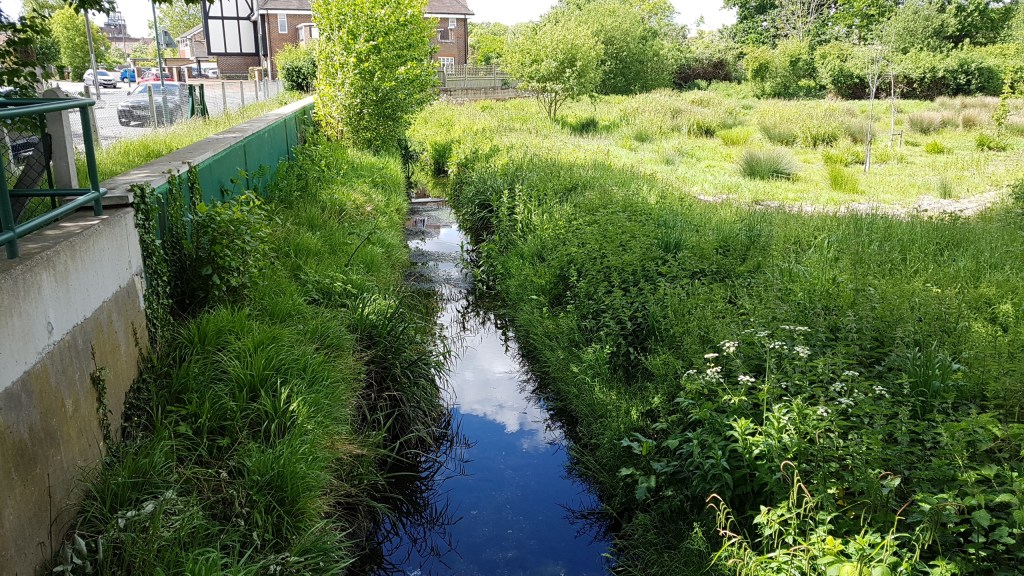
Green Lane
My last sight of Beverley Brook by the Primary School


Note: Paul Talling’s book London’s Lost Rivers, is an excellent source of information with maps and photos of the many rivers running through London. Sadly, some can only be heard through drains these days as they have been built over, but some, like Beverely Brook, rise up in certain places, and evidence can still be found in road names and other signs. Paul’s website is https://www.londonslostrivers.com/ He runs walking tours of lost rivers and has a Facebook page. The information on his website was most helpful in guiding me to the right places on this walk.

Design a site like this with WordPress.com
Get started