Africa Fashion at the V&A

I had an unexpected trip to London on the 10th December. A friend asked if I’d like to go to the Africa Fashion exhibition at the V&A with her, as the friend who originally was going with her was unwell.

The exhibition was colourful and interesting and spanned the mid-20th century to the present day through textiles, music, photography and video.

Kente cloth comes from Ghana

I found that prints could be political, but also tribal, as well as influenced by colonialism. There were prints here with Dutch influence. I am a member of a Christian organisation known as The Mother’s Union, founded in Winchester back in the 1876, but the organisation now has global outreach and members. The members in Africa soon began designing a ‘uniform’. Just have a look at this blog page and the photos to see what I mean. In the UK we don’t have this. The nearest we get is a scarf or t-shirt from the merchandising shop in London, or if a representative goes on a visit to Africa, they might be presented with a dress to bring home. At talks, a member will bring one along if she has one. Of course, the African congregations living in London really know how to dress up! I love the colourfulness of them. It means so much to them to wear these dresses.

That is a little aside, but the textiles on show, reminded me of this and the pride Africans have in their designs and wearing them.

The images I have chosen to show here are mainly my personal favourites. The one above has a lovely line to it, and I love the colours.

Designed for the LGTBQI+ community

I hope you enjoyed your whistle-stop tour of African textiles with me. As we were leaving the V&A there was this rather lovely exhibit (see below), The Christmas Tree by Korean, Miss Sohee. Read about it here.

Nest Monday will be Boxing Day, so I won’t be posting then. Instead, I shall try and post something festive on Christmas Eve. Whatever you are doing this Christmas, have a lovely time.
From the Archives – Carshalton

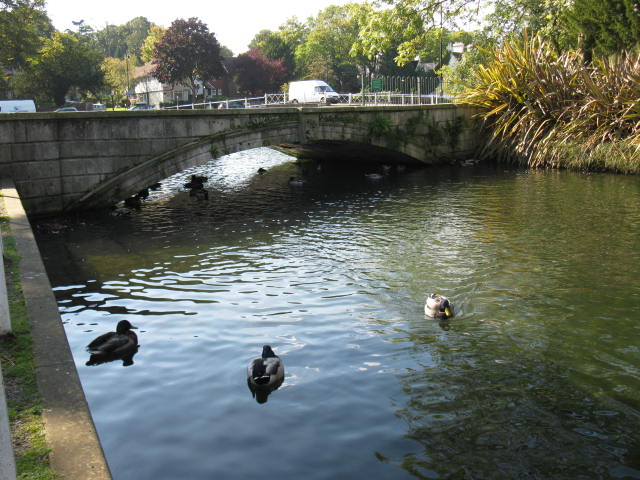
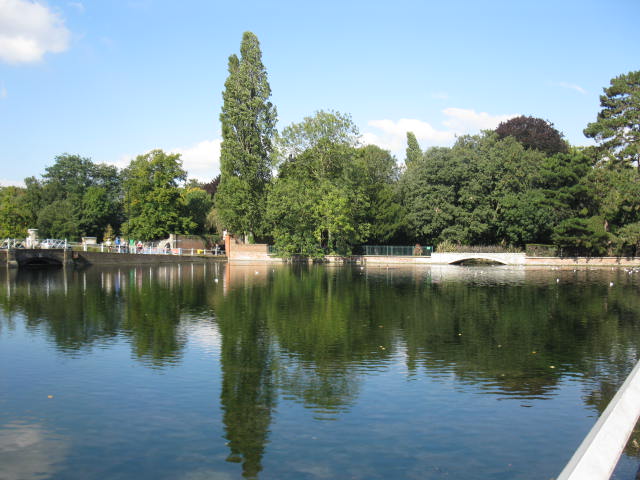
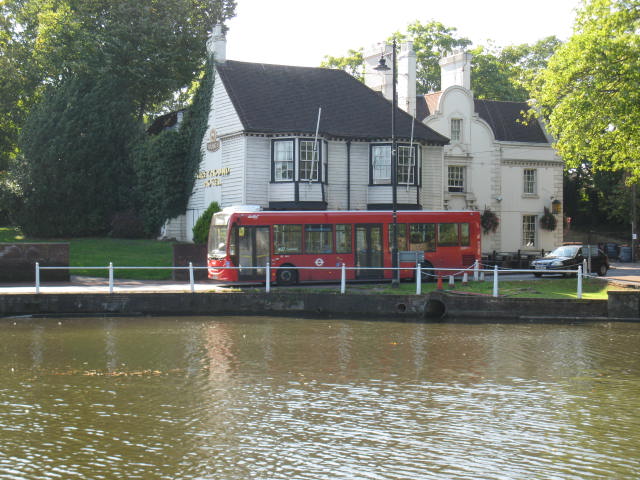
Carshalton Ponds

I’d been through Carshalton on the bus a few times. It always looked inviting, so in 2015 this was the stopping point. Since then I have returned a few times, including a year ago when I walked part of the Wandle River Trail, which incorporates this.

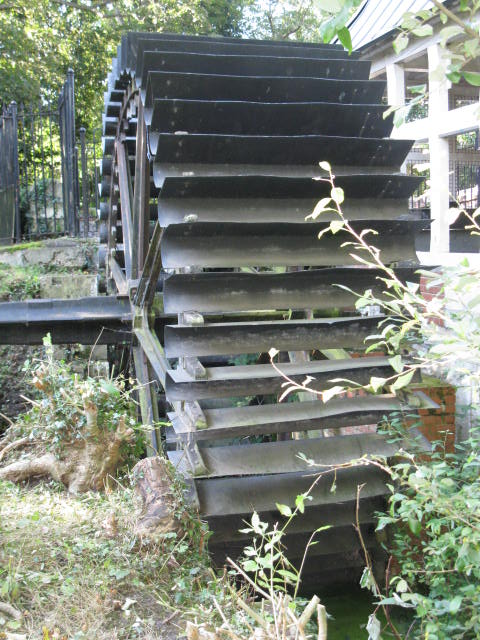
The Honeywood Museum

This is a beautiful spot. There are always ducks, swans and other birds on the ponds. There is also a church opposite which is worth a look, and the town, though small, offers coffee shops – a nice pit stop before or after a walk. Carshalton also boats The Honeywood Museum overlooking the ponds. It’s history goes back to the 1600’s and the house was probably built for the Earl of Arundel. You can read the history of the place here.

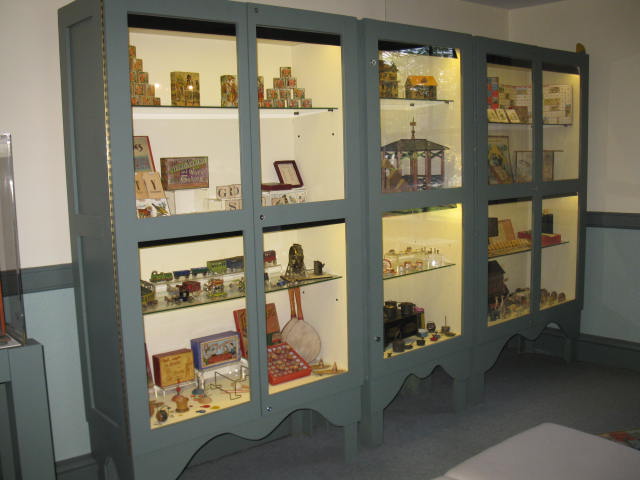
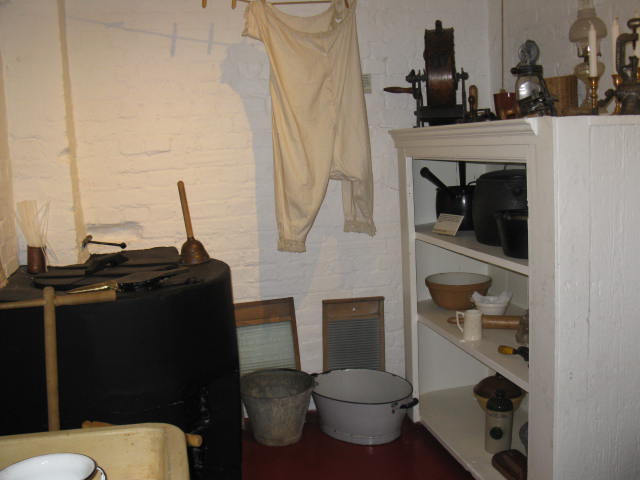
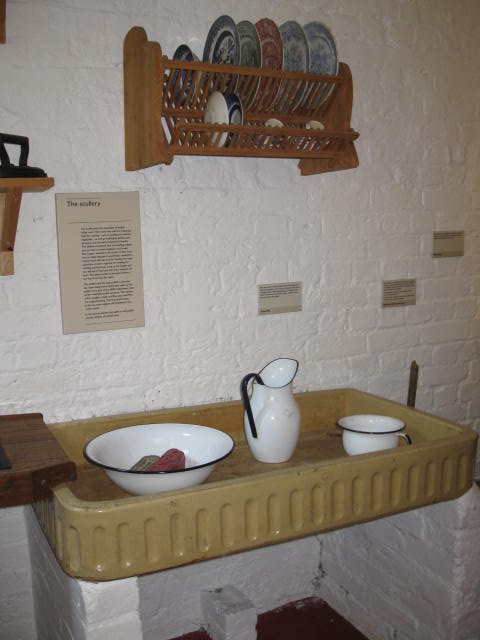
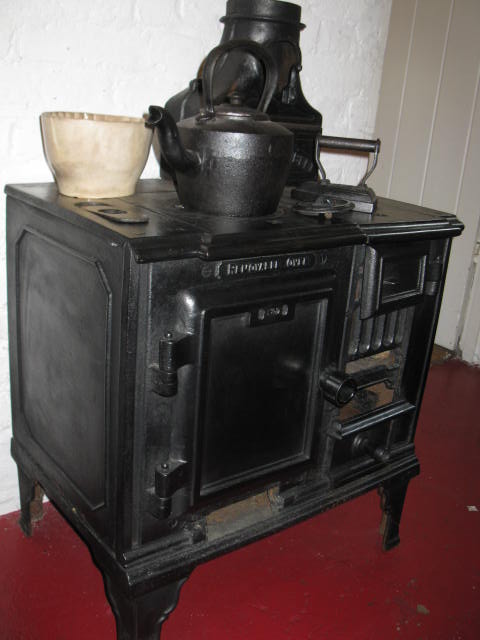
The museum regularly holds exhibitions. The rooms are interesting and there is a great little cafe. Though the cafe is currently closed due to Covid restrictions, I believe they are doing a takeaway service.

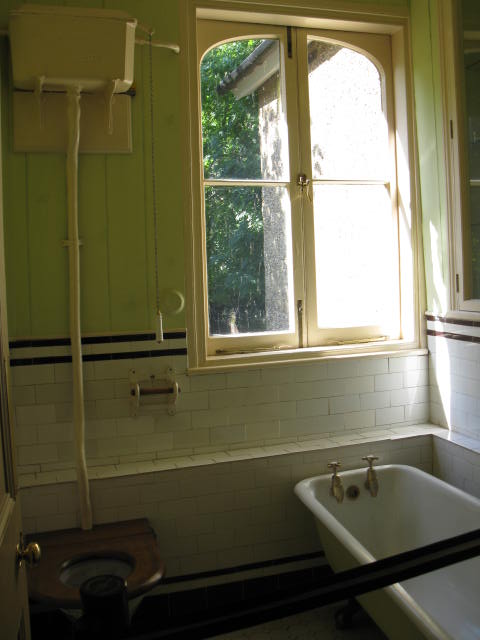
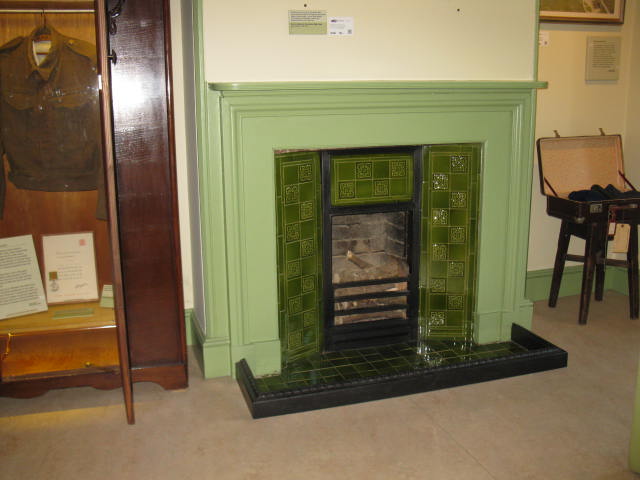
Bath anyone?
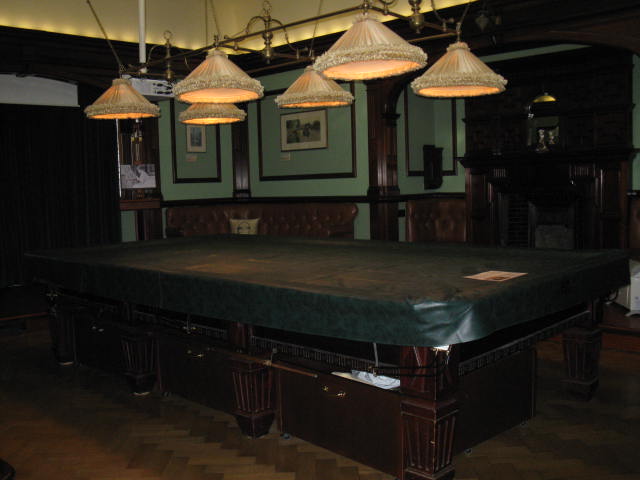
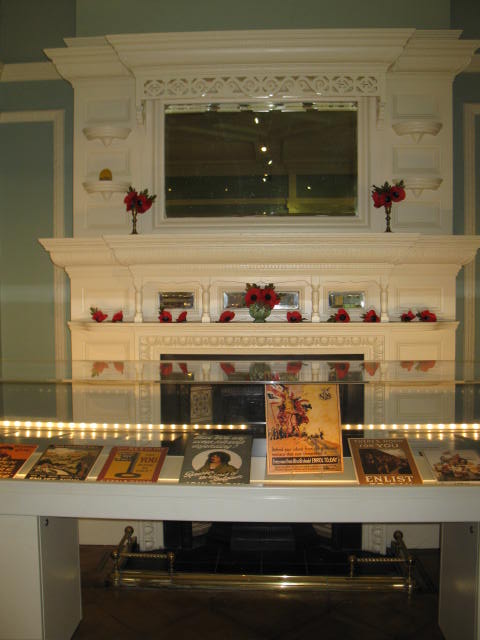
The billiard Room
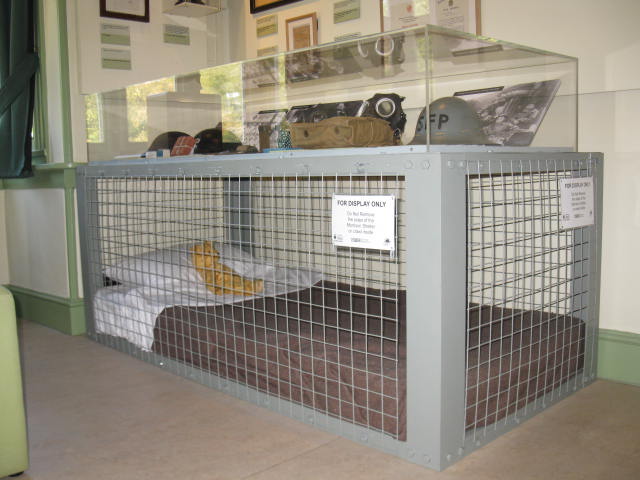
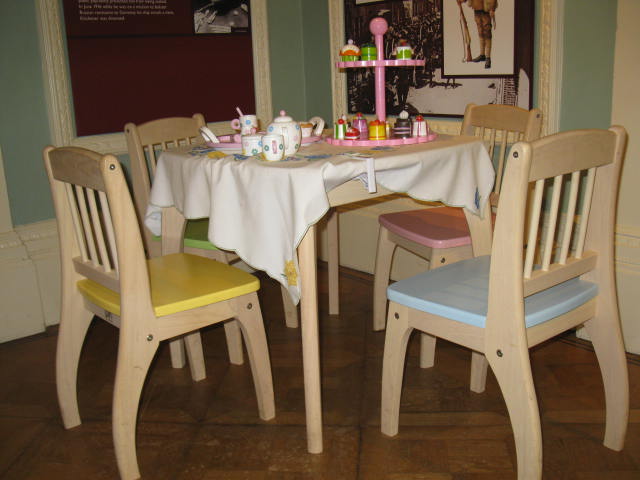
Used in the war to keep children safe while sleeping!
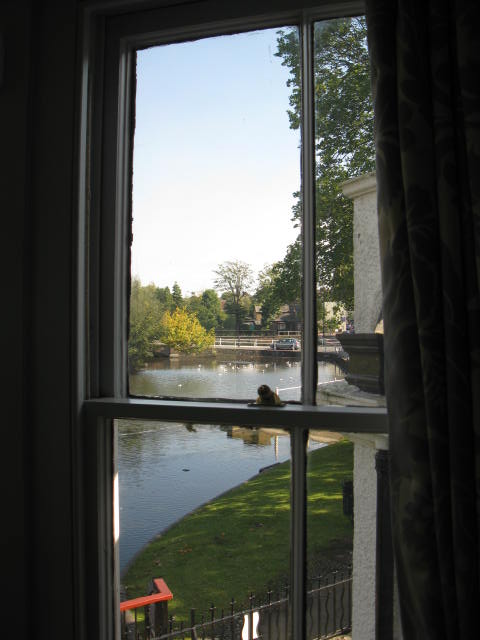
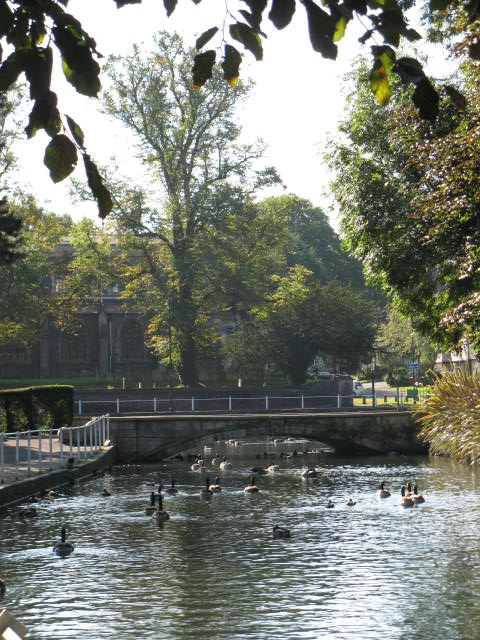
Lovely view across the ponds

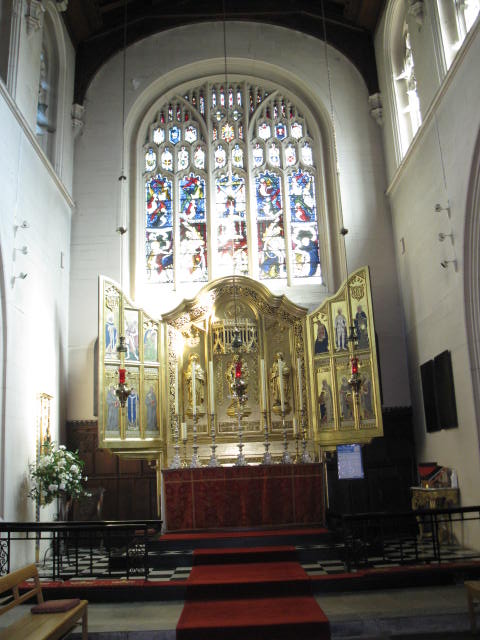
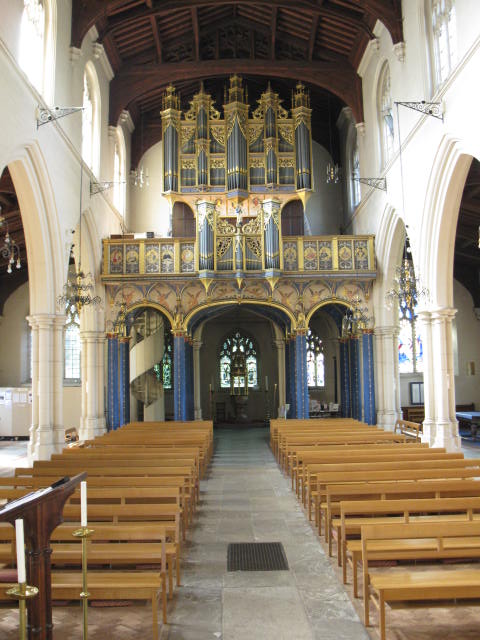
Across the road from the ponds is All Saints Church. This is impressive inside, and a church has stood here since the Norman conquest!

All Saints Church, Carshalton

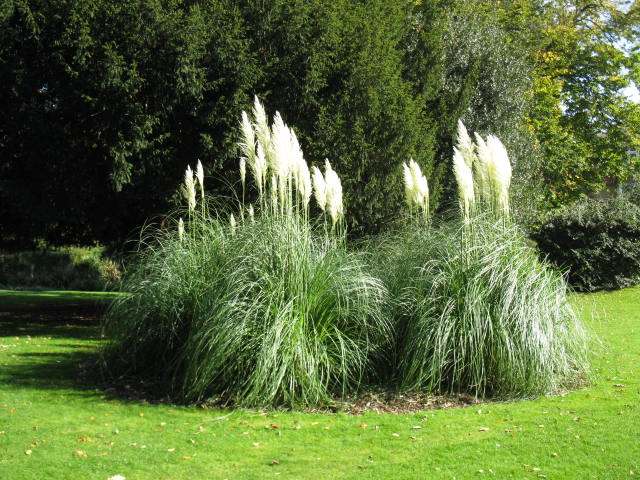
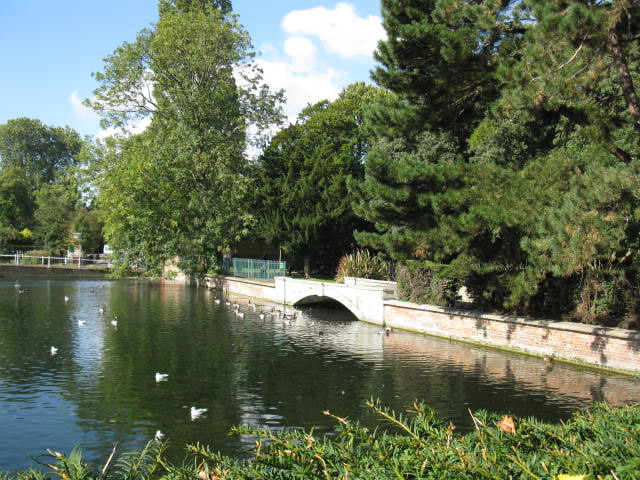
To finish with, here are a few general shots in and around the ponds.

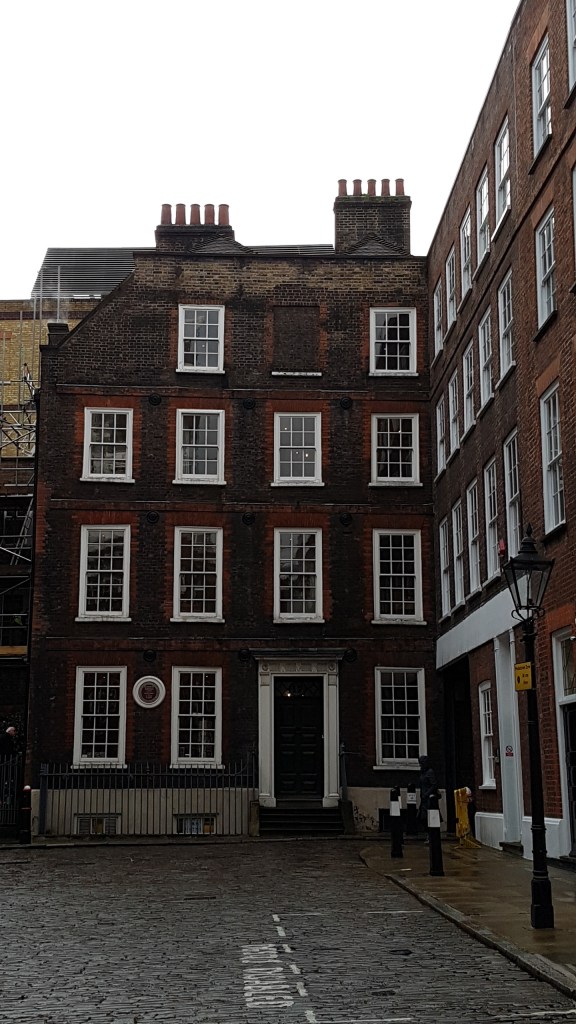
Dr Johnson’s House and St Vedast Church

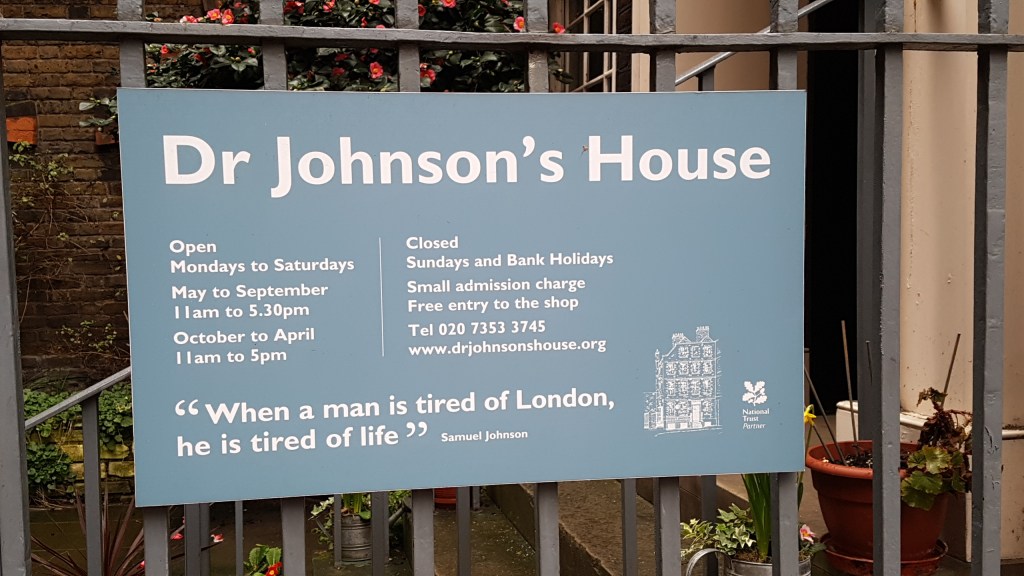
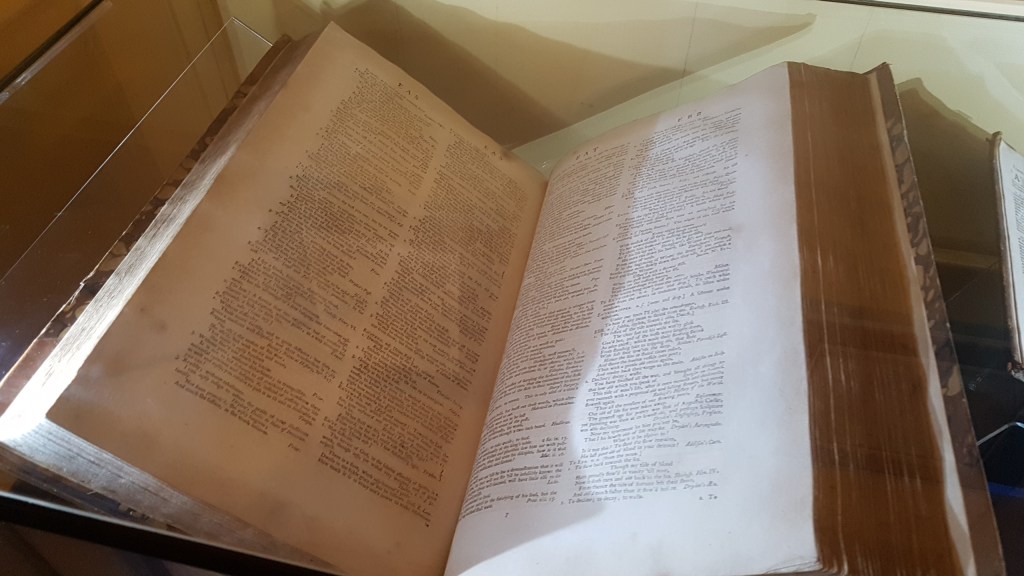
Hidden in the back alleys off Fleet Street and Fetter Lane is the house of Dr Samuel Johnson whose most important work is his dictionary commissioned by a syndicate of booksellers in 1746. There are copies for you to peruse in one of the rooms. His most famous saying is:

When a man is tired of London, he is tired of life….

The house has a quiet disposition but one can imagine the sound of horse and carriage moving through the square. In fact we heard horses hooves and moved to the window only to observe two police horses clip clopping across the cobbles!

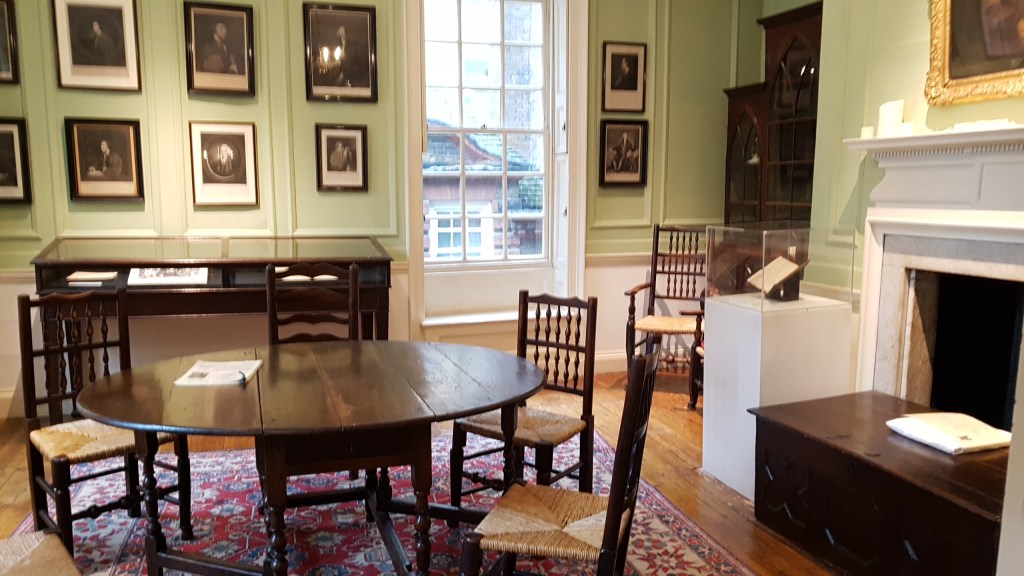
The rooms are sparsely furnished but with plenty of information and a chance to sit at a table to read the information sheets and take in the atmosphere. I never realised how much this man wrote…a man who could write a novel in a week! He was friends with David Garrick of the Garrick Theatre and there is a trunk in the withdrawing room containing some theatre costumes from the Garrick.

The Withdrawing Room (for the ladies) The chest to the right contains costumes from The Garrick Theatre

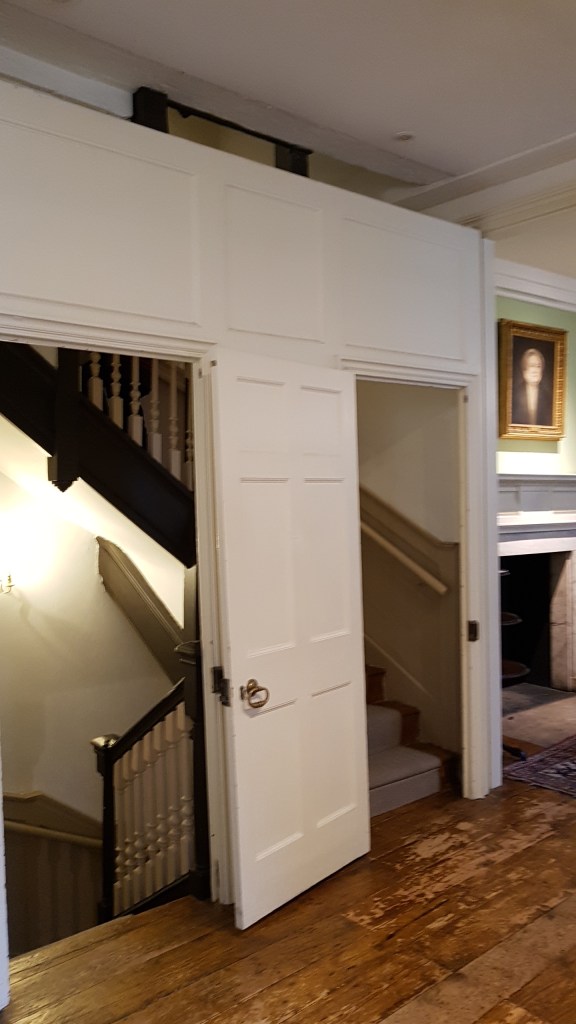
On the first floor containing the Withdrawing Room is a unique moving partition wall and doors.

Partitioning walls/doors

Samuel Johnson married a widow with children but does not appear to have had any children of his own. He was born in Lichfield in 1709. His father was a bookseller who seemed to be incompetent with money. Unable to stay at Oxford University for more than a year Johnson headed to London with his wife where he worked as a freelance journalist. Johnson was awarded an honorary Master of Arts degree before his dictionary was published. Sadly his wife died in 1752 before the book was published.

The dictionary
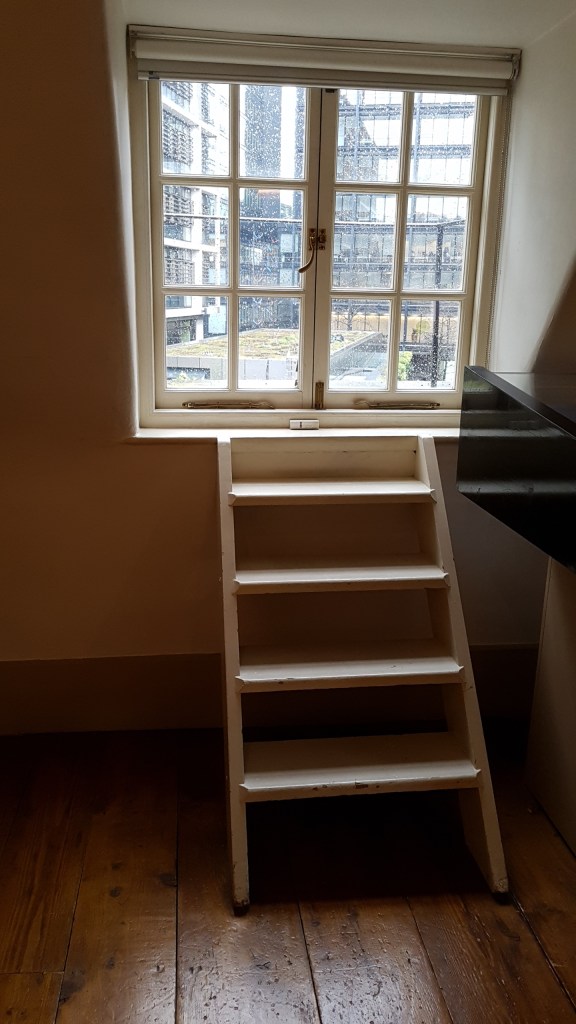
The attic floor. Outside the window is a long ledge where tomatoes were grown

Johnson wrote essays, poems and biographies as well as plays.

The house is owned by National Trust, so free to members, and £7 for everyone else (there are concessions for students). Nearest tube station is Temple.

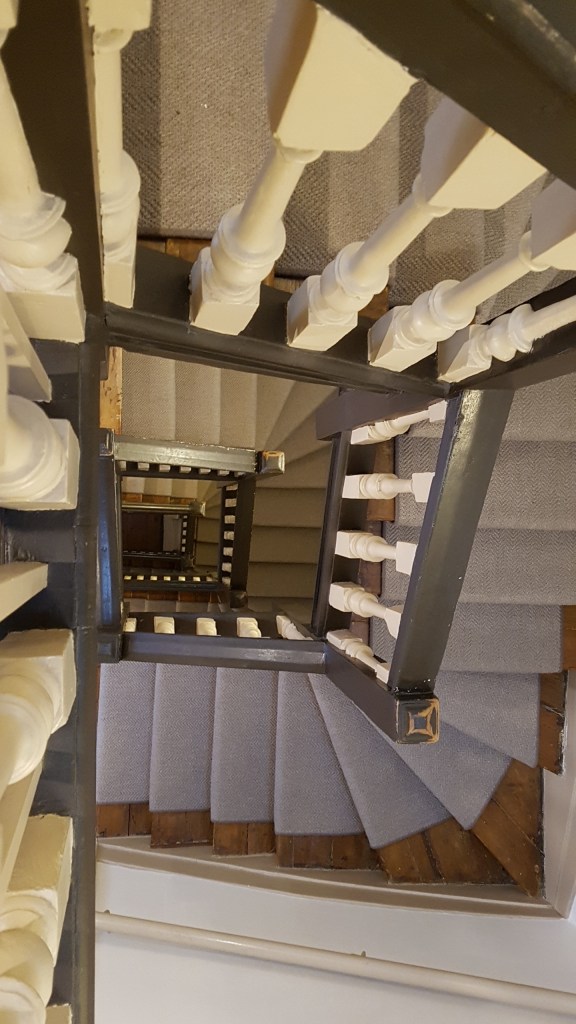
The staircase – it’s a long way down
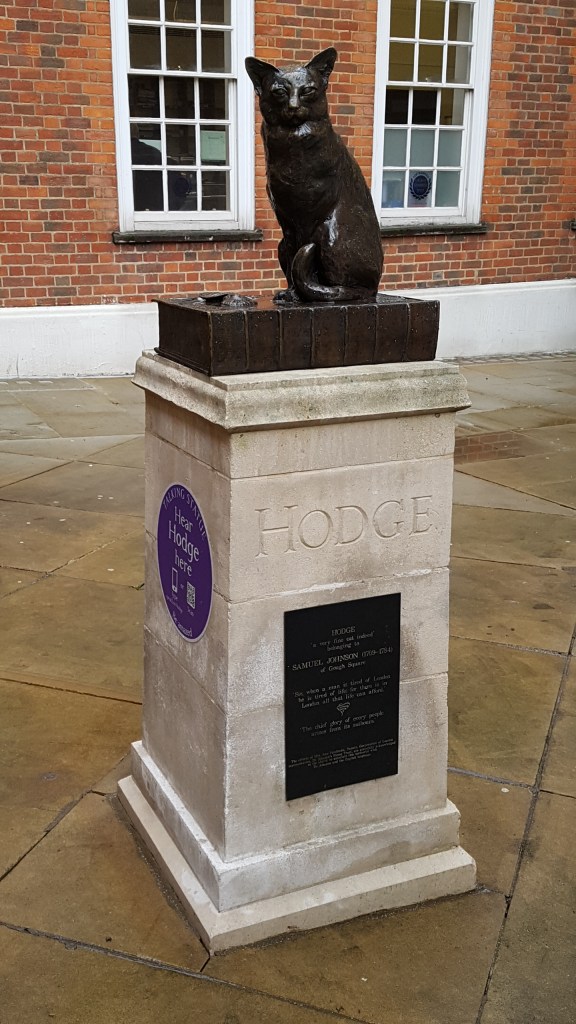
In the Square is a statute of Dr Johnson’s pet cat, Hodge

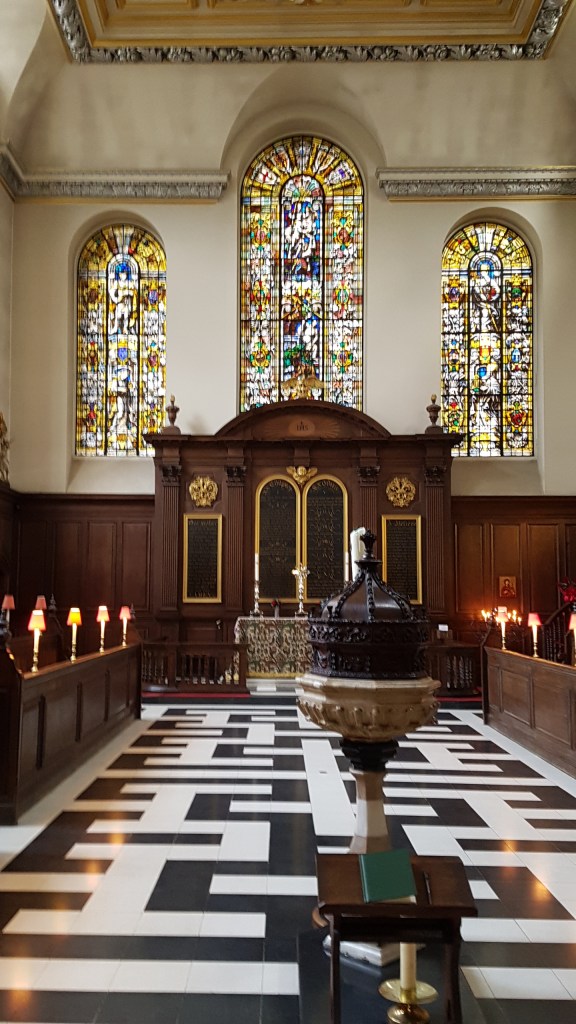
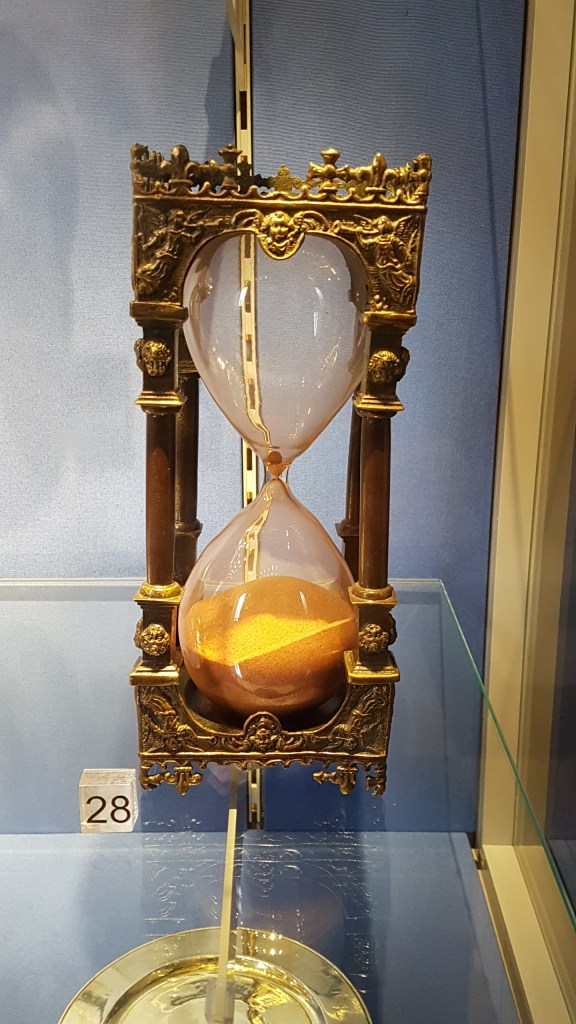
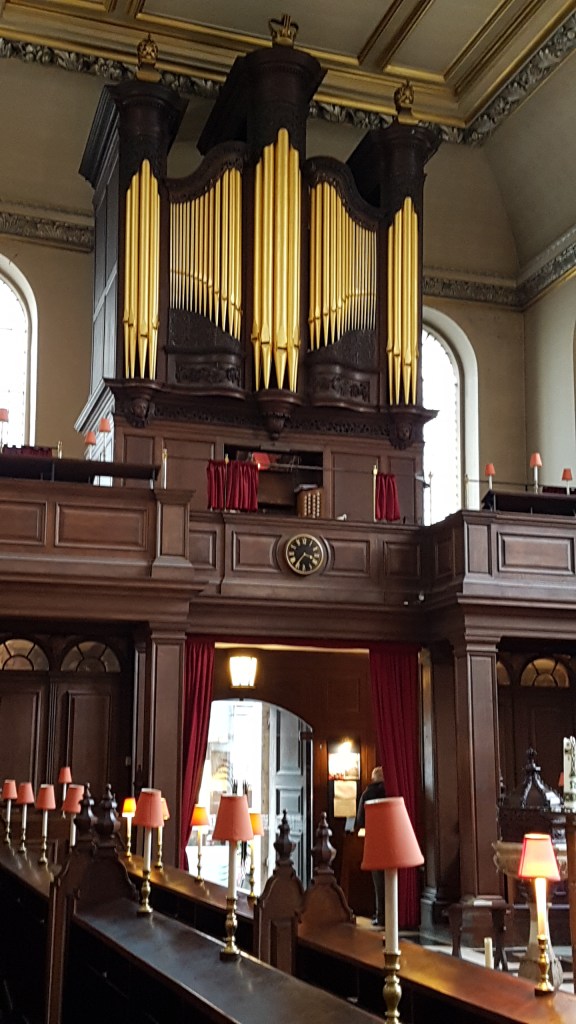
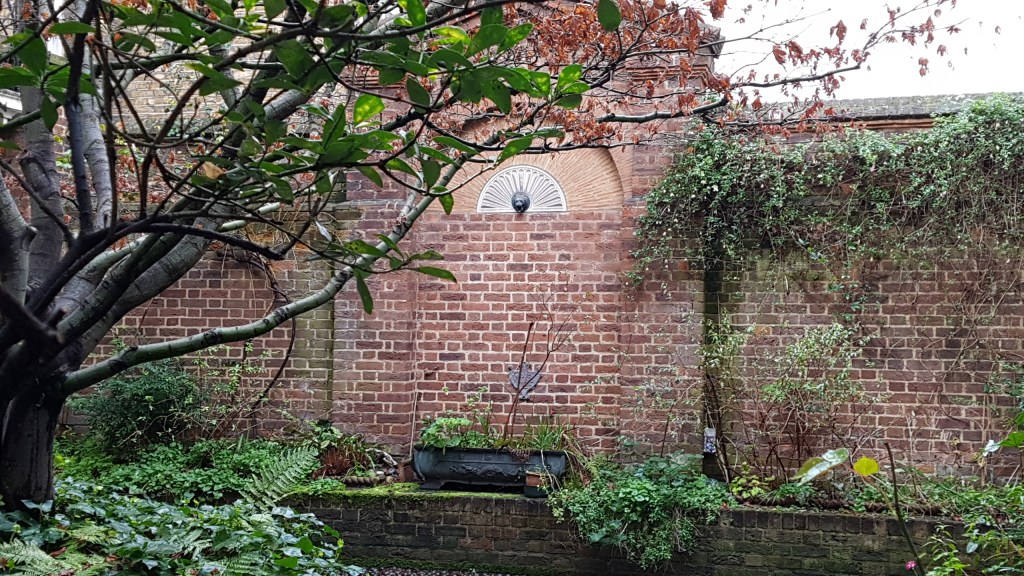
After leaving the house there was time for a short wander nearby. We found a little church tucked away behind all the new buildings near St Paul’s and One New Change. The church, St Vedast-Alias-Foster, is small but beautiful inside. Sir John Betjeman (former Poet Laureate) was part of the Parochial Church Council. I was fascinated by the sermon timer. I’ve never seen one before. There is enough sand in there for an hour! To the side of the church is a small and peaceful courtyard. Finding this church was just by chance, but what a lovely find. The church on Foster Lane, off Cheapside.

St Vedast
The sermon timer!
The Courtyard, St Vedaast

Design a site like this with WordPress.com
Get started